
Pruning
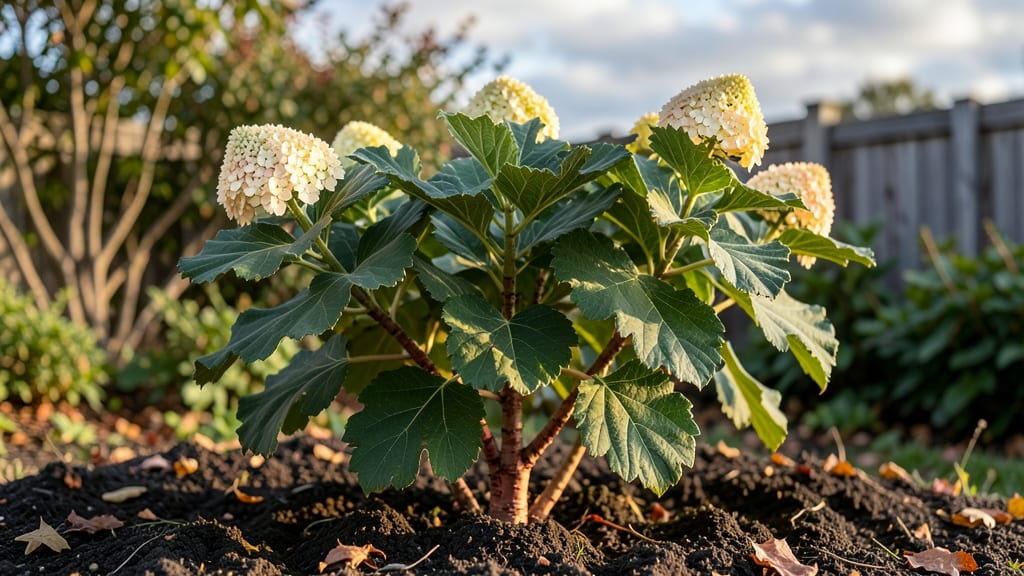
An oakleaf hydrangea tree turns your yard into a living painting that changes with every season—deep green in summer, fiery red in fall, and even winter interest with exfoliating bark. 🌿 I fell for this tree the first time I saw its oak-shaped leaves and the way it glows at sunset, and now I can’t imagine a garden without one.
The secret to its showstopping performance is simple: the right spot, a little pruning know-how, and understanding its three-season growth cycle. Unlike other hydrangeas, this one thrives in partial shade, handles humidity beautifully, and even tolerates wet soil—perfect for those tricky spots where nothing else grows.
With just three strategic trims a year, you’ll keep it compact, encourage blooms, and extend its stunning foliage display.
By summer’s end, you’ll be harvesting bouquets of deep green leaves that turn burgundy in fall, all while the tree’s peeling bark adds texture to winter landscapes. The best part?
It’s low-maintenance once established, making it the ideal choice for busy gardeners who still want a high-impact plant. Let’s get your oakleaf hydrangea thriving year-round.
Whether you’re using it as a focal point in your shade garden, lining a border, or adding drama to a mixed woodland planting, this tree delivers beauty with minimal effort.
The key is timing your pruning just right—spring, summer, and late winter each play a role in keeping your tree looking its absolute best.
📚 In This Guide
- What you need
- Instructions
- Tips and common mistakes
- Wrapping up and next steps
What you need
- ● Pruning shears: Bypass pruners (sharp, clean, and disinfected with rubbing alcohol or bleach solution).
- ● Loppers: For thicker branches (1.5"–2" cutting capacity).
- ● Hand pruners: For delicate trimming (smaller branches, ~0.5" thick).
- ● Garden gloves: Heavy-duty, cut-resistant (e.g., Fellex or Wolverine).
- ○ Pruning saw: Optional but helpful for stubborn, woody stems (bow saw or folding pruning saw).
- ● Disposable pruning sealant: (e.g., Tanglefoot Tree Wound Pruning Seal) for large cuts (2" or wider).
- ● Bucket or wheelbarrow: For collecting clippings (5-gallon capacity recommended).
- ● Ladder or step stool: Extendable (8–12 ft) for tall hydrangeas.
- ● Hose or water source: To clean tools and rinse cuts.
- ○ Notepad & pen: To sketch pruning plans (optional but helpful!).
- ● Pruning paint: (e.g., Dynamat Tree Wound Dressing) for sealing large cuts (follow label instructions!).
- ● Extension pole pruners: For high branches (10–12 ft reach).
- ● Safety glasses: Protect your eyes from debris.
- ● Knee pads: For comfort during ground-level trimming.
- ● Spray bottle with soapy water: For cleaning tools mid-prune.
Step-by-Step instructions for pruning your oakleaf hydrangea tree
Transform that wild shrub into a showstopper with these seasonal cuts!
✂️ Step 1: Late Winter Pruning (Before Bud Break)
Grab your pruners and gloves—this is the most important trim of the year. Wait until late February or early March when the ground is still frozen, but before those fat buds begin to swell. The goal here is to remove last year’s dead wood and thin out crowded branches to improve airflow and sunlight penetration.
Start by cutting back any branches that are completely dead—they’ll snap easily when you bend them. Then, look for branches growing toward the center of the shrub. These compete with each other for nutrients and light, weakening the plant. Snip them back to an outward-facing bud or branch. I like to step back every few cuts to check the shape—you want an open, vase-like structure, not a dense ball.
Don’t worry about cutting back the long stems to the ground just yet. Oakleaf hydrangeas bloom on both old and new wood, so you’ll preserve next year’s flowers by leaving 3-4 buds on each branch. If you accidentally prune too aggressively now, don’t panic—hydrangeas are forgiving and will bounce back.
☀️ Step 2: Summer Light Trimming (After Flowering)
Here’s where you fine-tune the shape and keep the plant looking tidy. Wait until July or August, after the flowers have faded but before the first frost. This is your chance to clean up any straggly growth, remove spent blooms, and encourage a second flush of flowers.
Use your pruners to trim back any leggy or overgrown branches by about one-third of their length. Cut just above a set of leaves or a bud that’s facing outward. This encourages bushier growth and prevents the plant from becoming top-heavy. I also like to remove any branches that are rubbing against each other—they’ll create wounds that invite pests and diseases.
Don’t skip this step, even if the plant looks perfect. Pruning now prevents the weight of next year’s blooms from snapping branches. And here’s a pro tip: If you see small flower buds forming on new growth, leave those branches alone—they’ll produce beautiful late-season blooms.
✂️ Step 3: Fall Cleanup (After Leaf Drop)
Once the leaves have fallen in late October or November, it’s time for a final tidy-up. This step keeps your hydrangea healthy and prevents pests from overwintering in the debris. Grab your pruners and a small rake—you’ll only need about 30 minutes to complete this.
Start by raking up all the fallen leaves and trimming back any dead or diseased branches you missed earlier. Then, look for any suckers or water sprouts—those are the fast-growing, weak stems that shoot up from the base or along the branches. Cut them off at the base to redirect the plant’s energy into strong, sturdy growth.
This is also the perfect time to shape the plant for next year. Step back and imagine how you want it to look in full bloom. If there are any branches growing in the wrong direction, trim them back now. And if you’re feeling ambitious, you can even lightly prune the remaining branches by about 10% to encourage a more compact shape. Just remember: Less is more with oakleaf hydrangeas—they’re all about that natural, relaxed look.
Tips & tricks for pruning oakleaf hydrangeas like a pro
These game-changing tips will help you transform your oakleaf hydrangea from chaotic to showstopping—without sacrificing next year's blooms!
Seasonal Timing is Everything: The late February/March window for Step 1 is critical because dormant buds haven't started swelling yet. I've learned the hard way that pruning too early can damage emerging buds, while waiting too long risks losing next year's flowers. Check for those fat buds—when they're still tight, it's time to prune!
Bud Count Matters More Than You Think: When pruning in Step 1, always leave 3-4 buds on each branch—this ensures you'll have flowers next season. I mark my pruning cuts with a pencil to visualize where to stop before making the cut. For branches that bloom on old wood, you're essentially deciding how many flowers you'll get next year with each snip!
Summer Pruning Prevents Winter Disasters: That one-third trim in Step 2 isn't just about looks—it prevents branches from snapping under next year's heavy blooms. I test branches by gently bending them: if they creak or crack, they're too weak and need pruning. This simple strength test has saved me from broken branches during winter storms.
Fall Cleanup Creates Next Year's Structure: The 30-minute fall cleanup (Step 3) might seem quick, but it's the foundation for next year's shape. I use this time to "dry run" my vision for next year's plant. Step back often and imagine how each cut will affect the overall silhouette—you're sculpting the plant's future form!
Pro Tips for Oakleaf Hydrangea Tree
- These game-changing tips will help you transform your oakleaf hydrangea from chaotic to showstopping—without sacrificing next year's blooms!
- Seasonal Timing is Everything: The late February/March window for Step 1 is critical because dormant buds haven't started swelling yet.
- Bud Count Matters More Than You Think: When pruning in Step 1, always leave 3-4 buds on each branch—this ensures you'll have flowers next season.
Frequently asked questions
When is the best time to prune an oakleaf hydrangea?
The ideal time to prune is late winter or early spring (just before new growth starts). This encourages vibrant blooms and maintains the tree’s shape. Avoid pruning in fall—it can stunt next year’s flowers! For seasonal trims, focus on cleaning up spent blooms in late winter and shaping in early spring.
Do I need to deadhead oakleaf hydrangeas?
Yes! Deadheading (removing faded blooms) in late winter promotes healthier growth. Unlike some hydrangeas, oakleaf hydrangeas bloom on old and new wood, so avoid heavy pruning in fall. Simply snip off spent flower heads—no need for drastic cuts. Use sharp bypass pruners for clean cuts.
How cold-hardy is an oakleaf hydrangea tree?
Oakleaf hydrangeas are highly cold-resistant, thriving in USDA zones 5–9. They handle winter well, but young trees may need mulch in harsh climates. Their deep red fall foliage is a bonus—even in chilly weather! Just protect them from late spring frosts if blooms appear early.
Can I grow an oakleaf hydrangea in a container?
Smaller varieties like ‘Snow Queen’ or ‘Pee Wee’ do well in containers. Use a large pot (15+ gallons) with well-draining soil and move it to partial shade in summer. Water regularly—containers dry out faster! Repot every 2–3 years for root health.
Why are my oakleaf hydrangea leaves turning yellow or brown?
Yellowing leaves often signal overwatering or poor drainage. Brown edges? It could be underwatering or salt buildup from tap water. Check for pests (like spider mites) or fungal issues (like powdery mildew). Adjust watering, improve soil, and prune affected areas to revive your tree.
What’s the difference between oakleaf and bigleaf hydrangeas?
Oakleaf hydrangeas (Hydrangea quercifolia) have lobed leaves like oak trees and cone-shaped blooms that turn rusty red in fall. Bigleaf hydrangeas (H. macrophylla) have rounder leaves and mophead or lacecap flowers that change color based on soil pH. Oakleafs are hardier and more drought-tolerant!
Wrapping up and next steps
The oakleaf hydrangea tree is a stunning, low-maintenance addition to any landscape, offering year-round charm with minimal effort. With the right seasonal trims—spring, summer, and late winter—you’ll keep its blooms vibrant and its structure healthy.
Whether you’re a gardening pro or just starting, this tree rewards patience with lush foliage, fragrant flowers, and fiery fall colors.
Ready to transform your garden? Grab your pruners and get started! 🌿 Start with a seasonal pruning guide tailored to your oakleaf hydrangea’s needs, and watch your tree thrive for years to come.