
Trees
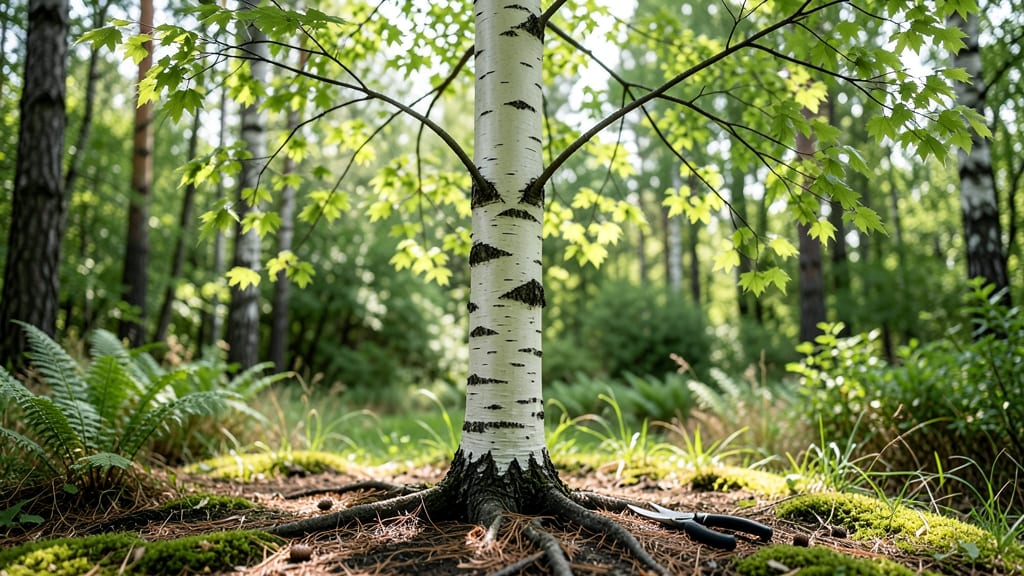
Ohio birch trees bring that signature white bark to your landscape—something that feels like winter magic year-round. 🌿 I planted mine in early spring, and within three years, the silvery trunks became the centerpiece of my backyard, especially when snow dusts their branches.
The key is choosing the right variety for Ohio’s climate, like the yellow birch or paper birch, which handle our wet springs and hot summers better than you’d think.
You’ll need well-draining soil, full sun to partial shade, and patience—birches grow slowly but steadily. Ohio’s clay-heavy soil can be tricky, so amending with compost before planting makes a huge difference. Water deeply once a week during the first year, and mulch to keep roots cool.
The biggest challenge here is avoiding birch borers, which love stressed trees, so keep an eye out for sawdust-like frass near the trunk.
By summer’s end, you’ll see those iconic peeling bark layers emerge, and in fall, the golden-yellow leaves add a pop of color. Even in winter, the stark white bark stands out against snow, creating a focal point that’s low-maintenance once established.
With the right care, your birch will thrive for decades—no fancy tricks required.
Ohio’s humid summers and occasional drought mean you’ll need to adjust watering as seasons change. Prune in late winter to shape the tree and remove dead branches, but avoid heavy pruning—birches are sensitive to it.
The payoff? A tree that’s both beautiful and resilient, perfect for small yards or as a statement piece in larger landscapes.
📚 In This Guide
- What you need
- Instructions
- Tips and common mistakes
- Wrapping up and next steps
What you need
- ● Ohio birch tree saplings or seedlings: Choose Betula papyrifera (paper birch) or Betula nigra (river birch) varieties native to Ohio. Quantity: 1–3 trees (depending on desired spacing).
- ● Well-draining soil: Mix 60% native Ohio soil with 30% compost and 10% coarse sand or perlite for optimal aeration.
- ● Organic mulch: 3–4 inches of wood chips, pine straw, or shredded bark to retain moisture and suppress weeds.
- ○ Slow-release fertilizer: 10-10-10 NPK ratio (apply in early spring and fall). Optional: Organic options like fish emulsion or bone meal.
- ● Watering supplies: Garden hose with adjustable nozzle or drip irrigation system (for consistent moisture).
- ● Shovel or spade: For digging planting holes (wide enough for roots to spread comfortably).
- ● Pruning shears: Bypass-style (for clean cuts) and loppers (for thicker branches).
- ● Garden gloves: Heavy-duty to protect against thorns and rough bark.
- ● Soil pH tester: Ideal pH for birches: 5.0–7.0 (adjust with lime or sulfur if needed).
- ○ Tree stakes & ties (optional): Use biodegradable stakes for young saplings to prevent swaying.
- ● Sunlight: Full sun to partial shade (6+ hours of sunlight daily).
- ● Spacing: Plant saplings 15–25 feet apart (mature birches can reach 50+ feet!).
- ● Water access: Birches need 1–2 inches of water weekly (more during droughts).
- ● Pest/disease prevention: Monitor for bronze birch borer (treat with neem oil if detected).
Step-by-step guide for planting and caring for Ohio birch trees
Here's how to grow these striking trees with minimal fuss—just follow these simple steps.
🌱 Step 1: Choose the Perfect Planting Spot
Birch trees thrive in partial shade to full sun, but they prefer morning sun and afternoon shade in Ohio's hot summers. Look for a spot with well-draining soil—birches hate soggy roots. The white bark looks best when the tree gets at least 4-6 hours of sunlight daily, so avoid dense shade from neighboring trees.
Test your soil by digging a 6-inch hole—if water pools instead of draining after 10 minutes, amend the area with 2-3 inches of compost to improve drainage. I always check for underground utilities before digging to avoid costly mistakes. Birch trees grow best in slightly acidic to neutral soil (pH 5.0-7.0), so a simple soil test kit helps confirm ideal conditions.
🪴 Step 2: Plant with Proper Spacing and Support
Dig a hole twice as wide as the root ball but no deeper—birch trees struggle when planted too deep. Gently loosen the roots if they're circling the root ball, then place the tree so the top of the root ball sits 1-2 inches above ground level. This prevents root rot from sitting water.
Space young birch trees 20-25 feet apart to allow for mature growth. In small yards, consider dwarf varieties like 'Fastigiata' which stay under 15 feet tall. Stake the tree only if needed—birches have strong root systems and often don't require support. Backfill with native soil mixed with a handful of slow-release fertilizer to give it a nutrient boost without burning tender roots.
☀️ Step 3: Water Deeply and Mulch for Retention
Water deeply once a week during the first growing season, soaking the soil to 12 inches deep. You'll know it's enough when water runs out the bottom of the hole. Overwatering causes root rot, so let the top 2 inches of soil dry out between waterings. In summer, you might need twice-weekly watering during heatwaves.
Spread 2-3 inches of mulch (wood chips or bark) over the root zone, keeping it 6 inches away from the trunk to prevent moisture buildup. This helps retain soil moisture and regulates temperature. Replenish mulch annually in spring—never let it pile up against the trunk, as this can suffocate the tree.
✂️ Step 4: Prune for Health and Shape
Prune birch trees in late winter or early spring before new growth begins. Remove dead, diseased, or crossing branches first—these are easy to spot as they stand out against the white bark. Cut back to the collateral bud (the one facing outward) to encourage healthy growth.
Thin out crowded branches to improve airflow, which reduces disease risk. Avoid heavy pruning—birches respond poorly to drastic cuts. A light shaping prune in summer (after 60% of leaves have formed) helps maintain the tree's elegant form. Never prune more than 25% of the canopy in one season, or you'll stress the tree.
🌿 Step 5: Year-Round Maintenance for Longevity
In spring, fertilize with a balanced 10-10-10 formula if the tree looks slow to leaf out. Apply it in early April when soil temperatures reach 50°F. Birches don't need heavy feeding—too much fertilizer causes weak growth and attracts pests. Water deeply after fertilizing to help nutrients reach the roots.
Watch for bronze birch borer in summer—this pest creates small holes in the bark. Treat early with neem oil spray if you spot sawdust-like frass at the base. In fall, remove fallen leaves to prevent fungal diseases. Birch trees are generally low-maintenance, but these small steps keep them thriving for decades.
Tips & tricks for perfect Ohio birch trees
Here's what nobody tells you about growing birch trees that'll make all the difference in your Ohio landscape.
Sunlight Strategy: When choosing that perfect spot with 4-6 hours of sunlight, pay extra attention to the direction. East-facing spots give gentle morning sun while protecting from harsh afternoon rays—ideal for Ohio's summers. I've seen birches struggle in south-facing positions where afternoon heat can scorch tender leaves, so if you're limited on space, prioritize east or west exposure. The white bark actually reflects sunlight, helping keep the tree cooler during heatwaves.
Soil Test Secret: That 6-inch hole test is crucial, but here's the thing: if your soil drains too quickly (water disappears in under 2 minutes), you'll need to mix in organic matter like peat moss to help retain moisture. I always add a handful of composted manure to the backfill mix—it gives the tree a nutrient boost without burning roots. Think of it as giving your birch a healthy foundation to grow strong.
Watering Wisdom: The once-weekly deep watering is perfect, but timing matters. Water in the early morning so leaves have time to dry before evening—this prevents fungal diseases that love damp foliage. I use a soaker hose for the 12-inch deep soak, which delivers water right to the roots without wetting the bark. During those summer heatwaves when you need twice-weekly watering, split the sessions into morning and evening to give the roots consistent moisture.
Pruning Precision: When you're pruning in late winter, look for those collateral buds—they're the little bumps on the underside of branches where new growth will emerge. Cut just above them at a 45-degree angle to prevent water from pooling. I always sterilize my pruners with rubbing alcohol between cuts to avoid spreading disease. And here's a pro move: prune on a dry day when temps are above 40°F—this helps the tree heal faster and reduces stress.
Pro Tips for Ohio Birch Trees
- Here's what nobody tells you about growing birch trees that'll make all the difference in your Ohio landscape.
- Sunlight Strategy: When choosing that perfect spot with 4-6 hours of sunlight, pay extra attention to the direction.
- I always add a handful of composted manure to the backfill mix—it gives the tree a nutrient boost without burning roots.
Frequently asked questions
Got questions about growing and caring for Ohio birch trees? You’re not alone! Here are some of the most common queries—plus straightforward answers to help you keep your trees thriving year-round.
What’s the best time of year to plant a birch tree in Ohio?
Plant your birch tree in early spring or fall (March–April or September–October) for ideal results. Avoid planting in summer’s heat or winter’s frost, as extreme temps stress young roots. Ohio’s mild springs and autumns give roots time to establish before dormancy.
How much space does a birch tree need in Ohio’s landscape?
Birch trees need plenty of room to spread—aim for 30–50 feet between trees (depending on the variety). Paper birches (like Betula papyrifera) grow 40–70 feet tall, while river birches (Betula nigra) stay shorter but spread wider. Check local ordinances—some areas restrict large trees near structures.
Why is my Ohio birch tree’s bark peeling or flaking?
Peeling bark is normal for birch trees—it’s part of their signature look! However, if you see large patches falling off, blackened bark, or oozing sap, it could signal birch borer infestation or fungal disease. Prune affected branches and consult a local arborist for treatment options like insecticidal soap or fungicides.
How often should I water a newly planted birch tree in Ohio?
Water deeply 2–3 times per week for the first year, ensuring soil stays moist but not soggy. Ohio’s hot summers and dry spells can stress young trees, so mulch around the base (but avoid touching the trunk) to retain moisture. Mature birches are drought-tolerant but appreciate water during prolonged dry periods.
Can I grow a birch tree in a container or small yard?
While birch trees thrive in open spaces, dwarf varieties (like Betula pendula ‘Fastigiata’) work for containers or tight yards. Use a large pot (20+ gallons) with drainage and repot every 2–3 years. Warning: Containers dry out faster—water frequently and fertilize lightly in spring. For small yards, consider paper birch clones with slower growth habits.
Wrapping up and next steps
Ohio’s birch trees—with their iconic white bark and graceful presence—are a rewarding addition to any landscape, but their success hinges on patience, consistency, and a little local know-how. From planting in well-draining soil to protecting them from winter winds, each season offers a chance to nurture their growth.
Whether you’re a first-time gardener or a seasoned green thumb, the key is observation and adaptability—your birch will thank you with years of beauty and shade.
Ready to watch your Ohio birch thrive? Start by revisiting our planting tips or checking the FAQs for quick solutions. Grab your gloves, step outside, and give your tree the love it deserves—your future backyard oasis starts with one small root in the soil! 🌳✨