
Pruning
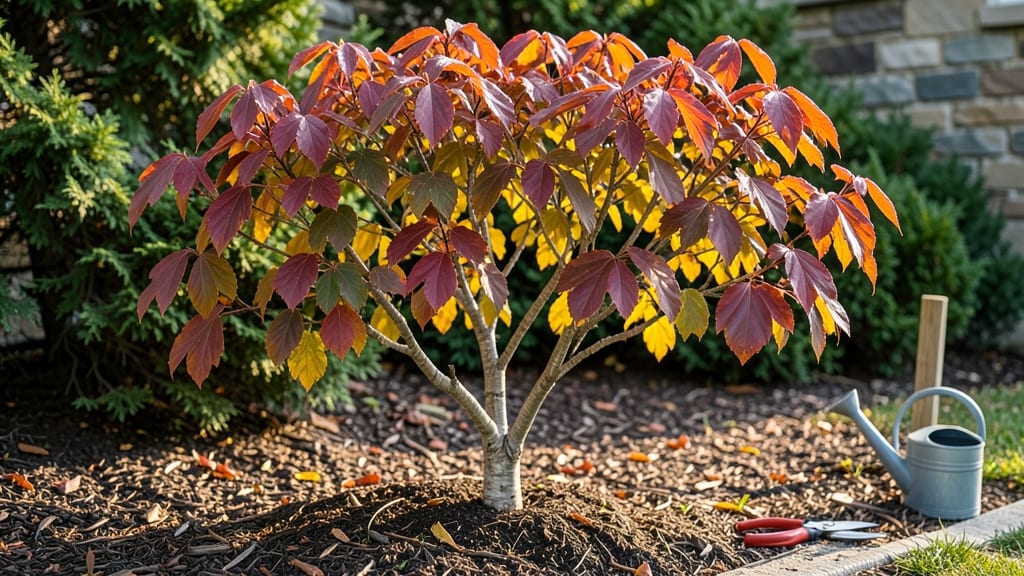
Oklahoma redbud trees in fall put on a show that rivals spring blooms—deep burgundy leaves that blaze against the autumn sky. 🌿 I’ve watched mine transform from spring’s delicate pink blossoms to fiery foliage, and the contrast is nothing short of magical.
This is the season to appreciate their beauty and prep for winter’s challenges.
The real magic happens in late October, when temperatures dip but before hard frost hits. That’s when you’ll notice the leaves shift from green to copper, then deep red—perfect timing for a light pruning to shape the tree and remove dead branches.
Oklahoma’s unpredictable frost means you’ll need to act fast if storms threaten before the leaves fall.
What you’ll end up with is a tree that looks stunning in winter’s bare branches and springs back stronger in spring. The secret? A little pruning now, a layer of mulch to protect roots, and keeping an eye out for pests that love stressed trees.
Trust me, your neighbors will be jealous of that fiery fall display.
Works just as well for urban yards as rural homesteads—just adjust timing based on your microclimate. Here’s how to make the most of Oklahoma’s dramatic redbud transformations.
📚 In This Guide
- What you need
- Instructions
- Tips and common mistakes
- Wrapping up and next steps
What you need
- ● Pruning shears: Bypass pruners (sharp, clean, and sterilized with rubbing alcohol). Size: 6–8 inches for small branches.
- ● Loppers: For thicker branches (½–1.5 inches in diameter). Look for: Bypass or anvil-style (bypass preferred for clean cuts).
- ● Hand saw: Pruning saw with a curved blade for branches >1.5 inches. Bonus: Non-slip grip for safety!
- ● Gloves: Heavy-duty work gloves (cut-resistant, like mechanics’ gloves) to protect from thorns and debris.
- ● Disposable pruning bags: 2–3 large bags (13-gallon) to collect fallen leaves/branches.
- ● Rake: Bow rake (18–24 inches wide) for clearing leaf litter around the tree base.
- ● Hose or watering can: For post-pruning hydration (5 gallons of water).
- ○ Tree wound dressing: Pruning sealant (optional—controversial but useful for large cuts >2 inches). Brands: Tanglefoot or similar.
- ● Ladder: Extendable (12–16 feet) if the tree is tall (safety first!).
- ● Safety glasses: To shield eyes from debris.
- ● Mulch: Shredded bark or pine straw (2–3 inches deep) to protect roots over winter.
- ● Fertilizer: Slow-release, balanced fertilizer (10-10-10 ratio) if soil tests show deficiency.
- ● Weather check: Prune on a dry, overcast day (avoid wind or rain).
- ● Tree health assessment: Inspect for pests/diseases (aphids, powdery mildew) before pruning.
- ● Safety brief: Clear a 10-foot radius around the tree of tripping hazards.
- ● Tool sharpening: Hone blades before starting to ensure clean cuts.
Step-by-Step guide for Oklahoma redbud fall care
Fall is when redbuds put on their best show—here's how to keep yours thriving.
🌿 Step 1: Assess Fall Foliage and Prune Strategically
Start by examining your redbud's leaves. Oklahoma's fall colors peak when temperatures dip to 50-60°F—look for the first hints of deep purple or magenta emerging. Use clean, sharp pruners to remove any dead, diseased, or crossing branches. I always prune in the morning hours when the tree is hydrated, which reduces stress on the plant.
Focus on shaping the tree to maintain its natural vase shape. Remove no more than 25% of the canopy at once—this prevents shocking the tree before winter. Cut just outside the branch collar where the branch meets the trunk. Avoid leaving stubs; these invite decay. If you see any branches with signs of anthracnose (dark spots), remove them immediately and sterilize your tools with rubbing alcohol.
☀️ Step 2: Adjust Watering for Fall Transition
Redbuds need less water as temperatures drop, but don't let the soil dry out completely. Water deeply once every 10-14 days until the top 6 inches of soil feels moist. You'll know it's time when the soil pulls away slightly from the pot or ground edge—this indicates proper moisture balance. I always water in the early morning to allow foliage to dry before evening, reducing fungal risks.
Stop fertilizing by mid-October—new growth at this point won't harden off properly before winter. Instead, apply a 2-3 inch layer of mulch around the base (keeping it 3 inches away from the trunk) to insulate roots. Use shredded bark or wood chips—they break down slowly and improve soil structure over time.
⏰ Step 3: Prepare for Winter Dormancy
By late November, your redbud should be fully dormant. This is when you'll notice the leaves have turned to their final fall colors or fallen completely. If you're in a colder Oklahoma microclimate (Zone 6 or below), wrap the trunk with tree wrap or burlap to protect against sunscald. I always check for this in early spring—if the bark looks cracked or peeling, it's a sign winter protection worked too well.
Remove any remaining leaves or debris from around the base—this prevents fungal diseases from overwintering. If you have young redbuds (under 3 years old), consider adding a layer of frost cloth over the root zone during hard freezes (below 20°F). Older trees usually handle Oklahoma winters just fine, but a little extra care ensures vibrant blooms next spring.
🌱 Step 4: Plan for Spring Revival
While your redbud sleeps, take notes on its fall performance. Did the leaves stay vibrant longer in one spot? Was there more color on the south side? These observations help you adjust care next year. Mark the tree's location with a stake if you're unsure where it is after winter—redbuds can be hard to spot when dormant.
Now's also the time to order any amendments you might need. If your soil feels compacted, plan to add compost in early spring. Redbuds prefer well-draining soil with a pH of 6.0-7.5. If you're unsure about your soil's pH, grab a sample and test it in late winter—you'll have time to amend before new growth begins.
Tips & tricks for perfect Oklahoma redbud fall care
Here's what nobody tells you about maximizing your redbud's fall color display.
Timing is Everything: Those 50-60°F temperatures in Oklahoma are your color window—don't miss it! I've seen redbuds peak 2-3 weeks earlier in northern Oklahoma, so start monitoring leaves when daytime highs consistently drop below 70°F. The color transformation happens fastest when nights dip into the 40s°F, so keep an eye on your local forecast. The first hints of purple usually appear on the upper branches first, so check those areas first.
Pruning Precision: In Step 1, when you're removing those 25% of branches, focus on branches that are thinner than a pencil—they often produce the most vibrant fall colors. I learned this the hard way after pruning too aggressively and losing some of my tree's best color producers. Always make your cuts at a 45-degree angle just outside the branch collar, and wipe your pruners with rubbing alcohol between cuts to prevent spreading any potential diseases. The cleaner your cuts, the faster those wounds will heal before winter.
Mulch Magic: That 2-3 inch layer of mulch in Step 2 isn't just for insulation—it's also a moisture regulator. I've found that shredded hardwood mulch works best because it breaks down slowly and improves soil structure over time. The key is keeping it 3 inches away from the trunk to prevent rot. Pro tip: Sprinkle a handful of mycorrhizal fungi granules into the soil before adding mulch—this helps establish beneficial root relationships for next spring's growth.
Winter Protection Strategy: For those hard freezes below 20°F in Step 3, I've had the most success with frost cloth rather than tree wrap. The cloth allows some airflow while still providing protection, and it's easier to remove in spring. If you do use tree wrap, remove it in early spring before the tree starts actively growing—leaving it on too long can cause bark to suffocate. And here's a trick I picked up from local arborists: Wrap the trunk with burlap first, then add the tree wrap. The burlap creates a buffer that prevents the wrap from digging into the bark.
Pro Tips for Oklahoma Redbud Tree In Fall
- Here's what nobody tells you about maximizing your redbud's fall color display.
- Timing is Everything: Those 50-60°F temperatures in Oklahoma are your color window—don't miss it!
- Pruning Precision: In Step 1, when you're removing those 25% of branches, focus on branches that are thinner than a pencil—they often produce the most vibrant fall colors.
Frequently asked questions
Got questions about Oklahoma redbud trees in fall?
You’re not alone! Here are answers to the most common queries—from timing to care tips—so you can enjoy their stunning transformation with confidence.
When do Oklahoma redbud trees change color in fall?
Redbud trees typically start their fall foliage shift in late October to early November in Oklahoma, depending on weather. Cooler nights and dry spells trigger their iconic pink-to-purple hues. Keep an eye on the leaves—once they turn mostly pink, the show is about to begin!
Do redbud trees lose leaves in Oklahoma winters?
Yes! Redbuds are deciduous, meaning they shed leaves in winter. By late November or December, you’ll see bare branches—but don’t worry! They’re tough as nails and sprout fresh foliage (and those signature spring blooms) come spring. A light mulch layer helps protect roots during cold snaps.
Can I prune my redbud tree in fall for better fall color?
Pruning in late fall (November–December) is possible, but it’s best to wait until dormancy to avoid stressing the tree. Focus on removing dead or crossing branches—never cut more than 25% of the canopy at once. For vibrant fall color, prune lightly in early spring instead.
Why aren’t my redbud leaves turning pink this year?
Several factors can dull fall colors: overwatering, nutrient deficiencies (like low nitrogen), or stress from pests/disease. Check for yellowing leaves (a sign of overwatering) or tiny holes (pests). A balanced fertilizer in early fall can boost next year’s show—just avoid heavy applications after September.
Are there redbud tree alternatives for Oklahoma with better fall color?
If you love redbuds but want longer-lasting fall hues, consider:
- Eastern Redbud (Cercis canadensis) – Classic pink, but shorter-lived.
- Japanese Tree Lilac (Syringa reticulata) – Stunning purple foliage + fragrant blooms.
- Smoke Tree (Cotinus obovatus) – Fiery pink plumes and all-season color.
Wrapping up and next steps
The Oklahoma Redbud’s fall transformation is a breathtaking reminder of nature’s artistry—turning ordinary seasons into vibrant masterpieces. 🍂 Whether you’re admiring its fiery hues or planning your next pruning session, this tree offers both beauty and practical care.
Now that you’re equipped with the right tools and knowledge, why not take action? Head outdoors this weekend, grab your pruners, and give your Redbud the love it deserves—your future autumn views will thank you!
💡 Pro tip: Snap a photo of your tree’s fall colors and share it with fellow gardeners—inspiration spreads faster than leaves in the wind!