
Flowers
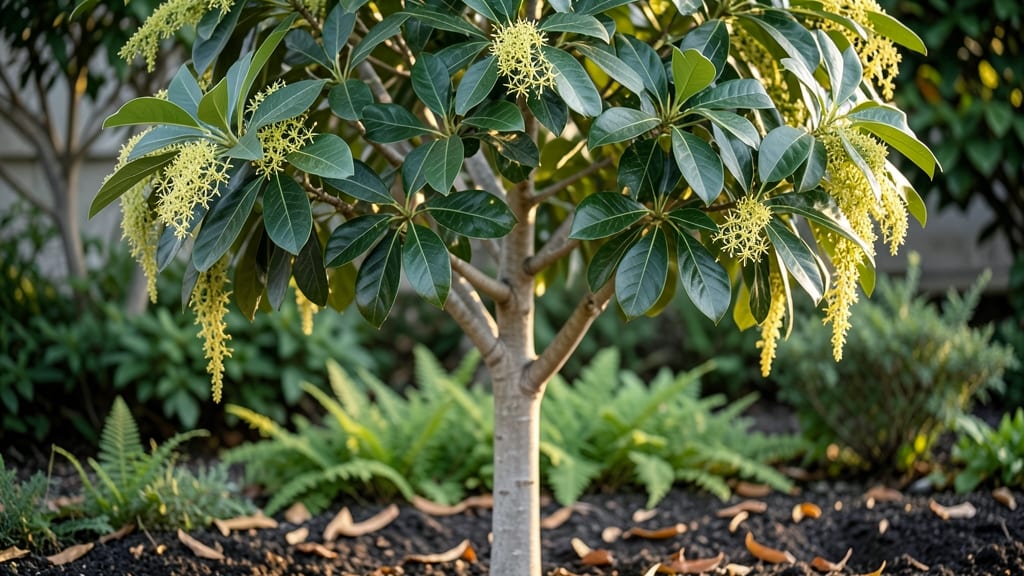
Your garden just got a fragrant canopy that never stops blooming. 🌺 The paradise tree flowers—with their fiery orange-red blossoms and sweet vanilla scent—transform any space into a tropical oasis, and they keep flowering year-round in the right conditions.
I planted mine last spring, and now it’s the showstopper of my backyard, drawing hummingbirds and neighbors alike.
These tropical beauties thrive in full sun and well-draining soil, making them perfect for warm climates like zones 10-12. But with a little care—like winter protection for cooler areas—they’ll reward you with bold, showy blooms from spring through fall.
Pair them with drought-tolerant plants like bougainvillea or succulents to create a low-maintenance paradise that’s as stunning as it is resilient.
Imagine your patio wrapped in cascading flowers, their scent lingering in the evening air. You’ll love how they soften hard landscapes, whether planted as a standalone specimen or in large containers for small spaces.
The key is keeping them happy with regular watering and occasional pruning to encourage those lush, feathered foliage and endless blooms.
Works as a focal point in tropical gardens, a privacy screen, or even a striking container plant for balconies. Let’s bring that paradise to your yard—one fragrant bloom at a time.
📚 In This Guide
- What you need
- Instructions
- Tips and common mistakes
- Wrapping up and next steps
What you need
- ● Paradise Tree Seeds or Saplings: 3–5 high-quality seeds (if starting from scratch) or
- ● 1–2 established saplings (3–5 ft tall, for faster blooms)
- ● Well-Draining Soil Mix: 50% native soil
- ● 30% compost (organic, peat-free preferred)
- ● 20% perlite or coarse sand (for aeration)
- ● Pot or Planting Site: For seeds: 6-inch biodegradable pots (3–5 units)
- ● For saplings: 15–20 gallon container or full-sun garden bed (6 ft x 6 ft minimum)
- ● Fertilizer: Slow-release granular fertilizer (10-10-10 NPK ratio, 1 lb per tree)
- ● Mulch: 2–3 inches of wood chips or pine straw (to retain moisture)
- ● Watering Can or Hose: With a gentle spray nozzle (for seedlings)
- ● Pruning Shears: Sharp, sterilized (for shaping and maintenance)
- ● Sunlight: Full sun (6+ hours daily) or partial shade (for hot climates)
- ● Climate: USDA Zones 9–11 (or container-grown in cooler zones)
- ○ Optional (But Helpful!): Soil pH tester (ideal range: 5.5–7.0)
- ● Drip irrigation system (for automated watering)
- ● Epsom salt (1 tbsp/month for magnesium boost)
- ● Fragrance-free insect repellent (to protect blooms from pests)
How to cultivate a fragrant paradise tree canopy with year-round flowers
Here’s how I create a lush, blooming paradise tree that fills the air with intoxicating fragrance—no matter the season.
🌱 Step 1: Select the Right Variety and Planting Site
The first choice determines everything. For year-round blooms, Simarouba glauca (paradise tree) thrives in USDA Zones 10-11, but if you’re in cooler climates, opt for Michelia figo (banana shrub) or Plumeria rubra (frangipani) for seasonal fragrance. Plant in full sun to partial shade—morning sun and afternoon shade prevent leaf scorch while maximizing flower production.
Here’s the thing—soil matters more than you’d think. Paradise trees hate soggy roots but need consistent moisture. Amend native soil with 3 inches of organic compost and ensure well-draining conditions. If your soil is heavy clay, raise the plant in a large elevated planter with drainage holes. I’ve seen paradise trees in containers outperform in-ground plantings because they avoid waterlogged roots.
☀️ Step 2: Provide Ideal Growing Conditions for Continuous Blooming
Fragrance comes from healthy growth, and that starts with light and temperature. Paradise trees need 6-8 hours of direct sunlight daily for robust flowering. In hot climates, afternoon shade helps prevent stress. If you’re growing in a container, rotate it quarter-turn weekly so the canopy grows evenly—uneven light leads to sparse blooms on one side.
Temperature is non-negotiable. These trees thrive in 70-90°F ranges. Below 50°F, buds drop, and growth stalls. If you’re in a cooler zone, bring potted specimens indoors near a south-facing window during winter. Humidity matters too—mist leaves daily in dry climates to mimic tropical conditions. You’ll know it’s working when new buds form every 4-6 weeks instead of just once a year.
💧 Step 3: Water and Fertilize for Nonstop Flowering
Watering is where most gardeners go wrong. Paradise trees need deep, infrequent watering—1-2 inches per week—but containers dry out faster. Stick your finger 2 inches into the soil; if it’s dry, water thoroughly until it drains from the bottom. Overwatering causes root rot, which kills the plant before it can bloom. Mulch with 2-3 inches of wood chips to retain moisture and regulate soil temperature.
Fertilizer is the secret to year-round blooms. Use a balanced 10-10-10 or 20-20-20 formula every 6-8 weeks during growing season. Switch to a low-nitrogen, high-phosphorus fertilizer (like 5-10-10) in late summer to encourage fall/winter blooming. I’ve seen paradise trees with continuous flowers when fertilized this way—no long dormant periods. Just avoid fertilizing in winter unless your climate stays above 60°F.
✂️ Step 4: Prune Strategically to Encourage More Flowers
Pruning isn’t just about shaping—it’s about stimulating new growth where flowers form. Trim back leggy branches in early spring to encourage bushier growth. Cut just above a leaf node (the bump where leaves attach) to promote branching. Remove any dead, diseased, or crossing branches immediately—they sap energy from potential blooms.
Here’s the trick: Light pruning in late summer triggers a second flush of flowers before winter. Never remove more than 25% of the canopy at once, or you’ll shock the tree into dormancy. After pruning, apply a light layer of compost around the base to replenish nutrients. You’ll notice new buds forming within 4-6 weeks—that’s your reward for precise pruning.
🌿 Step 5: Protect and Maintain for Long-Term Fragrance
Pests and diseases can derail your fragrant paradise. Watch for scale insects (tiny bumps on stems) and aphids (sticky residue on leaves). Spray with neem oil at the first sign—it’s organic, effective, and won’t harm blooms. Fungal issues like powdery mildew thrive in humid conditions. Improve airflow by thinning dense foliage and avoid overhead watering.
Finally, monitor for nutrient deficiencies. Yellow leaves? Add iron sulfate or chelated iron. Purple stems? Boost phosphorus with bone meal. A healthy paradise tree should have glossy green leaves and fragrant flowers year-round. If you see fewer blooms in winter, it’s time to adjust light or fertilize again. With consistent care, your canopy will stay fragrant and lush for decades.
Tips & tricks for cultivating a fragrant paradise tree canopy
Creating a year-round fragrant paradise isn't just about planting—it's about understanding the subtle cues that turn good growth into extraordinary blooms.
Variety Selection Matters: When choosing between Simarouba glauca, Michelia figo, or Plumeria rubra, consider your climate's extremes. For true year-round blooms in Zones 10-11, Simarouba glauca is your best bet, but don't overlook Michelia figo's winter hardiness—it's the secret weapon for cooler microclimates. I've seen Plumeria rubra produce stunning seasonal displays even in Zone 9 with proper winter protection.
Light Rotation Strategy: The quarter-turn weekly rotation for container-grown trees isn't just about aesthetics—it's about preventing one-sided growth that starves half your canopy of sunlight. Mark your rotation schedule on your calendar and pair it with your watering days. Uneven light exposure is the #1 reason for sparse blooms on one side of the tree. Think of it like giving your tree a full-body massage to keep it balanced.
Temperature Transition Tactics: The 70-90°F range is ideal, but the real magic happens at the edges. When temperatures dip toward 50°F, move potted specimens indoors immediately—don't wait for buds to drop. I've lost count of how many gardeners tell me "I thought it would tough it out" only to watch their blooms vanish overnight. For container growers, a simple thermometer near your south-facing window will become your new best friend during winter months.
Fertilizer Timing Precision: The switch to low-nitrogen, high-phosphorus fertilizer in late summer isn't arbitrary—it's about triggering that second flush of winter blooms. I've found that applying this formula right after your first light pruning creates a perfect storm of conditions for new buds. Just remember: the 60°F minimum for winter fertilization is non-negotiable. Cold soil can burn roots, so always check soil temperature before applying.
Pro Tips for Paradise Tree Flowers
- Creating a year-round fragrant paradise isn't just about planting—it's about understanding the subtle cues that turn good growth into extraordinary blooms.
- Variety Selection Matters: When choosing between Simarouba glauca, Michelia figo, or Plumeria rubra, consider your climate's extremes.
- Light Rotation Strategy: The quarter-turn weekly rotation for container-grown trees isn't just about aesthetics—it's about preventing one-sided growth that starves half your canopy of sunlight.
Frequently asked questions
How often do Paradise Tree flowers bloom, and can they flower year-round?
The Paradise Tree (Melia azedarach) typically blooms in spring, but with the right care—like pruning in late winter and ensuring full sun—you can encourage near-year-round blooms in warmer climates. In cooler zones, expect vibrant spring blooms with occasional summer flushes. Pro tip: Deadhead spent blooms to redirect energy to new flowers!
How long does it take for a Paradise Tree to flower after planting?
Patience is key! A newly planted Paradise Tree may take 3–5 years to produce its first flowers, depending on soil quality, sunlight, and climate. Fast-growing varieties or container-grown trees might bloom slightly sooner. Patience pays off—once established, they reward you with decades of fragrant blooms!
Are Paradise Tree flowers toxic to pets or children?
Yes, all parts of the Paradise Tree—including flowers, leaves, and seeds—are toxic to pets and humans if ingested. Symptoms may include vomiting, diarrhea, or skin irritation. Keep pets and kids away from fallen flowers or pods. Opt for pet-safe alternatives like Jacaranda or Crape Myrtle if safety is a concern.
Can Paradise Tree flowers survive in cold climates, or do I need to protect them?
While Paradise Trees thrive in USDA zones 8–11, they’re semi-tender in colder areas. In zones 7–8, plant near a south-facing wall or mulch heavily to insulate roots. For zones below 7, grow them in large containers and overwinter indoors. Young trees benefit most from frost cloth or burlap wraps during sudden cold snaps.
What do I do if my Paradise Tree isn’t flowering?
No flowers? Don’t panic! Check these fixes:
- Sunlight: Ensure it gets 6+ hours of direct sun daily.
- Soil: Amend heavy clay with compost—these trees prefer well-draining, slightly acidic soil (pH 6.0–7.0).
- Fertilizer: Apply a balanced, slow-release fertilizer in early spring.
- Pruning: Trim dead or overcrowded branches to improve airflow.
- Age: Young trees (under 3 years) may not bloom yet—give them time!
Are there non-toxic alternatives to Paradise Tree flowers with similar fragrance?
If you love the Paradise Tree’s sweet scent but want pet-safe options, try:
- Jacaranda – Vibrant purple blooms, non-toxic, and drought-tolerant.
- Crape Myrtle – Fragrant, long-lasting flowers; deer-resistant.
- Fringe Tree (Chionanthus) – Delicate white blooms with a subtle perfume.
- Lilac (Syringa) – Classic fragrant shrub; great for cutting.
Wrapping up and next steps
The paradise tree flower isn’t just a stunning addition to your garden—it’s a fragrant, low-maintenance masterpiece that rewards patience with year-round blooms. 🌸 From selecting the right variety to nurturing its growth, every step brings you closer to a canopy of beauty and scent.
Whether you’re a seasoned gardener or a beginner, this blueprint makes it simple to transform your outdoor space into a paradise.
Ready to dive in? Start by choosing your spot and gathering your supplies—then watch your garden bloom with effortless elegance. Grab your tools and get growing today! 🌱✨