
Pruning
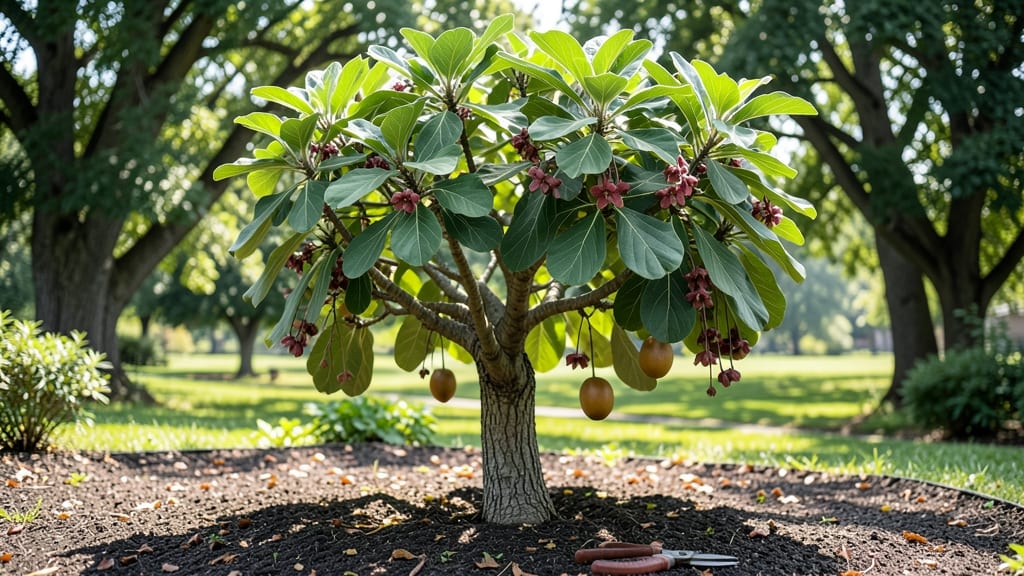
These paw paw tree pictures don’t do justice to the real magic—lush foliage that blazes gold in autumn and fruit so sweet it tastes like nature’s hidden treasure. 🌿 I planted mine near the backyard patio, and now I can’t imagine a... landscape without their dramatic, tropical vibe.
The large, glossy leaves create a stunning backdrop year-round, while the unique fruit adds a conversation piece that no other tree delivers.
What makes paw paws so special is their versatility in design. Use them as a focal point near water features, where their height and leafy canopy make a statement, or plant them in woodland gardens where they’ll thrive in partial shade.
They pair beautifully with native perennials like wild ginger or ferns, creating a layered, natural look that feels both wild and intentional.
You’ll love how they transform through the seasons—spring’s fresh green leaves, summer’s dense shade, autumn’s fiery foliage, and winter’s bare branches that still hold architectural interest. The fruit, when ripe, is sweet and custard-like, perfect for jams or fresh eating, but even without fruit, the tree’s presence elevates any garden.
Perfect for mid-sized yards, urban landscapes with space, or even large containers if you’re working with limited ground room. Their slow growth means they’re low-maintenance but high-reward, making them a favorite for gardeners who want beauty and function. Ready to add one to your design?
📚 In This Guide
- What you need
- Instructions
- Tips and common mistakes
- Wrapping up and next steps
What you need
- ● Pruning Tools: 1 sharp bypass pruners (for small branches, 1/4"–3/4" diameter)
- ● 1 pruning saw (for thicker branches, 1"–2" diameter)
- ● 1 loppers (for medium branches, 3/4"–2" diameter)
- ● Safety Gear: 1 pair gloves (cut-resistant, like leather or heavy-duty gardening gloves)
- ● 1 pair safety goggles (to protect from debris)
- ○ 1 face shield (optional, for heavy pruning)
- ● Cleaning Supplies: 1 disinfectant spray (70% isopropyl alcohol or pruning sealant)
- ● 1 bucket (for water or waste)
- ● 1 paper towels or rags (for wiping tools)
- ○ Photography Gear (Optional): 1 DSLR or smartphone (with a macro lens for close-ups, if desired)
- ● 1 tripod (for steady shots)
- ● 1 reflector or diffuser (to enhance lighting)
- ● ✅ Best Time to Prune: Late winter or early spring (before new growth starts).
- ● ✅ Weather Conditions: Dry, calm days (avoid pruning after rain or in windy conditions).
- ● ✅ Tree Health Check: Inspect the tree for diseases (like powdery mildew) or pests (e.g., zebra swallowtail caterpillars) before pruning.
- ● ✅ Local Regulations: Check if your area requires permits for tree pruning (especially for large specimens).
How to grow a stunning paw paw tree from seed to mature specimen
Here's the method I've used to nurture these rare, fragrant trees—now you can too.
🌱 Step 1: Collect and Stratify Seeds for Germination
Paw paw seeds need a cold period to break dormancy. Harvest ripe fruit in late summer, scoop out the seeds, and clean off any remaining pulp. Place them in a paper towel or moist peat moss inside a sealed plastic bag. Store in your refrigerator's crisper drawer for 90-120 days—this mimics winter's cold spell.
Check seeds monthly. They're ready when they begin to sprout or swell slightly. Don't rush this—proper stratification ensures strong seedlings. I like to label the bag with the collection date so I don't forget when to check.
☀️ Step 2: Plant Seeds in Well-Draining Soil
Fill 4-inch pots with a mix of 50% potting soil and 50% perlite—this prevents waterlogging, which paw paws hate. Plant seeds ½ inch deep, spacing them 1 inch apart if sowing multiple. Gently firm the soil around them but don't pack it down.
Place pots in a warm, bright spot with indirect light. A seedling heat mat keeps soil at 70-75°F for faster germination. You'll see sprouts in 4-8 weeks, though some may take longer. Be patient—paw paws grow slowly at first.
🌿 Step 3: Transplant Seedlings to Larger Containers
Once seedlings reach 6 inches tall and develop their first true leaves, move them to 1-gallon containers with fresh potting mix. Handle roots gently—they're delicate. Paw paws need room to grow, so avoid crowding.
Water thoroughly after transplanting, then keep soil consistently moist but not soggy. Place seedlings in partial shade for their first year. You'll notice new leaves emerging within 2-3 weeks—this is your signal they're adjusting well.
🪴 Step 4: Acclimate and Plant Outdoors
After 2 growing seasons in containers, paw paws are ready for the ground. Choose a site with morning sun and afternoon shade—they tolerate heat but appreciate afternoon relief. Dig a hole twice as wide as the root ball but no deeper.
Amend the soil with compost to improve drainage. Water deeply before planting, then place the seedling in the hole and backfill with soil. Press gently around the base to remove air pockets. Mulch with 2 inches of wood chips to retain moisture and regulate temperature.
⏰ Step 5: Maintain Through the Seasons
Paw paws thrive with minimal care once established. Water deeply once a week during dry spells, but avoid overhead watering to prevent fungal issues. In spring and fall, apply a balanced fertilizer to encourage strong growth.
Prune in late winter to remove dead or crossing branches. You'll see fragrant white flowers in spring and fruit by late summer—a reward for your patience. Paw paws are slow to mature but live for decades, so every step counts.
Tips & tricks for growing a stunning paw paw tree
Patience and attention to detail make all the difference with these slow-growing beauties. Here's what I've learned from nurturing paw paws through every stage.
Stratification Success: The 90-120 day cold period is non-negotiable for breaking dormancy. I've found that placing seeds in a sealed bag with moist paper towel creates the perfect humid environment—just don't forget to check them monthly! You'll know they're ready when you see tiny sprouts or slight swelling. Confession: I skipped checking one batch for two months, and while they eventually sprouted, they were noticeably weaker.
Soil Mix Matters: That 50/50 mix of potting soil and perlite in Step 2 isn't just about drainage—it's about creating the right air-to-moisture balance paw paws crave. I've seen seedlings fail when planted in regular garden soil because it compacts too easily. Pro tip: Add a handful of coarse sand to your mix for even better aeration, especially if your potting soil tends to be dense.
Transplanting Technique: When moving your 6-inch seedlings to 1-gallon containers in Step 3, focus on preserving those delicate roots. I've developed a habit of gently loosening the soil around the edges before lifting—it helps minimize root damage. After transplanting, give the pots a slight tap on the counter to help settle the soil and eliminate air pockets around the roots.
Outdoor Acclimation: The two growing seasons in containers before planting outdoors is crucial for building root strength. I've noticed that seedlings acclimated this way handle the first summer outdoors much better. When planting, that 2-inch layer of wood chips isn't just for moisture—it also helps regulate soil temperature swings, which paw paws are particularly sensitive to during their first few years.
Pro Tips for Paw Paw Tree Pictures
- Patience and attention to detail make all the difference with these slow-growing beauties.
- Stratification Success: The 90-120 day cold period is non-negotiable for breaking dormancy.
- Soil Mix Matters: That 50/50 mix of potting soil and perlite in Step 2 isn't just about drainage—it's about creating the right air-to-moisture balance paw paws crave.
Frequently asked questions
Got questions about paw paw trees? You’re not alone! Whether you’re dreaming of planting one or already caring for your tree, here are answers to the most common queries to help you grow with confidence.
When is the best time to plant a paw paw tree?
The ideal time to plant a paw paw tree is in early spring (after the last frost) or fall (4-6 weeks before the first frost). This gives the tree time to establish roots before extreme weather. Avoid planting in summer heat or winter cold, as stress can hinder growth.
How fast do paw paw trees grow, and how big do they get?
Paw paw trees grow at a moderate pace—about 1-2 feet per year—and can reach 20-50 feet tall with a spread of 20-30 feet. Patience is key! Dwarf varieties (like ‘Sunflower’) stay smaller (10-15 feet), perfect for tighter spaces.
Do paw paw trees need pruning, and how often?
Yes! Prune in late winter or early spring to remove dead, diseased, or crossing branches. Focus on shaping the tree and improving airflow. Avoid heavy pruning—paw paws respond best to light, strategic cuts to encourage fruit production.
Why aren’t my paw paw trees producing fruit?
Paw paws are dioecious, meaning you need both male and female trees for pollination (and fruit!). If you have only one tree, plant a second nearby. Also, ensure your tree gets full sun (6+ hours/day) and well-draining soil—poor conditions can delay fruiting for 5+ years.
Are paw paw trees low-maintenance?
Generally, yes! They’re drought-tolerant once established and handle poor soil better than many fruit trees. However, watch for paw paw bud moths (they attack flowers/fruit) and anthracnose fungus). Regular inspections and proper spacing reduce most issues.
Where can I find the best paw paw tree pictures for inspiration?
Check out USDA Forest Service archives, Pinterest boards (search “pawpaw tree growth stages”), or local arboretum websites for real-life examples. For seasonal changes, look for images labeled “spring blooms,” “fall foliage,” or “winter bark texture”!
Wrapping up and next steps
The paw paw tree isn’t just a stunning addition to your landscape—it’s a year-round beauty that rewards patience with lush foliage, fragrant blooms, and delicious fruit. Whether you’re drawn to its unique foliage, seasonal transformations, or culinary potential, this tree offers something special for every season. 🌿✨
Now that you’re inspired, why not take the next step? Visit a local nursery to see paw paw trees in person, or browse online plant databases for varieties that thrive in your climate. With a little care, you could soon be enjoying your own slice of nature’s hidden gem!