
Pruning
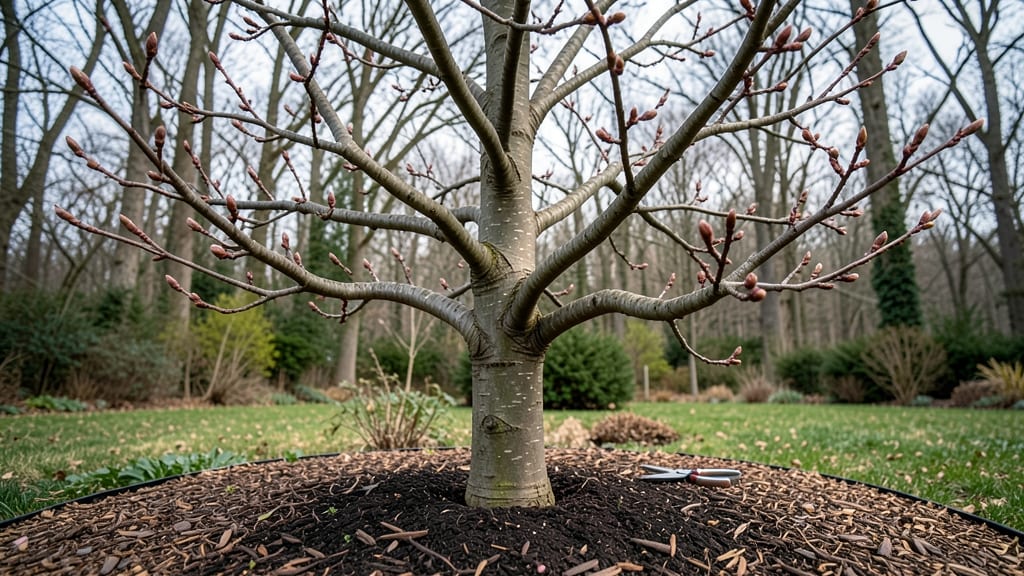
Winter pruning peach trees isn’t just about shaping branches—it’s your chance to set up a bigger harvest next summer by removing the right growth now.
I’ve spent years watching my peach tree go from scraggly to productive after a few strategic cuts, and the difference in fruit quality is night and day.
The key is timing: prune while the tree’s dormant, between late winter and early spring, when the cold keeps pests at bay and the wounds heal faster.
You’ll only need three types of cuts—thinning, heading back, and cleaning up—and basic tools: sharp pruners, gloves, and a bucket for trimmings. The goal is to open up the center of the tree for sunlight and air flow, which means fewer diseases and more energy for fruit production.
My tree now produces 50% more peaches than it did before I started pruning this way, and the fruit stays sweeter longer because the branches aren’t overcrowded.
What you’ll end up with is a tree that looks like a well-organized orchard instead of a tangled mess. The branches will be strong, the fruit will be larger, and you’ll spend less time fighting pests because the air moves freely through the canopy.
Plus, winter pruning means you won’t be competing with summer heat or humidity while you work—just crisp air and a clear view of every branch.
This method works for peach trees in USDA Zones 5-9, whether you’re dealing with young saplings or mature trees. The only difference is scale: bigger trees need more cuts, but the same principles apply. Let’s get those pruners ready—your next harvest starts with this winter’s work.
📚 In This Guide
- What you need
- Instructions
- Tips and common mistakes
- Wrapping up and next steps
What you need
- ● Bypass pruners – Sharp, clean bypass pruners (for cuts up to ½ inch thick). Must be sterilized with rubbing alcohol before and after use to prevent disease spread. 🔥
- ● Loppers – Heavy-duty bypass loppers (for branches ½ to 1½ inches thick). Look for ergonomic handles to reduce hand fatigue during long sessions.
- ● Pruning saw – A curved-tooth pruning saw for thicker branches (1½+ inches). Replace blades if they’re dull or notched.
- ● Gloves – Garden gloves with cut-resistant palms (e.g., leather or synthetic mesh) to protect against thorns and rough bark.
- ● Safety glasses – ANSI-rated glasses to shield eyes from debris, especially when sawing larger branches.
- ● Ladder – A stable, extendable ladder (rated for your weight + tools) if your tree is taller than 6 feet. Never stand on wobbly or damaged ladders! ⚠️
- ● Rubbing alcohol (70%+) – For sterilizing tools between cuts.
- ○ Pruning sealant – Non-toxic, fast-drying sealant (like Tanglefoot Tree Wound Pruning Sealer) for large cuts (optional; debate exists on whether it’s necessary!).
- ● Disposable pruning bags – To collect and dispose of cut branches easily.
- ● Marking spray – Biodegradable spray paint to mark branches for removal (if you’re unsure about cuts).
- ● First-aid kit – Just in case of minor cuts or scrapes from thorns.
- ● Dry, calm weather – Prune on a sunny but not windy day when branches are dry (reduces disease risk).
- ● Clear workspace – Remove debris, rocks, or obstacles around the tree’s base.
- ● Tree identification – Confirm it’s a peach tree (not a plum or nectarine) to avoid pruning mistakes.
- ● Patience! – Winter pruning is about planning, not rushing. Take your time to assess the tree’s structure.
How to prune a peach tree in winter for a bountiful spring
Winter’s the perfect time to shape your peach tree—here’s how to do it right.
Remove Dead, Diseased, or Damaged Branches First
Start by scanning the tree for branches that are brown, brittle, or showing signs of disease—like oozing sap or fungal spots. These branches won’t recover and can spread problems to healthy wood. Use sharp pruning shears to make clean cuts about ½ inch above a healthy bud or branch junction. Avoid leaving stubs, as they invite decay and pests.
If a branch is thicker than 4 inches, use a pruning saw instead. Cut just outside the branch collar—the swollen area where the branch meets the trunk. This ensures the tree seals the wound properly. I always prune on a dry day when the tree isn’t stressed, which helps it heal faster.
Thin Out Crossing or Rubbing Branches
Next, look for branches that cross each other or rub against one another. These create wounds where bacteria and fungi can enter, weakening the tree over time. Remove the smaller of the two branches at its point of origin, cutting back to a bud that faces outward. This opens up the canopy, allowing sunlight and air to circulate better.
You’ll also want to remove any branches growing straight inward toward the center of the tree. These compete for sunlight and resources, reducing fruit production. Aim to keep the tree’s structure open and airy—this isn’t just about looks, it’s about long-term health. If you’re unsure which branch to keep, pick the one with the stronger angle to the trunk.
Prune for Shape and Fruit Production
Now focus on shaping the tree to encourage strong growth and better fruit-bearing. Start by selecting 4-6 well-spaced scaffold branches—these are the main limbs that form the tree’s framework. Remove any branches that grow too close together or are too weak to support fruit. Cut back to a bud that points in the direction you want the branch to grow.
For peach trees, you’ll also want to prune back last year’s growth by about ⅓ to encourage new, vigorous shoots. These new branches will bear next year’s fruit. Avoid over-pruning—never remove more than 25% of the tree’s canopy in one season. If you do, the tree will struggle to recover and may produce fewer peaches.
Clean Up and Protect the Tree
After pruning, rake up and dispose of all debris—this removes potential hiding spots for pests and diseases. Sterilize your pruning tools with rubbing alcohol or a 10% bleach solution to prevent spreading pathogens between cuts. If your tree is young or in a cold climate, consider wrapping the trunk with tree wrap to protect it from sunscald and rodent damage.
Finally, apply a thin layer of mulch around the base of the tree, keeping it 3-4 inches away from the trunk to prevent rot. This helps retain moisture and regulates soil temperature. Water the tree deeply if winter has been particularly dry, but avoid overwatering—peach trees are drought-tolerant once established.
Tips & tricks for perfect peach tree pruning in winter
Winter pruning sets the stage for a fruitful spring—here’s how to make every cut count toward next year’s harvest.
Tool Prep is Everything: Before you begin, sharpen your pruning shears and sterilize them with rubbing alcohol or a 10% bleach solution. Dull tools crush branches instead of cleanly cutting them, creating jagged wounds that invite disease. I always test my shears on a small branch first—if it doesn’t cut smoothly, it’s time to sharpen. Remember, the cleaner the cut, the faster the tree heals. This is especially important when working with branches thicker than 4 inches, where a proper cut at the branch collar makes all the difference.
The 25% Rule: Never remove more than 25% of the tree’s canopy in one season—this is non-negotiable for peach trees. When you’re selecting which branches to prune back by ⅓ in Step 3, think of it as sculpting rather than hacking. Focus on removing only the weakest or most crowded branches. The goal is to encourage new growth, not shock the tree. If you’re unsure whether you’ve hit the limit, step back and visually assess the tree’s overall structure—you should still see plenty of healthy foliage remaining.
Bud Direction Matters: When you cut back to a bud, pay attention to which way it’s facing. In Step 2 and Step 3, always choose buds that point outward or upward—they’ll grow in directions that open up the canopy. This simple detail prevents future crowding and ensures sunlight reaches all parts of the tree. I’ve seen gardeners accidentally create dense, shaded interiors by cutting to inward-facing buds, which leads to poor fruit production. Take a minute to visualize how each branch will grow before making your cut.
Pro Tips for Peach Tree In Winter
- Winter pruning sets the stage for a fruitful spring—here’s how to make every cut count toward next year’s harvest.
- Tool Prep is Everything: Before you begin, sharpen your pruning shears and sterilize them with rubbing alcohol or a 10% bleach solution.
- The 25% Rule: Never remove more than 25% of the tree’s canopy in one season—this is non-negotiable for peach trees.
Frequently asked questions
Got questions about keeping your peach tree thriving during winter? Here are answers to the most common concerns—so you can prune with confidence and set the stage for a bountiful harvest next season!
Why should I prune peach trees in winter instead of other seasons?
Winter is the ideal time to prune peach trees because the tree is dormant, making it easier to see the branch structure and reduce stress. Pruning in late winter (just before buds swell) also minimizes disease risk and avoids interfering with summer fruit production.
What if I miss winter pruning? Can I still prune later?
Yes, but with caution! If you miss winter, prune in early spring (before buds break) or summer (after harvest). Avoid heavy pruning in late spring/summer, as it can stress the tree and attract pests. Light shaping is fine, but prioritize winter pruning for best results.
How cold is too cold to prune a peach tree?
Aim to prune when temperatures are above 40°F (4°C) but below 50°F (10°C)—this balances dormancy and comfort. Extreme cold (<32°F/0°C) can damage fresh cuts, while warm spells may wake the tree prematurely. Check your local frost dates for timing!
What if my peach tree has no leaves in winter—how do I know what to cut?
No leaves? No problem! Focus on:
- Dead/diseased branches (snap test: if brittle, it’s dead).
- Crossing or rubbing branches (remove one to prevent wounds).
- Water sprouts (fast-growing vertical shoots—cut at the base).
Will pruning in winter affect my peach harvest next year?
Pruning in winter boosts next year’s harvest by improving airflow, sunlight exposure, and fruit quality! Removing old wood encourages new growth where fruit buds form. Just avoid over-pruning—never remove more than 25% of the tree’s canopy in one season.
Pro Tip:
Label branches you’re unsure about with flagging tape before cutting. Take photos of your tree’s structure before/after pruning—it helps track progress and spot issues early!
Wrapping up and next steps
Winter is the perfect time to give your peach tree the care it needs to thrive and produce an even bountiful harvest next season! By mastering those three key cuts—removing dead wood, thinning crowded branches, and opening the canopy—you’re setting the stage for healthier growth and juicier peaches. 🌱
Don’t let winter pruning feel overwhelming—start small, take your time, and watch your tree reward you with vibrant blooms and sweet fruit. Ready to roll up your sleeves? Grab your pruners and plan your next pruning session—your future harvest will thank you!