
Trees
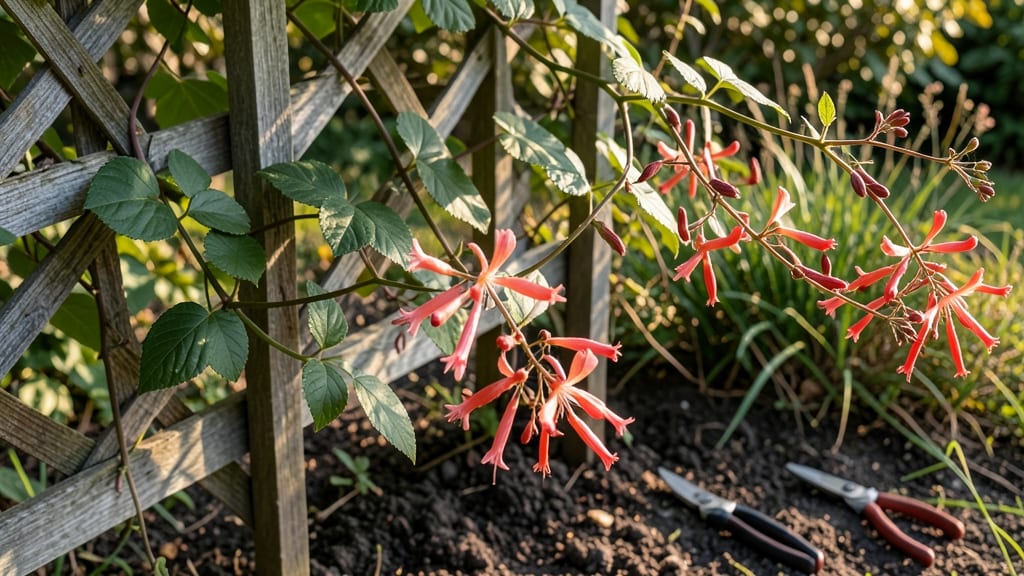
These pictures of honeysuckle trees always make me think of summer—how their cascading blooms and velvety green leaves turn any garden into a fragrant sanctuary. 🌿 I still remember the first time I saw one arching over an old stone fence—it smelled like summer in July, even when the air was cool.
Their climbing vines and sweet perfume make them the perfect focal point for trellises, arbors, or even as a natural privacy screen along property lines.
Their beauty isn’t just seasonal—spring brings delicate blossoms, summer offers intoxicating fragrance, and autumn delivers golden foliage that catches the light. Pair them with climbing roses for a romantic border or plant near seating areas to enjoy their scent up close.
Even in small spaces, their adaptable growth habits make them a versatile choice for any landscape design.
Imagine waking to the sound of hummingbirds flitting between branches heavy with blooms or strolling through your garden at dusk when the fragrance feels almost magical. With the right placement—sunny spots with good airflow—they’ll thrive for years, becoming the heart of your outdoor living space.
Let’s explore how to make them shine in your garden.
Whether you’re dreaming of a cottage-style retreat or a modern courtyard, honeysuckle trees bring effortless charm. Their low-maintenance nature means you’ll spend more time admiring them than tending to them. Ready to create your own fragrant haven? Here’s how to get started.
📚 In This Guide
- What you need
- Instructions
- Tips and common mistakes
- Wrapping up and next steps
What you need
- ● Camera or Smartphone: A DSLR/mirrorless camera with manual settings (e.g., Canon EOS, Sony Alpha) or a high-end smartphone (iPhone 12+, Samsung Galaxy S21+) for crisp, detailed shots.
- ● Tripod: A lightweight, adjustable tripod (e.g., Manfrotto Pixi, Joby GorillaPod) to stabilize shots in low light or for long exposures.
- ○ Lenses (Optional but Recommended): Wide-angle lens (e.g., 10-24mm) for capturing the full tree canopy.
- ● Macro lens (e.g., 60mm–100mm) for close-ups of flowers and vines.
- ● External Flash or Reflector: A softbox or portable flash (e.g., Godox TT350) to brighten shadows without harsh glare. A 5-in-1 reflector (e.g., Neewer) works for natural light bounce.
- ● Polarizing Filter: A circular polarizer (e.g., Hoya HD) to reduce glare and enhance vibrant colors in foliage.
- ● Memory Cards: High-speed SD cards (32GB–128GB, UHS-II) to store RAW files without lag.
- ● Backup Batteries: At least 2 extra batteries (e.g., Canon LP-E6NH, Sony NP-FZ100) for all-day shooting.
- ● Pruners or Shears: Small bypass pruners (e.g., Felco F2) to gently trim vines for framing—only if you have permission!
- ● Natural Props: Wooden stumps, vintage chairs, or a vintage camera prop for thematic shots.
- ● Drone (Advanced): A lightweight drone (e.g., DJI Mini 2) for aerial shots of sprawling honeysuckle canopies (check local drone laws!).
- ● Editing Software: Adobe Lightroom (for quick edits) or free tools like GIMP or Darktable for post-processing.
- ● Garden Access: Ensure you have permission to photograph on private property or visit public gardens during open hours.
- ● Weather Check: Aim for overcast mornings or golden hour (sunrise/sunset) to avoid harsh shadows.
- ● Safety Gear: Wear closed-toe shoes, gloves (if handling vines), and insect repellent—honeysuckle attracts bees!
- ● Backup Plan: Download a weather app (e.g., The Weather Channel) and have a rain cover for your gear.
How to select and plant honeysuckle trees for maximum fragrance
Here's how I choose the right varieties and plant them for that signature sweet scent.
🌱 Step 1: Choose the Right Variety for Your Climate
Honeysuckle trees thrive in USDA zones 4-9, but fragrance intensity varies by species. For strong scent, I recommend Japanese honeysuckle (Lonicera japonica) in warmer zones or trumpet honeysuckle (Lonicera sempervirens) for southern climates. These varieties produce the most fragrant blooms.
Look for disease-resistant cultivars like 'Hall's Prolific'—it blooms twice yearly and resists powdery mildew. Avoid weak-scented ornamental varieties; they won't deliver that classic sweet perfume. Check your local nursery for scented varieties labeled "fragrant" or "sweet-scented."
☀️ Step 2: Select the Perfect Planting Location
Honeysuckle trees need full sun to partial shade—at least 6 hours of sunlight daily for best fragrance. I plant mine near patios or seating areas where the scent naturally drifts. Avoid windy spots; the delicate blooms can get damaged, reducing fragrance production.
Well-draining soil is critical. Honeysuckle roots rot easily in soggy conditions. If your soil is heavy clay, amend with 2-3 inches of compost before planting. The tree will reward you with stronger, more fragrant blooms when the roots aren't struggling.
🪴 Step 3: Plant with Proper Spacing and Support
Dig a hole twice as wide as the root ball but no deeper. Gently remove the tree from its container and loosen any circling roots with your fingers. Place it in the hole so the top of the root ball sits 1 inch above ground level—this prevents rot.
Space trees 10-15 feet apart for a fragrant canopy. If planting near a fence or trellis, install a 5-foot bamboo stake at planting time and loosely tie the main stem to it. This encourages upright growth and better air circulation, which boosts fragrance.
💧 Step 4: Water and Mulch for Strong Growth
Water deeply once a week for the first month, then taper to every 10-14 days once established. The soil should be dry 1-2 inches deep before watering again. Overwatering is the fastest way to kill honeysuckle trees—roots need air as much as moisture.
Spread 2-3 inches of mulch around the base, keeping it 6 inches away from the trunk. I use shredded bark mulch because it breaks down slowly and improves soil structure over time. This helps retain moisture while keeping roots cool in summer.
✂️ Step 5: Prune for Health and Fragrance
Prune in late winter or early spring before new growth begins. Remove any dead, diseased, or crossing branches first. Then, cut back one-third of the oldest stems to encourage new, fragrant growth. This rejuvenates the plant and prevents overcrowding.
Never prune after summer—you'll cut off next year's blooms. A lightly pruned honeysuckle tree produces more abundant, fragrant flowers than one that's heavily trimmed. I also remove spent blooms throughout the season to encourage continuous flowering.
Tips & tricks for perfect honeysuckle tree planting
Here's what nobody tells you about maximizing that sweet fragrance from your honeysuckle canopy.
Variety Matters: Japanese honeysuckle (Lonicera japonica) and trumpet honeysuckle (Lonicera sempervirens) are your fragrance powerhouses, but don't overlook 'Hall's Prolific'—this cultivar blooms twice yearly and handles humidity better than most. I've seen it thrive where other varieties wilted during summer downpours. The key is checking those nursery labels for "fragrant" or "sweet-scented" designations—those are your scent guarantees.
Sunlight Secret: That 6-hour minimum sunlight requirement isn't just about growth—it's about fragrance production. I position my trees where they get morning sun and afternoon shade to prevent leaf scorch while maximizing bloom intensity. If your yard only offers partial shade, consider container planting near a south-facing window or patio where they'll still get enough light for strong scent development.
Soil Science: The 2-3 inches of compost I mentioned isn't just about drainage—it's a fragrance booster. Organic matter feeds beneficial microbes that help roots absorb nutrients more efficiently, which translates to stronger, more abundant blooms. For heavy clay soils, I mix in perlite or coarse sand to create pockets for air circulation around roots. Proper drainage isn't just about preventing rot; it's about creating the right conditions for those scent-producing flowers to thrive.
Pruning Precision: When you cut back one-third of the oldest stems in late winter, you're not just cleaning up—you're signaling the tree to produce new growth that will bear next season's most fragrant blooms. I always prune just above a leaf bud or lateral branch to encourage bushier growth. And here's a pro move: After pruning, I fertilize with a balanced 10-10-10 formula to give that new growth everything it needs for maximum fragrance production.
Pro Tips for Pictures Of Honeysuckle Trees
- Here's what nobody tells you about maximizing that sweet fragrance from your honeysuckle canopy.
- I've seen it thrive where other varieties wilted during summer downpours.
- Sunlight Secret: That 6-hour minimum sunlight requirement isn't just about growth—it's about fragrance production.
Frequently asked questions
Got questions about honeysuckle trees? You’re not alone! Here are answers to some of the most common queries—from care tips to seasonal surprises.
When is the best time to plant honeysuckle trees?
Plant honeysuckle trees in early spring or fall when temperatures are mild (50–70°F). This gives roots time to establish before extreme heat or cold. Avoid planting in summer—young trees struggle with drought stress. For container-grown plants, you can also try late winter if frost isn’t imminent.
Are honeysuckle trees invasive? Should I be worried?
Some honeysuckle varieties (like Japanese honeysuckle) are invasive in certain regions and can crowd out native plants. Check your local regulations before planting! Opt for non-invasive species like Trumpet Honeysuckle (Lonicera sempervirens), which stays contained and attracts pollinators. Always research or consult a local nursery.
Why aren’t my honeysuckle flowers fragrant?
Fragrance fades if the tree is stressed (drought, poor soil, or pests). Ensure it’s in full sun to partial shade and well-drained soil. Over-fertilizing can also reduce scent—stick to a balanced, low-nitrogen fertilizer in early spring. If blooms are sparse, prune lightly in late winter to encourage new growth.
Do honeysuckle trees attract bees or other pests?
Yes! Honeysuckle is a bee magnet—its nectar supports pollinators, especially early in spring. While bees are harmless, some gardeners worry about wasps. Plant near water sources to deter wasps, and avoid pruning during peak bloom (June–July) to protect pollinators. If pests become an issue, use neem oil or insecticidal soap as a last resort.
Can I grow honeysuckle in containers? What size pot do I need?
Dwarf varieties (like Coral Honeysuckle) thrive in 5-gallon pots or larger. Ensure the pot has drainage holes and use a well-draining potting mix. Move containers to a sunny spot in summer and bring them indoors (or protect from frost) in winter. Expect to repot every 2–3 years as the tree grows.
How can I take the best pictures of honeysuckle trees?
Capture the magic by shooting during morning light (soft shadows, vibrant colors). Focus on textures—close-ups of blooms or bark add depth. Use a macro lens for flowers or a wide-angle for the full canopy. Include natural elements like butterflies or dew drops to enhance the scene. Pro tip: Edit photos with a warm filter to highlight the golden-yellow hues!
Wrapping up and next steps
From their fragrant blooms to their lush foliage, honeysuckle trees bring a touch of natural beauty and charm to any garden. 🌿 Whether you’re captivated by their vibrant pictures or dreaming of planting one, these trees offer both aesthetic appeal and a soothing aroma that enhances outdoor spaces.
Now that you’re inspired, why not take the next step?
🌱 Ready to Bring Honeysuckle Magic to Your Yard?
Start by researching the best varieties for your climate, or browse stunning pictures of honeysuckle trees for planting ideas. With a little care, you’ll soon enjoy a fragrant, picturesque canopy of your own!