
Trees
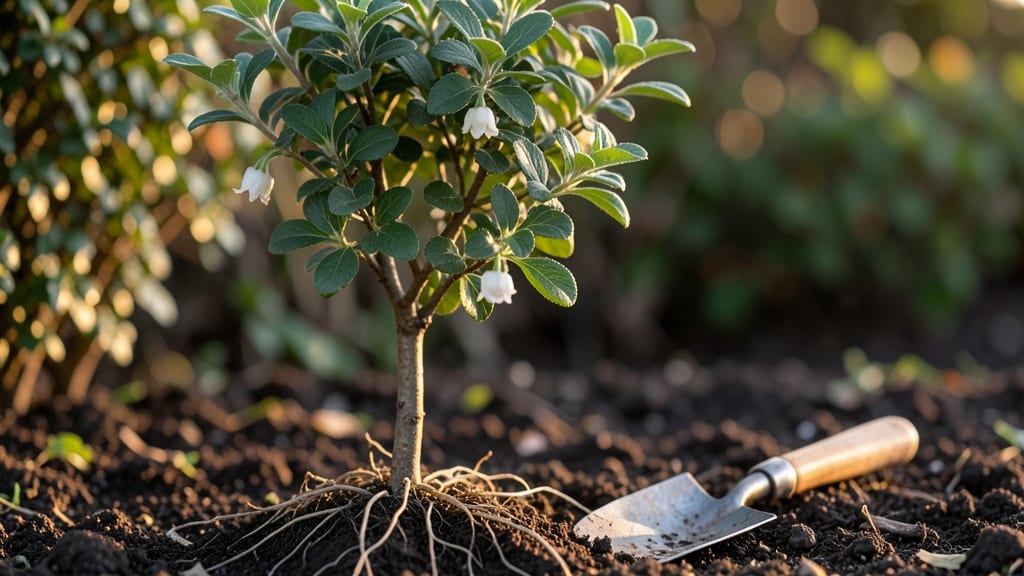
Planting blueberry trees starts with soil that's as acidic as a lemon's squeeze—pH 4.5 to 5.5 is non-negotiable for those deep purple berries. 🌿 I learned this the hard way when my first bushes produced tiny, sour berries because the soil was too alkaline.
The fix? A simple soil test and a few strategic amendments that transform your garden into blueberry heaven.
You'll need southern highbush varieties for warm climates or northern types for colder zones, but both thrive with the same soil prep: mix in 2-3 inches of peat moss or sulfur into the planting hole, and mulch with pine needles to keep acidity steady.
Spacing matters too—6 feet apart gives roots room to spread without competing, while a 5-gallon container works for patios if you're short on yard space.
After planting, water deeply every 2-3 days for the first month to help roots establish, then taper to weekly soakings. The payoff? Bushes that burst with vibrant green leaves and clusters of berries by their third year—no bitter surprises. Even my black thumb can't kill these once the soil's right.
Companion plants like rhododendrons or azaleas signal you're on the right track—they love the same acidic conditions. Just avoid planting near walnut trees, whose roots release toxins that stunt blueberries. Here's how to get those bushes off to the best start possible.
📚 In This Guide
- What you need
- Instructions
- Tips and common mistakes
- Wrapping up and next steps
What you need
- ● Blueberry plants: 3–5 dwarf or semi-dwarf bushes (for cross-pollination, choose at least two varieties like 'Bluecrop' and 'Duke').
- ● Soil test kit: To check soil pH (aim for 4.5–5.5).
- ● Sulfur or peat moss: 10–20 lbs (to lower pH if needed).
- ● Compost or well-rotted manure: 2–3 cubic feet (for organic matter).
- ● Mulch (pine bark or straw): 2–3 inches (to retain moisture and acidity).
- ● Garden trowel or spade: For digging holes (12–18 inches deep).
- ● Pruning shears: For trimming dead branches.
- ● Watering can or hose with a gentle nozzle: For deep, even watering.
- ● Organic blueberry fertilizer: (e.g., cottonseed meal or fish emulsion).
- ● Epsom salt: 1 tbsp per plant (for magnesium boost).
- ● Row cover or netting: To protect from birds or frost.
- ● Drip irrigation system: For consistent moisture.
- ● pH adjustment liquid: (e.g., iron sulfate for quick fixes).
- ● Garden gloves: To keep hands clean while working.
Step-by-step instructions for planting blueberry trees
Here's how to plant blueberries that thrive—soil acidity is the secret weapon.
🌱 Step 1: Test and Amend Soil for Optimal Acidity
Blueberries demand soil with a pH between 4.5 and 5.5. Test your soil first using a reliable kit—if it's above 5.5, you'll need to amend it. I use elemental sulfur (½ pound per 100 square feet) or peat moss (2-3 inches mixed into the top 12 inches of soil). Work it in 2-3 months before planting to let the pH adjust naturally.
For existing gardens, I dig a 2-foot-deep hole and mix in pine bark fines (¼ to ½ inch size) or sphagnum peat moss—both lower pH over time. The goal is well-draining, acidic soil that mimics their native bog conditions. If your soil is sandy, add composted pine needles for extra acidity and organic matter.
🪴 Step 2: Choose the Right Location and Dig Properly
Pick a spot with full sun (at least 6-8 hours daily) and shelter from harsh winds. Blueberries hate soggy roots but need consistent moisture, so avoid low-lying areas where water pools. I dig a hole twice as wide as the root ball but only as deep—blueberries prefer sitting 1 inch above their original soil line to prevent root rot.
Loosen the sides of the hole with a shovel to encourage root spread. If planting multiple bushes, space them 5-6 feet apart for dwarf varieties or 8-10 feet for standard-sized trees. This gives them room to mature without competing for nutrients. I always add a 2-inch layer of pine bark mulch around the base (but not touching the trunk) to maintain acidity and suppress weeds.
☀️ Step 3: Plant and Water for Immediate Establishment
Remove the blueberry from its container and gently tease apart any circling roots—this prevents girdling as they grow. Place it in the hole so the top of the root ball sits level with the surrounding soil. Backfill with the amended soil, pressing lightly to eliminate air pockets. Water deeply (about 1 gallon) to settle everything and remove the transplant shock.
Here's the thing—don't overwater now. Blueberries hate soggy roots but need consistent moisture. Water every 2-3 days until new growth appears (usually 2-3 weeks), then adjust based on rainfall. Mulch with 3-4 inches of pine straw to lock in moisture and keep roots cool. The mulch also slowly releases acidity over time, which is a bonus.
💧 Step 4: Fertilize and Monitor for First-Year Success
Blueberries are light feeders, but they need acid-loving fertilizer in their first year. I use a balanced, acidic fertilizer (like 10-10-10 with sulfur) at half-strength in early spring. Spread it 6 inches away from the trunk and water it in well. Avoid high-nitrogen fertilizers—they encourage leafy growth at the expense of fruit production.
Watch for yellowing leaves—this usually means your soil isn't acidic enough. If it happens, add more sulfur or peat moss and retest the pH in 6 months. Prune only to remove dead or crossing branches in the first year. Blueberries fruit on old wood, so avoid heavy pruning until they're established. By late summer, you should see new growth and maybe even a few small berries—proof you're on the right track.
Tips & tricks for perfect blueberry tree planting
These pro insights will help you avoid the most common mistakes and set your blueberries up for long-term success.
Soil Acidification Timing: The 2-3 month wait before planting after amending with sulfur or peat moss is critical—this gives the pH adjustment time to stabilize. I've seen beginners rush this and end up with stressed plants. Test again right before planting to confirm you're in that 4.5-5.5 range. If you're short on time, use cotton compost (it's naturally acidic) mixed into your planting hole for immediate results.
Root Ball Prep Secret: When teasing apart circling roots in Step 3, focus on the outer edges where roots are tightly bound. I like to use my fingers to gently separate them—this prevents root damage while encouraging outward growth. If your roots are severely gnarled, soak the root ball in water for 10 minutes first to make them more pliable.
Location Nuances: That 6-8 hours of full sun requirement is non-negotiable, but here's the thing about wind—blueberries hate being battered, but they also need airflow to prevent fungal diseases. Plant them where they get morning sun and afternoon shade if you're in a hot climate. A north-facing spot works perfectly in southern regions.
Mulching Strategy: The pine bark mulch you add around the base serves three purposes: maintaining acidity, suppressing weeds, and locking in moisture. But here's what nobody tells you—keep that mulch layer 2 inches deep and 2 inches away from the trunk to prevent rot. I also refresh it annually with fresh pine straw to maintain its effectiveness.
Pro Tips for Planting Blueberry Trees
- These pro insights will help you avoid the most common mistakes and set your blueberries up for long-term success.
- Soil Acidification Timing: The 2-3 month wait before planting after amending with sulfur or peat moss is critical—this gives the pH adjustment time to stabilize.
- Root Ball Prep Secret: When teasing apart circling roots in Step 3, focus on the outer edges where roots are tightly bound.
Frequently asked questions
Got questions about planting blueberry trees? You’re not alone—these acidic-loving bushes have specific needs that can trip up even experienced gardeners. Below, we tackle the most common concerns to help you grow thriving bushes with confidence!
When is the best time to plant blueberry trees?
Plant your blueberry trees in early spring (just before buds break) or late fall (6–8 weeks before the first frost). Avoid extreme heat or cold—roots need time to establish without stress. For container-grown trees, you can plant year-round if soil temps are mild (above 40°F).
How much water do blueberry trees need after planting?
Keep soil consistently moist (not soggy!) for the first 2–3 weeks post-planting. After that, water deeply 1–2 times per week, depending on rainfall. Mulch with pine needles or wood chips to retain moisture and mimic their natural acidic environment. Pro tip: Drip irrigation works best—avoid overhead watering to prevent fungal diseases.
Can I grow blueberry trees in containers or small gardens?
Dwarf varieties like ‘Top Hat’ or ‘Peach Sorbet’ thrive in 5-gallon containers or raised beds. Use a well-draining, acidic potting mix (pH 4.5–5.5) and repot every 2–3 years. Place containers in full sun (6+ hours daily) and fertilize with an acid-loving plant food like cottonseed meal. Bonus: Move pots indoors if temps drop below 10°F.
Why aren’t my blueberry bushes producing berries?
Lack of fruit is often due to improper pollination, young age, or poor care. Blueberries are self-pollinating but need cross-pollination for best yields—plant at least 2 varieties nearby. Other culprits: Blueberries crave acidic soil (pH 4.5–5.5). To lower pH naturally: Warning: Avoid lime or wood ash—they raise pH and harm blueberries!
What’s the easiest way to lower soil pH for blueberries?
Wrapping up and next steps
Planting blueberry trees is a rewarding journey that starts with understanding their unique needs—especially acidic soil.
With the right preparation, patience, and care, you’ll enjoy bountiful harvests for years to come. 🌱 Don’t let challenges like soil pH or pruning hold you back; every step you take brings you closer to sweet, juicy berries!
Ready to take the next step? Start testing your soil today and mark your calendar for planting season. Your future blueberry bushes—and your taste buds—will thank you!