
Pruning
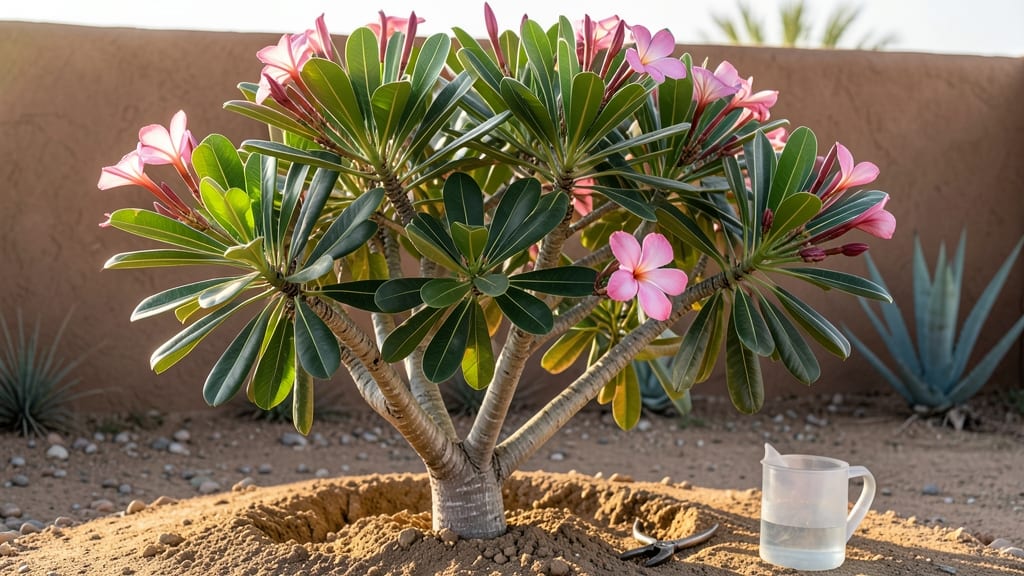
Growing plumeria trees in Arizona means embracing their desert roots—these fragrant beauties thrive where others wilt. 🌵 I’ve watched mine push through 110-degree summers with barely a complaint, their waxy leaves shedding heat like a pro. The key isn’t fighting the climate; it’s working with it.
You’ll need fast-draining soil (think cactus mix with perlite) and full sun exposure—no shade here, these trees crave it. Water deeply but infrequently: once a week in summer, less in winter. Mulch helps retain moisture without smothering roots, and a drought-tolerant fertilizer keeps them blooming like crazy.
By late spring, you’ll be rewarded with clusters of intoxicating blossoms that last for weeks. The scent alone makes it worth the effort—imagine that fragrance wafting through your patio in May and June.
Just watch for spider mites in dry spells and keep an eye out for root rot if you overwater.
Perfect for containers or in-ground planting, these trees adapt beautifully to Arizona’s extremes. With the right care, your plumeria will become the star of your desert landscape—blooming when most plants are struggling. Let’s get yours thriving!
📚 In This Guide
- What you need
- Instructions
- Tips and common mistakes
- Wrapping up and next steps
What you need
- ● Plumeria plant: 1 nursery-grown plumeria (dwarf or standard variety, like Plumeria rubra or Plumeria obtusa)
- ● OR 3–5 healthy plumeria cuttings (4–6 inches long, with at least 2–3 nodes)
- ● OR 10–20 plumeria seeds (if starting from scratch—germination takes patience!)
- ● Well-draining soil: 5–10 gallons of cactus/succulent mix (or amend native Arizona soil with 30–50% perlite/pumice)
- ● Container (if potted): 1–2 gallon pot with drainage holes (for young plants) or a 5+ gallon pot for mature plumeria
- ● Fertilizer: 1–2 bags of slow-release granular fertilizer (10-10-10 or 8-3-9 blend) or 1 bottle of liquid bloom booster (like 5-10-10)
- ● Mulch: 2–3 cubic feet of gravel or decomposed granite (to retain moisture and regulate soil temp)
- ● Pruning tools: 1 pair of bypass pruners (for clean cuts)
- ● 1 sterilized pruning saw (for thicker branches, if needed)
- ● Gloves: 1 pair of gardening gloves (to protect from thorns and sap)
- ● Trowel or shovel: 1 garden trowel (for transplanting) or 1 spade (for in-ground planting)
- ● Watering can or hose: With a gentle spray nozzle (to avoid damaging delicate blooms)
- ○ Optional (but helpful!): 1 rooting hormone (for cuttings)
- ● 1 moisture meter (to monitor soil dryness)
- ● 1 shade cloth (30–50% coverage for young plants during extreme heat)
- ● Location: A spot with full sun (6+ hours/day) and shelter from strong winds (plumeria blooms best in still air)
- ● Timing: Plant nursery plants spring or early fall (avoid Arizona’s scorching summer)
- ● Take cuttings in late spring (when new growth is firm but not woody)
- ● Water access: A drip irrigation system or hose for deep watering (plumeria hates soggy roots!)
Step-by-step instructions for planting plumeria trees in Arizona’s harsh climate
Here’s how to establish these fragrant desert survivors with minimal fuss.
🪴 Step 1: Choose the Right Location and Soil Mix
Plumeria thrives in full sun—at least 6-8 hours daily—so pick a spot with no afternoon shade where temperatures stay above 50°F. Arizona’s alkaline soil drains too fast, so amend it with 3 parts native soil, 1 part coconut coir, and 1 part perlite to improve moisture retention while preventing compaction.
Dig a hole twice as wide as the root ball but only as deep—plumeria roots hate being buried too deep. Loosen the sides of the hole with a shovel to encourage root spread. Here’s the thing—if your soil stays bone-dry for weeks, consider a raised bed with the same mix. Plumeria will forgive many sins, but drought stress won’t.
🌱 Step 2: Plant and Water Deeply for Initial Root Establishment
Remove the tree from its container and tease the roots gently if they’re circling. Place it in the hole so the top of the root ball sits 1 inch above soil level—plumeria roots need oxygen, and burying the trunk invites rot. Backfill with the amended mix, tamping lightly as you go to eliminate air pockets.
Water deeply immediately after planting—1-2 gallons per tree—to settle the soil and encourage roots to spread outward. You’ll see the soil sink slightly as it absorbs moisture. After that, wait 5-7 days before watering again. Overwatering now smothers roots; plumeria’s native habitat is dry, and it’s tougher than it looks.
☀️ Step 3: Protect from Heat Stress and Provide Seasonal Care
For the first 2 weeks, shade the tree from 10 AM–4 PM using 50% shade cloth to reduce transplant shock. Plumeria can handle Arizona’s heat, but sudden exposure to 110°F+ will scorch leaves. Once established, remove the shade cloth entirely—full sun is non-negotiable for blooms.
Fertilize only in spring with a low-nitrogen, high-phosphorus blend (like 5-10-10) to encourage flowers, not foliage. I use ½ cup per tree, worked into the top 2 inches of soil. Avoid summer feeding—plumeria goes semi-dormant in heat, and fertilizer burns roots. Watch for yellowing leaves after watering; that’s a sign of overwatering or poor drainage.
✂️ Step 4: Prune for Shape and Encourage Blooms
Prune right after flowering (late spring) to shape the tree and remove dead branches. Cut back leggy growth by ⅓ to encourage bushier growth. Plumeria blooms on new wood, so avoid heavy pruning in fall—you’ll sacrifice next year’s flowers. Use sterilized pruners to prevent fungal spread; Arizona’s dry air is kind to cuts, but clean tools are non-negotiable.
Here’s where it gets fun—watch for buds forming at leaf nodes in late spring. These will become your fragrant blooms. If a branch stops blooming, it’s either too shady or underfed. Move it to sunnier ground and fertilize lightly in spring. Deadheading spent flowers isn’t necessary, but it keeps the tree looking tidy and redirects energy to new growth.
Tips & tricks for perfect plumeria tree establishment in Arizona
Common pitfalls—and how to sidestep every one—when planting these desert survivors.
Sun Exposure Secret: That 6-8 hours of full sun is non-negotiable, but here's what nobody tells you—plumeria actually thrives with the brutal Arizona midday heat. The key is avoiding afternoon shade, which creates temperature swings that stress the plant. I've seen trees in full sun with afternoon shade produce only half the blooms of those in unobstructed sun. Position yours where it gets morning sun and full afternoon exposure.
Soil Mix Strategy: The 3:1:1 native soil to coconut coir to perlite ratio is perfect, but here's the trick: pre-mix your amended soil in a wheelbarrow before digging. This ensures even distribution of the perlite, which prevents compaction. If your native soil is particularly sandy, add an extra 10% coconut coir—it helps retain just enough moisture without suffocating roots. Confession: I skipped this step for years and wondered why my plumeria always looked stressed.
Watering Wisdom: Those 1-2 gallons immediately after planting are critical, but the real secret is in the timing. Water in the early morning when temperatures are cooler—this prevents rapid evaporation and gives roots time to absorb moisture before the heat sets in. After that initial watering, the 5-7 day wait might feel cruel, but it forces roots to seek moisture deeper in the soil, creating a stronger root system that can handle Arizona's drought conditions.
Heat Protection Hack: The 2-week shade cloth period is essential, but here's my breakthrough moment: use a lightweight, breathable shade cloth rather than heavy fabric. I learned this the hard way after ruining three batches with condensation burns. The 50% shade cloth should let in dappled sunlight while keeping temperatures under 110°F. Once established, full sun is non-negotiable for blooms, but that transition should be gradual.
Pro Tips for Plumeria Tree Arizona
- Common pitfalls—and how to sidestep every one—when planting these desert survivors.
- Sun Exposure Secret: That 6-8 hours of full sun is non-negotiable, but here's what nobody tells you—plumeria actually thrives with the brutal Arizona midday heat.
- Soil Mix Strategy: The 3:1:1 native soil to coconut coir to perlite ratio is perfect, but here's the trick: pre-mix your amended soil in a wheelbarrow before digging.
Frequently asked questions
Got questions about growing plumeria trees in Arizona’s desert climate?
You’re not alone! Here are answers to the most common queries—from planting tips to troubleshooting—so you can nurture your fragrant desert beauty with confidence.
Can plumeria trees survive Arizona’s extreme heat and drought?
Plumerias thrive in Arizona’s full sun and heat, but they need well-draining soil to prevent root rot. Water deeply once a week during summer (less in winter) and mulch to retain moisture. Pro tip: Choose drought-resistant varieties like Plumeria rubra or Plumeria obtusa for better resilience.
When is the best time to plant a plumeria tree in Arizona?
Plant in late spring (April–May) after the last frost risk passes. This gives roots time to establish before summer’s peak heat. Avoid planting in monsoon season (July–August), as heavy rains can drown young roots. Bonus: Container-grown plumerias can be planted year-round if acclimated gradually.
How do I prune a plumeria tree in Arizona to encourage blooms?
Prune after flowering (late winter or early spring) to shape the tree and remove dead wood. Cut back leggy branches by ⅓ to ½ to promote bushier growth. Avoid heavy pruning in summer—focus on light trimming to maintain airflow and reduce stress. Warning: Sterilize pruners with rubbing alcohol to prevent fungal infections.
What pests or diseases should I watch for with plumeria trees in Arizona?
Arizona plumerias commonly face scale insects, mealybugs, and spider mites. Treat infestations with neem oil or insecticidal soap. Overwatering can lead to root rot, so ensure pots/containers have drainage holes. Preventative tip: Inspect leaves monthly and remove damaged foliage promptly.
Can I grow a plumeria tree in a container in Arizona’s climate?
Yes! Container growth is ideal for Arizona’s heat, as it gives you control over soil drainage and watering. Use a 5-gallon pot minimum with cactus/succulent mix. Move pots to partial shade during 110°F+ days to prevent leaf scorch. Pro move: Rotate containers weekly for even sun exposure.
Wrapping up and next steps
Growing a plumeria tree in Arizona is a rewarding way to bring tropical charm to your desert landscape—with the right care, it thrives in full sun and minimal fuss! 🌵✨ Whether you're pruning for shape, blooms, or health, remember that patience and consistency are key.
Start small, observe your tree’s needs, and soon you’ll enjoy fragrant, vibrant flowers year after year.
Ready to take the next step? Pick a sunny spot, gather your tools, and give your plumeria the love it deserves! 🌸 For extra tips, explore our pruning calendar for Arizona’s climate—happy gardening!