
Pruning
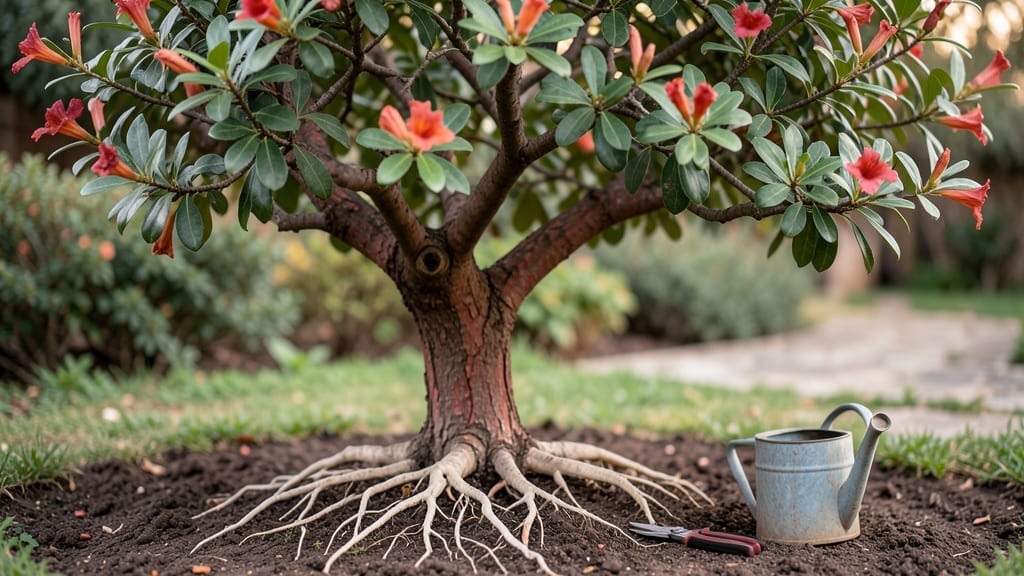
Understanding your pomegranate tree roots is the secret to a fruit-bearing giant that thrives for decades. I’ve watched my own pomegranate’s roots spread like a stubborn vine—until I learned how to work with their natural rhythm.
The key? Knowing when and how to prune them during dormancy to set the stage for next year’s harvest.
Most gardeners overlook roots entirely, but these underground powerhouses determine everything from fruit size to drought resistance. A well-timed dormant-season trim encourages deeper root growth while removing congested or damaged roots.
You’ll need basic pruning shears, a sharp spade for careful excavation, and a clear day when the soil is workable but not soggy.
What you’ll end up with is a tree that recovers faster from summer heat and produces larger, sweeter fruit. The roots will spread more efficiently, pulling nutrients from deeper soil layers while avoiding competition with nearby plants.
Think of it as giving your tree a stronger foundation before the growing season even begins.
This method works equally well for container-grown pomegranates or in-ground plantings, though container roots may need more frequent monitoring. The winter months are your best window—just avoid trimming when frost is forecasted. Let’s get those roots ready for spring’s big comeback.
📚 In This Guide
- What you need
- Instructions
- Tips and common mistakes
- Wrapping up and next steps
What you need
- ● Pruning shears or loppers: Sharp, bypass-style shears (for roots up to ½-inch thick) or loppers (for thicker roots). Quantity: 1 pair (ensure they’re sterilized with rubbing alcohol or bleach to prevent disease).
- ● Garden gloves: Heavy-duty, cut-resistant gloves (e.g., leather or reinforced nitrile) to protect your hands. Quantity: 1 pair.
- ● Shovel or root pruning spade: A sharp, narrow-bladed spade (8–12 inches wide) for clean cuts. Quantity: 1.
- ○ Hose with nozzle: For rinsing tools and roots post-pruning. Quantity: 1 (optional but helpful).
- ● Root stimulator or mycorrhizal fungi: A water-soluble root stimulator (e.g., Rootone) or mycorrhizal powder to promote regrowth. Quantity: As directed on packaging.
- ○ Mulch (optional but recommended): Organic mulch like wood chips or straw (2–3 inches thick) to retain moisture and protect roots. Quantity: Enough to cover the root zone.
- ● Root pruning saw: For thick, woody roots (½-inch or larger).
- ● Disinfectant spray: (e.g., 70% isopropyl alcohol) to sterilize tools between cuts.
- ● Garden twine or flags: To mark roots you’ve identified for future reference.
- ● Compost or fertilizer: Balanced, slow-release fertilizer (e.g., 10-10-10) to nourish the tree after pruning.
Step-by-Step guide for pruning pomegranate tree roots in dormancy
Winter is the perfect time to revitalize your pomegranate tree's root system for next year's bounty.
Prepare the Work Area for Root Inspection
Schedule this task on a dry, 40-60°F day when the ground is workable but not frozen. Clear away any mulch within a 3-foot radius around the tree's base—this exposes the root flare where the trunk meets the soil. The root flare should sit slightly above ground level; if buried, dig carefully to expose it without damaging roots.
Use a hand trowel to gently loosen soil along the outer edges of the root zone, creating a shallow trench about 6 inches deep. Avoid cutting into major roots—focus on loosening soil to assess their spread. This inspection reveals whether roots have become compacted or if waterlogging has occurred, which pomegranates hate.
Identify and Trim Problematic Roots
Look for suckers—thin, horizontal roots growing outward from the main trunk. These compete with the tree for nutrients and should be cut back to a 1-inch stub using sterilized pruning shears. Suckers are easy to spot: they're typically less than ½ inch thick and grow at soil level.
Next, locate girdling roots—roots that circle the trunk and constrict growth. These appear as raised ridges in the soil. Use your trowel to carefully sever these roots with a clean cut, ensuring you don’t nick the trunk itself. Girdling roots strangle the tree by blocking sap flow, so removing them now prevents future decline.
Aerate and Amend the Root Zone
Once problematic roots are addressed, use a root aerator or digging fork to create 1-inch diameter holes every 6 inches across the root zone. This improves drainage and encourages deeper root growth. If your soil is heavy clay, mix in 2 inches of compost into the loosened areas—pomegranates thrive in well-draining, slightly acidic soil.
Water the tree deeply after aerating to help settle the amendments and encourage root expansion. Aim for 1-2 gallons spread evenly over the root zone. Avoid overwatering; soggy soil can suffocate roots, especially in winter when they’re less active. You’ll know you’ve done enough when water drains within 10-15 minutes of application.
Re-mulch and Protect for Spring
Spread 2-3 inches of organic mulch—like shredded bark or wood chips—back over the root zone, keeping it 6 inches away from the trunk. This insulates roots from temperature swings while suppressing weeds. Mulch also slowly breaks down, adding nutrients to the soil as spring approaches.
Finish by watering lightly to settle the mulch. In colder climates, consider wrapping the trunk with burlap or using a tree guard to protect it from frost cracks. By spring, your pomegranate tree will reward you with stronger growth and more vibrant blooms.
Tips & tricks for pruning pomegranate tree roots
Winter root care might seem intimidating, but these insights will help you navigate the process with confidence—and ensure your pomegranate thrives for years to come.
Timing is Everything: That 40-60°F temperature window is critical because it balances workable soil with dormant root activity. If your winter stays colder, wait until soil thaws to at least 40°F—frozen ground makes inspection impossible and risks damaging roots. I've learned the hard way that rushing in cold soil can compact it further, making aeration ineffective.
The Root Flare Check: In Step 1, pay special attention to the root flare—the swollen area where roots meet the trunk. If it's buried, dig carefully to expose it without cutting roots. A buried flare restricts airflow and water penetration, which pomegranates absolutely despise. Think of it as the tree's "belly button"—it needs to breathe properly for optimal growth.
Precision Cutting for Problem Roots: When trimming suckers in Step 2, use sterilized pruning shears to make clean cuts at the 1-inch stub mark. Ragged cuts invite disease, and leaving stubs too long encourages regrowth. For girdling roots, sever them completely at the base—partial cuts can actually worsen the problem by creating multiple constriction points.
Watering Wisdom: The 10-15 minute drainage test after watering is your best friend. If water pools longer than 15 minutes, your aeration holes weren't deep enough. Pomegranates hate soggy roots—aim for soil that drains like a well-maintained golf course green. In clay-heavy soils, consider adding 2 inches of compost as instructed, but mix it thoroughly to prevent compaction.
Pro Tips for Pomegranate Tree Roots
- Winter root care might seem intimidating, but these insights will help you navigate the process with confidence—and ensure your pomegranate thrives for years to come.
- Timing is Everything: That 40-60°F temperature window is critical because it balances workable soil with dormant root activity.
- The Root Flare Check: In Step 1, pay special attention to the root flare—the swollen area where roots meet the trunk.
Frequently asked questions
Got questions about pomegranate tree roots and dormant-season trimming? You’re not alone! Here are some of the most common concerns—and their answers—to help you prune with confidence.
When is the best time to trim pomegranate tree roots?
The ideal window is late winter to early spring (before buds swell), when the tree is dormant but soil is workable. Avoid trimming in fall—new root growth won’t establish before winter. Pro tip: If you miss the dormant season, wait until late summer (but avoid heavy pruning then).
Can I trim pomegranate roots if the tree is already planted?
Yes, but proceed carefully! Only prune roots if they’re encroaching on structures, competing with other plants, or showing signs of disease. Use sharp, sterile tools and avoid cutting more than 10-15% of the root system at once. Water deeply afterward to reduce stress.
What if I accidentally cut too many roots?
Don’t panic! Over-pruning roots can stunt growth, but the tree may recover with proper care. Apply a balanced fertilizer (like 10-10-10) and mulch heavily to protect remaining roots. Monitor for wilting—if severe, consult a local arborist for root-stimulating treatments.
Should I trim roots differently for young vs. mature pomegranate trees?
For young trees (under 3 years), focus on shallow, fibrous roots spreading outward. For mature trees (3+ years), prioritize deeper taproots and any gnarled or circling roots. Always aim to open the soil slightly around the trunk for airflow.
Do I need special tools to trim pomegranate roots?
Basic tools suffice: a sharp bypass pruner (for smaller roots) and a mattox root saw (for thicker roots). Sterilize tools with rubbing alcohol to prevent disease spread. For stubborn roots, a digger’s fork can help lift soil gently—no power tools needed!
Wrapping up and next steps
Understanding how to care for your pomegranate tree roots during dormancy is the secret to a thriving, fruit-bearing tree! 🌱 With the right tools, timing, and techniques, you’ll set the stage for vibrant blooms and juicy harvests next season. Don’t wait—grab your pruners and get started!
Your next step? Mark your calendar for late winter or early spring—that’s when your pomegranate tree will reward you with new growth. Happy pruning! 🌿