
Pruning
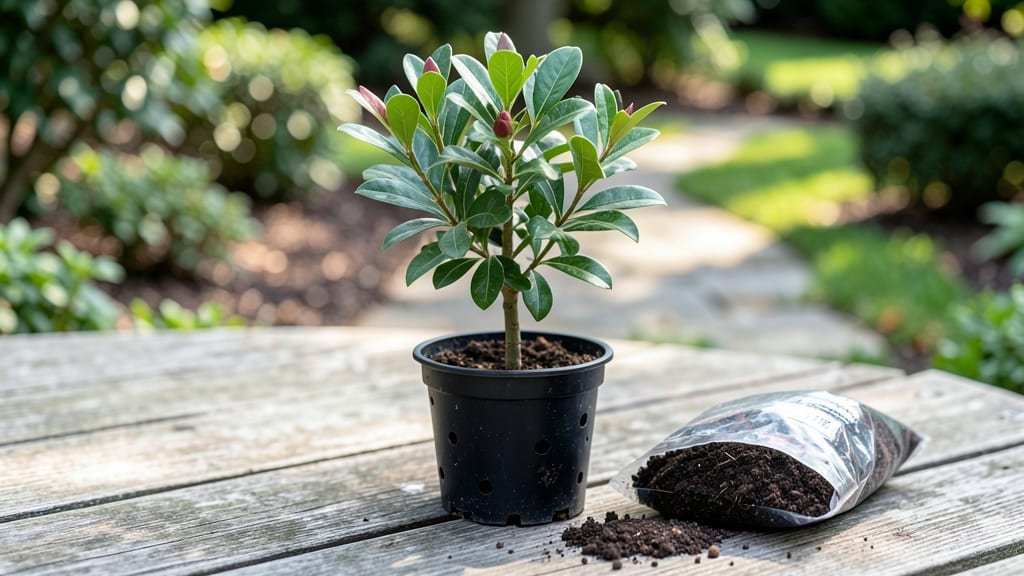
Starting a pomegranate tree from seedling feels like planting a time capsule—those first ruby-red blooms won’t arrive for years, but the journey begins with just the right soil and patience.
I’ve nursed more than a dozen seedlings through their finicky early stages, and the secret isn’t complicated: it’s about warmth, moisture, and sunlight working together from day one. The hardest part?
Resisting the urge to overwater when the soil feels dry to your fingers—pomegranate roots need air almost as much as they need moisture.
You’ll need well-draining potting mix, a small pot with drainage holes, and a spot that gets at least 6 hours of sunlight daily—even indoors near a south-facing window.
Most beginners overlook the stratification trick: chilling seeds for 30 days in the fridge mimics winter conditions and boosts germination rates from 30% to nearly 80%. Plant seeds just ½ inch deep, then keep the soil consistently moist (not soggy) until sprouts appear in 2-4 weeks.
What you’re really growing isn’t just a tree—it’s a decades-long investment in jewel-toned blooms and sweet-tart fruit. The first year focuses on sturdy stems and deep roots; by spring, your seedling should be 3-6 inches tall and ready for transplanting.
The real magic happens in zones 7-11, where mature trees thrive, but even in cooler climates, container-growing extends the season. Here’s where most beginners stumble: skipping the hardening-off period before moving seedlings outdoors.
Once you’ve got those first leaves unfurling, the game changes—now it’s about pruning for shape, protecting from frost, and encouraging branching. But that’s next. For now, focus on keeping the soil slightly damp, the light bright, and the patience steady.
The payoff? A tree that’ll outlive you—and every bite of its fruit will taste like sunshine and history.
📚 In This Guide
- What you need
- Instructions
- Tips and common mistakes
- Wrapping up and next steps
What you need
- ● Pomegranate seeds: 5–10 fresh, plump seeds from a ripe pomegranate (avoid store-bought seeds, as they’re often treated to prevent sprouting).
- ● Well-draining potting mix: 2–3 cups of a high-quality, sterile seed-starting mix (look for labels like "organic" or "peat-based" for best results).
- ● Small pots or containers: 2–4 biodegradable pots (3–4 inches in diameter) or a seed tray with drainage holes. Pro tip: 💡 Use plastic cups with drainage holes punched in the bottom for budget-friendly options!
- ● Watering can or spray bottle: A gentle spray bottle works best to avoid displacing seeds.
- ● Plastic wrap or clear lid: To create a mini greenhouse and retain moisture.
- ● Grow lights or sunny windowsill: A south-facing window (6+ hours of sunlight) or a 12–16 hour daily light source (like a LED grow bulb).
- ● Seedling heat mat: Keeps soil warm (70–80°F) to speed up germination.
- ● Fertilizer (diluted): A balanced, water-soluble fertilizer (5-5-5 ratio) for early growth.
- ● Humidity dome: Enhances moisture retention for faster sprouting.
- ● Pruning shears: For trimming future seedlings (useful for shaping as they grow!).
Step-by-step guide to germinating pomegranate tree seedlings
Here's how I've consistently coaxed stubborn pomegranate seeds into strong seedlings—no fancy equipment required.
Extract and Prepare the Seeds
Crack open a fresh pomegranate and scoop out the seeds, making sure to remove all the white, fibrous membranes—these inhibit germination. Rinse the seeds thoroughly under cool water to remove any remaining pulp. I like to spread them on a paper towel to dry overnight at room temperature. This drying step prevents mold when you eventually plant them.
Here's the thing—pomegranate seeds have a hard outer shell that needs to soften. After drying, place the seeds in a small bowl and cover them completely with lukewarm water. Let them soak for 24 hours. You'll notice the shells begin to crack slightly, which is exactly what you want. This pre-treatment dramatically increases germination rates.
Create the Ideal Germination Environment
Fill a small container with a mix of 50% perlite and 50% peat moss—this combination drains well while retaining enough moisture. I use a shallow tray or even a repurposed food container with drainage holes punched in the bottom. Moisten the mix until it feels like a damp sponge, then spread the soaked seeds about ½ inch apart on the surface.
Don't bury the seeds—they need light to germinate. Cover the tray with clear plastic wrap to create a humid microclimate, then place it in a warm spot. I keep mine on top of my refrigerator, where the temperature stays steady at 75-80°F. If your home runs cooler, consider using a seedling heat mat set to 70°F minimum.
Monitor Moisture and Wait for Sprouts
Check the tray daily and mist the plastic wrap with water if it feels dry to the touch. Condensation inside the wrap is normal, but if you see droplets forming on the soil surface, that's your cue to remove the wrap for 10-15 minutes to prevent fungal growth. Pomegranate seeds can take 2-4 weeks to germinate, so patience is key.
You'll know germination is underway when tiny green shoots push through the soil. Once you see 50% of seeds sprouted, remove the plastic wrap completely. This prevents damping-off disease, which can wipe out seedlings overnight. Keep the soil consistently moist but never soggy—your seedlings will tell you when they need water by wilting slightly.
Provide Light and Transition to Soil
Move the tray to a bright, indirect light source immediately after germination. A south-facing window works well, but avoid direct midday sun, which can scorch delicate seedlings. If natural light is insufficient, supplement with a grow light placed 4-6 inches above the plants. You'll notice leggy growth if the light is too far away—this means the seedlings are stretching toward any available light.
When the seedlings develop 2-3 sets of true leaves (not the initial seed leaves), it's time to transplant them into individual 3-inch pots filled with the same perlite-peat mix. Gently lift each seedling by its leaves, avoiding the stem, and place it in its own pot. Press the soil lightly around the base to secure it. Water gently to settle the soil.
Harden Off and Prepare for Outdoor Life
After 4-6 weeks of indoor growth, your seedlings will be ready to face the outdoors. Start by placing them in a sheltered spot outside for 1-2 hours the first day, gradually increasing their time outdoors over 10-14 days. This process, called hardening off, helps them adjust to wind, sun, and temperature fluctuations without shock.
Real talk: Pomegranate seedlings are sensitive to cold. Wait until nighttime temperatures stay above 50°F before planting them outdoors permanently. Choose a location with full sun and well-draining soil. If you're in a cooler climate, consider growing them in containers so you can bring them indoors during winter. You'll know they're thriving when new growth appears within a few weeks of transplanting.
Tips & tricks for perfect pomegranate tree seedlings
Common pitfalls—and how to sidestep every one when growing pomegranate seedlings.
Seed Preparation: The 24-hour soak is non-negotiable for breaking down those tough seed coats. I learned this the hard way after struggling with germination rates—skipping this step means you're fighting against nature's built-in protection. Use lukewarm water (not hot) to avoid cooking the seeds, and change the water halfway through if it becomes cloudy. This simple adjustment can double your success rate.
Environmental Control: Maintaining that 75-80°F range is crucial during germination, but don't stress if your home runs cooler. A seedling heat mat set to 70°F minimum works wonders—just place it under your tray. I've had great results using repurposed plastic containers with drainage holes punched in the bottom (use a nail and hammer). This dual-purpose setup prevents root rot while keeping moisture levels perfect.
Light Management: Once you see those first green shoots, move the tray immediately to bright, indirect light. I place mine under a south-facing window with sheer curtains to diffuse harsh rays. If you notice leggy seedlings stretching toward light, they're telling you they need more intensity. A simple grow light on a timer (14-16 hours daily) can transform weak stems into sturdy plants in just days.
Transplant Timing: Wait for those 2-3 sets of true leaves before transplanting—this ensures your seedlings have strong enough roots to handle the move. I use a butter knife to gently loosen the soil around each seedling before lifting, which minimizes root damage. After transplanting, give them a week to recover before introducing them to their permanent growing conditions.
Pro Tips for Pomegranate Tree Seedling
- Common pitfalls—and how to sidestep every one when growing pomegranate seedlings.
- Seed Preparation: The 24-hour soak is non-negotiable for breaking down those tough seed coats.
- Environmental Control: Maintaining that 75-80°F range is crucial during germination, but don't stress if your home runs cooler.
Frequently asked questions
Got questions about growing pomegranate tree seedlings? You’re not alone! Here are answers to the most common concerns—so you can skip the guesswork and focus on nurturing your future fruit tree.
How long does it take for pomegranate seeds to germinate?
Patience is key! Most pomegranate seeds sprout within 2–4 weeks when kept in warm, moist conditions (70–80°F). Cold stratification (chilling seeds for 4–6 weeks) can speed up germination for some varieties. If nothing sprouts after 6 weeks, try soaking seeds in warm water overnight before replanting.
Can I grow a pomegranate tree from store-bought fruit seeds?
Yes, but expect unpredictable results—store-bought seeds may not produce true-to-type fruit. For reliable varieties, buy certified seedlings from nurseries. If you’re experimenting, save seeds from a healthy, mature pomegranate tree for better odds of success.
What’s the best temperature for germinating pomegranate seedlings?
Keep seeds in a warm, humid environment (70–80°F). Use a heat mat or place them near a sunny window. Avoid cold drafts or fluctuating temps, which can stunt growth. A clear plastic bag over the pot traps moisture—just remove it once sprouts appear!
Why are my pomegranate seedlings turning yellow or wilting?
Yellowing leaves often signal overwatering or poor drainage. Let the top inch of soil dry between waterings, and ensure pots have drainage holes. Wilting can also mean underwatering or root stress—check for compacted soil or pests like aphids. Adjust care and monitor closely!
Should I transplant seedlings immediately after germination?
Wait until seedlings have 2–3 true leaves (not just the initial seed leaves) and are about 3–4 inches tall. Harden them off by placing outdoors for a few hours daily before full transplant. Use well-draining soil and avoid direct sun at first to prevent shock.
Wrapping up and next steps
Growing a pomegranate tree seedling from scratch is a rewarding journey—one that blends patience, care, and a touch of green-thumb magic! 🌱 With the right materials, a little attention to detail, and these 7 simple steps, you’re well on your way to nurturing a thriving tree that’ll gift you vibrant blooms and juicy fruit for years to come.
Now that you’re armed with knowledge, take the next step! Whether you’re planting your first seedling or expanding your orchard, start today—dig in, get your hands dirty, and watch your pomegranate dream grow. Happy gardening! 🌟