
Pruning
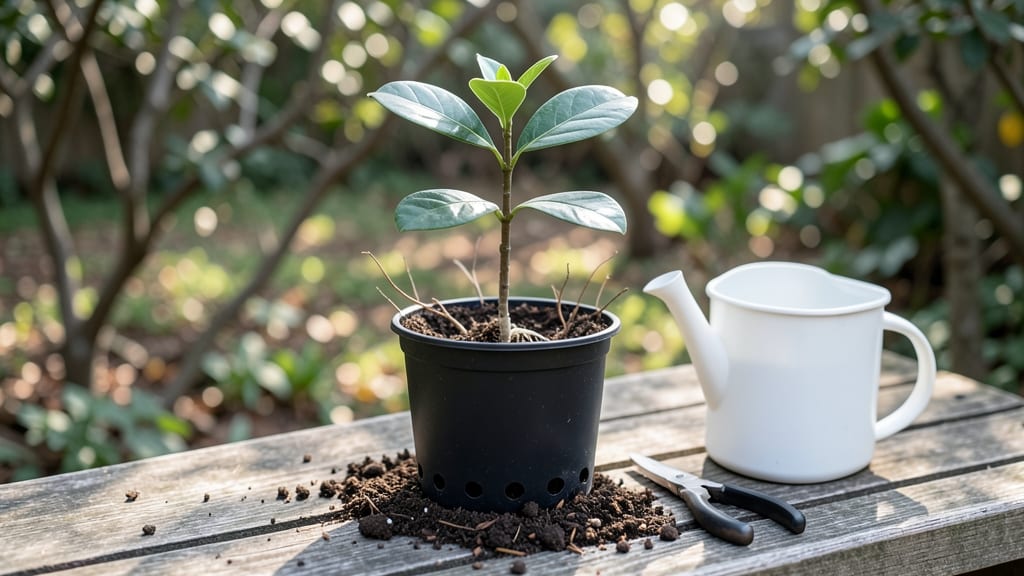
Growing a lychee tree from seedling feels like unlocking a tropical treasure—especially when you use cold stratification to break dormancy. 🌱 I’ve struggled with stubborn lychee seeds that refused to sprout until I learned this trick: chilling them mimics natural winter conditions, tricking the seed into thinking spring has arrived.
The payoff? Tiny green shoots breaking through soil within weeks instead of months.
You’ll need just a few supplies: damp paper towels, a sealed bag, and a fridge for the stratification step. Once sprouted, lychee seedlings crave warmth (70–85°F) and bright, indirect light—think sunny windowsills or grow lights.
Overwatering is the #1 killer, so let the top inch of soil dry between waterings. Patience is key here; these tropical babies grow slowly at first but reward you with glossy, deep-green leaves.
By summer, your seedling will be ready for transplanting into a pot with well-draining soil. Picture this: a 12-inch-tall sapling with delicate, feathery foliage that smells faintly of citrus. The real magic happens when you move it outdoors—if you’re in zones 10–12—or keep it as a houseplant in cooler climates.
Just avoid drafts and sudden temperature swings, or those leaves will pucker like a disappointed grandma.
Here’s the secret sauce: lychee trees thrive on neglect once established. They’re drought-tolerant, pest-resistant, and—if you’re lucky—will eventually produce fragrant white flowers and those coveted spiky fruits.
The journey from seed to tree takes years, but every leaf unfurling feels like a victory lap. Ready to start your own tropical oasis?
📚 In This Guide
- What you need
- Instructions
- Tips and common mistakes
- Wrapping up and next steps
What you need
- ● Lychee seeds: 3–5 fresh, plump seeds (harvested from ripe, organic lychees for best results). Pro tip: 💡 Save seeds from organic lychees to avoid chemically treated ones!
- ● Cold stratification setup: Small paper towel or dampened coffee filter
- ● Ziploc bag or airtight container
- ● Refrigerator (set to 34–40°F (1–4°C))
- ● Germination container: Small pots (3–4 inches wide) with drainage holes or a seed tray with a clear lid (to retain humidity).
- ○ Well-draining potting mix: 1 part perlite or sand + 2 parts peat moss or coconut coir (sterilized to prevent mold). Optional: Add a handful of worm castings for extra nutrients!
- ● Spray bottle: For gentle watering (avoid soaking the seeds).
- ● Humidity dome or plastic wrap: To create a greenhouse effect during germination.
- ○ Gloves: Optional but helpful for handling seeds and soil.
- ● Small hand trowel: For transplanting seedlings.
- ○ pH testing kit: Optional—lychees prefer slightly acidic soil (pH 5.5–6.5).
- ● Grow lights or sunny windowsill: Seedlings need 12–16 hours of light daily.
- ● Fertilizer (balanced 10-10-10 or citrus-specific): Diluted to half-strength once seedlings sprout 2–3 true leaves.
Step-by-step guide to germinating lychee tree seedlings
Cold stratification unlocks lychee seeds—here’s how to break dormancy and coax sprouts.
🌱 Step 1: Prepare the Seeds for Stratification
Start by selecting fresh, plump lychee seeds—dried or shriveled ones won’t germinate. Remove the seeds from their pulp, rinse them thoroughly under lukewarm water, and let them air-dry for 24 hours. This prevents mold during stratification. Place them in a resealable plastic bag with a damp paper towel (just moist enough to feel slightly damp, not soaking). Seal the bag and refrigerate for 6-8 weeks at 35-40°F.
Check the bag weekly—if condensation forms, open it briefly to air out. The seeds need consistent moisture but no standing water. Real talk: this is where many give up. Don’t. Patience here pays off with stronger seedlings later. After 6-8 weeks, remove the seeds and let them dry again for 24 hours before sowing.
💧 Step 2: Sow the Stratified Seeds
Fill a 4-inch deep pot with a well-draining mix of 50% potting soil and 50% perlite (this prevents rot). Plant 2-3 seeds per pot, burying them ½ inch deep—lychee seeds need darkness to germinate. Gently press the soil around them but don’t compact it. Place the pot in a warm, shaded spot (around 75-80°F) and keep the soil consistently moist (not soggy).
Use a spray bottle to water—avoid soaking the topsoil. Cover the pot loosely with plastic wrap to retain humidity, but remove it daily for 10 minutes to prevent fungal growth. Germination can take 4-12 weeks, so don’t rush it. You’ll know it’s working when the first tiny sprouts push through the soil—usually 2-3 inches tall before they stretch toward light.
☀️ Step 3: Transition to Light and Care for Seedlings
Once the seedlings reach 3-4 inches tall, uncover them completely and move them to bright, indirect light (no direct sun yet—they’re still delicate). Gradually introduce 4-6 hours of morning sun over 2 weeks to harden them. Lychee seedlings love warmth, so aim to keep the air temperature above 65°F during the day and 55°F at night.
Water when the top inch of soil feels dry, but avoid wetting the leaves to prevent disease. Fertilize lightly with a balanced 10-10-10 liquid fertilizer (diluted to half-strength) 4 weeks after germination. You’ll notice new leaves emerging—these are your first true leaves, signaling the seedling is establishing roots. This is the moment that matters: strong roots now mean a healthier tree later.
⏰ Step 4: Prune and Pot Up for Growth
When the seedlings have 4-6 true leaves (usually 3-4 months old), it’s time to prune and repot. Use clean, sharp scissors to trim the longest stem just above a leaf node—this encourages bushier growth. Choose a 6-inch pot with drainage holes and fill it with the same soil-perlite mix. Gently remove the seedling, loosen its roots, and transplant it 1 inch deeper than before.
After repotting, place the seedling in partial shade for 1 week to reduce stress. Resume watering when the soil dries out, and resume fertilizing every 4 weeks with the diluted 10-10-10 mix. Watch for new growth—lychee seedlings grow slowly but steadily. If you see yellowing leaves, it’s usually a sign of overwatering. Adjust your watering routine until the soil stays evenly moist but not waterlogged.
Tips & tricks for perfect lychee tree seedling germination
Don't let impatience ruin your lychee tree dreams—these insider tricks will help you navigate the tricky germination process like a pro.
Stratification Success: The 6-8 week cold treatment at 35-40°F mimics winter conditions that trigger germination. I've found that using a small refrigerator drawer with a thermometer ensures consistent temperatures—some fridges have hot spots that can ruin your seeds. Place a small dish of water near the bag to maintain humidity without over-saturating the paper towel. This balance is everything.
Seed Selection Matters: Don't settle for just any lychee seeds—look for ones that are plump, firm, and free of cracks. I learned this the hard way after trying to germinate dried seeds that had been sitting in my pantry for months. Fresh seeds from a ripe lychee fruit have the highest germination rates. If you're using store-bought seeds, check the packaging date—older seeds often fail to sprout.
Sowing Technique: When planting your stratified seeds, make sure the soil-perlite mix is just barely moist—not wet. I've had better success using a small spoon to create planting holes rather than pressing seeds directly into the soil. This prevents them from being buried too deeply or unevenly. After covering them with soil, gently press down with your fingers to ensure good soil contact, which is crucial for moisture absorption.
Light Transition Strategy: The gradual introduction of light in Step 3 is where many seedlings fail. Start with just 1-2 hours of morning sun on the first day, then increase by 30 minutes daily. I've seen seedlings get sunburned when moved too quickly to full sun. Use sheer curtains or shade cloth if your morning sun is intense—this prevents leaf scorch while still providing the light they need to grow strong.
Pro Tips for Lychee Tree Seedling
- Don't let impatience ruin your lychee tree dreams—these insider tricks will help you navigate the tricky germination process like a pro.
- Stratification Success: The 6-8 week cold treatment at 35-40°F mimics winter conditions that trigger germination.
- Seed Selection Matters: Don't settle for just any lychee seeds—look for ones that are plump, firm, and free of cracks.
Frequently asked questions
Got questions about growing your lychee tree seedling? You’re not alone! Here are some of the most common concerns—and their straightforward solutions.
How long does it take for a lychee seedling to sprout after cold stratification?
With proper cold stratification (4–6 weeks in the fridge), expect tiny sprouts in 2–4 weeks after planting. Patience is key—some seeds take longer, especially if they’re older. Keep the soil moist (not soggy) and warm (70–80°F) to speed things up.
Can I skip cold stratification for lychee seeds?
While possible, cold stratification mimics nature’s winter dormancy and dramatically boosts germination rates (from ~10% to 70%+). If you skip it, soak seeds in warm water for 24 hours first, then plant in a warm, humid environment. Results may still be hit-or-miss, though!
What’s the best soil mix for lychee seedlings?
Use a light, well-draining mix like 50% peat moss, 30% perlite, and 20% sand. Lychee roots hate waterlogged soil—add a handful of coconut coir for moisture retention without sogginess. A small pot (3–4 inches) with drainage holes works best for starters.
Why are my lychee seedlings turning yellow or wilting?
Yellowing leaves often signal overwatering or poor drainage. Let the top inch of soil dry out between waterings. Wilting? Check for root rot (smelly, mushy roots) or pests like fungus gnats. Adjust care: less water, more airflow, and consider a fungicide if needed.
When can I transplant my lychee seedling outdoors?
Wait until spring’s last frost (lychees hate cold!) and the soil is warm (60°F+). Harden off seedlings gradually (1–2 weeks) by moving them outside for a few hours daily. Choose a spot with full sun (6+ hours) and acidic soil (pH 5.5–6.5).
Wrapping up and next steps
Growing a lychee tree seedling from scratch is a rewarding journey that blends patience with a touch of tropical magic! 🌱 With the right cold stratification tricks and a few key supplies, you’re well on your way to nurturing a thriving plant.
Remember, consistency in moisture, warmth, and care is your secret weapon—so stay engaged and trust the process.
Now that you’re armed with knowledge, it’s time to take action! Start by gathering your materials, follow the steps with confidence, and soon you’ll be watching those first leaves unfurl. Happy planting—your future lychee tree awaits! 🌿✨