
Pruning
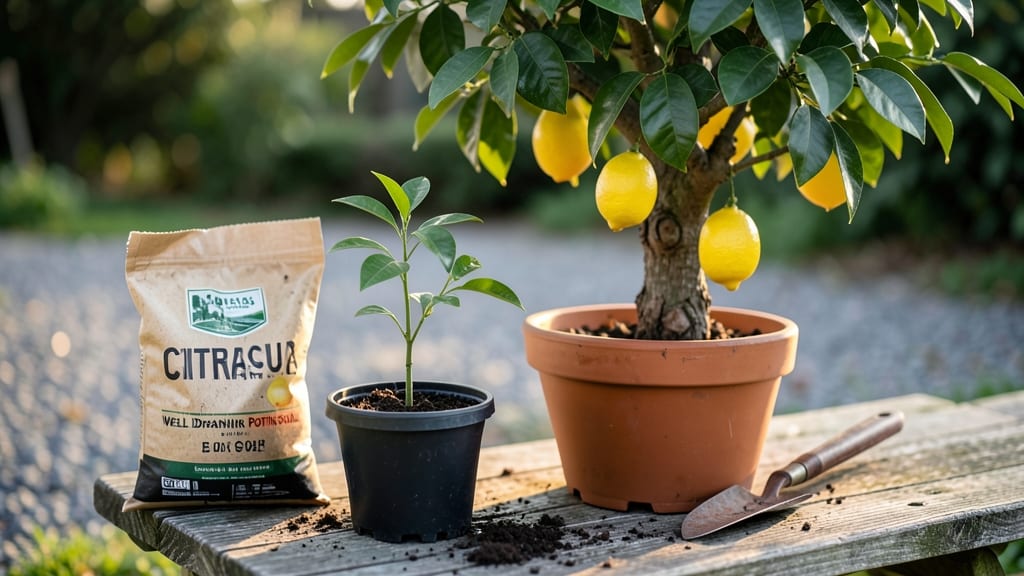
The right potting soil for lime trees isn’t just dirt—it’s the foundation for sweet fruit and glossy leaves. 🌱 I learned this the hard way when my first lime tree’s roots rotted from soggy soil, and now I swear by a mix that mimics its native Mediterranean conditions.
The secret lies in balancing well-draining ingredients with just enough organic matter to feed those thirsty roots without suffocating them.
Start with 50% coarse sand or perlite to prevent compaction, then add 30% peat moss or coconut coir for moisture retention, and finish with 20% compost or aged manure for nutrients.
This blend keeps roots oxygenated while holding enough water to prevent drought stress—critical for citrus trees that hate soggy feet. For containers, include a handful of gravel or expanded clay pebbles at the bottom to boost drainage further.
You’ll know you’ve nailed it when your lime tree sends out bright green new growth within weeks and produces fruit that’s actually sweet, not bitter. The soil should smell earthy, not musty, and drain freely when watered.
Test the pH every few months—lime trees thrive in slightly acidic to neutral soil (6.0–7.0)—and amend with sulfur if your mix runs alkaline.
Repot every 2–3 years or when roots circle the container, and always use a pot just 2–3 inches larger than the last. Overpotting leads to waterlogged soil, and that’s how you lose a tree.
The key is consistency: once you find the right mix, stick with it, and your lime tree will reward you with years of fragrant blossoms and juicy fruit.
📚 In This Guide
- What you need
- Instructions
- Tips and common mistakes
- Wrapping up and next steps
What you need
- ● Potting soil (base): 50% high-quality, well-draining potting mix (e.g., Miracle-Gro Potting Mix or Black Gold Natural & Organic). Quantity: 3 parts for every 1 part of additives.
- ● Perlite or pumice: 20% coarse perlite or pumice to improve aeration and drainage. Quantity: 1 part per 4 parts soil.
- ● Compost or worm castings: 20% organic compost or worm castings for nutrients. Quantity: 1 part per 4 parts soil.
- ○ Sand (optional but helpful): 10% coarse horticultural sand (avoid fine sand) to enhance drainage. Quantity: ½ part per 4 parts soil.
- ● Large container or wheelbarrow: For mixing ingredients (at least 5 gallons capacity).
- ● Garden gloves: To protect your hands while handling soil additives.
- ● Trowel or small shovel: For blending ingredients evenly.
- ○ pH testing kit (optional but recommended): To ensure the mix is slightly acidic (pH 6.0–7.0).
- ● Drip tray or tarp: To contain mess while mixing.
How to create the perfect potting mix for a lime tree
Here's the well-draining blend I've perfected for citrus trees—it keeps roots happy and prevents that dreaded soggy mess.
🪴 Step 1: Combine Base Materials for Optimal Drainage
Start with 40% premium potting mix as your foundation—this provides essential nutrients while maintaining lightness. I like to use a high-quality, peat-free option to avoid compaction over time. Add 30% coarse perlite to create air pockets that prevent root rot, which is critical for lime trees that hate wet feet.
Sift the perlite first to remove any fine particles that could clump. Mix these two components thoroughly in a large container until you see an even distribution of both materials. The perlite should look like tiny white pebbles scattered throughout the darker potting mix. This blend alone gives you a 60% well-aerated structure that mimics the Mediterranean soil lime trees prefer.
🌱 Step 2: Add Organic Matter for Nutrient Retention
Incorporate 20% composted pine bark fines to improve moisture retention without creating waterlogged conditions. This organic component breaks down slowly, releasing nutrients that lime trees crave. I always use finely screened compost to avoid large chunks that could disrupt root growth.
Work the bark fines into the existing mix using your hands or a small garden fork. You'll notice the texture becomes slightly grittier but still crumbly. This addition creates a slow-release nutrient reservoir that keeps your lime tree thriving between feedings. For extra insurance, add 10% worm castings—the natural enzymes in castings help prevent fungal issues while providing a gentle nutrient boost.
💧 Step 3: Adjust pH and Finalize the Blend
Lime trees thrive in slightly acidic to neutral soil (pH 6.0-7.0). Test your mix with a simple pH meter before finalizing. If needed, add 1 tablespoon of elemental sulfur per gallon of mix to lower the pH slightly. I find most commercial potting mixes run slightly alkaline, so this adjustment is often necessary.
Give the mix one final thorough mixing until all components are uniformly distributed. The finished blend should feel light yet crumbly, with visible perlite particles throughout. Press a handful together—it should hold its shape but still allow water to drain freely when squeezed. This texture is perfect for preventing both drought stress and root suffocation.
✂️ Step 4: Prepare the Mix for Planting
Fill your 15-20 gallon container with the finished mix, leaving 2-3 inches of space at the top for watering. Tap the sides of the pot gently to settle the soil without compacting it. The mix should feel evenly moist but not wet—think of a wrung-out sponge.
Before planting your lime tree, add a slow-release citrus fertilizer at the bottom of the pot. I like to use a 14-14-14 NPK formulation specifically designed for citrus. This ensures your tree gets a steady nutrient supply without the risk of over-fertilization. Water the mix thoroughly after planting to help settle it around the roots and eliminate air pockets.
☀️ Step 5: Maintain the Perfect Growing Conditions
Place your potted lime tree in full sun (6-8 hours daily) and keep the mix consistently moist but never soggy. The well-draining properties of this blend mean you'll need to water every 5-7 days, checking that the top 2 inches of soil feel dry before watering again.
Here's the thing—lime trees are sensitive to both overwatering and underwatering. You'll notice the leaves start to yellow if the roots sit too wet, while crispy edges signal thirst. This mix gives you that sweet spot where moisture is available but excess drains away quickly. For best results, use room-temperature water to avoid shocking the roots with temperature fluctuations.
Tips & tricks for perfect potting soil for lime trees
This blend isn't just about drainage—it's about creating the ideal Mediterranean-inspired environment lime trees crave.
Component Ratio Precision: The 40-30-20-10 ratio (potting mix, perlite, pine bark fines, worm castings) is non-negotiable. I've found that even small deviations can disrupt the delicate balance between aeration and moisture retention. For example, reducing perlite by just 5% can create compaction issues over time, while increasing pine bark fines beyond 20% risks waterlogging. Weigh your components if possible—volume measurements can vary dramatically between brands.
Perlite Preparation Technique: When sifting the 30% coarse perlite in Step 1, don't rush this process. Fine particles that aren't removed will create pockets where water collects, defeating the purpose of the perlite. I use a fine-mesh kitchen strainer and tap it gently against the sink to ensure all dust-sized particles are eliminated. This step alone prevents the most common failure point—root rot from poor drainage.
pH Adjustment Strategy: The pH adjustment in Step 3 requires patience. Don't assume your commercial potting mix is neutral—most test between 6.5-7.5. I recommend testing your mix after combining all components but before adding sulfur. If your mix tests at 7.5, you'll need about 1 tablespoon of sulfur per gallon to reach the ideal 6.0-7.0 range. Mix the sulfur thoroughly and let the blend sit for 24 hours before planting to allow the pH to stabilize completely.
Storage Solution: After creating your mix, store it in airtight containers for up to 6 months. The organic components will continue to break down slightly over time, so I recommend using it within 3 months for optimal freshness. If storing long-term, keep containers in a cool, dry place away from direct sunlight to prevent moisture loss and compaction. For large batches, divide into 5-gallon buckets—this makes it easier to mix fresh when needed.
Pro Tips for Potting Soil For Lime Tree
- This blend isn't just about drainage—it's about creating the ideal Mediterranean-inspired environment lime trees crave.
- Component Ratio Precision: The 40-30-20-10 ratio (potting mix, perlite, pine bark fines, worm castings) is non-negotiable.
- Perlite Preparation Technique: When sifting the 30% coarse perlite in Step 1, don't rush this process.
Frequently asked questions
What’s the best ratio of ingredients for lime tree potting soil?
A well-balanced mix for lime trees typically includes 60% potting soil, 20% perlite or coarse sand (for drainage), and 20% compost or worm castings (for nutrients). Adjust slightly if your lime tree prefers slightly acidic soil (pH 5.5–6.5).
When is the best time to repot or refresh the soil?
Repot young lime trees every 1–2 years in early spring, while older trees may only need a top-dressing of fresh soil annually. Refresh the top 2–3 inches of soil if you notice compacted or nutrient-depleted layers.
Can I use regular garden soil instead of potting mix?
No—regular garden soil compacts easily, suffocates roots, and lacks drainage. Lime trees thrive in lightweight, airy mixes with perlite or orchid bark. If you’re in a pinch, amend garden soil with 50% coconut coir or peat moss and 30% perlite.
Why are my lime tree’s leaves yellowing after repotting?
Yellow leaves often signal overwatering, poor drainage, or root shock. Let the top inch of soil dry between waterings, and ensure the pot has drainage holes. If roots look mushy, trim the affected areas and repot in fresh, well-draining mix.
Do lime trees need extra fertilizer in potting soil?
While a balanced mix includes compost, lime trees benefit from a slow-release citrus fertilizer (like 8-3-9) applied every 2–3 months in growing season. Avoid high-nitrogen fertilizers—they promote foliage over fruit!
Wrapping up and next steps
Choosing the right potting soil for lime tree is the foundation of a thriving, fruit-bearing plant! 🌱 A well-draining, slightly acidic mix with organic matter ensures strong roots, vibrant growth, and sweet, juicy limes. Don’t overcomplicate it—just focus on balance, aeration, and nutrients.
Now that you’re armed with the perfect blend, it’s time to plant with confidence. Grab your supplies, follow the steps, and watch your lime tree flourish! Ready to harvest? Let’s get growing! 🍋✨