
Trees
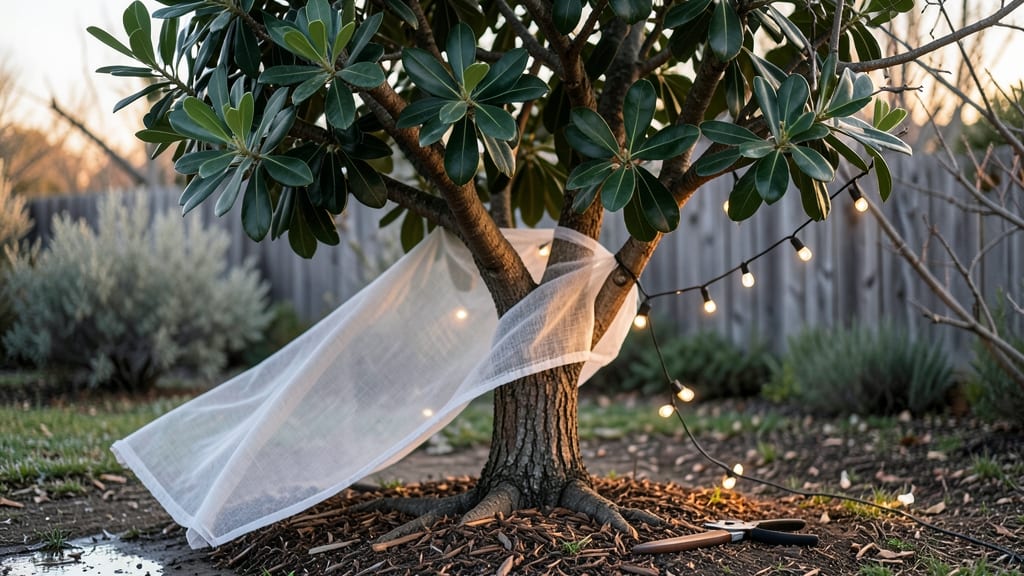
Protecting avocado trees from frost requires quick action—and the right moves can save your tree from irreversible damage. 🌿 I’ve watched frost turn vibrant green leaves to brown mush in just a few hours, but these emergency heat shield techniques have saved my trees time and again.
The key is acting fast with what you have: blankets, lights, or even old sheets can make the difference between a recovered tree and a sad stump.
You don’t need fancy equipment to pull this off. Grab plastic sheeting, frost cloth, or even cardboard boxes to wrap around the trunk and lower branches. Add string lights or space heaters (safely!) for extra warmth, and water the roots lightly before nightfall to release heat as it freezes.
The goal is to create a microclimate that stays just above freezing—no fancy science, just smart layering.
What you’ll end up with is a tree that wakes up from frost looking shocked but alive, not a sad, brittle skeleton. Prune back any blackened branches in spring, and you’ll see fresh growth within weeks.
The best part? These same techniques work for citrus, mangoes, and other tender trees. Let’s turn that frost scare into a survival story.
For long-term peace of mind, consider planting near a south-facing wall or choosing frost-tolerant varieties like ‘Hass’ or ‘Fuerte.’ But when the cold front hits? Act fast, and your avocado tree stands a real chance. Here’s exactly how to do it right.
📚 In This Guide
- What you need
- Instructions
- Tips and common mistakes
- Wrapping up and next steps
What you need
- ● Frost cloths or row covers: 1–2 per tree (choose 30–50g/m² weight for best insulation). Pro tip: Use white or silver for maximum heat retention!
- ● Burlap sacks or old blankets: 2–3 per tree (if frost cloths aren’t available). Pro tip: Avoid plastic—it traps cold moisture!
- ● Stakes or wooden dowels: 4–6 per tree (6–12 inches tall) to secure covers.
- ● Twine, zip ties, or clothespins: For fastening covers tightly.
- ● Watering can or hose: To dampen covers slightly (prevents freezing).
- ○ String lights or heat lamps (optional but helpful): Battery-operated LED lights (200–300 lumens) or safely placed heat lamps for extra warmth.
- ○ Thermometer (optional): To monitor temperatures near the tree.
- ● Black plastic sheeting: Lay on the ground under the tree to absorb sunlight and radiate heat upward.
- ● Cardboard or foam boards: Cut to size to create a windbreak around the trunk.
- ● PVC pipes or wooden frames: To elevate covers slightly for airflow.
- ● Mulch (straw, leaves, or pine needles): Spread a 2–3 inch layer around the base for insulation.
Emergency heat shield techniques for avocado trees
Here's how to shield your avocado trees when frost threatens—simple steps that save your harvest.
🌱 Step 1: Assess Frost Risk and Prepare Materials
Start by checking the weather forecast for the lowest temperature and expected duration. Avocado trees suffer damage below 32°F, with severe harm at 28°F or lower. Gather your supplies: clear plastic sheeting, sturdy stakes, rope or bungee cords, and mulch or straw. I like to have everything ready by 4 PM the day before frost—rushing in the dark leads to mistakes.
If you have frost cloth (breathable fabric rated for 20°F or lower), use it instead of plastic. Plastic traps too much heat and can scorch leaves, while frost cloth allows airflow. Test the fabric beforehand to ensure it covers the tree completely—most trees need 6-8 feet of height and 4-6 feet of width for full protection.
💧 Step 2: Water the Tree and Cover the Base
Water the tree deeply the night before frost hits—1-2 inches of water soaks into the soil and releases heat as it freezes. This is called "soil insulation," and it raises the root zone temperature by 3-5°F. Avoid watering on frost day; wet leaves freeze faster and can crack under ice weight.
Spread a 4-6 inch layer of mulch or straw around the base of the tree, extending out to the drip line. This insulates roots and prevents heat from escaping into the cold air. If you have black plastic sheeting, lay it over the mulch to reflect heat back up—this adds another 2°F of protection. Secure the edges with bricks or rocks so wind doesn’t lift it.
☀️ Step 3: Build the Heat Shield Structure
Insert 4-6 stakes around the tree, spaced evenly and hammered 6-8 inches deep into the soil. These should be taller than your tree by 1-2 feet to create a tent-like frame. Use rope or bungee cords to loosely tie the clear plastic sheeting over the stakes, leaving the bottom open. The goal is to trap heat without suffocating the tree—think of it like a greenhouse, but with airflow.
If your tree is small (under 10 feet tall), you can also drape the plastic directly over the branches, securing it with additional stakes or weights. For larger trees, create a pyramid shape with the plastic to allow heat to rise and escape slightly. Avoid sealing the bottom completely—condensation will drip onto leaves, causing cold spots that damage foliage.
⏰ Step 4: Monitor and Adjust During Frost
Check the tree every 2 hours overnight, especially if temperatures drop below 30°F. If the plastic fogs up, lift one corner to release excess moisture—condensation lowers temperatures inside the shield. If wind threatens to tear the structure, reinforce it with additional stakes or tie-downs. I’ve seen frost cloth rip in 20 mph winds, so securing it tightly is critical.
If the forecast predicts a hard freeze (below 28°F), consider adding a space heater or string lights inside the shield for extra warmth. Place them 1-2 feet away from the tree to avoid direct heat damage. Remove heat sources by 9 AM once temperatures rise—leaving them on can overheat the tree as it warms up.
✂️ Step 5: Remove Protection and Inspect Damage
Wait until the sun is fully up and temperatures are above 40°F before removing the shield. Rush this step, and you’ll shock the tree by exposing it to sudden warmth. Gently fold back the plastic or cloth, starting from the top, to avoid tearing leaves. If any branches are damaged (blackened or brittle), prune them back to healthy wood with clean, sharp shears—this prevents disease from entering through damaged tissue.
Water the tree again after removing the shield, focusing on the root zone. Avocado trees recover surprisingly well from frost damage, but they need consistent moisture to regenerate leaves. Watch for new growth in 2-4 weeks—if you see fresh green leaves emerging, your tree is on the mend. If the trunk shows cracks or oozing sap, the damage is severe, and the tree may not survive.
Tips & tricks for protecting avocado trees from frost
Real talk: Avocado trees are tropical divas—they don't handle cold well. Here's what I've learned after watching my first tree suffer through a surprise frost.
Frost Risk Assessment: Pay close attention to the weather forecast's lowest temperature prediction. When temperatures dip below 32°F, your tree is in danger. I've found that checking forecasts at 4 PM the day before gives me enough time to gather materials without rushing. If the forecast shows a drop to 28°F or lower, that's when you need to go all-out with your protection measures. The difference between a 32°F night and a 28°F night can mean the difference between minor damage and total loss.
Material Prep: Don't wait until the last minute to gather supplies. I've seen people scramble in the dark trying to find clear plastic sheeting or sturdy stakes when the temperature's already dropping. Make sure you have everything ready by 4 PM the day before frost. If you're using frost cloth rated for 20°F or lower, test it beforehand to ensure it's large enough—most trees need coverage that's 6-8 feet tall and 4-6 feet wide. Trust me, there's nothing worse than realizing your frost cloth is too small when you're already in the middle of setting up.
Watering Strategy: The night before frost hits, water your tree deeply—1-2 inches of water is ideal. This isn't just about hydration; it's about creating soil insulation that raises the root zone temperature by 3-5°F. But here's the catch: don't water on frost day. Wet leaves freeze faster and can crack under ice weight, creating entry points for disease. I've seen this happen firsthand—it's heartbreaking to watch.
Monitoring During Frost: Set a timer to check on your tree every 2 hours overnight, especially when temperatures drop below 30°F. If the plastic fogs up, lift one corner to release excess moisture. Condensation inside the shield can lower temperatures and create cold spots that damage foliage. I've also learned the hard way that securing the structure is critical—20 mph winds can rip frost cloth if it's not properly tied down. If you're dealing with a hard freeze (below 28°F), consider adding a space heater or string lights inside the shield, but keep them 1-2 feet away from the tree to avoid direct heat damage.
Pro Tips for Protecting Avocado Trees From Frost
- Real talk: Avocado trees are tropical divas—they don't handle cold well.
- Frost Risk Assessment: Pay close attention to the weather forecast's lowest temperature prediction.
- Material Prep: Don't wait until the last minute to gather supplies.
Frequently asked questions
How cold does it need to get before I should start protecting my avocado tree?
Most avocado trees start showing frost damage when temperatures drop below 28°F (-2°C). If a light freeze (28–32°F / -2 to 0°C) is forecasted, take preventive measures like covering young trees or wrapping trunks. For hard freezes (below 28°F / -2°C), act immediately with emergency heat shields or irrigation.
What’s the best time of day to cover my avocado tree for frost protection?
Cover your tree before sunset on nights when frost is expected. This traps radiant heat from the day. Remove covers by mid-morning to avoid overheating or trapping moisture, which can promote fungal diseases. If using row covers, secure them tightly to prevent wind damage.
Can I use regular blankets or sheets to protect my avocado tree from frost?
While blankets or sheets can work in a pinch, they’re not ideal. Use breathable frost cloths (rated for your climate zone) instead—they allow airflow while retaining warmth. Avoid plastic sheets, which can suffocate the tree or cause burns. If you must use fabric, opt for lightweight, loosely woven materials like old bedsheets.
Will sprinkling water on my avocado tree help prevent frost damage?
Yes! This technique—called anti-transpirant irrigation—works by releasing heat as water freezes on leaves and branches. Start sprinkling when temps hit 40°F (4°C) and continue until dawn. Use a gentle mist to avoid heavy ice buildup. This method is best for young trees or mild freezes (30–32°F / -1 to 0°C).
My avocado tree’s leaves are brown and crispy after a frost—can it recover?
Don’t panic! Avocado trees are resilient. If only the leaves are damaged (not the trunk or branches), new growth will emerge from the trunk or roots once warm weather returns. Prune dead branches in late winter or early spring to encourage healthy regrowth. For severe damage, fertilize lightly to support recovery.
Still unsure? Drop your question in the comments—we’re happy to help!
Wrapping up and next steps
Protecting your avocado trees from frost doesn’t have to be stressful—with the right techniques, you can safeguard their future! Whether you’re using emergency heat shields, mulch blankets, or windbreaks, these methods give your trees the best chance to thrive even in cold snaps. 🌱❄️
Now that you’re armed with knowledge, take action before the next frost warning! Monitor weather forecasts, gather supplies, and implement these strategies early. Your avocado trees (and future harvests) will thank you—one resilient branch at a time. 🌟