
Pruning
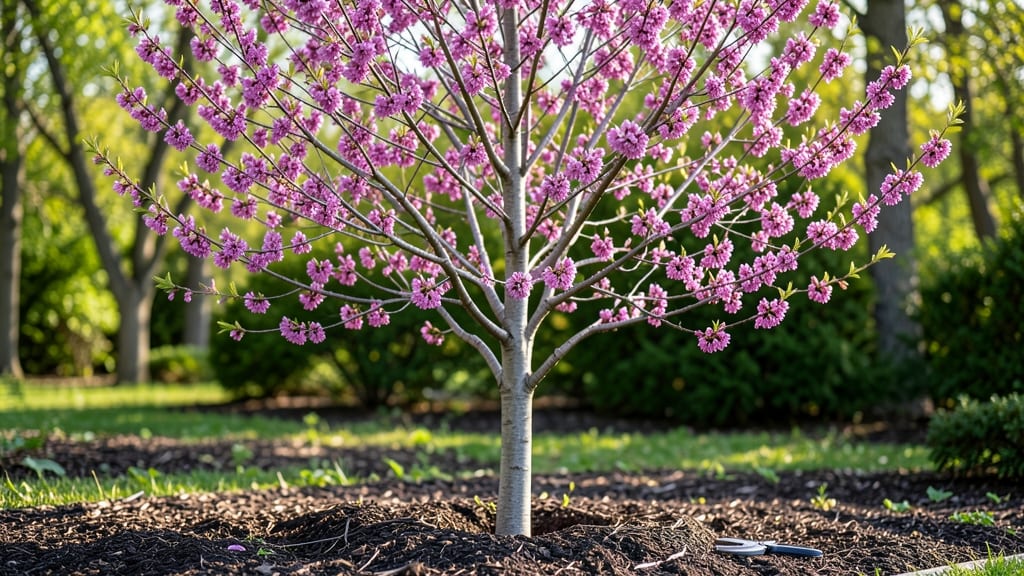
Caring for a redbud tree means unlocking those iconic purple-pink blooms that light up spring gardens like nothing else. 🌸 I’ve watched mine transform from bare branches to a canopy of color in just a few weeks—it’s the kind of magic that makes gardening feel like a reward, not just work.
The key isn’t complicated: timing your pruning, feeding the roots right, and giving it the space to stretch its limbs without fighting for sunlight.
Redbuds thrive in partial sun, but they’re not fussy about soil as long as it drains well—even rocky ground works if you mulch properly. Water deeply once a week during the first year to help roots establish, then let nature take over.
Pruning isn’t about shaping (though you can do that), but about removing dead wood and opening up the canopy so those spring flowers get maximum sunlight. I prune mine in late winter or early spring, just before buds swell—it’s the secret to keeping them bushy and blooming like crazy.
What you’ll end up with is a tree that’s disease-resistant, drought-tolerant once established, and covered in flowers for weeks. The foliage turns golden-yellow in fall, adding another layer of seasonal interest. Best of all?
Redbuds grow 12–20 feet tall but stay narrow, making them perfect for small yards or as a striking focal point. Once you see how easy they are to care for, you’ll wonder why you didn’t plant one sooner.
Whether you’re dealing with a young sapling or a mature tree, the principles stay the same: prune at the right time, feed lightly, and let it grow naturally.
No heavy-handed fertilizing or over-pruning—just good old-fashioned patience. Ready to turn your yard into a springtime spectacle? Let’s get those shears out and make it happen.
📚 In This Guide
- What you need
- Instructions
- Tips and common mistakes
- Wrapping up and next steps
What you need
- ● Pruning shears: Bypass pruners (for cuts up to ½ inch thick) – 1 pair (sharp, high-quality, like blank">Felco or Fiskars).
- ● Loppers: For thicker branches (½ to 1½ inches) – 1 pair (with a long handle for reach).
- ● Pruning saw: For branches over 1½ inches – 1 saw (bow or folding saw with a fine-toothed blade).
- ● Gloves: Heavy-duty gardening gloves (cut-resistant) – 1 pair (to protect from thorns and sap).
- ● Ladder: Extendable or sturdy step ladder (if tree exceeds 6–8 feet) – 1_ (with non-slip feet).
- ● Disinfectant: 70% isopropyl alcohol or pruning sealant (to prevent disease spread) – small bottle.
- ● Trash bags: Heavy-duty (for debris) – 2–3 bags.
- ● Hand saw: For stubborn, larger branches (backup to loppers).
- ● Pole pruner: For high branches (if no ladder is available).
- ● Tree wound dressing: (Controversial—skip if unsure! Use only for large cuts >2 inches).
- ● Notebook/pencil: To sketch a pruning plan or mark branches to remove.
- ● Safety gear: Safety glasses (to shield from debris) and ear protection (if using a chainsaw for very thick branches).
- ● Weather check: Prune on a dry, calm day (avoid rain or wind for 24 hours before/after).
- ● Tree knowledge: Identify dead, diseased, or crossing branches before you start.
- ● Permits (if needed): Check local regulations for large trees (some areas require professional arborist approval).
- ● Clean workspace: Lay down tarps or cardboard to collect fallen debris easily.
How to prune a redbud tree for year-round health
Here’s my go-to approach for keeping redbuds lush and blooming reliably—season by season.
✂️ Step 1: Prune in Late Winter or Early Spring
This is the best time to shape your redbud, right after dormancy but before buds swell. Aim for late February to early March when the tree is still bare. You’ll see fresh, clean cuts that heal faster than summer pruning.
Start by removing any dead, diseased, or crossing branches first. Use sharp bypass pruners to make clean cuts just outside the branch collar—the swollen area where the branch meets the trunk. This prevents unsightly stubs and encourages faster healing.
Next, thin out crowded branches to improve airflow. Look for branches growing inward or rubbing against others. Remove up to 25% of the canopy total, but never more than 1/3 in a single year. Your goal is an open center that lets sunlight reach the core.
🌿 Step 2: Light Pruning After Spring Blooms
Once your redbud finishes flowering (usually by late April or May), do a quick maintenance trim. This is where you shape the tree for the season ahead. Focus on removing any suckers at the base and any branches that spoil the natural form.
I like to step back and look at the tree from all sides. If you spot branches growing straight up or spoiling the rounded shape, cut them back to a lateral branch. Redbuds bloom on old wood, so avoid heavy pruning now—just tidy up the edges.
Watch for any branches that look stressed or have dieback at the tips. These can be pruned back to healthy wood. The tree will respond by sending out new growth from the base of the cut.
☀️ Step 3: Summer Maintenance for Airflow
During the growing season, keep an eye out for branches that block sunlight or crowd the center. If you notice any, prune them back in June or July when the tree is actively growing. This prevents disease and keeps the tree healthy.
Remove any suckers that pop up at the base or along the trunk. These drain energy from the main tree. Use hand pruners for small branches and loppers for anything thicker than 1 inch. Always make cuts at a 45-degree angle just above a leaf node.
Here’s the thing—redbuds are naturally low-maintenance, but a little attention in summer keeps them looking their best. I usually do a quick once-over in mid-summer to remove any dead or diseased leaves or branches.
⏰ Step 4: Final Cleanup in Late Fall
As winter approaches, do a final cleanup to remove any dead or weak branches. This is also when you should sterilize your pruning tools with rubbing alcohol to prevent spreading disease. Fall pruning is minimal—just tidying up what’s left.
Remove any branches that look winter-damaged or have signs of pests. Cut back to healthy wood, and avoid heavy pruning. The tree needs to enter dormancy with its energy intact for next year’s blooms.
This is also a great time to mulch around the base of the tree. Use 2-3 inches of organic mulch (like shredded bark) and keep it a few inches away from the trunk to prevent rot. Your redbud will thank you with vibrant blooms next spring.
Tips & tricks for perfect redbud tree care
Here's what I've learned after years of keeping my redbuds thriving—these little details make all the difference.
Timing is Everything: That late February to early March window is critical for Step 1 because it lets the tree heal before new growth starts. I've seen trees stressed by pruning too early when buds are already swelling. Look for when the tree is completely bare but before any green appears—this is your golden window. The goal is to give the tree maximum time to seal cuts before spring growth begins.
Branch Collar Matters: When removing branches in Step 1, I can't stress enough how important it is to cut just outside the branch collar. This swollen area contains healing cells that help the wound close properly. I've made the mistake of cutting flush with the trunk, which left ugly stubs that never healed right. Always look for that little ridge where the branch meets the trunk—cut just outside it for clean, healthy wounds.
Light Pruning After Blooms: In Step 2, after your redbud finishes flowering, focus on shaping rather than heavy pruning. I've learned the hard way that redbuds bloom on old wood, so cutting back too much now can reduce next year's flowers. Just tidy up the edges and remove any branches that spoil the natural form. Think of this as a light touch-up rather than a major overhaul.
Tool Maintenance: Your pruning tools are just as important as your technique. After every pruning session, especially in Step 4, I clean my tools with rubbing alcohol to prevent disease spread. I've seen trees get infected just because I didn't sterilize my pruners between cuts. Keep your tools sharp too—dull blades tear wood instead of making clean cuts, which slows healing. A little maintenance goes a long way for your tree's health.
Pro Tips for Redbud Tree Care
- Here's what I've learned after years of keeping my redbuds thriving—these little details make all the difference.
- Timing is Everything: That late February to early March window is critical for Step 1 because it lets the tree heal before new growth starts.
- Branch Collar Matters: When removing branches in Step 1, I can't stress enough how important it is to cut just outside the branch collar.
Frequently asked questions
Got questions about keeping your redbud tree thriving?
You’re not alone—this stunning spring bloomer needs just the right care. Below, we tackle the most common concerns to help you prune with confidence and keep those iconic pink blooms coming back year after year.
When is the best time to prune a redbud tree?
The ideal window is late winter or early spring, right after the last frost but before buds swell (typically February–March in most zones). This timing minimizes stress and ensures you don’t accidentally cut off next year’s flowers. Avoid pruning in fall—it can encourage late-season growth that’s vulnerable to cold damage. Pro tip: If you miss the spring window, wait until late summer (after blooming) for minor adjustments.
How much can I trim a redbud tree without harming it?
Redbuds are tougher than they look—you can safely remove up to 25–30% of the tree’s canopy in a single session without stressing it. Focus on dead, crossing, or overcrowded branches first. For young trees, limit cuts to 10–15% to encourage strong structure. Warning: Never “top” the tree (cutting the main stem)—this weakens growth and reduces blooms.
Why aren’t my redbud tree’s leaves turning pink in spring?
Pink blooms (technically purple-magenta flowers) might be missing due to over-pruning, poor nutrition, or environmental stress. Check these fixes:
- Pruning too late: If you trimmed after buds formed, you may have removed flower buds.
- Nutrient deficiency: Apply a balanced fertilizer (10-10-10) in early spring.
- Sunlight/shade: Redbuds need full sun (6+ hours/day) for vibrant blooms.
- Age: Young trees (<3 years) may not bloom heavily—be patient!
Can I grow a redbud tree in a container or as a bonsai?
Yes! Redbuds adapt well to containers (15+ gallon pots) for patios or small yards, but they’ll need regular pruning to control size. For bonsai-style growth, use dwarf varieties like ‘Alba’ or ‘Forest Pansy’ and prune aggressively in spring. Key tips:
- Use well-draining soil (mix potting soil with perlite).
- Repot every 2–3 years to prevent root-bound stress.
- Move containers indoors if temps drop below 10°F (-12°C).
My redbud tree has black spots on leaves—what’s wrong?
Black spots (often fungal leaf spot) are common but treatable. Don’t panic! Here’s how to act:
- Remove infected leaves and dispose of them (don’t compost).
- Improve airflow by thinning dense branches.
- Apply fungicide (copper-based or neem oil) in early spring as prevention.
- Avoid overhead watering—water at the base instead.
Wrapping up and next steps
Caring for your redbud tree is a rewarding journey that brings bursts of color and life to your landscape!
By following a seasonal trimming blueprint—pruning in late winter or early spring, shaping in summer, and cleaning up in fall—you’ll ensure vibrant blooms and healthy growth year after year. 🌸 With the right tools, timing, and techniques, your tree will thrive and become a stunning focal point.
Ready to level up your tree care game? Start by scheduling your next pruning session—whether it’s a light trim to encourage blooms or a deeper clean-up to remove dead branches. Your redbud will thank you with show-stopping pink flowers and lush foliage!