
Pruning
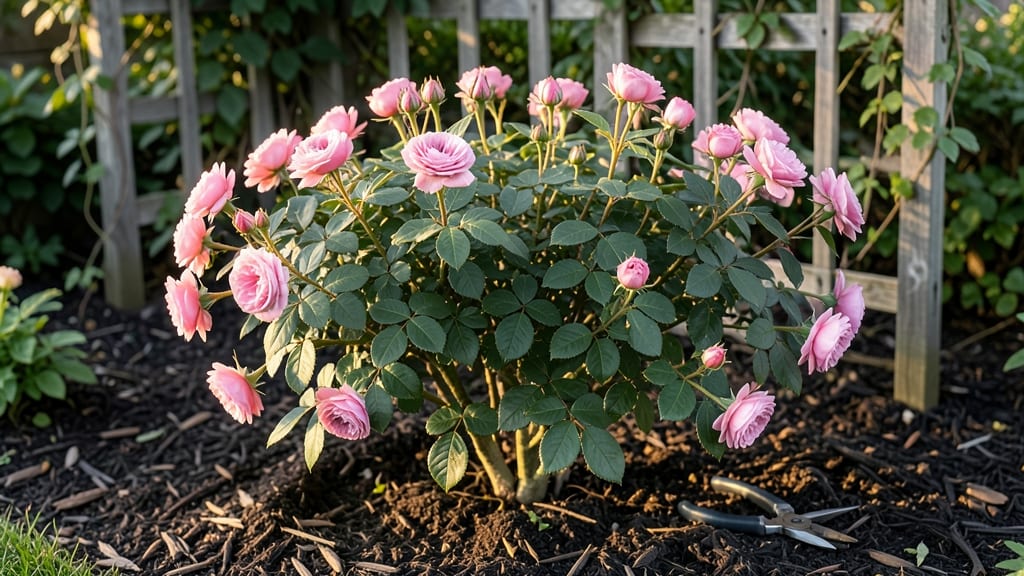
Transforming your rose bush tree into a fragrant, lush centerpiece starts with this spring pruning ritual—one that turns tangled canes into a sculpted masterpiece. 🌸 I’ve pruned mine every March for five years, and each time, the difference is shocking: more blooms, stronger growth, and a shape that commands attention in the garden.
The secret isn’t just cutting branches—it’s about strategy. You’ll focus on three key moves: removing dead wood first, thinning crowded canes to improve airflow, and shaping the tree form by pruning outward-facing buds.
Most gardeners overlook the outward-facing bud rule, which is what gives standard roses their iconic vase shape. Grab your pruners and gloves, and we’ll get to work in under an hour.
What you’ll end up with is a vibrant green canopy bursting with blooms by summer, each stem heavy with fragrance. The pruned wood makes excellent cut flowers too, so you’ll enjoy double the payoff.
This isn’t just about aesthetics—it’s about setting your rose bush tree up for a season of effortless beauty and health.
Works for all standard rose varieties, whether you’re dealing with a young sapling or a mature tree. The same principles apply, just scaled to size. Let’s make this your most productive spring yet—your garden will thank you for it.
📚 In This Guide
- What you need
- Instructions
- Tips and common mistakes
- Wrapping up and next steps
What you need
- ● Pruning shears: Bypass pruners (sharp, clean blades) – 1 pair (for small branches up to ½ inch thick).
- ● Loppers: Bypass or anvil type (for branches ½ to 1½ inches thick) – 1 pair.
- ● Pruning saw: Curved-tooth saw (for thick branches 1½+ inches) – 1.
- ● Disinfectant: Rubbing alcohol (70%+) or bleach solution (1 part bleach to 9 parts water) – small bottle or spray.
- ● Garden gloves: Heavy-duty, cut-resistant – 1 pair (to protect hands from thorns!).
- ○ Pruning sealant (optional): Tree wound paint or pruning wax – small jar (for large cuts only).
- ● Bucket or bag: For collecting pruned branches – 1 (5-gallon size recommended).
- ● Weather check: Choose a calm, dry day (avoid rain or wind).
- ○ Safety gear: Safety glasses (optional but recommended).
- ● Extension ladder (if needed): Sturdy, non-slip (for tall rose bush trees).
- ● Sharpener: File or sharpening stone (to maintain tool edges).
- ● Water & towel: For cleaning tools mid-pruning.
Step-by-Step guide for pruning your rose bush tree in spring
Here's how to refresh your rose bush tree for a fuller, healthier growth season.
✂️ Step 1: Remove Winter-Damaged and Dead Wood
Start by inspecting your rose bush tree for any branches that look brown, brittle, or hollow—these are dead and need immediate removal. I always grab my pruning shears and cut just outside the branch collar, the swollen area where the branch meets the trunk. This prevents unsightly stubs and encourages clean healing.
Don’t worry if you’re unsure—just snip anything that doesn’t have green underneath the bark when you scrape it with your fingernail. Dead wood won’t regrow, so removing it now makes room for new, vibrant growth. I like to work in sections, moving from the bottom up, so I don’t miss any hidden damage.
✂️ Step 2: Thin Out Crowded Branches for Better Airflow
Next, focus on thinning out branches that cross or rub against each other. These create weak spots where disease can take hold. Look for branches growing inward or downward—they’ll steal energy from your upward-reaching blooms. I aim to remove about 20-30% of the total branches, cutting them back to their origin point.
Here’s the trick: Step back every few cuts to visualize the shape. You want an open center that lets sunlight and air circulate freely. If your rose bush tree looks like a dense wall of branches, it’s time to thin. This step is all about balance—too little thinning means crowded growth, and too much can leave it looking bare.
☀️ Step 3: Shape for Fullness and Encourage New Growth
Now it’s time to shape your rose bush tree like a pro. I start by identifying the strongest, healthiest branches and trim back any that are growing too long or leggy. Cut just above a leaf bud that faces outward, angled slightly away from the bud to let water run off. This encourages fuller growth and prevents water from pooling.
For a bushier look, I make my cuts just above a set of 3-5 leaf buds on each branch. This ensures new shoots will grow in clusters, filling out the canopy. Avoid cutting back more than one-third of the branch length at once—this keeps the plant from going into shock. If you’re unsure, less is always better; roses are forgiving but not invincible.
🌱 Step 4: Clean Up and Apply a Light Fertilizer
Once all your cuts are made, gather up the pruned branches and dispose of them in the trash—not the compost, as diseased wood can spread pathogens. I like to sterilize my pruning shears with rubbing alcohol between cuts to prevent cross-contamination. After cleanup, spread a light layer of balanced rose fertilizer around the base, keeping it 6 inches away from the trunk to avoid burning the roots.
Water deeply right after fertilizing to help the nutrients soak into the soil. This is the perfect time to mulch with 2-3 inches of organic mulch (like shredded bark) to retain moisture and suppress weeds. Your rose bush tree will thank you with lush, fragrant blooms all season long.
Tips & tricks for perfect rose bush tree pruning
Here's what I learned after years of trial and error to help your rose bush tree thrive after pruning.
Tool Preparation: Sterilize your pruning shears with rubbing alcohol before you begin—this prevents spreading disease between cuts. I also keep a small spray bottle of diluted bleach solution (1 part bleach to 9 parts water) handy to wipe down tools between branches. Sharp, clean tools make cleaner cuts that heal faster, reducing the risk of infection.
The 20-30% Rule: When thinning in Step 2, remember that removing 20-30% of branches creates the perfect balance. This percentage gives your rose bush tree room to breathe while maintaining its natural shape. If you're unsure, take photos before you start—you can always remove more later if needed. The goal is sunlight penetration to all parts of the plant.
Bud Direction Matters: In Step 3, always cut just above an outward-facing leaf bud. This simple detail ensures new growth will fill out your bush rather than grow inward and create another dense center. I like to visualize how the new shoots will grow before making each cut—it's like planning the architecture of your plant's future.
Fertilizer Timing: Apply your light layer of balanced rose fertilizer immediately after pruning in Step 4. The fresh cuts will absorb nutrients more efficiently, giving your rose bush tree a strong start for the growing season. Keep the fertilizer 6 inches away from the trunk to protect the roots from potential burn, and water deeply right after application.
Pro Tips for Rose Bush Tree
- Here's what I learned after years of trial and error to help your rose bush tree thrive after pruning.
- Tool Preparation: Sterilize your pruning shears with rubbing alcohol before you begin—this prevents spreading disease between cuts.
- The 20-30% Rule: When thinning in Step 2, remember that removing 20-30% of branches creates the perfect balance.
Frequently asked questions
Got questions about transforming your rose bush tree into a stunning, well-maintained masterpiece? Here are some of the most common queries—and their answers—to help you prune with confidence this spring!
When is the best time to prune a rose bush tree?
The ideal time to prune your rose bush tree is in late winter or early spring, just before new growth begins. Aim for February to March in most climates. Avoid pruning in fall, as it can stimulate tender growth that won’t survive winter. For tropical roses, prune in early spring when frost risk is over.
How much should I cut back my rose bush tree?
For a rose bush tree, aim to remove 1/3 to 1/2 of the previous year’s growth. Cut back to an outward-facing bud or a strong stem. If your tree looks overgrown, you can trim more aggressively, but avoid removing more than 50% of the foliage in one season. Pro tip: Look for healthy, green canes—these are your best candidates for pruning!
Can I prune my rose bush tree in winter?
While you can do light pruning in winter to remove dead or damaged branches, avoid heavy pruning until late winter or early spring. Winter pruning can expose the plant to cold damage and encourage weak growth. If you must prune in winter, do so on mild days and avoid cutting into old wood (wood older than 3 years).
What if my rose bush tree isn’t blooming after pruning?
If your rose bush tree isn’t blooming, check these common issues: over-pruning (cutting too much), poor sunlight (roses need 6+ hours of sun daily), or nutrient deficiencies. Try fertilizing with a rose-specific feed in spring and summer. If the issue persists, inspect for pests or disease—yellow leaves or black spots could signal trouble!
Are there alternatives to pruning a rose bush tree into a standard shape?
If you prefer a natural look, skip heavy shaping and focus on removing dead, crossing, or weak branches. For a hedge-style rose bush tree, prune evenly to encourage dense growth. You can also train it into a small tree by selecting a central leader and pruning lower branches. Pro tip: Use hand pruners for precision and avoid shears to prevent jagged cuts!
Wrapping up and next steps
Transforming your rose bush tree into a fragrant, lush masterpiece is well within reach—now that you’re armed with the right techniques! 🌸 Pruning in spring isn’t just about trimming; it’s about inviting your plant to thrive with confidence. Remember: patience and precision pay off in blooms that steal the show.
Ready to take the next step? Mark your calendar for your next pruning session—consistency is key! And if you’re feeling inspired, explore advanced shaping tips or organic fertilizer blends to keep your rose bush tree flourishing year-round. Your garden (and future visitors) will thank you!