
Trees
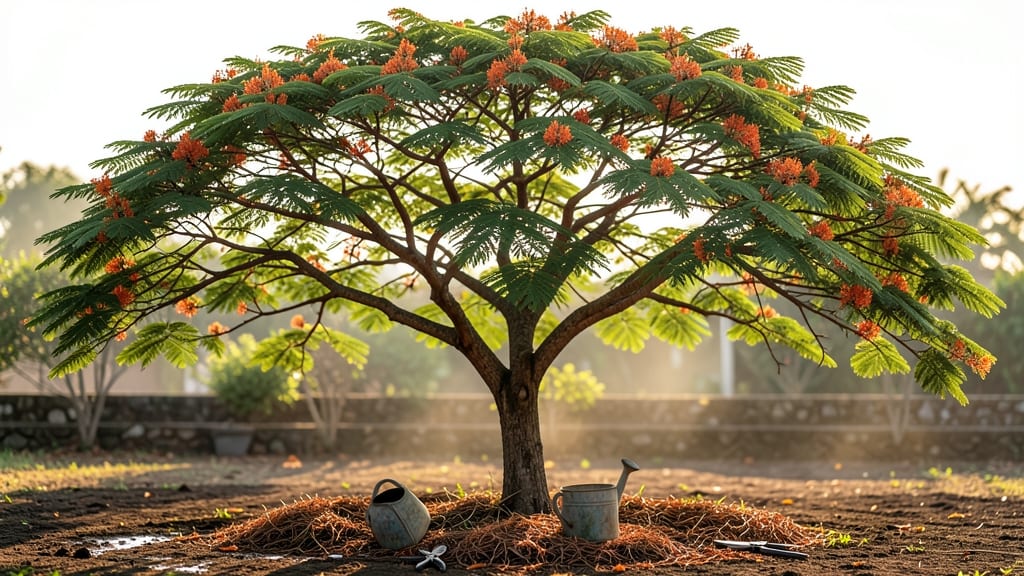
The Royal Poinciana tree’s fiery red leaves are the crown jewel of any landscape, but keeping them vibrant requires understanding why they turn yellow, brown, or drop too soon. 🌿 I’ve seen these stunning trees go from showstopper to sad in just a few seasons—usually because of hidden stressors most gardeners miss.
Yellowing or dropping leaves often mean overwatering, poor drainage, or nutrient deficiencies. Brown edges? That’s usually drought stress or salt buildup in the soil. Pests like scale insects or spider mites leave sticky residue or tiny webs—check the undersides of leaves.
The good news? Fixing these issues is simpler than you think, and with the right care, your Poinciana will stay lush year-round.
📚 In This Guide
- What you need
- Instructions
- Tips and common mistakes
- Wrapping up and next steps
What you need
- ○ Pruning shears or loppers – Sharp, bypass-style (for clean cuts on branches up to 1-inch thick). Optional: Pole pruner (for taller trees).
- ● Gloves – Heavy-duty, cut-resistant (Royal Poinciana thorns are no joke!).
- ● Disinfectant – 70% isopropyl alcohol or bleach solution (1 part bleach to 9 parts water) to sterilize tools and prevent disease.
- ○ Pruning sealant – Optional but helpful for larger cuts (e.g., Tanglefoot Tree Wound Pruning Seal).
- ● Ladder or extension pole – Sturdy, 12–20 ft tall (for safe access to higher branches).
- ● Trash bags or compost bin – For disposing of pruned leaves/branches (check local regulations—some areas ban Royal Poinciana due to invasive risks!).
- ● Fertilizer – Slow-release, citrus-friendly (e.g., 8-3-9 or 6-6-6 NPK ratio) for nutrient boosts. Apply in early spring.
- ● Mulch – 3–4 inches of organic mulch (e.g., wood chips) to retain moisture and regulate soil temperature.
- ● Watering can or hose with nozzle – For deep watering (Royal Poincianas hate soggy roots but love consistent moisture).
- ● Safety gear – Sunglasses, long sleeves, and closed-toe shoes (thorns + sun = recipe for regret!).
- ● ✅ Know your local laws: Royal Poincianas are invasive in many U.S. states (e.g., Florida, California). Check if removal or pruning is restricted.
- ● ✅ Best pruning time: Late winter or early spring (before new growth sprouts). Avoid heavy pruning in summer or fall.
- ● ✅ Tree health check: Inspect for pests (e.g., scale insects) or fungal signs (e.g., sooty mold) before pruning.
Step-by-Step guide for Royal Poinciana tree leaf care
Here's how to keep those stunning foliage displays vibrant with almost no effort.
🌿 Step 1: Assess Your Tree's Natural Growth Pattern
Royal poincianas grow best when you work with nature, not against it. Observe your tree's growth cycle—new leaves emerge in spring and summer, while winter brings natural dormancy. This means minimal pruning is truly possible when you time your care correctly.
Look for healthy, glossy new growth in spring as your first cue. These leaves will be tender but resilient, signaling the tree's active phase. Avoid pruning during winter dormancy unless you're removing dead branches, as the tree conserves energy during this period.
☀️ Step 2: Prune Only When Necessary
Real talk: Royal poincianas don't need frequent pruning. The tree's natural shape is already stunning. Only prune to remove dead, diseased, or crossing branches that could hinder growth or create safety hazards. I always use clean, sharp pruning shears to make precise cuts just above a leaf node.
Watch for branches that rub against each other or grow inward—they'll eventually damage the bark. Remove these in late winter or early spring before new growth begins. Never prune more than 25% of the tree's canopy at once, as this stresses the tree unnecessarily.
💧 Step 3: Water Deeply but Infrequently
Royal poincianas thrive with deep, infrequent watering once established. Water the tree once a week during dry spells in its first year, then reduce to every 2-3 weeks once mature. The goal is to encourage deep root growth, not surface moisture.
Check moisture by digging down 6 inches—if the soil feels dry, it's time to water. Overwatering is the biggest mistake here; these trees hate soggy roots. You'll see bright green, leathery leaves as a sign your watering routine is perfect.
✂️ Step 4: Maintain Year-Round Leaf Health
Fertilize lightly once in early spring with a balanced, slow-release fertilizer. I use a 10-10-10 blend at half-strength to avoid overfeeding. The tree's natural beauty comes from its foliage, so focus on keeping leaves vibrant rather than pushing excessive growth.
Watch for yellowing leaves—this usually means overwatering or poor drainage. If you see this, reduce watering immediately and check for proper soil aeration. Royal poincianas are drought-tolerant once established, so they'll often thrive with less attention than you might expect.
🪴 Step 5: Protect Leaves from Pests and Elements
These trees are generally pest-resistant, but occasionally you might spot scale insects on new growth. Treat with horticultural oil if needed, applying it in early morning when leaves are dry. Avoid heavy sprays that could damage the delicate foliage.
In coastal areas, salt spray can scorch leaves. If your tree is near the ocean, rinse foliage with fresh water once a month during dry seasons. You'll notice leaves staying shiny and vibrant as your preventative care pays off.
Tips & tricks for Royal Poinciana tree leaf care
Your royal poinciana's stunning foliage needs just a few key strategies to stay vibrant year-round.
Timing is Everything: The early spring timing in Step 1 is critical—wait until you see those first tender, glossy leaves before pruning. I've learned the hard way that pruning too early can shock the tree when it's still conserving energy from winter dormancy. Look for leaves that feel slightly leathery to the touch but still have that fresh spring sheen.
Pruning Precision: When removing branches in Step 2, make your cuts just above a leaf node (that little bump where leaves attach). This ensures new growth will sprout right where you cut. I always clean my pruning shears with rubbing alcohol between cuts to prevent spreading any potential diseases that might be hiding in the tree's branches.
Watering Wisdom: That 6-inch moisture check in Step 3 is your best friend. I've seen too many well-meaning gardeners overwater these drought-tolerant trees. Use your finger to test—if the soil feels damp at 6 inches, wait another week. The goal is to encourage those deep roots, not create a swampy environment that leads to root rot.
Fertilizer Finesse: The half-strength 10-10-10 blend in Step 4 is perfect for maintaining leaf health without overfeeding. I've found that royal poincianas actually prefer a little less fertilizer than most trees. Too much nitrogen can lead to rapid but weak growth that's more susceptible to pests. Apply it in early spring when you see those first signs of new growth emerging.
Pro Tips for Royal Poinciana Tree Leaves
- Your royal poinciana's stunning foliage needs just a few key strategies to stay vibrant year-round.
- Timing is Everything: The early spring timing in Step 1 is critical—wait until you see those first tender, glossy leaves before pruning.
- Pruning Precision: When removing branches in Step 2, make your cuts just above a leaf node (that little bump where leaves attach).
Frequently asked questions
Got questions about keeping your Royal Poinciana tree looking its best with minimal pruning? You’re not alone! Here are some of the most common questions—and answers—to help you care for this stunning tree year-round.
When is the best time to prune Royal Poinciana leaves for optimal regrowth?
The ideal time to prune is late winter or early spring, just before new growth begins. Avoid pruning during peak bloom (spring/summer) to preserve the tree’s vibrant foliage and energy. Light trimming after flowering can also encourage bushier growth, but avoid heavy cuts—Royal Poincianas respond best to gradual shaping.
Why are my Royal Poinciana leaves turning yellow or brown?
Yellowing or browning leaves often signal underwatering, overwatering, or nutrient deficiencies. Check soil moisture—Royal Poincianas thrive in well-draining soil and prefer drought once established. Brown edges may also indicate salt buildup (common in coastal areas) or fungal issues. Prune affected branches to improve airflow and fertilize lightly with a balanced, slow-release formula.
Can I prune Royal Poinciana leaves in hot or humid climates without stressing the tree?
Yes, but timing and technique matter! Prune on overcast mornings or late afternoons to avoid heat stress. Use sharp, sterilized tools to make clean cuts, and avoid removing more than 25% of the canopy at once. Mulch around the base to retain moisture and reduce shock. Hydrate the tree 1–2 days before and after pruning for resilience.
Are there alternatives to pruning for maintaining shape without heavy cuts?
Try these low-effort strategies:
- Thinning cuts: Remove select branches from the interior to improve light penetration and airflow.
- Directional pruning: Guide growth by trimming new shoots that spoil the tree’s natural shape.
- Natural shaping: Let the tree grow wild for a few years—Royal Poincianas often self-correct with age!
What’s the right tool for pruning Royal Poinciana leaves without damaging the tree?
Use bypass pruners for small branches (<1 inch thick) and a pruning saw for thicker stems. Avoid anvil pruners—they crush tissue, increasing disease risk. Sterilize tools with rubbing alcohol between cuts, and seal larger wounds with pruning sealant (optional for Royal Poincianas, but helpful in humid climates).
Pro Tip:
Royal Poincianas are fast growers, so schedule pruning every 1–2 years to maintain size and shape. If you’re unsure, start with light trimming—these trees are forgiving and bounce back beautifully with minimal intervention!
Wrapping up and next steps
The royal poinciana tree is a stunning addition to any landscape, offering vibrant foliage and minimal upkeep. With its striking leaves and low-maintenance care, it’s perfect for gardeners who love beauty without the hassle.
Whether you're a seasoned gardener or just starting out, this tree brings joy year-round with little effort!
Ready to enjoy its tropical charm? Plant one today and let its radiant leaves transform your outdoor space! 🌿✨