
Pruning
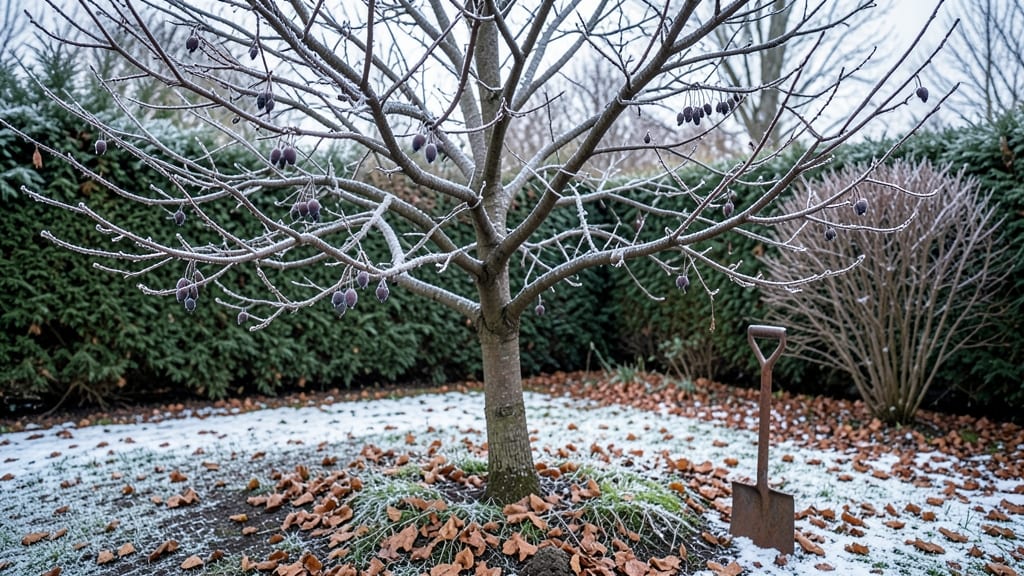
The serviceberry tree winter pruning I do every February sets the stage for next summer’s luscious berries. There’s something satisfying about shaping the tree while it’s dormant—no leaves to obscure your work, just clean lines against a winter sky.
This isn’t just about aesthetics, though. Pruning now removes dead wood, opens the canopy for sunlight, and encourages stronger growth when spring arrives.
You’ll need sharp pruning shears, a clean saw for thicker branches, and a pair of gloves—serviceberry branches can be thorny. The key is timing: wait until late winter when the ground is still frozen, but before buds swell.
I target branches thicker than a pencil, cutting just outside the branch collar where it meets the trunk. It takes about 30 minutes for a small tree, longer for established ones.
What you’re left with is a tree that bursts into leaf in spring, its branches heavy with white blossoms, then sweet, blueberry-like fruit by July. The berries are a wildlife magnet too—birds adore them, and you’ll hear them chattering in the branches by midsummer.
Winter pruning isn’t just maintenance; it’s an investment in next year’s harvest.
Works for serviceberries in zones 3-8, though timing shifts slightly in warmer areas. If you’re in a colder zone, add a layer of mulch around the base after pruning to protect roots. The tree will thank you with fewer pests and more fruit. Ready to sharpen those shears?
📚 In This Guide
- What you need
- Instructions
- Tips and common mistakes
- Wrapping up and next steps
What you need
- ● Pruning shears – Bypass pruners (sharp, 6-8" blades) for small branches (1/4"–1" thick).
- ● Loppers – Bypass or anvil type (for branches 1"–2" thick).
- ● Pruning saw – Curved-tooth or folding saw for branches 2"+ in diameter.
- ● Gloves – Heavy-duty, cut-resistant (thorns are a thing!).
- ● Disinfectant – 70% isopropyl alcohol or 10% bleach solution (to sterilize tools between cuts).
- ● Rubbing alcohol or hand sanitizer (for cleaning hands after handling sap/resin).
- ● 5-gallon bucket or trash bag (for collecting pruned branches).
- ○ Permanent marker (optional, for marking cuts if needed).
- ● Extension pole saw (for tall trees—saves your neck!).
- ● Tree wound dressing (controversial but useful for large cuts >2" diameter).
- ● Ladder (if your tree is over 6' tall—safety first!).
- ● Pruning sealant (only for very large cuts—research best practices first!).
- ● Notebook & pen (to sketch your tree’s structure before/after pruning).
How to prune serviceberry trees in winter for stronger growth
Winter’s the perfect time to shape your serviceberry—clean cuts now mean sweeter fruit later.
Assess the Tree’s Structure and Identify Dead or Weak Branches
Start by examining the tree from all sides, looking for branches that are completely bare, cracked, or showing no signs of life. Dead wood is usually a dull gray or brown and snaps easily when bent. I like to run my hand along the branches—live wood feels firm, while dead wood crumbles or feels hollow inside.
Next, identify any branches that cross each other or grow inward. These compete for sunlight and nutrients, weakening the tree over time. Mark them with a small piece of twine or a paint marker so you don’t miss them during pruning. This is also the time to spot any suckers—those aggressive shoots growing from the base or trunk—that can drain energy from the main tree.
Gather Your Tools and Prepare for Clean Cuts
You’ll need sharp pruning shears for smaller branches and a pruning saw for thicker limbs over ½ inch in diameter. Dull tools tear wood, leaving jagged edges that invite disease. Test your shears by cutting a small twig—if it crushes instead of slices cleanly, sharpen them first.
Wear gloves to protect your hands from thorns and disinfect your tools with rubbing alcohol or a 10% bleach solution. This prevents spreading any fungal spores or bacteria from one cut to another. I also like to have a bucket nearby to collect debris—keeping the work area clean makes the job easier and safer.
Make Strategic Cuts to Open the Canopy and Encourage Airflow
Begin by removing dead, diseased, or crossing branches first. Cut just outside the branch collar—the swollen area where the branch meets the trunk. This ensures the tree can seal the wound naturally. For larger branches, make a 45-degree angle cut about ¼ inch above an outward-facing bud to guide new growth in the right direction.
Next, thin out the canopy by selectively removing branches that block sunlight from reaching the center. Aim to open up the tree so light and air can circulate freely. You’ll know you’re doing it right when you can see 50-70% of sunlight passing through the branches on a sunny day. Avoid over-pruning—never remove more than 25% of the tree’s foliage in one season.
Shape the Tree for Balance and Future Fruit Production
Step back and visualize how the tree will look after pruning. Serviceberries naturally grow in an open, rounded shape, so avoid creating a dense, pyramid-like form. Focus on maintaining a balanced silhouette by removing branches that disrupt the tree’s natural form. For example, if one side is heavier, trim back branches on that side to even things out.
Pay special attention to the lower branches. While it’s tempting to remove them for easier harvesting, leave some to encourage fruit production near the base. These lower fruits ripen later and provide food for wildlife when other berries are gone. Once you’re satisfied with the shape, make one final pass to clean up any rough edges or small stubs left behind.
Clean Up and Apply a Protective Layer to Wounds
After pruning, rake up and dispose of all debris to prevent fungal diseases from taking hold. If you notice any signs of infection—like oozing sap or dark, mushy wood—prune those branches last and dispose of them separately. This keeps the rest of the tree safe from contamination.
For larger cuts, apply a thin layer of pruning sealant to wounds over ½ inch in diameter. While some gardeners debate whether sealants are necessary, I’ve found they help reduce the risk of disease in serviceberries, especially in humid climates. Smaller cuts don’t need sealing—they heal faster on their own. Water the base of the tree deeply after pruning to help it recover and prepare for spring growth.
Tips & tricks for perfect winter serviceberry pruning
Winter's the ideal time to give your serviceberry a fresh start—here's how to make every cut count for next season's bounty.
Tool Sharpness Matters: Before you begin, test your pruning shears on a small twig. If they crush rather than slice cleanly, sharpen them immediately. I've ruined more cuts than I can count using dull tools—jagged edges invite disease and slow healing. For branches over ½ inch thick, switch to a pruning saw with a fine-toothed blade to avoid tearing the bark. A clean cut heals faster and looks professional.
Marking System for Confidence: Use paint markers or twine to flag branches you've identified for removal. This prevents second-guessing mid-pruning and ensures you don't accidentally skip critical cuts. I color-code mine—red for dead wood, blue for crossing branches, and green for suckers. It takes 2 minutes to mark but saves hours of backtracking later. Pro tip: Take a quick photo of your marked tree before starting—it's your visual checklist.
Sunlight Test for Success: After thinning the canopy, stand directly beneath the tree on a sunny day and look up. You should see 50-70% of sunlight filtering through the branches. If you can barely see the sky, you've over-pruned. Serviceberries thrive with open airflow—this prevents fungal diseases and encourages stronger fruit production. Think of it like giving your tree a spa day: plenty of light and fresh air.
Sealant Strategy: Only apply pruning sealant to wounds larger than ½ inch in diameter. For smaller cuts, let the tree's natural healing process work—it's faster and stronger. If you're in a humid climate, I recommend using a sealant on larger cuts to prevent moisture-related rot. Apply it sparingly—thick layers can smother the wound and slow healing. A thin, even coat is all you need.
Pro Tips for Serviceberry Tree Winter
- Winter's the ideal time to give your serviceberry a fresh start—here's how to make every cut count for next season's bounty.
- Tool Sharpness Matters: Before you begin, test your pruning shears on a small twig.
- Marking System for Confidence: Use paint markers or twine to flag branches you've identified for removal.
Frequently asked questions
about serviceberry trees in winter—and how to prune them like a pro!When is the best time to prune serviceberry trees in winter?
Prune your serviceberry tree during its dormant season—typically late winter (February to early March) before buds swell. This timing minimizes stress and disease risk. Avoid pruning in extreme cold or wet conditions, as these can harm the tree.
Can I prune a serviceberry tree if it’s already covered in snow?
No, wait until the snow melts and the ground thaws. Pruning in cold or frozen conditions can damage branches and slow healing. Aim for a day with temperatures above freezing for easier cuts and better visibility of the tree’s structure.
Do I need to sterilize my pruning tools before and after?
Absolutely!
Sterilize tools with rubbing alcohol or a 10% bleach solution to prevent spreading diseases like fire blight or fungal infections. Clean before pruning and after each cut to keep your serviceberry healthy and thriving.
What if my serviceberry tree has dead or diseased branches now?
Remove dead or diseased branches anytime—even in winter—but prioritize it during your dormant-season pruning. Cut back to healthy wood (look for green tissue under the bark) and dispose of infected branches away from the tree to prevent reinfection.
Are there alternatives to winter pruning for serviceberry trees?
While winter pruning is ideal, you can lightly shape the tree in early spring before leaf-out. However, avoid heavy pruning then, as it can stress the tree. Summer pruning is possible but riskier—do it only if necessary, and avoid cutting after mid-July to prevent late-season growth that won’t harden off for winter.
Wrapping up and next steps
Winter is the perfect time to give your serviceberry tree the care it needs for a bountiful spring harvest.
By following sharp, strategic pruning techniques—like removing dead wood, thinning crowded branches, and shaping for airflow—you’ll set the stage for healthier growth and sweeter fruit. Don’t let winter pass you by!
Ready to roll up your sleeves? Grab your pruners, mark your calendar for those dormant-season deadlines, and get pruning. Your future self (and hungry birds!) will thank you. 🌿✨