
Pruning
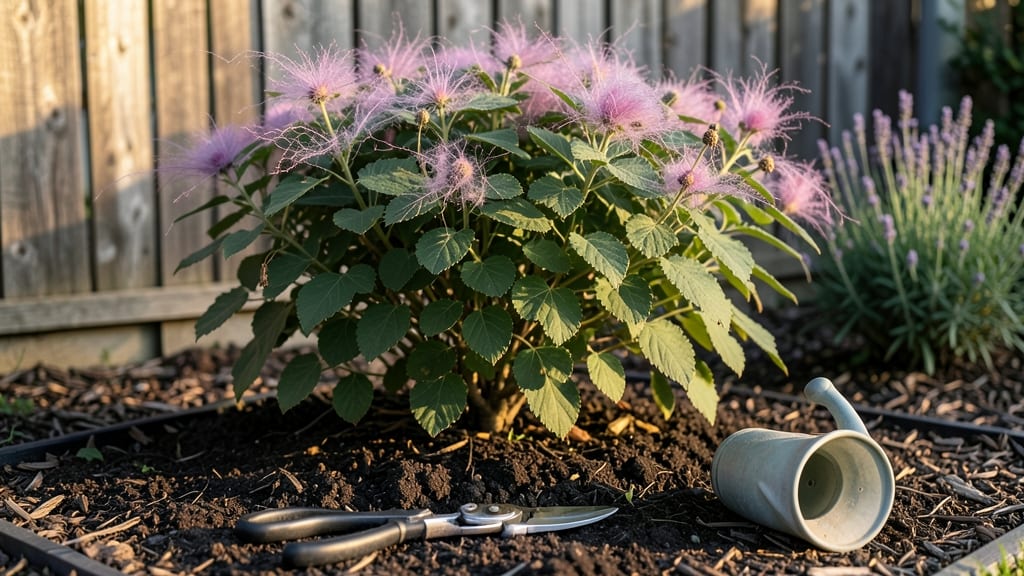
Pruning your smoke tree (Cotinus spp.) isn’t just about keeping it tidy—it’s the secret to those showstopping plumes that make your yard the envy of the neighborhood.
I’ve learned the hard way that timing and technique make all the difference, especially when you want that year-round structure without sacrificing next year’s blooms.
The best time to prune depends on your goals: late winter or early spring is ideal for shaping, while light trimming after flowering keeps the plant bushy. You’ll need sharp pruners, gloves, and a clear vision—because smoke trees respond best to thoughtful cuts, not aggressive hacking.
I’ve seen too many people turn their trees into stubby monsters by over-pruning.
By following this seasonal calendar, you’ll end up with a smoke tree that’s denser, healthier, and more vibrant than ever. The plumes will be fuller, the branches will fill in gaps, and you’ll avoid that sad, leggy look that ruins the whole effect.
Trust me, your tree will thank you—and so will your neighbors when they ask how you keep yours looking so effortlessly perfect.
Whether you’re dealing with a young tree or a mature specimen, the same principles apply. We’ll cover everything from when to prune to how much to cut, plus how to handle those tricky water sprouts. Let’s get your smoke tree looking its absolute best all season long.
📚 In This Guide
- What you need
- Instructions
- Tips and common mistakes
- Wrapping up and next steps
What you need
- ● Pruning shears: Bypass pruners (for cuts up to ½ inch) – 1 pair (look for sharp, corrosion-resistant stainless steel blades).
- ● Loppers: For branches ½ to 1½ inches thick – 1 pair (ratcheting models reduce hand strain).
- ● Pruning saw: For larger branches (1½+ inches) – 1 saw (bow saw or folding pruning saw with fine teeth).
- ● Ladder: Extendable (16–24 ft) – 1 (ensure it’s stable and rated for your tree’s height).
- ● Disposable gloves: Heavy-duty, cut-resistant – 1 pair (nitrile or leather for grip and protection).
- ○ Pruning sealant: (Optional but helpful for large cuts) – 1 small bottle (like Tanglefoot Tree Wound Pruning Sealer).
- ● Cleaning supplies: Rubbing alcohol (70%+) or bleach solution (1 part bleach to 9 parts water) – for sterilizing tools.
- ● Heavy-duty trash bags: For debris disposal – 2–3 bags (or a wheelbarrow if pruning heavily).
- ● Weather check: Prune on a dry, calm day (avoid wind or rain to prevent sap spread or slipping).
- ● First-aid kit: Basic kit with bandages and antiseptic – 1 (for minor cuts or scrapes).
- ● Eye protection: Safety goggles – 1 pair (to shield from debris or sap splashes).
- ● Long sleeves/pants: Lightweight, breathable fabric – recommended (protects from thorns and sun exposure).
- ● Tree health assessment: Inspect for diseased or pest-infested branches before pruning (disinfect tools if switching trees).
- ● Sharpen tools first! Dull blades tear wood, increasing damage. Use a file or sharpening stone before starting.
- ● Mark your cuts: Use chalk or tape to outline cuts on larger branches to ensure clean, angled slices.
- ● Bag your clippings: Smoke trees can be invasive—double-bag debris to prevent regrowth.
Step-by-Step guide for pruning smoke trees throughout the year
Here's how I maintain smoke trees' stunning plumes and vigorous growth—season by season.
⏰ Step 1: Late Winter Pruning (Before New Growth Begins)
This is the most critical time to shape your smoke tree. Wait until late February or early March, just as buds begin to swell but before any green appears. Cold weather slows sap flow, reducing bleeding and stress on the plant.
Start by removing dead, diseased, or crossing branches first—these compete with healthy growth and invite pests. Use sharp, clean pruning shears to make cuts just outside the branch collar, the swollen area where the branch meets the trunk. This ensures proper healing.
Next, thin out overcrowded areas to improve airflow. Smoke trees develop their signature plumes when they receive adequate light and circulation. Aim to remove no more than 25% of the plant's total foliage in one session—this prevents shock and maintains vigor.
☀️ Step 2: Light Summer Trimming (June to Early July)
After the spring flush of growth, give your smoke tree a light maintenance trim to encourage bushier, fuller plumes. Focus on selective pruning—this means removing only the tips of branches that are growing too long or leggy.
Look for branches that have outgrown their space or are growing inward. Cut back to just above a leaf node or lateral bud, angling the cut slightly downward to prevent water from pooling. This encourages new growth in the right direction and keeps the tree's natural shape.
Here's the thing—smoke trees respond well to pruning, but avoid heavy cuts in summer. Too much trimming now can stimulate tender new growth that won't harden off before fall, leaving the plant vulnerable to cold damage.
✂️ Step 3: Post-Bloom Cleanup (Late Summer to Early Fall)
After the smoke tree's showy plumes fade, it's time for a cleanup trim to prepare for winter. Remove any spent plumes by cutting them back to a healthy set of leaves or buds. This not only tidies up the plant but also redirects energy toward root and branch development.
Inspect the tree for weak or diseased branches that may have gone unnoticed earlier in the year. Prune these out completely, making sure to sterilize your tools with rubbing alcohol between cuts to prevent spreading any pathogens.
This is also the time to shape the tree if it hasn't filled out as expected. Smoke trees can be pruned into standards, hedges, or even espalier forms. Just remember—prune gradually. A little at a time encourages stronger regrowth than aggressive cuts.
⏰ Step 4: Winter Inspection and Light Pruning (December to Early February)
While smoke trees are dormant, take a moment to inspect the structure of your tree. Look for dead wood, broken branches, or areas where the tree has grown too dense. These are the only things you should address in winter—avoid heavy pruning now, as the tree is already stressed from cold.
If you spot any ice or snow damage, remove broken branches as soon as possible. Make clean cuts just outside the branch collar, and dispose of the debris to prevent disease. Even in winter, keeping the tree healthy sets it up for a strong spring.
This is also the time to plan your late-winter pruning. Sketch out the shape you want to achieve and note any branches that need removal. A little preparation now makes the actual pruning session smoother and more effective.
Tips & tricks for perfect smoke tree pruning
Transforming your smoke tree into a year-round showpiece takes precision—and these game-changing tips will help you avoid common pitfalls while maximizing growth and beauty.
Timing is Everything: The late February to early March window for Step 1 pruning is non-negotiable. I've learned the hard way that pruning too early (when it's still freezing) or too late (when buds are already swelling) stresses the tree. Check for those tiny bud swellings—about the size of a pea—that signal it's time. This timing ensures you're working with dormant but not yet active growth, minimizing sap loss and promoting vigorous spring recovery.
Tool Technique: Your pruning shears are more important than you might think. Always sterilize them between cuts with rubbing alcohol (as mentioned in Step 3), but also make sure they're sharp enough to cut cleanly without tearing. Dull blades crush stems, creating larger wounds that invite disease. I invest in bypass pruners for larger branches and small-bladed shears for delicate trimming—they make all the difference in achieving professional-looking cuts that heal properly.
Visual Pruning Cues: When thinning in Step 1 or doing selective pruning in Step 2, focus on creating an "open center" look. Imagine looking through the tree from all angles—you should be able to see light filtering through the canopy. This isn't just about aesthetics; it's about ensuring every branch gets adequate sunlight for those signature plumes. I train my eye to spot branches that are growing inward or crossing others—they're the first candidates for removal, even if they look healthy.
Seasonal Shape Strategy: The gradual shaping approach in Steps 3 and 4 is where the magic happens. For dramatic results, I recommend sketching your ideal tree shape on paper before you start pruning. This serves as your roadmap—you can see the progression from season to season. Start with subtle adjustments in summer, then refine the structure in fall, and finally perfect the details in late winter. This method prevents the shock that comes from drastic changes all at once.
Pro Tips for Smoke Tree Pruning
- Transforming your smoke tree into a year-round showpiece takes precision—and these game-changing tips will help you a...
- Timing is Everything: The late February to early March window for Step 1 pruning is non-negotiable. I've learned the ...
- Tool Technique: Your pruning shears are more important than you might think. Always sterilize them between cuts with ...
Frequently asked questions
When is the best time to prune a smoke tree?
The ideal time to prune a smoke tree is late winter or early spring, just before new growth begins. This timing promotes healthy regrowth and minimizes stress on the plant. Avoid heavy pruning in fall, as it can stimulate tender new growth vulnerable to winter damage. Light shaping in summer is fine, but major cuts should wait for dormancy.
How much can I trim back my smoke tree?
You can safely remove up to one-third of the plant’s foliage in a single pruning session. For mature smoke trees, this might mean cutting back long, leggy branches to a strong lateral branch or removing dead wood. Over-pruning can stress the plant, so avoid drastic cuts unless reviving a neglected specimen. Always use clean, sharp tools to prevent disease.
What if I prune at the wrong time?
Pruning at the wrong time—like mid-summer or late fall—can lead to stunted growth, weak regrowth, or winter dieback. If you’ve already pruned outside the ideal window, don’t panic! Focus on light maintenance (removing dead branches) and watering deeply to support recovery. Next year, stick to the late-winter/early-spring schedule for best results.
Can I shape my smoke tree into a specific form?
Smoke trees respond well to structured pruning and can be trained into hedges, topiaries, or even small trees. Use hand pruners for fine details and hedge shears for broader shapes. Prune gradually over time—avoid aggressive shaping in one session. For formal designs, prune every 4–6 weeks during the growing season to maintain clean lines.
Why are my smoke tree branches dying after pruning?
Dead or dying branches post-pruning usually stem from over-cutting, disease, or improper timing. Check for blackened stems, fungal spots, or excessive sap—signs of stress or infection. If branches are completely brown and brittle, they’re likely dead and should be removed. To prevent issues, sterilize tools with rubbing alcohol between cuts and avoid pruning during wet weather.
Wrapping up and next steps
Pruning your smoke tree isn’t just about keeping it tidy—it’s a year-round commitment to its health, beauty, and longevity. 🌿 By following this seasonal trimming calendar, you’ll encourage vibrant foliage, prevent disease, and shape it into a stunning focal point.
Whether you’re a pruning pro or a curious beginner, every trim brings you closer to a thriving tree!
Ready to transform your landscape? Grab your tools, check your local frost dates, and start with the next pruning window—your smoke tree will thank you with lush, smoke-like plumes for years to come! 🌟