
Pruning
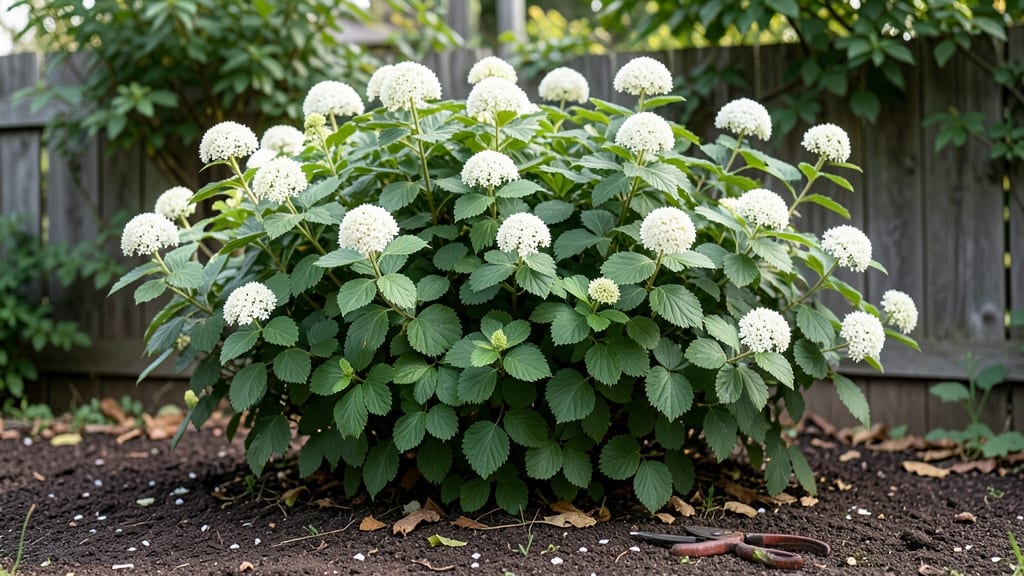
Snowball tree pruning transforms winter's stark branches into a year-round architectural masterpiece—and the photos prove it. 🌿 I’ve watched my own snowball viburnum go from a tangled mess to a sculpted centerpiece, its bare winter limbs forming delicate lace against the sky.
The key isn’t just cutting back; it’s shaping the tree to highlight its natural elegance, whether as a standalone statement or paired with evergreens for contrast.
What makes this pruning so satisfying is how the structure reveals itself across seasons. In spring, those same branches burst into cloud-like white blooms, while summer’s glossy foliage softens the framework.
The photos in this guide show how to time cuts for maximum impact—no guesswork, just confident shaping that keeps the tree looking intentional, not neglected. Even a 10-minute trim in late winter can set the tone for the whole year.
You’ll end up with a tree that’s both functional and dramatic—one that anchors your garden like a living sculpture. The photos highlight how to layer pruning for height, width, and bloom density, plus how to pair snowball viburnums with companion plants for year-round interest.
Think of it as winter’s hidden gift: a bare-branched beauty that becomes the garden’s star when everything else sleeps.
Whether you’re working with a mature specimen or a young sapling, the principles stay the same. The guide covers everything from basic tools to advanced shaping techniques, with before-and-after photos that show real transformations.
No green thumb required—just patience and a willingness to see the tree’s potential beyond its seasonal changes.
📚 In This Guide
- What you need
- Instructions
- Tips and common mistakes
- Wrapping up and next steps
What you need
- ● Pruning shears: Bypass shears (for clean cuts on small branches) – 1 pair (look for sharp, ergonomic handles).
- ● Loppers: For thicker branches (½"–1½" diameter) – 1 pair (with a long handle for reach).
- ● Pruning saw: For stubborn, large branches (1½"+ diameter) – 1 saw (curved blade for precision).
- ● Gloves: Heavy-duty, cut-resistant gloves – 1 pair (protects from thorns and rough bark).
- ● Disinfectant: 70% isopropyl alcohol or pruning sealant – small bottle (prevents disease spread).
- ○ Extension pole: Optional but handy for high branches – 1 pole (10–12 ft, with a saw attachment if needed).
- ● Safety gear: Safety glasses (to shield from debris) – 1 pair.
- ● Ladder: Sturdy, weather-resistant ladder – 1 ladder (if branches are >6 ft high).
- ● Notebook & pen: To sketch your pruning plan or mark cuts – 1 notebook.
- ● Rake or tarp: For cleanup – 1 rake or tarp (collect debris easily).
- ● Weather check: Prune on a dry, calm day (avoid frost or rain).
How to prune a snowball tree for perfect year-round structure
Here’s my foolproof method for shaping snowball viburnums that stay stunning through every season.
🌿 Step 1: Time Your Pruning for Optimal Growth
Prune your snowball tree immediately after flowering—typically in late spring or early summer—when the white blossoms have faded. This timing ensures you don’t cut off next year’s flower buds, which form on old wood. Wait too long, and you risk sacrificing blooms for the following season.
If you missed the window, don’t panic. A light shaping in late winter or early spring (before buds swell) is better than no pruning at all. Just avoid heavy cuts then, as new growth won’t have time to harden off before winter.
✂️ Step 2: Remove Dead, Diseased, or Weak Wood First
Start by inspecting the tree for any branches that are dead, broken, or crossing. Dead wood is easy to spot—it’s brittle, lacks bark, and may have hollow centers. Cut these out at the branch collar (the swollen area where the branch meets the trunk) using clean, sharp pruners. This prevents disease from spreading to healthy wood.
Next, look for branches growing inward or rubbing against others. These compete for sunlight and can create wounds where pests or pathogens enter. Remove one-third of the weakest branches first to open up the canopy and improve airflow. You’ll see a dramatic difference in the tree’s overall health after just a few cuts.
☀️ Step 3: Shape for Balance and Airflow
Snowball trees thrive with an open, rounded shape that lets light penetrate to the center. Step back and visualize the tree’s natural form—aim for a slightly wider base that tapers gently upward. Cut back overgrown branches by one-third of their length to encourage bushier growth and more abundant blooms.
Focus on thinning out dense areas rather than just cutting back the ends. This prevents the tree from becoming too heavy at the top, which can lead to breakage in storms. Use hand pruners for smaller branches and loppers for thicker ones—never leave stubs, as they invite disease.
🪴 Step 4: Maintain Structure Through the Seasons
After the initial pruning, monitor your snowball tree throughout the year. In late summer, give it a light trim to remove any suckers (shoots growing from the base) or water sprouts (vertical shoots growing from the trunk or branches). These compete with the main structure for nutrients.
In winter, when the tree is bare, you can do a final assessment. Prune any branches that grew too vigorously in the previous season, but avoid heavy cuts—this is just about tidying up. A well-maintained snowball tree will reward you with dense blooms and a graceful silhouette for decades.
Tips & tricks for perfect snowball tree pruning
Transforming your snowball tree into a year-round showpiece starts with these essential techniques that preserve its natural beauty while promoting healthy growth.
Timing Secret: The late spring/early summer window after flowering is non-negotiable for maintaining next year's blooms. I've seen too many trees lose their springtime star quality because someone waited too long—those flower buds form on old wood, and cutting them off means fewer blossoms next season. If you miss this window, the late winter/early spring shaping is your safety net, but keep cuts minimal to avoid stressing new growth before winter.
Tool Technique: Sharp pruners aren't just about clean cuts—they're about precision. I always clean my tools with rubbing alcohol between cuts to prevent disease spread, especially when removing dead or crossing branches. For thicker branches, use loppers but never leave stubs—cut just outside the branch collar where the branch meets the trunk. This small detail makes all the difference in how quickly your tree recovers and heals.
Shape Strategy: When visualizing your tree's open, rounded form, think of it like sculpting a living work of art. The one-third reduction of overgrown branches creates that perfect taper from base to top. I like to step back every few cuts to check the silhouette—this prevents that "Christmas tree" look where branches grow too densely at the top. Remember, snowball trees naturally grow wider at the base, so work with that shape rather than against it.
Seasonal Maintenance: That late summer trim for suckers and water sprouts might seem minor, but it's crucial for long-term health. I've seen trees become overrun with these fast-growing shoots that drain energy from the main structure. A quick inspection during this season helps maintain that graceful silhouette we're working toward—think of it as your tree's annual tune-up between major pruning sessions.
Pro Tips for Snowball Tree Photos
- Transforming your snowball tree into a year-round showpiece starts with these essential techniques that preserve its natural beauty while promoting healthy growth.
- Timing Secret: The late spring/early summer window after flowering is non-negotiable for maintaining next year's blooms.
- Tool Technique: Sharp pruners aren't just about clean cuts—they're about precision.
Frequently asked questions
about pruning your snowball tree can help you avoid common pitfalls and achieve that stunning, year-round structure. Here are some of the most common queries:When is the best time to prune a snowball tree?
The ideal time to prune your snowball tree is late winter or early spring, just before new growth begins. This timing ensures you don’t interfere with the tree’s flowering cycle (which happens on old wood) while still shaping it for the year. Avoid pruning in fall, as this can stimulate tender new growth that may not survive winter.
Can I prune a snowball tree in summer?
While you can prune in summer, it’s not recommended unless you’re addressing dead or diseased branches. Summer pruning can stress the tree and reduce next year’s flower production. If you must prune during this time, do so early in the season and keep it minimal to avoid shock.
How much can I prune a snowball tree without harming it?
For healthy snowball trees, you can safely remove up to 25-30% of the foliage in a single pruning session. However, avoid heavy pruning (over 30%) unless it’s absolutely necessary, as this can weaken the tree. Focus on thinning out crowded branches and shaping rather than drastic cuts.
Will pruning my snowball tree reduce its flowers?
Pruning correctly won’t reduce flowers—it may even enhance them by improving airflow and sunlight penetration. However, over-pruning or cutting back flower buds (which form on old wood) can delay or reduce blooms. Always prune after flowering to preserve next year’s blossoms.
What should I do if my snowball tree isn’t blooming after pruning?
If your tree skips blooms, check these common issues:
- Pruned too late: Avoid cutting back after mid-spring.
- Over-pruned: Limit cuts to <25% of the canopy.
- Lack of sunlight: Ensure it gets 6+ hours of sun daily.
- Age or stress: Young trees or those recovering from disease may need patience.
How can I find good reference photos for snowball tree pruning?
For inspiration, search “snowball tree pruning photos” on platforms like:
- Google Images (filter by “Large” for clarity)
- Pinterest (boards like “Tree Pruning Ideas”)
- University extension websites (e.g., Extension.org)
Wrapping up and next steps
Capturing the snowball tree’s winter-bare elegance through pruning photos isn’t just about aesthetics—it’s your blueprint for year-round structure and health. 🌿 Whether you’re a seasoned gardener or just starting, these visual guides and tips give you the confidence to shape your tree with precision.
Now that you’re armed with the right tools, techniques, and answers, it’s time to get pruning!
💡 Next step: Grab your pruners, review your photos for reference, and schedule a pruning session on a calm day. Watch your snowball tree transform into a stunning focal point—one cut at a time!