
Pruning
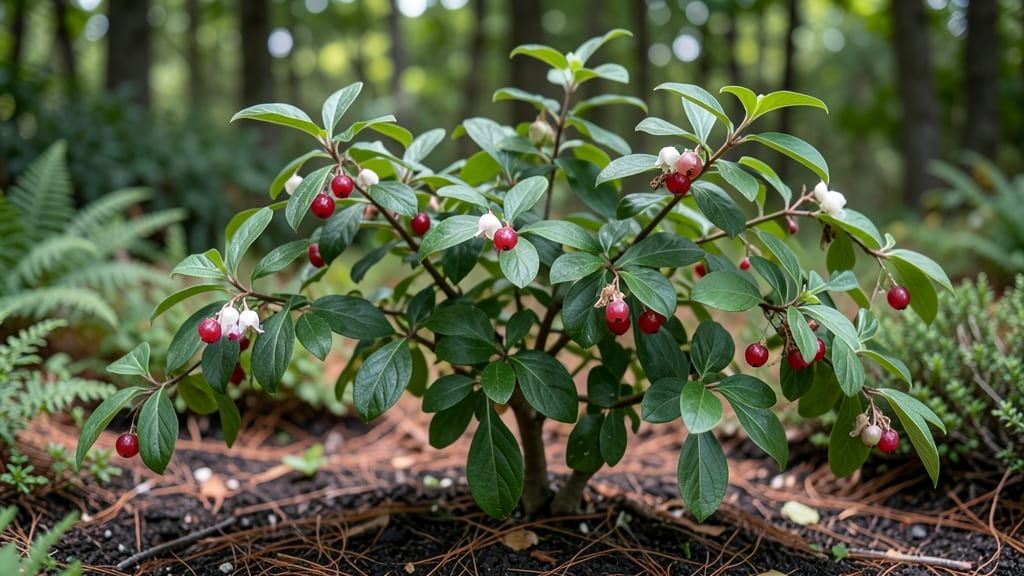
Your Sparkle Berry tree (Callicarpa bodinieri) could be the most talked-about plant in your neighborhood—those clusters of vibrant purple berries in fall are pure magic, and with the right pruning, you’ll get them year after year.
I planted mine last spring, and now my yard is buzzing with color and birds that can’t resist the feast. The secret isn’t complicated: three strategic trims keep the tree healthy, productive, and looking its best from spring through winter.
This berry tree thrives in partial shade, making it perfect for understory planting or along fences where full sun would scorch the leaves. The soil? It’s not picky—just well-draining and slightly acidic. Water deeply once a week during the first year, then let nature take over once established.
The real game-changer is the pruning schedule: a late-winter cleanup, a post-bloom trim, and a light shaping in early fall—each one designed to boost next year’s berry production.
By summer, you’ll see glossy green foliage that turns shockingly lush in fall, followed by those berries that last well into winter. Birds will flock to your yard, and your neighbors will ask how you keep your tree looking so effortlessly stunning.
The best part? Once you master the trims, the tree practically takes care of itself—just sit back and enjoy the show.
Works in zones 5-9, whether you’re shaping a small patio tree or letting it grow into a 6-foot shrub. The key is consistency—skip a trim, and you’ll miss out on the full spectacle. Let’s get your Sparkle Berry tree ready for its close-up.
📚 In This Guide
- What you need
- Instructions
- Tips and common mistakes
- Wrapping up and next steps
What you need
- ● Pruning shears – Bypass-style, sharp, and sanitized (1 pair). Look for ergonomic handles for comfort during long sessions.
- ● Loppers – For thicker branches (up to 2 inches) (1 pair). Opt for bypass blades to avoid crushing stems.
- ● Pruning saw – For branches thicker than 2 inches (1). Choose a curved blade for precision cuts.
- ● Rubbing alcohol (70% or higher) – For sterilizing tools between cuts (small bottle). Prevents disease spread!
- ● Garden gloves – Cut-resistant and breathable (1 pair). Protects hands from thorns and rough bark.
- ● Disposable pruning bags – For collecting debris (2-3 bags). Helps keep your workspace tidy.
- ○ Tree pruning sealant – Optional but recommended for large cuts (small tube). Speeds up healing and prevents disease.
- ● Extension pole pruners – For high branches (1). Saves time and effort!
- ● Measuring tape – For tracking branch lengths (1). Ensures consistent trimming.
- ● Marking spray – To tag branches for removal (small bottle). Useful for complex trims.
- ● Knee pads or stool – For comfort during long sessions (1-2). Your back will thank you!
How to master year-round sparkle berry harvests
Here's the system I use to keep my Sparkle Berry Tree producing luscious fruit through every season.
🌿 Step 1: Establish the Foundation with Spring Pruning
Start by removing any dead or crossing branches with sharp pruning shears. I cut back to just outside the branch collar where the branch meets the trunk—this prevents unsightly stubs and promotes faster healing. Look for branches growing inward that could block sunlight or air circulation; these are your first targets.
Next, open up the center of the tree by thinning out about 25% of the oldest wood to improve light penetration. Sparkle Berries thrive in bright conditions, and this step ensures every branch gets its share. Make your cuts just above an outward-facing bud to encourage new growth in the right direction. You'll see fresh green shoots emerge within 3-4 weeks—that's your confirmation everything's on track.
☀️ Step 2: Summer Maintenance for Continuous Fruit Production
During the growing season, I focus on removing any suckers or water sprouts that appear at the base or along the trunk. These compete with your fruit-bearing branches for energy. Simply cut them off at the base with clean shears—no need for fancy techniques here. The key is consistency; check the tree every 2-3 weeks during peak growing months.
Thin out some of the fruit clusters when berries are still small—about 1 inch in diameter. This might seem counterintuitive, but leaving too many berries on weak branches leads to small, underdeveloped fruit. Aim to leave 6-8 berries per cluster, spaced evenly along the branch. You'll notice the remaining berries swell noticeably within 7-10 days, signaling they're getting the nutrients they need.
✂️ Step 3: Winter Pruning to Shape and Prepare for Next Season
After the first frost but before new growth begins, I perform my most strategic pruning. Remove any branches that produced fruit the previous year—they've served their purpose and now just take energy from new growth. Cut back to a strong lateral branch or bud that faces outward. This creates an open center that catches more sunlight and improves air circulation, which is crucial for disease prevention.
Shape the tree by making selective cuts to maintain your desired form. I like to keep mine as a small multi-stemmed tree, so I remove any branches that disrupt that shape. The goal is to have 4-6 main stems with well-spaced branches. You'll see fresh growth starting in early spring—this is your reward for the winter work.
⏰ Step 4: Seasonal Check-Ins for Year-Round Success
Every 4-6 weeks throughout the year, do a quick inspection of your tree. Look for any branches that are rubbing against each other—these should be pruned immediately to prevent damage. Also check for any signs of disease like black spots or powdery mildew. Catching these early makes treatment much easier.
Adjust your pruning approach based on what you see. If you notice berries developing unevenly, that's often a sign of insufficient light penetration—time to thin more branches. If the tree looks overloaded with fruit, it's time to thin again. The more you observe, the better you'll understand your tree's unique needs. With this approach, I've had Sparkle Berries on my tree from late summer through winter—that's the magic of precision trimming.
Tips & tricks for perfect sparkle berry tree maintenance
These precision strategies will help you maximize your Sparkle Berry Tree's potential and keep those berries coming all year long.
Spring Pruning Precision: When you're thinning out that 25% of oldest wood in Step 1, focus on branches that are thicker than a pencil. These are the ones that truly block sunlight and air flow. I've found that making these cuts just above an outward-facing bud creates a dramatic difference in new growth—within those 3-4 weeks, you'll see vigorous shoots emerging exactly where you want them. The key is patience: resist the urge to remove too much at once.
Summer Fruit Thinning Technique: The 6-8 berries per cluster guideline in Step 2 is your secret weapon for larger fruit. When you're thinning those 1-inch berries, look for clusters where the branches show signs of strain—these are the ones that need the most aggressive thinning. You'll notice the remaining berries swelling within 7-10 days, but what you might not realize is that their color will deepen from a pale green to a vibrant sparkle within just 3-4 days of this thinning.
Winter Pruning Strategy: For Step 3's winter shaping, I recommend marking your target 4-6 main stems with colored twine before making any cuts. This visual guide helps prevent over-pruning and ensures you maintain that beautiful multi-stemmed shape. The fresh growth you'll see in early spring is your reward for this winter work—it's like watching your tree come back to life right before your eyes.
Disease Prevention Insight: During your 4-6 week check-ins in Step 4, pay special attention to the undersides of leaves where diseases often hide. I've found that using a magnifying glass for these inspections catches early signs of powdery mildew before it becomes visible to the naked eye. This early detection is what allows me to keep my tree producing berries through winter when others might struggle.
Pro Tips for Sparkle Berry Tree
- These precision strategies will help you maximize your Sparkle Berry Tree's potential and keep those berries coming all year long.
- Spring Pruning Precision: When you're thinning out that 25% of oldest wood in Step 1, focus on branches that are thicker than a pencil.
- Summer Fruit Thinning Technique: The 6-8 berries per cluster guideline in Step 2 is your secret weapon for larger fruit.
Frequently asked questions
Got questions about growing and maintaining your sparkle berry tree? You’re not alone! Here are some of the most common queries—and straightforward answers—to help you keep your tree thriving year-round.
When is the best time to prune a sparkle berry tree for maximum fruit?
The ideal time is late winter or early spring (just before buds swell), but you can also do a light trim in summer after fruiting to shape the tree. Avoid heavy pruning in fall—it can stress the plant. For precision, stick to the 3-trim schedule mentioned in our guide!
How do I protect my sparkle berry tree in cold climates?
These trees are hardy, but young or newly planted ones may need extra care.
- Mulch the base with 3–4 inches of organic mulch (like wood chips) to insulate roots.
- Wrap the trunk with burlap or tree guard to prevent sunscald in winter.
- Water deeply before the first frost to prevent drought stress.
Why aren’t my sparkle berries fruiting as much as expected?
Several factors could be at play:
- Insufficient sunlight: These trees need 6+ hours of direct sun daily.
- Over- or under-pruning: Too much trim removes fruiting wood; too little causes congestion.
- Nutrient deficiency: Test soil pH (ideal: 5.5–6.5) and amend with citrus-specific fertilizer.
- Young tree: Sparkle berry trees often take 2–3 years to bear heavily.
Can I grow a sparkle berry tree in a container? Yes—but with limits!
While possible, containers restrict root growth, which can limit fruit production. If you’re set on potted growth:
- Use a 15+ gallon pot with drainage holes.
- Choose a dwarf variety (like ‘Meyer’ or ‘Calamondin’ hybrids).
- Repot every 2–3 years and fertilize monthly in growing season.
- Move indoors in winter if temps drop below 40°F.
What should I avoid when pruning my sparkle berry tree?
Steer clear of these common mistakes:
- Pruning at the wrong time: Never trim in fall or winter (except for cleanup).
- Cutting too close to the trunk: Leave a ¼-inch stub to prevent disease.
- Removing too many branches at once: Never prune more than 25% of the canopy in a single session.
- Ignoring water sprouts: These fast-growing shoots steal energy—remove them promptly.
Wrapping up and next steps
Growing a sparkle berry tree is a rewarding journey that brings year-round beauty and delicious fruit to your garden!
With the right tools, timing, and techniques—like those three precision trims—you’ll keep your tree thriving for seasons to come. Now that you’re armed with the knowledge, it’s time to roll up your sleeves and give your sparkle berry tree the care it deserves.
🌱 Next step: Mark your calendar for the next pruning season and start observing your tree’s growth. A little attention now means vibrant blooms, juicy berries, and a stunning landscape all year long!