
Pruning
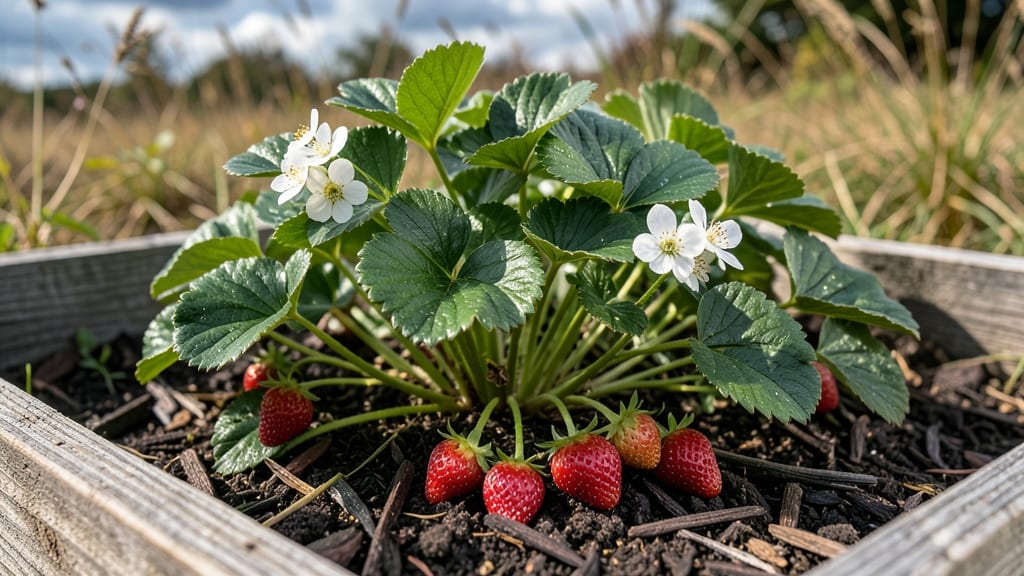
A strawberry apple tree isn’t just another fruit tree—it’s a two-in-one powerhouse that delivers sweet berries in summer and crisp apples in fall. 🌱 I’ve watched mine go from a scraggly sapling to a lush, productive tree, and the pruning during dormancy is what keeps it thriving.
The key? Timing, technique, and a little patience to shape it just right for that heavy harvest you’re dreaming of.
Most gardeners skip dormant-season pruning, but that’s where you unlock the tree’s full potential. You’ll need sharp pruners, a clean workspace, and maybe a ladder—though my tree stays manageable at just 6 feet tall with proper care.
The goal is to open up the center for airflow, remove dead wood, and encourage strong new growth where the fruit forms. It’s not rocket science, but it does require a steady hand and an eye for structure.
What you’ll end up with is a tree that bursts with bright red strawberries in June and golden apples by September. The branches stay sturdy, the fruit sets heavily, and you avoid the common problem of overcrowded limbs shading out the center.
Plus, the tree becomes a showstopper in your yard—imagine the conversations when neighbors see what you’re growing!
This method works best in USDA Zones 5-8, where cold winters help reset the tree naturally. If you’re in a warmer zone, you’ll adjust timing slightly, but the principles stay the same. Let’s get those pruners ready and turn your tree into the star of your orchard.
📚 In This Guide
- What you need
- Instructions
- Tips and common mistakes
- Wrapping up and next steps
What you need
- ● Pruning shears: Bypass pruners (sharp, clean, and disinfected with rubbing alcohol or bleach solution—1 part bleach to 9 parts water) to avoid spreading disease. Size: 6–8 inches for precision cuts.
- ● Loppers: For thicker branches (½–1½ inches in diameter). Look for bypass-style loppers with a long handle (24–36 inches) for leverage.
- ● Pruning saw: A folding pruning saw with fine teeth for branches thicker than 1½ inches. Pro tip: Oil the blade if storing for winter!
- ○ Gloves: Heavy-duty gardening gloves (nitrile-coated for grip and protection against thorns/sap). Optional: Arm sleeves for extra defense!
- ● Disinfectant: 70% isopropyl alcohol or a commercial pruning sealant (like Tanglefoot Tree Wound Pruning Seal) to prevent bacterial/fungal infections.
- ○ Bucket or bag: A 5-gallon bucket (for small debris) or a heavy-duty trash bag (for larger branches). Optional: A wheelbarrow if you’ve got a lot of trimmings!
- ● Ladder or step stool: A stable, extendable ladder (or a foldable step stool) rated for at least 250 lbs—safety first!
- ● Notebook & pen: To jot down notes on cuts, branch angles, or future pruning plans. Tech-savvy? Use a waterproof field notebook or a phone app like iNaturalist.
- ● Handheld leaf blower: For quick cleanup of sawdust and small debris. Bonus: Saves your back!
- ● Pruning paint: Tree wound paint (like Dynamat) to seal large cuts (2+ inches). Note: Only use on cuts bigger than a pencil’s width!
- ● Safety gear: Safety glasses (to shield from flying debris) and earplugs (if using a chainsaw for very thick branches).
- ● Tree ties: Soft fabric ties (3-inch width) to secure branches if your tree has weak crotches.
- ● Compost bin: To recycle pruned branches into mulch or compost. Pro tip: Smaller branches break down faster!
- ● Timing: Prune during dormant season (late winter/early spring, before buds swell). Ideal temp: 40–50°F (4–10°C).
- ● Weather: Choose a dry, cloudy day to avoid stressing the tree. Avoid: Pruning after rain or in extreme heat!
- ● Tree health check: Inspect for diseases (fire blight, apple scab) or pests (borers, aphids) before pruning. Quarantine: Remove infected branches first and burn or bag them.
- ● Safety prep: Wear closed-toe shoes and avoid loose clothing. Clear the area: Remove tripping hazards and keep kids/pets at a distance!
Step-by-step guide for pruning your strawberry apple tree
Here's how to shape your tree for a bountiful harvest—without overcomplicating things.
🌿 Step 1: Assess the Tree’s Structure in Late Winter
Start by examining your strawberry apple tree when it's fully dormant but before buds swell—usually in late February to early March. Look for dead, diseased, or crossing branches that rub against each other. These are your first targets, as they compete for energy and can damage fruit.
I like to stand back and scan the tree from all sides. Hold a pruning saw in one hand and a sharp pair of secateurs in the other—you’ll need both for different branch sizes. Focus on branches thinner than a pencil first; these are easier to remove without disrupting the tree’s balance.
✂️ Step 2: Remove Dead, Diseased, and Problematic Branches
Cut out dead wood first—it’s easy to spot by its dry, brittle texture and lack of bark. Make clean cuts just outside the branch collar (the swollen area where the branch meets the trunk). Avoid leaving stubs; they invite rot and pests.
Next, tackle crossing branches and those growing inward. These compete for sunlight and air circulation, reducing fruit quality. Use your secateurs to make a 45-degree angle cut just above an outward-facing bud. This encourages new growth in the right direction. If a branch is thicker than 2 inches, switch to your pruning saw for a smoother cut.
☀️ Step 3: Thin Out to Improve Airflow and Light Penetration
Now, focus on thinning the canopy to let sunlight reach the center of the tree. Remove about 20-30% of the total branches, prioritizing those that are too close together or shading others. Aim for an open, vase-like shape—this prevents fungal diseases and makes fruit easier to harvest.
Watch for suckers (shoots growing from the base or roots) and water sprouts (fast-growing vertical shoots). These drain energy from fruit production. Snip them off at the base with your secateurs. Here’s the thing—don’t overdo it. You’re shaping, not deforesting.
🪴 Step 4: Shape for Future Growth and Fruit Production
Encourage a balanced, outward-growing structure by pruning branches that grow straight up or inward. Cut just above a bud facing the outside of the tree. This redirects energy to horizontal branches, where most fruit develops.
Leave 3-5 main scaffold branches evenly spaced around the trunk. These will form the tree’s skeleton. For strawberry apple trees, I like to keep the center open to prevent humidity buildup, which can lead to rot. Step back often to visualize the tree’s shape—you’re sculpting, not just hacking.
⏰ Step 5: Clean Up and Apply Protective Measures
After pruning, sterilize your tools with rubbing alcohol to prevent spreading disease. Collect and dispose of all clippings—don’t leave them under the tree, as they can harbor pests and fungi.
Apply a dormant oil spray (like horticultural oil) to protect against overwintering pests. This is also a great time to mulch the base with 2-3 inches of organic mulch to retain moisture and suppress weeds. Avoid piling mulch against the trunk—keep it 3-4 inches away to prevent rot.
Tips & tricks for perfect strawberry apple tree pruning
Don't let pruning overwhelm you—these simple tricks will help you shape your tree like a pro. The key is patience and precision, not brute force.
Timing is Everything: The late February to early March window is critical because your tree is fully dormant but hasn't started its spring growth yet. This timing prevents stressing the tree and gives it time to heal before new growth begins. If you miss this window, wait until after the tree has fully leafed out in spring—just avoid pruning during active flowering or fruiting periods.
Tool Technique: Always sterilize your tools with rubbing alcohol between cuts to prevent spreading disease from branch to branch. I've made the mistake of skipping this step and ended up with more problems than I solved. For branches thicker than 2 inches, use your pruning saw to make clean cuts just outside the branch collar—this prevents tearing and promotes faster healing. A sharp tool makes all the difference!
Visualization Tip: Step back frequently to visualize your tree's shape. Imagine an open vase form with sunlight reaching the center. This isn't just about removing branches—it's about sculpting the tree's future. I like to sketch a rough outline on paper first to plan my cuts before making them. This prevents over-pruning and helps maintain that perfect balance between 20-30% removal and keeping enough foliage for photosynthesis.
Seasonal Follow-Up: After pruning, mark your calendar for late spring to check for any new suckers or water sprouts that may have appeared. These fast-growing shoots can drain energy from your fruit production. A quick monthly inspection during the growing season keeps your tree in top shape. Remember, pruning isn't a one-time event—it's an ongoing conversation with your tree.
Pro Tips for Strawberry Apple Tree
- Don't let pruning overwhelm you—these simple tricks will help you shape your tree like a pro.
- Timing is Everything: The late February to early March window is critical because your tree is fully dormant but hasn't started its spring growth yet.
- Tool Technique: Always sterilize your tools with rubbing alcohol between cuts to prevent spreading disease from branch to branch.
Frequently asked questions
Got questions about pruning your strawberry apple tree?
You’re not alone! Here are answers to the most common concerns—so you can confidently shape your tree for a bountiful harvest.
When is the best time to prune a strawberry apple tree?
The ideal window is late winter or early spring (just before buds swell), while the tree is still dormant. This timing minimizes stress, promotes strong regrowth, and prevents disease spread. Avoid pruning in fall—it can leave wounds vulnerable to pests and winter damage. Pro tip: If you missed dormant season, wait until late spring, but prioritize removing dead or diseased branches first.
How much should I cut back my strawberry apple tree?
For young trees (under 3 years), aim to remove 20–30% of the canopy to encourage structural growth. Mature trees can handle 15–25% pruning annually. Focus on:
- Dead, crossing, or crowded branches (thinning cuts)
- Suckers at the base (remove them completely)
- Water sprouts (vertical shoots—cut back to a lateral branch)
Will pruning affect fruit production?
Pruning boosts fruit quality and quantity when done correctly! By improving airflow and sunlight penetration, you reduce disease risk and encourage larger, sweeter strawberry-apple hybrids. However, over-pruning (especially in fruit-bearing years) can temporarily lower yields. Balance is key—prioritize thinning over heavy cuts during peak production seasons.
What if my strawberry apple tree isn’t fruiting after pruning?
Several factors could be at play:
- Age: Young trees (1–2 years) focus on growth—be patient!
- Light/Water: Ensure it gets 6+ hours of sun and consistent moisture (drought stress halts fruiting).
- Pruning Mistakes: Check for over-pruning or removing too many fruiting spurs (small clusters of buds).
- Fertilizer: Test soil for nitrogen, phosphorus, and potassium—a balanced 10-10-10 fertilizer can help.
Can I prune a strawberry apple tree in containers?
Yes! Container-grown trees follow the same pruning rules, but with extra care:
- Use sterilized tools to avoid soil-borne diseases in small pots.
- Prune after repotting (if needed) to reduce stress.
- Monitor root growth—root-bound trees may need annual pruning to balance top and root mass.
- Pro tip: Dwarf varieties (like ‘Strawberry Candy’) thrive in containers and handle pruning even better due to their compact size.
Wrapping up and next steps
Growing a thriving strawberry apple tree starts with mastering dormant-season pruning—your secret weapon for lush growth and bountiful harvests! 🌱 By following the right techniques, you’ll encourage strong branches, better airflow, and those sweet, juicy fruits you’ve been dreaming of.
Now that you’re armed with the how-to, it’s time to roll up your sleeves and give your tree the care it deserves.
Ready to transform your backyard? Pick a calm day, grab your tools, and start pruning with confidence! Your future harvests will thank you. 🍓🍎