
Pruning
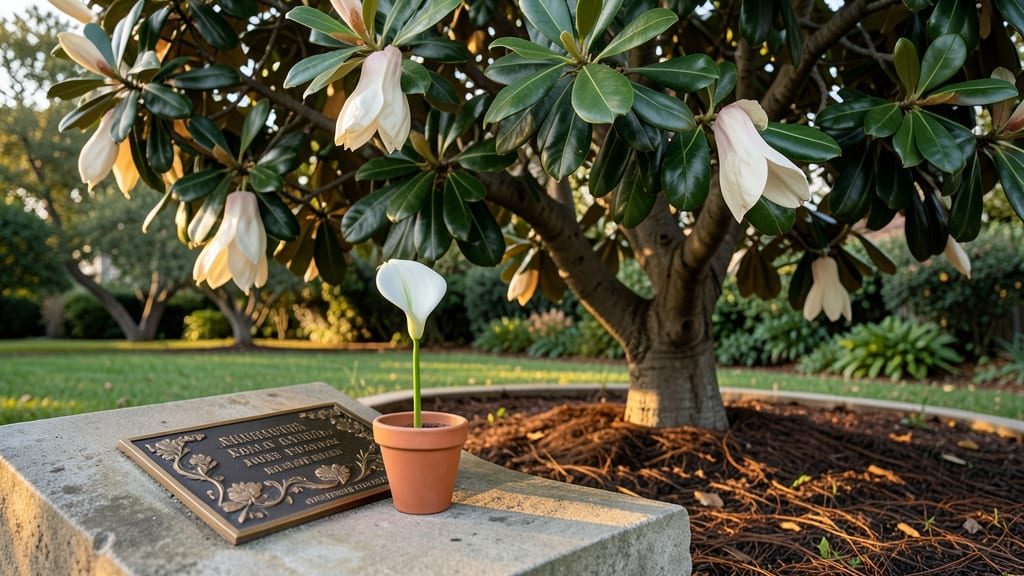
Planting a tree in memory of someone turns grief into growth—literally. 🌳 The right tree becomes a living tribute that grows stronger with each passing year, its leaves whispering stories only those who loved them know.
My first memorial tree, a sturdy oak, now stands where my grandfather used to sit on the porch, its roots running deep into the same soil he tilled for decades.
The process starts with choosing a tree that matches both the climate and the spirit of the person you’re honoring. A weeping cherry for elegance, a white pine for resilience, or a dogwood for delicate beauty—each species carries its own meaning.
Consider how tall it’ll grow, how fast it matures, and whether it needs full sun or shade. I involved my family in selecting ours, and their input made the tree feel even more personal.
You’ll create a space that feels sacred yet natural—a spot where sunlight filters through leaves just right, where benches invite quiet reflection, and where future generations can gather. The first year is about nurturing the roots, but after that, the tree becomes self-sufficient, standing as a reminder that love endures.
Even in the coldest winter, its silhouette will be there, waiting for spring.
Think about adding a plaque with their name and dates, or planting wildflowers around the base to attract butterflies—small touches that turn the tree into a place, not just a plant.
The hardest part isn’t the digging; it’s choosing the perfect spot where the tree will thrive, just like the memories you’re planting alongside it.
📚 In This Guide
- What you need
- Instructions
- Tips and common mistakes
- Wrapping up and next steps
What you need
- ● Tree sapling or young tree: Choose a native species (e.g., oak, maple, or dogwood) for longevity and ecological benefits. Size: 4–6 feet tall, with a sturdy trunk (1–2 inches in diameter).
- ● Shovel: A digging shovel (16–18 inches long) for planting holes.
- ● Garden gloves: Durable, waterproof gloves to protect your hands.
- ● Mulch: 2–3 bags (3 cubic feet each) of organic mulch (wood chips or bark) to retain moisture and suppress weeds.
- ○ Staking kit (optional but recommended): 2–3 wooden stakes (4–6 feet long) and soft tree ties to support young trees.
- ● Watering can or hose: A soaker hose or watering can with a rose attachment for gentle watering.
- ● Fertilizer (slow-release): 1–2 bags of organic tree fertilizer (e.g., 10-10-10 NPK ratio).
- ● Memorial plaque or engraved stone: A weather-resistant marker (e.g., granite or bronze) with the loved one’s name and dates.
- ● Decorative elements: Solar-powered garden lights, wind chimes, or a small bench for a serene space.
- ● Soil amendments: Compost or mycorrhizal fungi to boost root health (especially for clay-heavy soil).
- ● Tree guard: A protective wrap to shield the trunk from pests or lawn equipment.
- ● Personalized touches: Painted rocks, a small garden flag, or a handwritten note tied to the tree.
Step-by-step instructions for planting a memorial tree
Here's how to create a lasting tribute with purpose and care.
🌱 Step 1: Choose the Right Tree and Location
Select a tree species that holds personal significance—perhaps one your loved one cherished or that thrives in your climate. Deciduous trees like oak or maple offer seasonal beauty, while evergreens like pine provide year-round presence. Consider mature size: a 10-foot tree needs 15 feet of space for roots to grow comfortably.
Find a sunny spot with well-draining soil. Avoid low areas where water pools—roots need oxygen, not soggy conditions. Test the soil by digging a 6-inch hole: if water drains within 10 minutes, the site is ideal. I always check with neighbors first—some communities have tree-planting guidelines to protect existing infrastructure.
🪴 Step 2: Prepare the Planting Site
Dig a hole twice as wide as the tree's root ball but no deeper—this encourages roots to spread horizontally. Loosen the sides with a shovel to prevent compacted soil from restricting growth. The hole should be 3-4 inches deeper than the root ball's bottom to accommodate backfill settling.
Mix the native soil you removed with 2 inches of compost (if available) to enrich nutrients. Avoid heavy amendments like manure—they can burn tender roots. Tap the tree's container gently to release it if pot-bound, then slide the root ball out. Check for circling roots and untangle them carefully with your fingers.
☀️ Step 3: Plant and Stabilize the Tree
Position the tree so the top of the root ball sits 1-2 inches above ground level—this prevents water from pooling at the stem. Lower it into the hole while a helper holds it upright. Fill the hole with your soil-compost mix, tamping down gently every 2 inches to eliminate air pockets. Water thoroughly as you go to settle the soil.
Create a 4-inch-high berm of soil around the outer edge of the hole to direct water toward the roots during rain. Install a tree stake only if needed (for young or top-heavy trees), attaching it loosely with 2 strips of rubber to avoid girdling the trunk. Mulch with 3 inches of wood chips, keeping it 6 inches away from the trunk to prevent rot.
💧 Step 4: Water and Maintain Through Establishment
Water deeply immediately after planting, then once a week for the first year—10-15 gallons per watering for a mature tree. Check soil moisture by pushing a finger 2 inches deep: if dry, water again. Avoid overhead sprinklers, which can spread disease. A drip irrigation system is ideal for consistent moisture.
Monitor the tree monthly for signs of stress: yellowing leaves may indicate overwatering, while crispy edges suggest underwatering. Prune only to remove dead branches in the first year—never "thin" a young tree. By year three, your memorial tree should be self-sustaining, its roots deep enough to access natural rainfall.
Tips & tricks for thoughtful memorial tree planting
Planting a tree as a lasting tribute takes more than just digging a hole—here's how to ensure your memorial grows strong and meaningful.
Location Intelligence: Before you dig that 6-inch test hole, walk the area during different times of day. Morning sun can feel different from afternoon heat—choose a spot where your tree will thrive year-round. I once planted a memorial tree in partial shade that struggled for years; full sun makes all the difference for most species. Also check utility lines—call 811 before digging to avoid buried cables or pipes.
Root Ball Prep: When you tap the container to release the root ball, do it gently but firmly—you want to break the bond with the pot without damaging roots. If you find circling roots (common in container-grown trees), carefully untangle them with your fingers. This step prevents girdling as the tree matures. I've seen memorial trees fail because of this overlooked detail—don't let it happen to yours.
Watering Wisdom: That first deep watering after planting is critical, but the weekly schedule matters too. Use a rain gauge or tuna can (which holds 10 gallons) to measure your 10-15 gallons per watering. Water slowly at the base—don't just pour and run. I recommend watering in the morning so the tree can absorb moisture before evening evaporation. A soaker hose works perfectly for this.
Long-Term Care: The 3-inch mulch ring you create serves two purposes: temperature regulation and moisture retention. But remember—keep that mulch 6 inches away from the trunk. Piling it against the bark can cause rot. I've seen memorial trees develop cankers from improper mulching, so this spacing is non-negotiable. Also, refresh the mulch annually as it breaks down.
Pro Tips for Tree In Memory Of Someone
- Planting a tree as a lasting tribute takes more than just digging a hole—here's how to ensure your memorial grows strong and meaningful.
- Location Intelligence: Before you dig that 6-inch test hole, walk the area during different times of day.
- Root Ball Prep: When you tap the container to release the root ball, do it gently but firmly—you want to break the bond with the pot without damaging roots.
Frequently asked questions
Planting a tree in memory of someone is a beautiful way to honor their legacy, but it’s natural to have questions along the way. Here are answers to some of the most common inquiries to help you plant with confidence and peace of mind.
What’s the best type of tree to plant in memory of someone?
The ideal tree depends on your climate, space, and the person’s personality. Fast-growing species like weeping willows or red maples symbolize resilience, while slow-growing oak trees represent enduring love. Native trees are low-maintenance and support local ecosystems—check with a local nursery for recommendations!
How long does it take for a memorial tree to grow into something meaningful?
Most trees take 5–10 years to reach maturity, but their emotional significance grows immediately. A sapling planted today becomes a living tribute tomorrow. For quicker impact, choose a fast-growing species or plant a small ornamental tree that matures faster (like a dogwood).
Is there a budget-friendly way to plant a memorial tree without breaking the bank?
Start with a $20–$50 sapling from a local nursery or conservation group. Many organizations (like American Forests) offer discounted or free trees for memorial plantings. Repurpose materials like old bricks or stones for a DIY marker instead of expensive monuments.
Can I plant a tree in memory of someone in a small yard or urban space?
Yes! Opt for dwarf varieties, container-grown trees, or ornamental shrubs like Japanese maples. Urban-friendly options include crepe myrtles or serviceberry bushes. If space is extremely limited, consider a memorial garden with herbs or flowers alongside the tree for a meaningful touch.
What if the tree doesn’t survive? How can I ensure it thrives?
Even the hardiest trees can struggle with poor soil, pests, or weather. Water deeply 2–3 times a week for the first year, mulch to retain moisture, and avoid over-pruning. If the tree fails, replant or add a memorial plaque nearby to acknowledge its short-lived beauty. Nature is unpredictable—intent matters more than perfection!
Do I need a special permit to plant a memorial tree in a public space?
Rules vary by location. Check with your city’s parks department or homeowners’ association if planting on public land or in a neighborhood. Some areas require permits for large trees, while others offer community memorial tree programs. When in doubt, start with private property for a hassle-free planting.
Wrapping up and next steps
A tree in memory of someone is more than just a plant—it’s a living tribute that grows with love, time, and cherished memories. Whether you’re planting for a lost loved one, a mentor, or someone who inspired you, this act of kindness ensures their legacy flourishes for generations.
Let their spirit take root in your heart and your garden.
Ready to honor their memory? Start small:
- 🌱 Choose a tree that holds meaning—perhaps one they loved or a species symbolic to your bond.
- 📅 Pick a special date (birthday, anniversary, or a meaningful moment) to plant it.
- 💬 Share the story with family or friends to keep the memory alive.