
Pruning
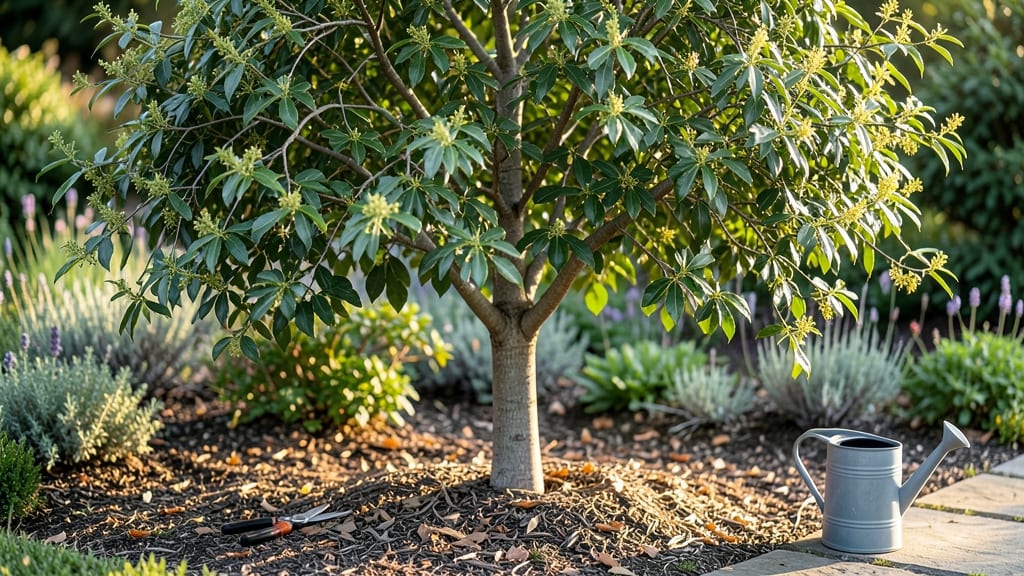
Transforming your landscape with a weeping Chinese elm tree starts with understanding its graceful, cascading branches—each one shaped by precise pruning that reveals its natural elegance. 🌿 I’ve spent years refining my approach to coax out that signature weeping form, and the secret lies in timing, technique, and a little patience.
This tree isn’t just ornamental; it’s a statement piece that thrives with the right care, turning ordinary yards into living art.
The magic happens in late winter or early spring, when the tree is dormant but ready to respond. You’ll need sharp pruning shears, a sturdy ladder (for higher branches), and a clear vision of the shape you want—think of it like sculpting with green.
The goal is to encourage those long, graceful branches to weep downward while maintaining a sturdy structure. Over time, this method creates a canopy that looks like it belongs in a botanical garden, not just your backyard.
By summer, you’ll see the results: lush, arching branches heavy with small, textured leaves that catch the light beautifully. The tree’s natural disease resistance and adaptability make it a low-maintenance star, but the real reward is watching it mature into a focal point that turns heads.
Whether you’re trimming for shape or just keeping it healthy, every cut brings you closer to that dreamy, weeping silhouette.
Works equally well in urban spaces, large gardens, or even as a striking container specimen. The key is consistency—prune annually, and you’ll have a tree that’s both functional and breathtaking. Ready to shape your own masterpiece?
📚 In This Guide
- What you need
- Instructions
- Tips and common mistakes
- Wrapping up and next steps
What you need
- ● Pruning shears: Bypass pruners (sharp, clean blades) for small to medium branches (e.g., Fiskars X27 or Felco F-2).
- ● Loppers: 1–2 pairs (20–24" handles) for thicker branches (up to 2" diameter).
- ● Pruning saw: Curved-tooth saw (e.g., Bahco Laplander) for stubborn, large branches (2"+ diameter).
- ● Extension pole: 6–10 ft telescoping pole with pruner attachment for high branches.
- ● Gloves: Heavy-duty, cut-resistant gloves (e.g., Wolverine Waffle Grip) to protect hands.
- ● Disinfectant: 70% isopropyl alcohol or Tanglefoot Pruning Seal to sterilize tools between cuts.
- ○ Pruning sealant: Optional but recommended (e.g., Ortho Pruning Seal) for large cuts to prevent disease.
- ● Safety glasses: ANSI-rated goggles to shield eyes from debris.
- ● Work boots: Sturdy, slip-resistant footwear (e.g., Timberland Pro).
- ● Ladder: Sturdy, extendable ladder (rated for your weight + tools). Pro tip: 💡 Use stabilizers or a helper for safety!
- ● Trash bags: 2–3 heavy-duty bags (30+ gallon) for pruned branches.
- ● Water & snacks: Hydration breaks are key—especially on sunny days!
- ● Pole saw: For ultra-high branches without a ladder.
- ● String line: To outline desired branch lengths before cutting.
- ● Camera: Snap progress photos to track your tree’s transformation!
- ● First-aid kit: Just in case (bandages, antiseptic wipes).
Step-by-step instructions for shaping a weeping Chinese elm tree
Here's how to sculpt that stunning, graceful canopy—without stressing the tree.
🌿 Step 1: Assess the Tree's Natural Growth Pattern
Start by observing your weeping Chinese elm's natural branching habit. Look for the primary scaffold branches—these are the main limbs that form the tree's framework. These branches should emerge at a 45-60 degree angle from the trunk for structural integrity. If they're growing too upright, they'll need gentle guidance to encourage that elegant weeping form.
Run your hand along each branch to feel the wood texture and flexibility. Young, flexible branches respond best to shaping, while older, woody branches are harder to redirect. This is your first clue about how aggressively you can trim. I always make my first cuts in late winter or early spring, when the tree is still dormant but about to burst with new growth.
✂️ Step 2: Prune for Structure and Airflow
Use clean, sharp bypass pruners to make your first cuts. Start by removing any dead, diseased, or crossing branches—these compete with healthy growth and can invite pests. Cut just outside the branch collar (the swollen area where the branch meets the trunk) to prevent tearing and promote faster healing. You'll see a slight ridge where the cut should end—this is your visual guide.
Next, focus on the inner branches that grow toward the center of the tree. These create a dense, dark canopy that blocks light and airflow. Thin them out by cutting back to the nearest outward-facing branch or bud. Aim to maintain an open, airy structure that allows sunlight to reach all parts of the canopy. Real talk: if you see brown, crispy leaves in the center, you're overcrowding the tree.
🌱 Step 3: Encourage Weeping Branches
To enhance the weeping effect, you'll want to selectively prune the tips of branches that aren't naturally drooping. Cut back the newest growth (the current year's shoots) by about one-third to encourage lateral branching. This is where the magic happens—the tree will respond by producing shorter, more horizontal side branches that create that cascading look.
Here's the thing—don't cut into old wood. Always prune just above a bud or lateral branch that's facing outward. You'll see these buds as small, slightly raised bumps along the branch. If you're unsure, make a small test cut and observe how the tree responds over the next growing season. Patience is key; shaping a weeping elm takes time, but the results are worth it.
☀️ Step 4: Maintain Shape Through Seasonal Trimming
After the initial structural pruning, switch to light maintenance cuts throughout the growing season. In early summer, give the tree a quick haircut to remove any overgrown or misplaced branches. This keeps the shape you've worked so hard to create. Use hand pruners for small branches and loppers for thicker ones—never use hedge trimmers, as they tear the bark and leave jagged cuts.
Watch for water sprouts—those vertical shoots that pop up along the trunk or branches. These are the tree's way of trying to reach for light, and they disrupt the weeping form. Snip them off as soon as you see them. By late summer, you can do a final light pruning to tidy up any stray branches. The goal is to refine, not reshape—think of it as a touch-up rather than a full makeover.
Tips & tricks for perfect weeping Chinese elm canopy shaping
Transforming your weeping Chinese elm into a stunning architectural masterpiece takes precision—and avoiding these common pitfalls will make all the difference.
Timing is Everything: Late winter or early spring is your golden window for shaping. This dormant period lets the tree heal quickly and respond better to cuts. I've made the mistake of pruning in late summer—your tree will struggle to recover before winter, and you'll see stressed growth. If you miss this window, wait until late fall after leaf drop, but avoid heavy pruning then if your climate has harsh winters.
Tool Selection Matters: Never use hedge trimmers—they tear bark and create jagged cuts that invite disease. Instead, invest in a pair of bypass pruners for branches up to ½ inch thick and loppers for thicker branches. Always keep your tools sharp; dull blades crush rather than cut cleanly. I sterilize my tools with rubbing alcohol between cuts on different branches to prevent spreading any potential infections.
Visual Cues for Perfect Cuts: When pruning to encourage weeping branches, look for the buds facing outward—these are your guides. Make your cut just above the bud at a 45-degree angle to prevent water from pooling. For the one-third reduction of newest growth, imagine dividing the branch into three equal sections and cutting at the first section's end. This visual approach prevents guesswork and gives consistent results.
Seasonal Maintenance Strategy: Your early summer "haircut" should focus on refining rather than reshaping. Lightly trim any branches that have grown beyond your desired shape, but avoid removing more than 25% of the branch's length in one season. By late summer, remove only water sprouts—those vertical shoots that disrupt the weeping form. Think of this as a final touch-up to maintain the elegant silhouette you've created.
Pro Tips for Weeping Chinese Elm Tree
- Transforming your weeping Chinese elm into a stunning architectural masterpiece takes precision—and avoiding these common pitfalls will make all the difference.
- Timing is Everything: Late winter or early spring is your golden window for shaping.
- Tool Selection Matters: Never use hedge trimmers—they tear bark and create jagged cuts that invite disease.
Frequently asked questions
Got questions about achieving that stunning weeping Chinese elm shape?
Here are answers to the most common ones—so you can prune with confidence and keep your tree looking its best!
How often should I trim a weeping Chinese elm to maintain its shape?
Prune your weeping Chinese elm twice a year: once in late winter or early spring (before new growth) to shape the canopy, and again in summer (after flowering) for touch-ups. Avoid heavy pruning in fall—it can stress the tree before winter. Focus on selective trimming to encourage that graceful, cascading form!
How long does it take for a weeping Chinese elm to develop its signature weeping shape?
Patience is key! With consistent pruning, you’ll start seeing noticeable weeping branches in 2–3 years. However, full maturity (that dramatic, fountain-like silhouette) typically takes 5–10 years, depending on the tree’s age and growing conditions. Young trees may need annual shaping to guide growth.
Can I prune a weeping Chinese elm too much? What are the signs?
Yes—over-pruning can weaken the tree or stunt growth. Watch for thinning foliage, excessive water sprouts (suckers), or bare branches. If you’ve trimmed more than 25% of the canopy in one session, you’ve likely gone too far. Always prioritize structural branches and avoid cutting back more than 1/3 of a branch’s length at once.
Are there alternatives to the weeping Chinese elm for a similar look?
If you love the weeping silhouette but want options, consider:
- Weeping Norway Maple – Hardy and fast-growing, with vibrant fall color.
- Weeping Silver Birch – Delicate, white-barked branches for a whimsical touch.
- Crape Myrtle (weeping varieties) – Drought-tolerant with stunning summer blooms.
- Japanese Snowbell Tree – Fragrant flowers and a graceful, arching form.
What’s the best tool for pruning a weeping Chinese elm’s fine, flexible branches?
For thin branches (under ½ inch thick), use sharp bypass pruners or hand pruners—they make clean cuts without crushing. For medium branches (½–1 inch), opt for loppers. Avoid hedge trimmers—they can tear bark and damage the tree’s health. Always sterilize tools with rubbing alcohol to prevent disease spread!
Wrapping up and next steps
The Weeping Chinese Elm is a stunning addition to any landscape, and with the right pruning techniques, you can maintain its dramatic, cascading beauty for years to come. 🌿 Whether you're a seasoned gardener or just starting out, patience and precision will reward you with lush, graceful branches that steal the show.
Ready to transform your outdoor space? Grab your tools, follow the steps you’ve learned, and start pruning with confidence. Your Weeping Chinese Elm—and your neighbors—will thank you!