
Plants
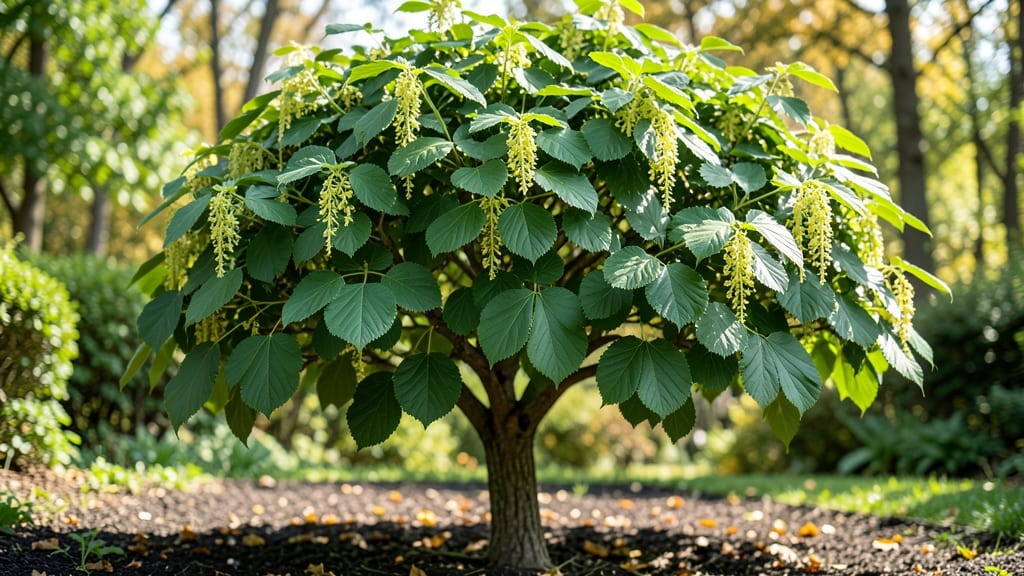
What does lime tree look like—you’ll recognize it instantly by its glossy, dark green leaves that shine like polished mahogany, especially in full sun. 🌿 The leaves are oval-shaped with pointed tips, about 2-4 inches long, and grow in clusters along the branches, creating a lush, tropical look.
Persian limes have slightly broader leaves, while Key limes are smaller and more compact, but both share that signature sheen that makes them stand out in any landscape.
The real showstopper? Those fragrant white floral clusters that appear in spring, filling the air with a sweet, citrusy scent that can drift across your yard.
Each tiny flower turns into the familiar lime fruit—whether the round, bumpy Key lime or the oval, smooth-skinned Persian lime—hanging in clusters that sway gently in the breeze. The bark starts rough and grayish when young but smooths out with age, adding texture to the tree’s mature form.
Mature lime trees can reach 15-20 feet tall, with a rounded canopy that casts dappled shade perfect for patios or poolside seating. Their growth habit is upright yet spreading, making them ideal for backyard accents, container growing (for dwarf varieties), or even as a small orchard centerpiece.
The combination of fragrant blooms, vibrant foliage, and edible fruit makes them a standout in any garden design.
If you’re trying to identify one, look for the combo of glossy leaves, white flowers, and citrusy aroma—no other tree quite matches that profile. Whether you’re planning a new landscape or just admiring a neighbor’s tree, these visual cues will help you spot a lime tree anywhere.
Now you’ll recognize it the moment you see it!
📚 In This Guide
- What you need
- Instructions
- Tips and common mistakes
- Wrapping up and next steps
What you need
- ● Digital camera or smartphone – For capturing close-ups of leaves, flowers, and bark (high-resolution is ideal!)
- ● Field guide or plant identification app – Like iNaturalist, PictureThis, or PlantNet (free options available).
- ○ Magnifying glass (optional but helpful) – To inspect leaf veins, flower structures, or tiny details like thorns.
- ● Notebook and pen – For jotting down observations (e.g., leaf shape, tree height, location).
- ● Gloves (if handling thorny branches) – Lime trees like Citrus aurantifolia can have sharp thorns!
- ● Potted lime tree seedling or cutting – Choose a dwarf variety (e.g., Meyer lime) for containers or a standard variety for outdoor planting.
- ● Well-draining potting mix – A blend of 60% peat moss, 30% perlite, and 10% sand (or a citrus-specific mix).
- ● 10–15 inch pot with drainage holes – For seedlings; upgrade to a 20+ gallon container as the tree grows.
- ● Fertilizer (citrus-specific or high in nitrogen) – Look for a balanced NPK ratio (e.g., 6-6-6) or a slow-release option.
- ● Spray bottle or hose with a fine mist setting – Lime trees love humidity!
- ● Pruning shears – For shaping and maintaining the tree (sterilize blades with rubbing alcohol).
- ● Sunlight access – Lime trees thrive in full sun (6+ hours/day); visit them mid-morning for the best light.
- ● Basic knowledge of citrus trees – Familiarize yourself with common lime tree traits (e.g., oval leaves, fragrant white flowers, oval fruits).
- ● Local climate awareness – Lime trees prefer USDA Zones 9–11; if you’re outside this range, look for indoor varieties.
Step-by-step guide to identifying a lime tree by its signature features
Here's how to spot a lime tree in your yard or neighborhood—no gardening experience needed.
🌿 Step 1: Examine the Leaves for Glossy Green Beauty
Lime trees have dark, glossy leaves that look almost waxy to the touch. Run your fingers over them—healthy leaves should feel smooth and slightly slick, not rough or fuzzy. The edges are smooth and entire (no jagged cuts), and they grow in opposite pairs along the stems.
Young leaves start out a lighter green before deepening to their signature rich hue. If you see oval-shaped leaves with prominent veins running parallel from the center, you're likely looking at a true lime tree. Compare them to nearby trees—lime leaves are noticeably shinier than citrus relatives like lemons or oranges.
🌱 Step 2: Look for White Floral Clusters in Spring
The most distinctive feature? Fragrant white flowers that appear in clustered groups along the branches. These blooms have 4-5 delicate petals and a sweet, citrusy scent that gets stronger on warm days. The flowers grow in small, rounded clusters at the ends of stems.
Timing matters: lime trees bloom in late spring to early summer (around May-June in most climates). If you spot these flowers, you've found a key identifier—lime trees rarely bloom before April or after July. The flowers will eventually give way to fruit, but the scent alone is enough to confirm your tree.
☀️ Step 3: Check the Fruit Shape and Color
Mature lime trees produce oval-shaped fruits that start green and turn yellow when ripe (though some varieties stay green). The skin is thin and slightly bumpy, not smooth like oranges. Hold a fruit—it should feel lightweight for its size, with a distinctive "nose" at the stem end.
Lime fruits grow in small clusters along the branches, often hanging downward. If you see small, round seeds inside when you cut one open, that's another clue—lime seeds are noticeably larger than lemon seeds. The flesh is juicy and tart, with a bright green color that doesn't darken like grapefruit.
🌳 Step 4: Observe the Tree's Overall Shape and Size
Lime trees typically grow as small to medium-sized trees, reaching 15-20 feet tall with a rounded canopy. Young trees have a dense, bushy appearance, while mature trees develop a more open, spreading habit. The bark is smooth and gray when young, developing slight ridges as it ages.
Look for spreading branches that create a natural umbrella shape. Unlike some citrus trees that grow upright, lime trees have a horizontal growth pattern, making them easy to spot in landscapes. If the tree is evergreen (keeps leaves year-round) and has all the features above, you've found your lime tree.
✂️ Step 5: Confirm with a Leaf or Flower Sample
If you're still unsure, take a leaf or flower sample to a local nursery or extension office. The leaf shape, glossy texture, and opposite arrangement are the most reliable identifiers. A quick internet search with photos of your findings will also help—lime trees have very distinct visual traits compared to other citrus varieties.
Here's the thing—lime trees are easy to misidentify with lemon trees or even some ornamental citrus. But once you spot those glossy leaves, white floral clusters, and oval fruits, you'll recognize them instantly. If all these features match, congratulations—you've found a lime tree!
Tips & tricks for perfectly identifying a lime tree
These little-known details will help you spot a lime tree with confidence—no gardening degree required.
Leaf Texture Tip: The glossy, waxy feel of lime leaves is your first clue—run your thumb across the surface. Healthy leaves should feel almost slippery, not dry or rough. This slickness comes from natural oils that protect the tree, and it's a dead giveaway when comparing to other citrus varieties. If you're unsure, hold a leaf up to the light—you should see a faint reflection, like a polished surface.
Flower Timing Secret: The May-June bloom window is non-negotiable for lime trees. If you see those fragrant white clusters before April or after July, you're probably looking at a different citrus. Pro tip: The scent gets stronger on warm afternoons—take a sniff test! This seasonal timing is what sets lime trees apart from ever-blooming varieties like Meyer lemons.
Fruit Shape Comparison: That distinctive "nose" at the stem end of lime fruits is your secret weapon. Hold the fruit in your palm—the stem end should have a slight bulge where the fruit attaches to the branch. This feature is unique to limes and helps distinguish them from rounder lemons or grapefruits. The lightweight feel also matters—lime fruits should feel hollow when shaken, unlike the heavier feel of oranges.
Visual Confirmation Hack: Take a photo of the tree's canopy from a distance. Lime trees develop that classic umbrella shape with horizontal branches—this is different from the upright growth of many citrus trees. If you see a rounded, bushy tree with spreading limbs, you're on the right track. For extra confirmation, snap a close-up of the leaf arrangement—those opposite pairs are the final clue.
Pro Tips for What Does Lime Tree Look Like
- These little-known details will help you spot a lime tree with confidence—no gardening degree required.
- Leaf Texture Tip: The glossy, waxy feel of lime leaves is your first clue—run your thumb across the surface.
- Flower Timing Secret: The May-June bloom window is non-negotiable for lime trees.
Frequently asked questions
Got questions about lime trees? You’re not alone! Here are some of the most common queries about their appearance, care, and identification—plus quick answers to help you spot (or grow) one with confidence.
What does a lime tree leaf look like?
A lime tree’s leaves are shiny, oval-shaped, and dark green, with smooth edges and a slightly pointed tip. They’re about 2–4 inches long and grow in clusters along the branches. Key ID tip: Rub a leaf between your fingers—if it feels waxy or slick, it’s likely a true lime tree (like Key lime or Persian lime).
Do lime trees have flowers, and what do they look like?
Yes! Lime trees produce fragrant, white or pale pink flowers in clusters (called panicles). Each flower has 4–5 petals and a yellow center. They bloom in spring/summer and attract bees—but don’t eat them! The flowers are edible (used in teas or garnishes), but they’re not the same as the fruit.
How can I tell the difference between a lime tree and a lemon tree?
Here’s a quick cheat sheet:
- Leaves: Lime leaves are shinier and thinner; lemon leaves are broader and slightly duller.
- Fruit: Limes are smaller, rounder, and green/yellow; lemons are larger, oblong, and often yellow when ripe.
- Flowers: Lime flowers are smaller and more clustered; lemon flowers are larger and solitary.
How fast do lime trees grow, and how big do they get?
Lime trees grow at a moderate pace—expect 12–24 inches per year. Mature trees reach 15–20 feet tall (with proper pruning) and 10–15 feet wide. Dwarf varieties (like ‘Meyer’ limes) stay under 6–8 feet, making them ideal for containers. Patience pays off! It takes 3–5 years for a young tree to bear fruit.
Why are my lime tree leaves turning yellow or brown?
Yellow/brown leaves usually signal overwatering, underwatering, or pests. Check these fixes:
- Watering: Lime trees hate soggy roots—water deeply but let the top 2 inches of soil dry out between waterings.
- Pests: Inspect for aphids, scale, or spider mites on undersides of leaves. Spray with neem oil if needed.
- Sunburn: If leaves are crispy and brown, they’re getting too much direct sun. Provide afternoon shade.
Can I grow a lime tree indoors, and what variety is best?
Meyer lime trees
are the top pick for indoors—they’re hardier, produce sweeter fruit, and tolerate lower light. Place it near a south- or west-facing window (6+ hours of sunlight daily). Use a well-draining pot and fertilize lightly in spring/summer. Bonus: They’re self-pollinating, so you’ll get fruit faster!
Wrapping up and next steps
Now that you’ve explored the distinctive features of a lime tree—from its glossy, lance-shaped leaves to its fragrant white flowers and oval, green fruit—you’re well-equipped to spot one in your garden or beyond!
Whether you’re dreaming of growing your own or simply admiring nature’s citrusy beauty, take this knowledge as your first step toward a lush, citrus-filled future 🌿✨.
Ready to plant your own lime tree? Start by checking your local climate, choosing the right variety, and giving it the love it deserves—your future harvest (and fresh limeade!) will thank you!