
Pruning
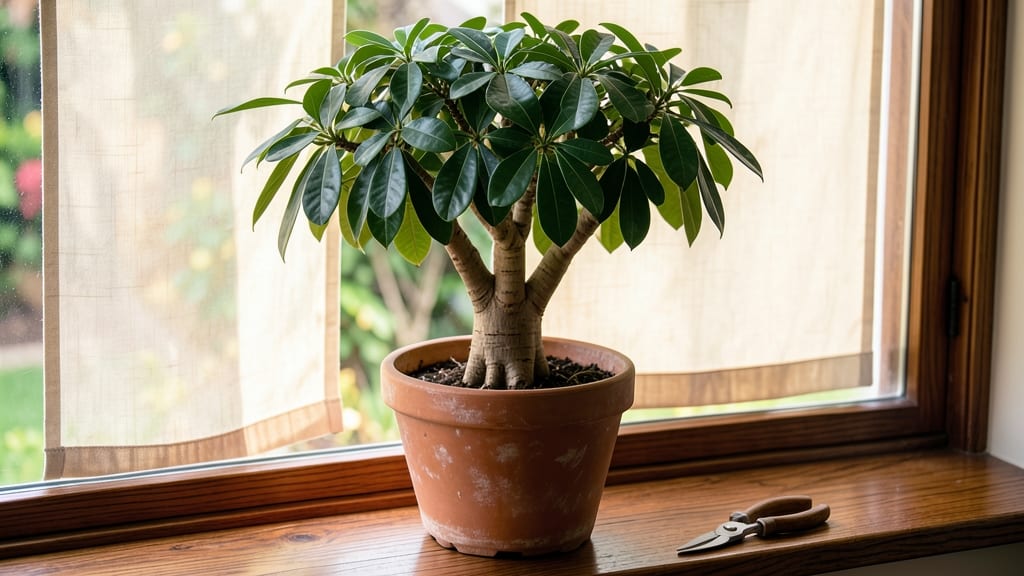
What’s a money tree?
That lush Pachira aquatica brings luck and green vibrancy to any home—just ask Feng Shui fans who swear by its prosperity energy. 🌿 I’ve kept mine thriving for years with just three simple trims. a year, and the secret isn’t complicated: balance growth, prune strategically, and watch it reward you with glossy leaves and that satisfying "I’ve got this" confidence.
The braided trunk alone makes it a statement plant, but the real magic happens when you learn its care quirks.
This tropical beauty thrives in bright, indirect light—think east or west windows—and hates soggy soil. A well-draining potting mix and watering only when the top inch feels dry keeps it happy. Humidity matters too; if your air feels dry, mist those leaves or place it on a pebble tray.
Beginners love it because it’s forgiving, but it still needs minimal attention to stay lush year-round.
With the right trims, you’ll see fresh growth within weeks. Pinch back leggy stems in spring, shape it after summer’s flush, and give it a light haircut in fall.
The result? A compact, bushy plant that stays vibrant through winter—no yellow leaves or sad droopiness. Plus, that braided trunk keeps getting more impressive with each prune.
Whether you’re drawn to its cultural symbolism or just love a plant that’s easy to love, this money tree will pay dividends in happiness. Let’s get those shears out and start trimming for prosperity!
📚 In This Guide
- What you need
- Instructions
- Tips and common mistakes
- Wrapping up and next steps
What you need
- ● Money Tree Plant: 1 healthy Pachira aquatica (5+ inches tall for best results)
- ● Pruning Shears: 1 pair of sterilized, sharp bypass pruners (avoid dull tools that crush stems)
- ● Alcohol Wipes: 2-3 wipes (70% isopropyl alcohol) to sterilize tools
- ○ Rooting Hormone (optional but recommended): 1 small bottle (e.g., Rootone or Clonex)
- ● Small Pots: 2-3 4-6 inch diameter pots with drainage holes (for cuttings)
- ● Well-Draining Soil: 1 bag of cactus/succulent mix or 50% potting soil + 50% perlite
- ● Watering Can or Spray Bottle: 1 (for misting cuttings)
- ● Clear Plastic Bag or Humidity Dome: 1 (to retain moisture for cuttings)
- ○ Plant Labels (optional): 3-5 labels (to track trimming dates)
- ● Slow-Release Fertilizer: 1 pellet or tablet (e.g., Osmocote) for post-trim growth boosts
- ● Hydrogen Peroxide (3%): 1 small bottle (to disinfect cuttings)
- ● Grow Lights: 1-2 LED bulbs (if trimming in low-light months)
- ● Decorative Pots: 1-2 stylish containers (for propagated cuttings)
How to keep your money tree thriving with minimal maintenance
This isn't some high-maintenance plant—just three easy trims keep it lush year-round.
🌿 Step 1: Learn the Plant's Natural Growth Habits
First, understand your money tree (Pachira aquatica) grows in a distinct way. It produces multiple stems from the base when young, but as it matures, it naturally develops a single, sturdy trunk with thick, leathery leaves. The key is recognizing when it's time to shape it—not just when it looks messy.
Here's the thing—money trees grow fastest in spring and summer. That's when you'll see new leaves emerging from the top and sides. Wait until you see at least 4-6 new leaves before trimming. This ensures you're not cutting back too aggressively and risking stress on the plant.
I always check the leaves first: if they're dark green and firm, the plant is healthy. If they're yellowing or dropping, that's a sign of overwatering or poor light—not a reason to trim.
✂️ Step 2: First Trim for Bushier Growth (Spring)
This is the most important trim of the year. In early spring, when the plant has 4-6 new leaves, it's time to encourage bushier growth. Using clean, sharp pruning shears, cut just above a leaf node—this is where new branches will sprout.
Don't cut too much at once. A light trim of 10-15% of the plant's height is plenty. For example, if your money tree is 2 feet tall, trim 2-3 inches from the top. This signals the plant to produce side branches, giving it that full, lush look.
Real talk: I used to overtrim and nearly killed my first money tree. Now I mark the spot with my finger first—right where the leaf meets the stem—and only cut above that point. This ensures new growth will happen exactly where I want it.
🌱 Step 3: Mid-Year Pruning for Shape and Health (Summer)
By mid-summer, your money tree will have filled out nicely. This is when you focus on shaping and removing any dead or yellowing leaves. Use the same clean shears and make cuts at a 45-degree angle just above a leaf node to encourage new growth.
Here's where it gets fun—watch how the plant responds. If you see leggy growth (long, bare stems with leaves only at the top), it's a sign the plant needs more light. Move it to a brighter spot and trim back the leggy stems to half their length. This forces the plant to put energy into new, bushier growth.
I also check for any crossing branches or stems growing inward. These can rub against each other and create wounds where pests or diseases can enter. Simply snip those off at the base with your shears.
🪴 Step 4: Light Winter Maintenance (Fall/Winter)
In fall and winter, your money tree's growth slows down. This is the time for minimal trimming—just remove any dead, yellow, or brown leaves. Avoid heavy pruning during this time, as the plant is conserving energy for the next growing season.
If you notice any bare spots or uneven growth, you can do a very light trim to encourage a more balanced shape. Just a few inches here and there is all you need. The goal is to keep the plant looking tidy without stressing it.
This is also the perfect time to wipe down the leaves with a damp cloth. Dust buildup can block light and reduce photosynthesis. A quick once-over keeps your money tree looking fresh and healthy through the slower months.
Tips & tricks for perfect money tree maintenance
A few simple adjustments can transform your money tree from a basic houseplant to a thriving, statement piece. Here's what I've learned from years of keeping mine lush and happy.
Timing is Everything: The 4-6 new leaves rule in Step 1 is your golden guide—don't rush it! I've ruined growth cycles by trimming too early. Wait until those fresh leaves are fully unfurled and vibrant green before making any cuts. This ensures you're only pruning healthy growth, not just trimming for looks.
Tool Prep Matters: Always disinfect your pruning shears with rubbing alcohol before and after each use. I learned this the hard way when my money tree developed brown spots from contaminated tools. Sterilizing prevents introducing bacteria or fungi to fresh cuts. For Step 2 and Step 3 trims, clean tools mean cleaner cuts that heal faster.
Visual Cues for Perfect Cuts: When making your 45-degree angle cuts in Step 3, imagine you're slicing a pizza—just above the leaf node where new branches will grow. I mark the spot with my finger first to visualize where the cut will land. This helps maintain that perfect angle while keeping your hands steady. The goal is to leave a small bump where the new growth will emerge.
Seasonal Light Adjustments: If you notice leggy growth in Step 3, it's not just about trimming—move your plant to a brighter spot immediately. Money trees need bright, indirect light to thrive. I've found that rotating the plant every few weeks ensures even growth, as windows often have hot spots. South-facing windows work best, but east or west exposures can work too with proper light monitoring.
Pro Tips for Whats A Money Tree
- A few simple adjustments can transform your money tree from a basic houseplant to a thriving, statement piece.
- Timing is Everything: The 4-6 new leaves rule in Step 1 is your golden guide—don't rush it!
- Tool Prep Matters: Always disinfect your pruning shears with rubbing alcohol before and after each use.
Frequently asked questions
Got questions about your money tree (Pachira aquatica)? You’re not alone! Here are answers to the most common queries to keep your plant lush and thriving year-round.
What’s the best time of year to trim a money tree?
Trim your money tree anytime it looks leggy or overgrown—but aim for late winter or early spring (just before new growth starts). Avoid heavy pruning in fall, as it may stress the plant before dormancy. Light trims (like pinching back tips) can happen year-round to encourage bushiness!
Will trimming my money tree make it grow faster?
Yes! Pruning stimulates growth by redirecting energy to new branches and leaves. Focus on removing dead or yellowing leaves and cutting back leggy stems by ⅓. Just avoid over-trimming—keep at least 3–5 leaves per branch to maintain its iconic "pentagonal" shape.
Can I propagate my money tree from trimmings?
Place cuttings (with at least 2–3 leaf nodes) in water or moist soil. Use a rooting hormone for faster results. Keep the soil warm (70–75°F) and humid (cover with a plastic bag if needed). Roots should appear in 4–8 weeks—then transplant to pots!
Why are my money tree’s leaves turning yellow after trimming?
Yellow leaves usually mean overwatering, poor drainage, or stress from aggressive pruning. Let the soil dry slightly between waterings, and avoid trimming more than ⅓ of the plant at once. If yellowing persists, check for pests (like spider mites) or nutrient deficiencies (use a balanced fertilizer).
Is a money tree toxic to pets?
Yes, money trees are mildly toxic to cats and dogs if ingested. They contain saponins, which can cause drooling, vomiting, or diarrhea. Keep your plant out of reach, and consult a vet if your pet shows symptoms. Opt for pet-safe alternatives like parlor palms or snake plants if needed!
Wrapping up and next steps
So, there you have it—a money tree thriving year-round with just three simple trims! 🌱 Whether you're a pruning pro or a plant parent just starting out, these techniques will keep your Crassula ovata happy, healthy, and full of good vibes.
The secret? Consistency and confidence—your tree will reward you with lush growth and that coveted "money luck" energy.
Ready to take your green thumb to the next level? Start small: pick one trim technique this season and observe how your money tree responds. Before you know it, you’ll be a pruning master—and your plant will thank you with even more of those lucky branches! 💚