
Pruning
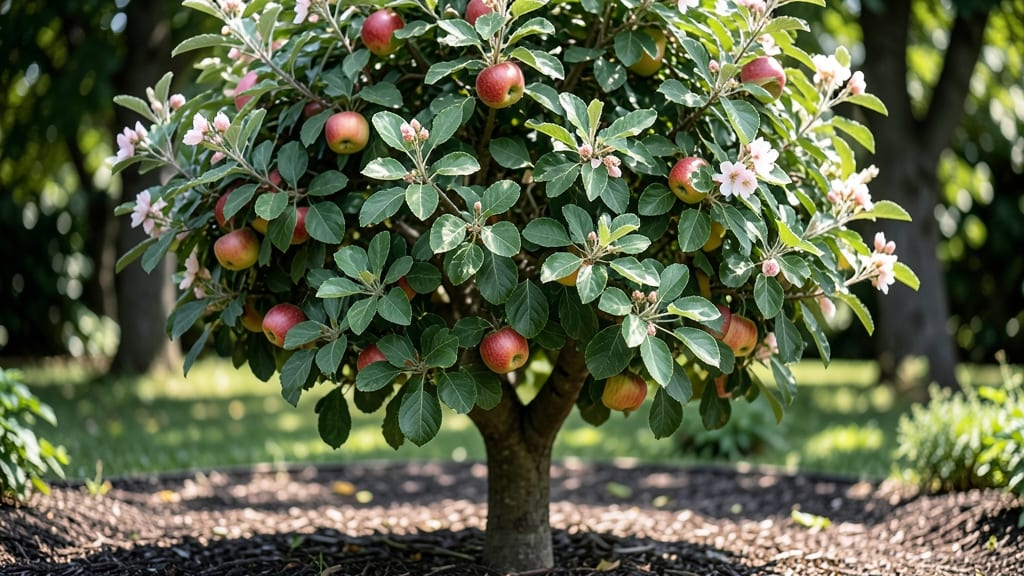
The Winesap apple tree delivers crisp, tangy-sweet fruit that tastes like autumn in every bite—if you prune it right. I planted mine five years ago after reading that proper trimming turns a single tree into a year-round harvest machine, not just a one-time summer bounty. The key?
Understanding when to cut for air flow, when to cut for fruit production, and when to cut just to keep the tree happy. My first harvest was a handful of small apples; last year, I filled a bushel basket. The difference wasn’t luck—it was timing and technique.
This variety thrives in USDA zones 4-8, so if you live in those areas, you’re already halfway there. Winesaps need full sun (6+ hours daily) and well-draining soil—think loamy, slightly acidic mix (pH 6.0-6.5). Water deeply once a week after the first year, but avoid soggy roots.
The real magic happens in late winter, when dormant branches reveal their secrets. That’s when you shape the tree for maximum fruit production, not just pretty branches. I learned this the hard way—my first pruning session left a lopsided tree that struggled to bear fruit.
By summer, you’ll see the payoff: clusters of bright red apples with a honeyed crunch and just the right tartness. The tree’s disease resistance (especially to scab and fire blight) means fewer sprays and more eating.
Prune again in early spring to open up the canopy for sunlight, and you’ll extend the harvest window from late August through October. Even the windfalls stay crisp if you pick them early. The best part?
These apples store well for months, so your kitchen gets flavor long after the tree goes dormant.
Whether you’re a first-time grower or a seasoned orchardist, Winesaps reward smart care. The tree grows 10-15 feet tall, so plan for space and a sturdy ladder. For smaller yards, consider dwarf varieties on a strong rootstock—they produce just as well but stay manageable.
Start with the right tools (sharp pruners, loppers, and a saw for thicker branches), and you’ll be trimming like a pro in no time. Let’s get those apples growing!
📚 In This Guide
- What you need
- Instructions
- Tips and common mistakes
- Wrapping up and next steps
What you need
- ● Pruning shears: Bypass pruners (sharp, 6–8" blades) for small branches.
- ● Loppers: 18–24" long for thicker branches (up to 2" diameter).
- ● Pruning saw: Curved-tooth saw for branches over 2" in diameter.
- ● Disinfectant (70% isopropyl alcohol or bleach solution): 1 part bleach to 9 parts water to clean tools between cuts.
- ● Gloves: Heavy-duty gardening gloves (cut-resistant for safety).
- ○ Tree pruning sealant (optional but recommended): For cuts larger than ½" to prevent disease.
- ● Ladder or step stool: Sturdy and tall enough to reach the tree’s highest branches safely.
- ● Tarp or bucket: To collect fallen branches and debris.
- ● Notebook & pencil: For sketching your pruning plan or marking branches.
- ● Safety gear: Safety glasses (to protect from debris) and long sleeves/pants.
- ● Extension pole pruners: For high branches without a ladder.
- ● Rope or tape: To tie down branches temporarily for better visibility.
- ● Tree wound dressing: Alternative to sealant (e.g., beeswax-based products).
- ● Camera or phone: To document your tree’s progress before/after pruning.
- ● Compost bin: For recycling pruned branches into mulch or compost.
Instructions for pruning a Winesap apple tree for maximum fruit
Smart trimming keeps your Winesap apple tree productive and healthy—here’s how to do it right.
Prune During Dormancy for Best Results
Timing matters most. Prune your Winesap apple tree in late winter or early spring, just before buds swell but before new growth begins. This gives wounds time to heal before pests or diseases can attack. Avoid pruning in fall—late cuts invite fungal infections that overwinter in the tree’s bark.
Use sharp, clean pruning shears to make cuts just outside the branch collar—the swollen area where the branch meets the trunk. A clean cut prevents ragged tears that expose the tree to rot. If a branch is thicker than your shears can handle, use a pruning saw instead—never tear branches by hand.
Remove Dead, Diseased, or Crossing Branches First
Start by eliminating any branches that are dead, diseased, or rubbing against others. Deadwood is easy to spot—it’s brown, brittle, and doesn’t bend when you test it. Diseased branches often have discolored bark, oozing sap, or fungal growth. Cut these out completely to prevent the problem from spreading.
Crossing branches compete for sunlight and nutrients, weakening the tree. Look for branches growing directly toward another—these will eventually rub and create wounds. Remove the smaller of the two branches at its point of origin. This opens up the canopy for better airflow and sunlight penetration, which boosts fruit quality.
Thin Out Overcrowded Branches for Airflow
Winesap apple trees produce best when they have good airflow. If branches are too dense, fruit stays damp too long, increasing the risk of fungal diseases like apple scab. Aim to space branches 8–12 inches apart on the tree’s scaffold structure—the main framework of larger limbs.
Focus on removing branches that grow inward or downward. These often produce small, poor-quality fruit and block light from reaching the center of the tree. Cut back to a healthy outward-facing bud or lateral branch. You’ll know you’re on the right track when you can see light and air moving through the tree’s canopy.
Shape the Tree for Even Fruit Distribution
Shape your Winesap apple tree into an open-center form, where the main branches spread outward like a vase. This shape allows sunlight to reach all parts of the tree, ensuring even ripening. Start by selecting 4–6 strong, well-spaced scaffold branches—these will form the tree’s primary structure.
Prune side branches back to one-third of their length to encourage bushier growth. Avoid cutting back too aggressively—you want to maintain the tree’s natural shape while promoting new growth. Step back occasionally to visualize the tree’s form. The goal is a balanced, symmetrical canopy that supports heavy fruit loads without breaking.
Lightly Prune After Harvest for Summer Growth
After the Winesap apples are harvested, give your tree a light pruning to remove any suckers—shoots growing from the base or trunk—and water sprouts—vigorous vertical shoots that steal energy from fruit production. This keeps the tree’s energy focused on storing nutrients for next year’s crop.
Limit summer pruning to no more than 10–15% of the tree’s foliage. Over-pruning in summer stresses the tree and reduces its ability to recover before winter. Instead, focus on cleaning up dead or damaged growth. This final touch ensures your Winesap apple tree stays healthy and productive year after year.
Tips & tricks for pruning a Winesap apple tree
Here's what nobody tells you about pruning that makes all the difference between a healthy tree and one struggling to produce fruit.
Timing is Everything: That late winter to early spring window isn't just a suggestion—it's critical. I learned this the hard way after pruning in fall and watching fungal infections take hold over winter. The tree's natural healing process works best when pruned before buds swell, giving wounds time to seal before pests arrive. If you miss this window, you're basically inviting trouble.
The Right Tools Make All the Difference: Sharp, clean pruning shears are non-negotiable. I used dull shears once and ended up tearing branches instead of making clean cuts—this creates ragged wounds that take forever to heal. For branches thicker than your shears can handle, a pruning saw is your best friend. And always clean your tools between cuts to prevent spreading disease from one branch to another.
Visualizing the Canopy: Step back frequently to visualize your tree's shape. The goal is an open-center form that looks like a vase. When you're thinning branches in Step 3, imagine sunlight streaming through the center—this is what you're creating. Focus on removing branches that grow inward or downward, as these block light and air. You'll know you're on the right track when you can see light and air moving through the tree's center.
Summer Pruning Secrets: That light pruning after harvest isn't just about removing suckers—it's about redirecting the tree's energy. Limit yourself to just 10-15% of the foliage to avoid stressing the tree. I've seen growers over-prune in summer and watch the tree struggle to recover before winter. Focus on removing only the most vigorous water sprouts and any damaged growth, letting the tree store energy for next year's fruit production.
Pro Tips for Winesap Apple Tree
- Here's what nobody tells you about pruning that makes all the difference between a healthy tree and one struggling to produce fruit.
- Timing is Everything: That late winter to early spring window isn't just a suggestion—it's critical.
- The Right Tools Make All the Difference: Sharp, clean pruning shears are non-negotiable.
Frequently asked questions
Got questions about growing and maintaining your Winesap apple tree? You’re not alone!
Here are answers to the most common queries—from pruning to pests and everything in between. Let’s dive in!
When is the best time to prune a Winesap apple tree?
The ideal time to prune is late winter or early spring (before buds swell), but you can also do light pruning in summer to remove water sprouts. Avoid heavy pruning in fall—it can stimulate new growth that won’t harden off before winter. Pro tip: If you’re unsure, wait until the tree is dormant!
How much should I trim back a Winesap apple tree each year?
For young trees (under 5 years), remove no more than 25% of the canopy annually to avoid stress. Mature trees can handle up to 30% per year, but focus on open-center shaping and removing dead/diseased wood. Warning: Over-pruning reduces fruit production—keep it balanced!
What pests or diseases should I watch for in a Winesap apple tree?
Winesaps are susceptible to codling moths (larvae bore into fruit), apple scab (fungal spots), and aphids. Preventive care: Use horticultural oil in early spring, apply copper fungicide for scab, and wrap trunks with tree guards to deter borers. Monitor fruit regularly for signs of infestation!
Can I grow a Winesap apple tree in a container, or does it need a yard?
While Winesaps thrive in open ground, dwarf varieties (like M.9 rootstock) can grow in large containers (20+ gallons) with proper drainage. Place in full sun and ensure the pot is mobile to protect from harsh winds. Note: Container-grown trees may yield slightly less fruit but are perfect for patios!
How long does it take for a Winesap apple tree to bear fruit?
With proper care, Winesaps typically bear fruit in 3–5 years, though some may take up to 7 years. Boost production: Plant a second variety (like Granny Smith) for cross-pollination, ensure full sun, and fertilize annually in early spring. Patience pays off—these trees reward you with sweet, tangy apples!
What’s the best way to store Winesap apples after harvest?
Winesaps store well for 3–6 months if kept in a cool (30–40°F), humid (85–90%) environment (like a root cellar). Avoid refrigeration—it can break down their texture. For short-term storage, place in a paper bag in the fridge (up to 2 weeks). Fun fact: Their firmness makes them great for baking!
Wrapping up and next steps
Growing a Winesap apple tree is a rewarding journey that brings sweet, crisp fruit and year-round beauty to your garden—if you master the art of pruning! 🍏 By following smart trimming techniques, you’ll ensure strong growth, abundant harvests, and a tree that thrives for decades.
Whether you’re a seasoned gardener or just starting, the key is patience, observation, and a little elbow grease.
Now that you’re armed with the right tools and knowledge, roll up your sleeves and get pruning! Start small, keep notes on your tree’s progress, and soon, you’ll be savoring homemade Winesap applesauce or fresh slices straight from your backyard. Cheers to your flourishing orchard! 🍷✨