
Pruning
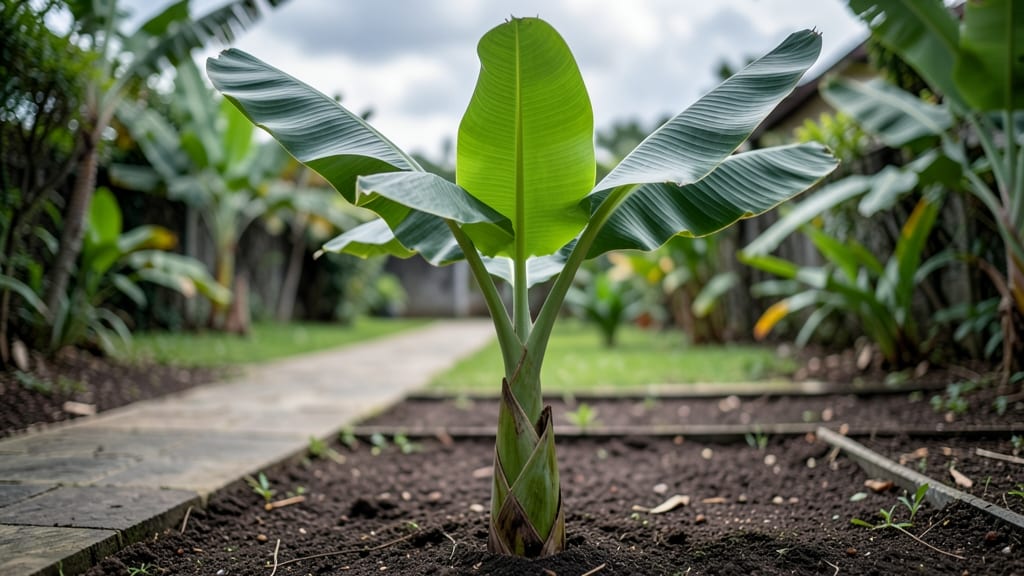
Your young banana tree needs pruning now to build a stronger trunk and more productive future. ✂️ I learned the hard way that skipping this step leads to weak stems and fewer fruit clusters—my first tree was a disaster until I fixed my approach.
The key is timing: prune in late winter or early spring before new growth begins, and always keep your tools sharp and clean to prevent disease.
You’ll need just a few basic supplies: pruning shears, rubbing alcohol for sterilizing cuts, and a bucket for trimmings. Focus on removing any dead or yellowing leaves first—they sap energy from your plant.
Then, cut back any suckers growing at the base unless you want a second tree, and trim back any overly long leaves to encourage bushier growth. This process takes about 20-30 minutes for a young tree.
What you’ll end up with is a banana tree that’s thicker, healthier, and ready to produce more fruit next season. The new growth will be vibrant green, and you’ll notice fewer pests clinging to weak stems.
Plus, proper pruning makes future harvests easier to reach and more abundant. Just avoid cutting into the main trunk unless it’s absolutely necessary—banana trees heal slowly.
This method works for banana trees in zones 10-12, where they thrive year-round. If you’re in a cooler climate, bring your potted tree indoors before frost hits—banana trees are tropical and can’t handle cold.
With consistent care, your young tree will reward you with sweet, homegrown bananas in just a few years.
📚 In This Guide
- What you need
- Instructions
- Tips and common mistakes
- Wrapping up and next steps
What you need
- ● Pruning shears or loppers: Sharp, sterilized tools (bypass pruners work best for clean cuts). Size: 6-8" blades for precision.
- ● Gloves: Heavy-duty, cut-resistant gloves (banana trees have thorny pseudostems!).
- ● Disinfectant (70% isopropyl alcohol or bleach solution): 1 part bleach to 9 parts water for sterilizing tools.
- ● Compost or mulch: 2-3 bags (for nutrient-rich soil after pruning).
- ○ Pruning sealant (optional but helpful): Tree wound sealant to prevent disease entry.
- ● Knowledge of banana tree anatomy: Familiarize yourself with the pseudostem (the "trunk"), leaf petioles, and crown—critical areas for pruning.
- ● Weather check: Prune on a dry, overcast day to avoid stressing the plant.
- ● Safety first: Wear long sleeves and closed-toe shoes—banana trees can be spiky!
- ● Backup tools: Keep a hand saw (for thicker pseudostems) and a ladder (if your tree is over 6 ft tall) handy.
- ● Labeling: Mark pruned sections with twine or tags to track growth progress.
- ● Patience: Young banana trees (under 3 years old) need minimal pruning—focus on removing only dead or yellowing leaves.
How to prune a young banana tree for healthier growth
Here's my go-to method for shaping banana trees—it's simpler than it looks.
✂️ Step 1: Identify and Remove Dead or Damaged Leaves
Start by scanning the trunk for any brown, yellow, or torn leaves clinging to the base. These are your first targets—they drain energy from the plant. Use clean, sharp pruning shears to cut them off at the base, making sure to avoid healthy tissue. The goal here is to leave only vibrant green leaves that feel firm to the touch.
I always work from the bottom up. This prevents accidentally damaging the growing point at the top. If you see any blackened or mushy areas on the trunk, these are signs of rot and should be trimmed away immediately. After removing the dead leaves, you'll notice the trunk looking cleaner and more defined—this is your first sign of progress.
🌿 Step 2: Trim Overly Long or Crowded Leaves
Banana trees grow fast, and sometimes leaves get too long or start crowding each other. Focus on leaves that are blocking sunlight from reaching the center of the plant or those that are longer than 3 feet. Use your pruners to cut these back by about one-third of their length, making the cut just above a leaf node or natural joint.
Here's the thing—you don't need to be perfect. If a leaf is mostly healthy but just a little too long, you can leave it. The key is to maintain airflow and light penetration. After trimming, step back and look at the plant from a distance. You should see more light reaching the center, which is exactly what you want for stronger growth.
☀️ Step 3: Prune Suckers for Stronger Trunk Development
Suckers are those smaller shoots that grow from the base of the banana tree. While they can eventually become new plants, they compete with your main tree for nutrients. If you have more than 2-3 suckers, it's time to thin them out. Use your pruners to cut them off at the base, leaving a small stub about ½ inch tall. This prevents disease from entering the main trunk.
I know it seems counterintuitive to remove potential new plants, but trust me—this step ensures your main tree grows stronger and produces better fruit. After pruning, you'll notice the main trunk looking more robust and focused on upward growth. This is especially important for young trees, as it helps them establish a sturdy structure before they start flowering.
⏰ Step 4: Schedule Seasonal Pruning for Best Results
Timing matters with banana trees. The best time to prune is during the dry season or just before the rainy season starts. This gives the tree time to recover and grow new leaves before the wetter months. Avoid pruning during extreme heat or cold, as this can stress the plant. If you live in a tropical climate, aim to prune every 3-4 months to keep the tree in check.
After pruning, give your banana tree a good drink of water to help it recover. You'll see new leaves emerging within 2-4 weeks, signaling that the pruning was successful. Keep an eye out for any signs of stress, like yellowing leaves or wilting, but don't worry—this is normal as the tree adjusts. With consistent care, your young banana tree will thank you with stronger growth and healthier leaves.
Tips & tricks for perfect young banana tree pruning
Here's what nobody tells you about keeping your banana tree thriving after the initial trim.
Tool Prep Matters: Before you even touch the plant, take 5 minutes to clean and sharpen your pruning shears. Dull blades crush stems instead of cutting cleanly, which can damage the tree. I wipe mine down with rubbing alcohol between cuts to prevent spreading any potential diseases from leaf to leaf. This small step makes all the difference in how your tree responds to pruning.
Seasonal Timing Secret: The instructions mention dry season or before rainy season, but here's the real deal: aim for a time when your local forecast predicts 70-80°F temperatures for the week following pruning. This gives your tree the perfect recovery window. If you're in a tropical climate, that 3-4 month schedule is golden—just don't deviate more than a month either way, or you'll disrupt the natural growth cycle.
Sucker Strategy: When pruning those 2-3 suckers, save the largest, healthiest one to replace your main tree when it's done fruiting. The others can be potted up as new plants. I've turned what would be waste into a whole new banana grove! Just make sure to leave that ½-inch stub—it helps prevent disease while still allowing the sucker to root if you decide to replant it.
Post-Pruning Care: That 2-4 week window for new leaves is your best indicator of success, but don't just wait and watch. After pruning, give your tree a deep watering that reaches down 12 inches into the soil. Then, mulch around the base with 2-3 inches of organic matter to retain moisture and protect new growth. This combo helps prevent the stress that causes those pesky yellowing leaves.
Pro Tips for Young Banana Tree
- Here's what nobody tells you about keeping your banana tree thriving after the initial trim.
- Tool Prep Matters: Before you even touch the plant, take 5 minutes to clean and sharpen your pruning shears.
- Seasonal Timing Secret: The instructions mention dry season or before rainy season, but here's the real deal: aim for a time when your local forecast predicts 70-80°F temperatures for the week following pruning.
Frequently asked questions
Got questions about nurturing your young banana tree? You’re not alone! Here are some of the most common queries—plus straightforward answers to keep your plant thriving.
When should I start pruning my young banana tree?
Prune your young banana tree only when it’s at least 1–2 years old and has developed a sturdy pseudostem (the "trunk"). Early pruning can stress the plant, so wait until it’s established—typically after the first flowering cycle. Light trimming for airflow or dead leaves is fine earlier, but avoid heavy cuts.
How do I know which leaves to cut?
Focus on yellow, brown, or damaged leaves first—they’re draining energy. For a young banana tree, also trim leaves that block sunlight from the center. Avoid cutting healthy green leaves unless they’re obstructing growth. Use clean, sharp pruners to prevent disease.
Can I prune my banana tree in winter?
Winter is the best time to prune in most climates (zones 9–11). Cold weather slows growth, reducing stress. In tropical areas, prune during the dry season instead. Avoid heavy pruning if frost is expected—banana trees are sensitive to cold damage.
What if my banana tree doesn’t grow after pruning?
Slow growth after pruning could mean underwatering, poor soil, or over-trimming. Check drainage, fertilize lightly with banana-friendly nutrients (high potassium), and ensure it gets 6+ hours of sunlight daily. If the pseudostem splits or oozes sap, you may have cut too aggressively—next time, trim closer to the base of the leaf.
Are there alternatives to pruning for a young banana tree?
If pruning feels risky, try these low-stress alternatives:
- Thinning leaves: Remove only the outermost dead/dying fronds to improve airflow.
- Support training: Use stakes to guide growth instead of cutting.
- Mulching: Add organic mulch to retain moisture and reduce stress.
Wrapping up and next steps
Growing a young banana tree thrives on patience and the right touch—just like nurturing a new friendship! 🌱 By mastering seasonal pruning, you’ll encourage lush foliage, robust fruit production, and a healthier plant. Remember, timing, sharp tools, and a gentle hand are your best allies.
Now that you’re armed with the know-how, roll up your sleeves and give your banana tree the care it deserves. Start with a small trim this season, observe how it responds, and adjust as needed. Happy pruning—your tropical oasis is waiting! 🌿✨