
Trees
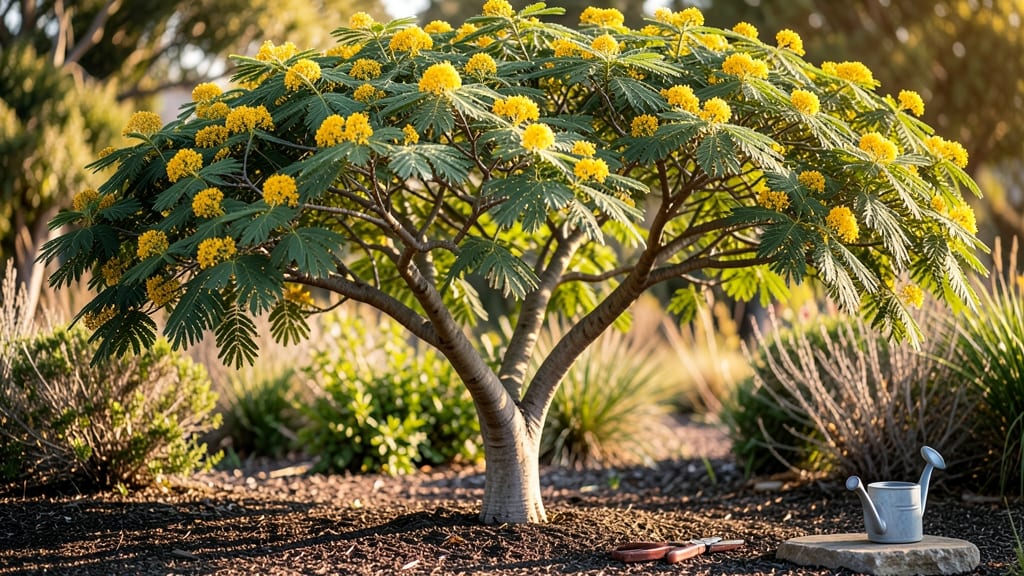
Growing acacia trees from seed lets you cultivate drought-resistant beauty that thrives with surprisingly little fuss. 🌱 I've watched these trees transform from delicate seedlings into towering shade providers, and the key is understanding their unique needs—whether you're growing fast-growing Acacia koa or the more delicate Acacia dealbata.
The real magic happens in well-draining soil and full sun, where these trees develop their signature silvery foliage and fragrant blooms. Most varieties tolerate poor soil better than overwatering, making them perfect for dry climates or low-maintenance landscapes.
You'll need patience—some species take years to mature—but the payoff is a tree that requires almost no care once established.
By the time your acacia reaches maturity, you'll have a sturdy shade tree with minimal pruning needs. The fine, feathery leaves create dappled shade perfect for patios, and the occasional clusters of golden flowers add seasonal interest. Even in urban settings, these trees adapt beautifully to containers or small yards.
Whether you're planting a single specimen or creating a windbreak, acacias deliver both practical benefits and striking beauty with almost no effort. The secret lies in matching the right species to your climate and giving them space to grow—no fancy tools or techniques required.
📚 In This Guide
- What you need
- Instructions
- Tips and common mistakes
- Wrapping up and next steps
What you need
- ● Acacia seeds: 5–10 seeds (choose a variety like Acacia koa, Acacia melanoxylon, or Acacia dealbata for best results). Pro tip: Soak seeds in warm water for 24 hours to soften the hard outer shell! 💡
- ● Well-draining soil: 1–2 bags (50 lbs each) of cactus/succulent mix or a blend of 60% potting soil, 30% perlite, and 10% coarse sand.
- ● Containers: 3–5 small pots (4–6 inches deep) with drainage holes for seedlings, or a nursery bed if planting directly outdoors.
- ● Organic fertilizer: 1 lb of balanced fertilizer (e.g., 10-10-10) or a slow-release tree fertilizer.
- ● Watering can or hose: With a gentle spray nozzle for hydration without disturbing soil.
- ● Hand trowel or small shovel: For transplanting seedlings.
- ● Gloves: To protect hands from thorns (acacia seeds can be prickly!).
- ○ Mulch (optional): 1–2 bags of wood chips or straw to retain moisture and suppress weeds.
- ● Sunlight access: A spot with full sun (6+ hours daily)—acacias thrive in heat and drought!
- ● Patience: Acacia trees grow slowly; expect 2–5 years for significant height (10–30 ft).
Step-by-step instructions for cultivating Acacia trees from seed
Here's my battle-tested method for coaxing these hardy beauties from tiny seeds to sturdy shade trees.
🌱 Step 1: Scarify and Soak the Seeds
Acacia seeds have tough outer shells that need breaking down first. I use a sandpaper block to gently rub each seed all over—this mimics natural weathering and cracks the seed coat just enough for moisture to penetrate. Work slowly; you're not trying to remove the shell, just rough up the surface.
After scarification, place the seeds in a bowl of lukewarm water for 12-24 hours. The water should cover them completely. You'll see the seed coats soften and some may even begin to plump slightly. This pre-soaking is crucial—without it, germination rates drop dramatically. I like to use distilled water to avoid chlorine exposure, which can inhibit early growth.
💧 Step 2: Prepare the Germination Medium
Fill a clean, shallow container with a mix of 50% perlite and 50% peat moss. This lightweight blend drains quickly while retaining enough moisture for delicate seedlings. Moisten the mix until it feels like a damp sponge—squeeze gently and it should hold together without dripping.
I use small plastic seedling trays with individual cells because acacia seedlings are particularly sensitive to root disturbance. Arrange the soaked seeds about ½ inch deep and 1 inch apart. The spacing gives roots room to establish without competing immediately. Cover the tray with clear plastic wrap to create a humid microclimate, but leave it slightly ajar to allow for air circulation.
☀️ Step 3: Maintain Ideal Germination Conditions
Acacia seeds germinate best at 75-85°F with consistent moisture. Place the tray in a warm spot—on top of a refrigerator or near a heat vent works well. I've had success using a seedling heat mat set to 80°F for the first 10 days, which dramatically speeds up germination.
Check the moisture daily by lifting the plastic wrap. The medium should feel consistently damp but never soggy. Mist lightly with a spray bottle if the surface feels dry to touch. Germination typically occurs in 14-30 days, though some stubborn seeds may take up to 60 days. Real talk: patience is key here—don't be tempted to dig up seeds to check for sprouts. The disturbance can kill them before they even emerge.
🌿 Step 4: Transplant Seedlings to Individual Pots
Once seedlings develop their first true leaves (the second set after the initial seed leaves), they're ready to move. Gently lift each seedling with a small spoon or your fingers, being careful not to disturb the delicate roots. Transfer to 4-inch diameter pots filled with a mix of 60% potting soil and 40% sand for excellent drainage.
Plant each seedling at the same depth it grew in the tray. Press the soil lightly around the base to eliminate air pockets, then water thoroughly until moisture runs from the drainage holes. Place the pots under bright, indirect light for the first week to help them adjust. Here's where it gets fun—watch the cotyledons pop through the soil after a few days. That's your signal everything is working.
⏰ Step 5: Harden Off and Transition to Outdoor Conditions
After 6-8 weeks of indoor growth, when seedlings reach 6-8 inches tall with multiple sets of leaves, begin the hardening process. Start by placing them outdoors in a sheltered spot for 1-2 hours the first day. Gradually increase their time outside over 10-14 days, moving them to sunnier locations each step.
Acacia seedlings are surprisingly cold-hardy once established, but they need time to acclimate. By the time you're leaving them outside all day, they should be ready for their permanent location. Choose a spot with full sun exposure and well-draining soil. The reason we harden off is to prevent transplant shock—you'll see seedlings that skip this step wilt dramatically when exposed to direct sun and wind after being pampered indoors.
Tips & tricks for perfect Acacia tree cultivation
Acacia trees may seem intimidating, but these practical tips will help you avoid common pitfalls and maximize your success rate.
Scarification Technique: For the toughest seeds, I recommend using fine-grit sandpaper (around 220-grit) rather than a knife or file. The gentle abrasion creates microscopic cracks that allow moisture penetration without damaging the seed's internal structure. Work in one direction to avoid uneven treatment—think of it like sanding wood, not filing metal. This step is non-negotiable for acacia seeds, which have some of the hardest seed coats in the plant kingdom.
Temperature Consistency: Maintaining that 75-85°F range is crucial, but don't panic if your home environment doesn't naturally stay within this window. A simple seedling heat mat set to 80°F for the first 10 days creates the perfect environment without requiring you to move the tray constantly. I've found that placing the tray on top of a refrigerator (not near the cooling coils) often provides the ideal warmth without additional equipment. The key is consistency—fluctuations of more than 5°F can significantly reduce germination rates.
Transplanting Strategy: When moving seedlings to individual 4-inch pots in Step 4, I use the "finger test" to check root development before transplanting. Gently squeeze the soil around the seedling—if you feel resistance and see roots forming a network, it's ready. If the soil comes away easily with minimal roots, wait another week. The goal is to minimize root disturbance while ensuring the seedling has enough space to grow. I've also found that using a pencil to make a small hole in the soil before inserting the seedling reduces transplant shock by preventing root bending during placement.
Harden Off Gradually: The 10-14 day hardening process might seem tedious, but it's what separates thriving trees from sad, wilted plants. Start with just 1-2 hours of outdoor exposure on the first day, even if your seedlings look perfectly healthy indoors. Begin in the morning when temperatures are cooler and move to progressively sunnier locations each subsequent day. I've seen seedlings that skipped this step wilt dramatically within hours of full sun exposure—it's heartbreaking, but completely preventable with proper acclimation.
Pro Tips for Acacia Trees
- Acacia trees may seem intimidating, but these practical tips will help you avoid common pitfalls and maximize your success rate.
- Scarification Technique: For the toughest seeds, I recommend using fine-grit sandpaper (around 220-grit) rather than a knife or file.
- Temperature Consistency: Maintaining that 75-85°F range is crucial, but don't panic if your home environment doesn't naturally stay within this window.
Frequently asked questions
Got questions about growing and caring for acacia trees? You’re not alone! Here are answers to some of the most common queries to help you nurture these drought-resistant beauties with confidence.
How long does it take for acacia trees to grow from seed?
Acacia trees grown from seed typically take 3–5 years to reach maturity and produce flowers or pods. Some fast-growing species, like the Acacia koa, may show early signs of growth within a year, but full shade and structural stability often require patience. Grafted trees (not from seed) mature much faster—sometimes in just 2–3 years.
Can acacia trees survive in extreme drought conditions?
Acacias are legendary drought survivors thanks to their deep root systems and water-storing abilities. Once established (after 1–2 years), they thrive with minimal watering—just 1–2 deep waterings per month in arid climates. Pro tip: Mulch heavily to retain moisture and protect roots from heat stress.
Are acacia trees toxic to pets or humans?
Most acacia species are non-toxic to humans and pets, but a few—like the Acacia dealbata (Sydney golden wattle)—can cause mild skin irritation or stomach upset if ingested in large quantities. Always supervise pets around new plants, and wash hands after handling sap or pods. When in doubt, opt for pet-safe varieties like Acacia farnesiana.
What’s the best way to prune acacia trees for shape and health?
Prune acacias in late winter or early spring (before new growth) to encourage bushier shapes. Use clean, sharp tools to make angled cuts just above a leaf node or bud. Avoid heavy pruning—acacias respond best to light, strategic trims. Warning: Some species (like Acacia melanoxylon) bleed sap; seal cuts with pruning sealant if needed.
Can acacia trees grow in containers, or do they need ground planting?
Small acacia species, like Acacia baileyana or Acacia fimbriata, thrive in large containers (20+ gallons) for 2–3 years before transplanting. Use well-draining soil and ensure the pot has drainage holes. Larger varieties (e.g., Acacia saligna) require ground planting due to their extensive root systems. Pro tip: Rotate containers occasionally for even growth.
What pests or diseases should I watch for in acacia trees?
Acacias are tough but can fall prey to psyllids, scale insects, or root rot in overly wet soil. Psyllids (tiny sap-sucking bugs) leave sticky residue—blast them off with water or use neem oil. Root rot? Improve drainage immediately. Prevention tip: Inspect leaves regularly and avoid overwatering.
Wrapping up and next steps
From seed to shade, growing acacia trees is a rewarding journey that brings resilience and beauty to your landscape. These drought-resistant giants thrive with minimal fuss, offering shade, wildlife support, and stunning blooms—perfect for eco-conscious gardeners.
Whether you're a beginner or a seasoned green thumb, their adaptability makes them a fantastic addition to any yard.
Ready to plant your future shade? 🌱 Start by gathering your supplies, choosing the right location, and following the steps outlined above. With patience and care, you’ll soon enjoy the majestic presence of your very own acacia—a living legacy of nature’s strength!