
Pruning
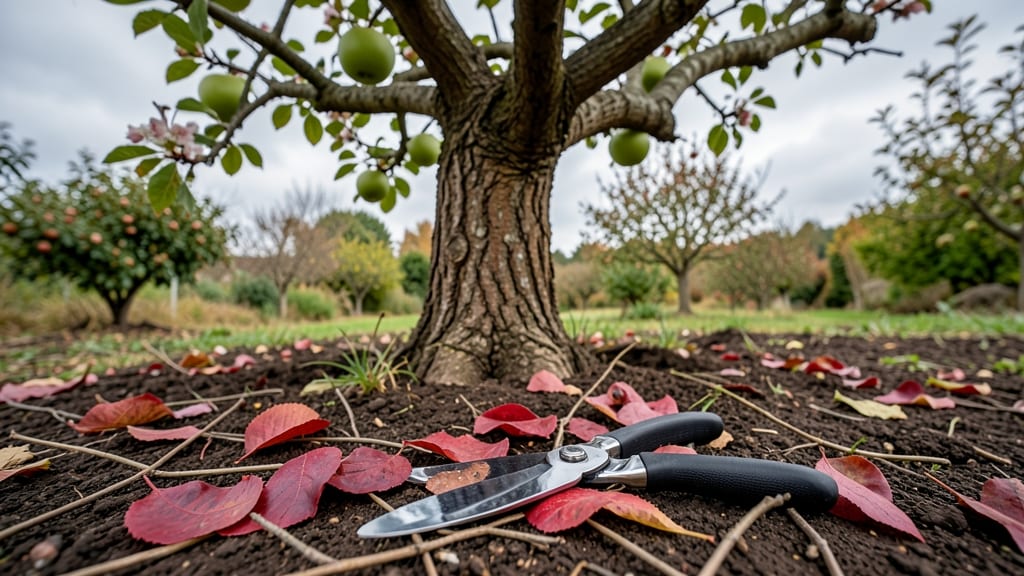
The right apple tree trimming time—late winter, when they’re still dormant but just days from waking up—is the secret to stronger branches and bigger harvests next year.
I learned this the hard way after pruning too late and watching my tree put all its energy into leafy growth instead of fruit.
The right timing isn’t just about the calendar; it’s about catching that sweet spot between frost and bud break, when the tree’s defenses are down but its future growth is still a blank slate.
Most apple trees need trimming between mid-February and early March in most of the U.S., but your exact window depends on your climate zone. In warmer southern regions, you might trim as early as January, while northern gardeners should wait until late March to avoid damaging tender new growth.
The key is to finish before buds swell—if you see tiny green tips forming, you’ve waited too long. A sharp pair of pruners, a bucket for clippings, and a clear day (so you can see the tree’s structure) are all you’ll need to get started.
What you’ll end up with is a tree that’s easier to manage, produces more fruit, and resists disease better than one left to its own devices.
Branches will grow straighter, sunlight will reach the center of the tree, and next summer’s harvest will be heavier because the tree isn’t wasting energy on weak, crowded growth.
The first year you trim this way, you’ll notice the difference in how the tree responds—it’s like giving it a fresh start. And once you’ve mastered the timing, you’ll never go back to random pruning again.
This method works for both young trees (where you shape the framework) and mature ones (where you open up the canopy). Just adjust your cuts based on the tree’s age and size—smaller trees need less aggressive trimming, while older ones can handle more dramatic reshaping.
The goal is always the same: stronger structure, better airflow, and more apples. Let’s get those branches in shape before spring arrives.
📚 In This Guide
- What you need
- Instructions
- Tips and common mistakes
- Wrapping up and next steps
What you need
- ● Pruning shears: Sharp, bypass-type shears (for cuts up to ½ inch thick). Quantity: 1 pair (or 2 if trimming large trees).
- ● Loppers: For thicker branches (½ to 1½ inches). Quantity: 1 pair.
- ● Pruning saw: Curved-tooth saw for branches over 1½ inches. Quantity: 1.
- ● Gloves: Heavy-duty, cut-resistant gloves (to protect from thorns and debris). Quantity: 1 pair.
- ● Ladder: Sturdy, extendable ladder (if branches are high). Specification: Non-slip feet, weight-rated for you + tools.
- ● Disinfectant: 70% isopropyl alcohol or bleach solution (1 part bleach to 9 parts water) to sterilize tools between cuts.
- ○ Pruning sealant: Optional but helpful for larger wounds (e.g., tree wound paint).
- ● Safety gear: Safety glasses, long sleeves/pants, and closed-toe shoes.
- ● Marking spray: Temporary spray paint to mark branches for removal.
- ● Tarp or drop cloth: To catch debris below the tree.
- ● Sharpener: For keeping shears and saws in top condition.
- ● First-aid kit: Just in case of minor scrapes or thorn pricks!
- ● Check the weather forecast: Aim for a dry, calm day (no rain for 24 hours before/after trimming).
- ● Review your apple tree’s growth habits (e.g., central leader vs. open-center shape).
- ● Gather a sketch or reference of your tree’s structure (helps visualize cuts).
- ● Have a buddy handy for large trees or high branches (safety first!).
When and how to trim apple trees for healthier fruit
Timing matters most—late winter's the perfect window for pruning.
Determine the Right Time Based on Your Climate
Apple trees need dormancy to heal properly, so prune after the coldest part of winter but before buds swell. In most regions, this means late February to early March when temperatures stay above 30°F at night. If you're in a warmer zone, wait until mid-March when frost risk has passed.
Here's the thing—if buds are already swelling, you've missed the window. Pruning too early stresses the tree, and too late removes growth energy. Watch for tight, brown buds as your cue. In colder areas, wait until after the last hard freeze to avoid frost damage to fresh cuts.
Gather Your Tools and Safety Gear
You'll need sharp pruning shears for small branches, loppers for ½- to 2-inch stems, and a pruning saw for anything thicker. Sterilize tools with rubbing alcohol to prevent spreading disease between cuts. Wear gloves—apple tree branches have thorns that pack a punch.
I always bring a bucket of water to clean tools between cuts and a notebook to sketch the tree's structure. Sketching helps you visualize where to make cuts before you start. This prevents over-pruning, which weakens the tree more than it helps.
Remove Dead, Diseased, or Crossing Branches First
Start by cutting out dead wood (branches that snap easily or have no bark) and any diseased branches (look for discolored bark or oozing sap). Next, remove crossing branches—where limbs rub together—which creates wounds and invites rot. These cuts should be clean and angled about ¼ inch above a bud or branch collar.
Don't worry about making perfect cuts right away. The goal here is to open up the tree's center so air and light can reach the core. You'll notice the tree's natural structure more clearly once these problem branches are gone. If a branch is larger than 2 inches in diameter, make the cut just outside the branch collar to prevent tearing.
Thin Out to Encourage Stronger Growth
Now focus on thinning—selectively removing branches to improve airflow and sunlight penetration. Aim to keep 6-8 main scaffold branches spaced evenly around the tree. Remove any branches growing inward or downward, as these compete with stronger branches and create a weak structure.
Here's where it gets fun: Look for water sprouts (fast-growing vertical shoots) and suckers (shoots from the base or roots). These steal energy from fruit production. Cut them back to a bud or side branch—never leave a stub. You'll see the tree's energy shift toward stronger, fruit-bearing branches within a season.
Shape the Tree for Better Fruit Production
Apple trees respond well to an open-center or central-leader shape, depending on the variety. For most standard trees, aim for a rounded canopy with branches spaced 8-12 inches apart. Cut back last year's growth by about one-third to encourage bushier, more productive branches.
This is the moment that matters: Pay attention to the leader (the main upward-growing branch). If it's weak or damaged, select a strong side branch to train as the new leader. Avoid heavy pruning on young trees—focus on removing only what's necessary to establish a strong framework. You'll thank yourself next harvest season when the tree is loaded with fruit.
Tips & tricks for perfect late winter apple tree trimming
Timing and technique make all the difference when pruning apple trees—here's how to get it right every time.
Climate-Specific Timing: The late February to early March window is ideal because temperatures above 30°F allow fresh cuts to heal properly. In colder zones, wait until after the last hard freeze to prevent frost damage. I check local weather forecasts for the exact date when nighttime temps consistently stay above 30°F—this ensures your tree can heal without stress.
Visual Cues for Perfect Timing: Look for tight, brown buds that haven't started swelling yet. These buds signal the tree is still dormant but ready for pruning. If you see any green swelling, you've waited too long—pruning then removes growth energy the tree needs for spring. In my experience, this visual check is more reliable than relying solely on calendar dates.
Tool Prep Matters: Sterilizing your tools between cuts prevents spreading disease from one branch to another. I keep rubbing alcohol in a small spray bottle and wipe down blades after every 3-4 cuts. Also, sharpen your tools before starting—dull blades tear wood instead of making clean cuts, which slows healing and invites infection.
Structural Balance Tip: When shaping the tree in Step 5, aim for branches spaced 8-12 inches apart. This spacing prevents overcrowding, which leads to disease and poor fruit quality. I sketch a simple circle on paper before starting—this helps visualize where each branch should end up. The goal is a rounded canopy that lets sunlight reach all parts of the tree.
Pro Tips for Apple Tree Trimming Time
- Timing and technique make all the difference when pruning apple trees—here's how to get it right every time.
- Climate-Specific Timing: The late February to early March window is ideal because temperatures above 30°F allow fresh cuts to heal properly.
- Visual Cues for Perfect Timing: Look for tight, brown buds that haven't started swelling yet.
Frequently asked questions
Got questions about the best time to trim your apple tree? You’re not alone! Here are some of the most common concerns—and expert answers to help you prune like a pro.
When is the absolute latest I can trim my apple tree in late winter?
While late winter (just before buds swell) is ideal, you can trim up to early spring (before leaves emerge). Avoid pruning after blooms appear—this risks removing next year’s fruit. If you miss the window, wait until summer for light maintenance, but avoid heavy cuts.
What if I prune too early in winter? Will my tree suffer?
Pruning in deep winter (before buds break) can stress the tree, especially in cold climates. Damaged tissue may not heal properly, and you risk inviting pests. Stick to dormant season but after the coldest months (typically February-March in most zones) for the safest results.
Can I trim an apple tree in summer instead? What’s the catch?
Summer trimming is possible, but it’s not ideal for major cuts. Focus on removing water sprouts or shaping light prunes. Heavy summer pruning can stimulate weak growth, attract pests, and reduce fruit quality. If you must, do it in late summer (after harvest) and keep cuts small.
How do I know if I’ve trimmed too much off my apple tree?
If you’ve removed more than 25% of the tree’s canopy in one go, you’ve likely over-pruned. Signs include excessive leaf loss, weak regrowth, or a sparse fruit set next year. For mature trees, limit cuts to 15–20% annually to avoid stress.
Will trimming help prevent apple tree diseases like fire blight?
Yes! Proper trimming reduces humidity and improves airflow, cutting disease risks. Always sterilize tools with rubbing alcohol between cuts, and remove infected branches (look for blackened, oozing wood). Prune in dry weather to speed healing and lower pathogen spread.
Wrapping up and next steps
Trimming your apple tree in late winter is the secret to healthier growth, better fruit production, and a stronger tree for years to come! 🌳 By following the right timing, techniques, and tools, you’ll encourage airflow, sunlight exposure, and vibrant blooms—all while keeping pests at bay.
Now that you’re armed with the when, how, and why, there’s no better time to grab those pruners and get to work.
Ready to transform your orchard? Start small—pick a sunny day, gather your supplies, and tackle one section at a time. Your future harvest (and your tree’s gratitude) will thank you! 🍏✨