
Trees
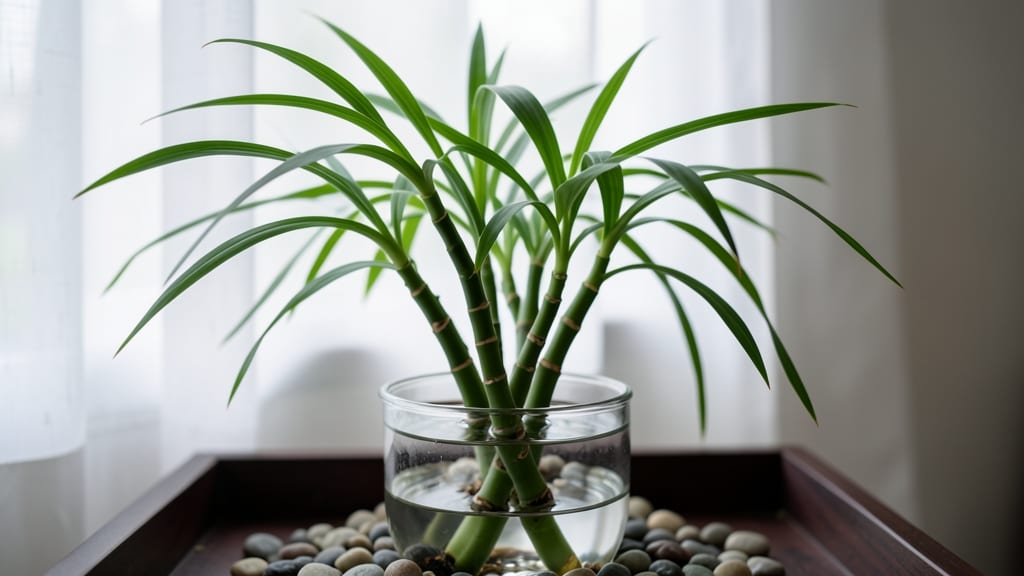
Growing bamboo trees in pots transforms any patio or balcony into a lush, tropical retreat—without the invasive roots of ground-planted varieties. 🌿 I’ve nurtured potted bamboo for years, and the secret isn’t just the right container or soil; it’s understanding how these fast growers adapt to confined spaces while staying healthy and vibrant.
The key starts with clumping bamboo varieties like Bambusa multiplex or Fargesia, which stay compact and won’t spread aggressively. You’ll need a 15-20 gallon pot with drainage holes, well-draining soil mixed with perlite or sand, and a spot with morning sun and afternoon shade.
Overwatering is the #1 killer—let the top inch of soil dry out between waterings, and you’ll avoid root rot every time.
With proper care, your potted bamboo will reward you with arching canes, feathery foliage, and year-round greenery that outshines most houseplants. Prune leggy canes in early spring to encourage bushier growth, and fertilize lightly every 6-8 weeks during the growing season.
The payoff? A low-maintenance, high-impact plant that thrives for years in a small footprint.
Perfect for urban gardens, small yards, or even indoor bright spaces—just watch for signs of overcrowding (like yellowing leaves) and divide the roots every 2-3 years. Here’s how to keep yours lush and long-lived, no matter where you grow it.
📚 In This Guide
- What you need
- Instructions
- Tips and common mistakes
- Wrapping up and next steps
What you need
- ● Bamboo plant: Choose a clumping bamboo (e.g., Fargesia or Borinda species) for container growth—running bamboos are too invasive for pots. Select a 1–3 gallon pot size for young plants.
- ● Pot: A 5–15 gallon container (width > depth) with drainage holes. Use terracotta, fiberglass, or plastic (terracotta wicks moisture but dries faster). For larger varieties, opt for 15+ gallons.
- ● Potting mix: 60% well-draining soil (e.g., cactus/succulent mix or orchid bark) + 40% organic matter (peat moss, coconut coir, or compost). Avoid heavy garden soil!
- ● Drainage layer: 1–2 inches of gravel, perlite, or expanded shale at the pot’s base to prevent root rot.
- ● Watering can: With a rose attachment for gentle, deep watering (avoid overhead spray).
- ● Fertilizer: Balanced liquid fertilizer (10-10-10 or 20-20-20) or slow-release granular fertilizer (e.g., Osmocote).
- ● Gloves & trowel: For handling soil and repotting.
- ● Pruners: Bypass pruners (sterilized) for trimming overgrowth.
- ○ Mulch (optional): 2–3 inches of pine bark or straw to retain moisture and regulate temperature.
- ○ Support stake (optional): For tall varieties (e.g., Fargesia robusta), use a bamboo stake or trellis to prevent toppling.
- ○ pH test kit (optional): Ensure soil pH is 5.5–7.0 (bamboo prefers slightly acidic to neutral).
- ● Root barrier (for running bamboos, if used): HDPE liner (e.g., Bamboo Barrier) if growing running bamboo in a large pot (not recommended for beginners).
Step-by-step instructions for cultivating bamboo in containers
Here's how I keep my potted bamboo thriving—no root-bound stress or stunted growth.
🪴 Step 1: Select the Right Container and Drainage
Bamboo needs room to grow, so choose a container that's at least 12-18 inches deep and 12 inches wide for each plant. I use unglazed terra cotta pots because they allow excess moisture to evaporate through the walls, which prevents root rot—a common killer of potted bamboo. Make sure there are multiple drainage holes at the bottom, or drill extra ones if needed.
If you're planting multiple bamboo plants, space them at least 12 inches apart to prevent overcrowding. I always add a 1-2 inch layer of gravel or broken pottery at the bottom of the pot before adding soil. This creates a reservoir for excess water while keeping roots from sitting in soggy conditions.
🌱 Step 2: Prepare a Well-Draining, Nutrient-Rich Soil Mix
Bamboo roots need both aeration and moisture retention, so I blend 50% high-quality potting mix with 30% perlite or coarse sand and 20% compost. This keeps the soil loose enough for roots to expand but still holds enough moisture for consistent growth. Avoid garden soil—it compacts in containers and suffocates roots.
Fill the pot up to 2 inches below the rim with your mixed soil. Press it down lightly but don’t compact it too tightly. The goal is to create a loose, fluffy medium that allows roots to spread easily. If you're planting a clumping bamboo variety, dig a hole twice as wide as the root ball and place the plant so the top of the root ball sits just below the soil line. For running bamboo, bury the rhizomes slightly deeper to encourage underground spread.
☀️ Step 3: Position for Optimal Light and Humidity
Bamboo thrives in bright, indirect light—think morning sun with afternoon shade. A spot near an east-facing window is ideal, but if you only have south-facing light, place the pot at least 6 feet away to avoid leaf scorch. I’ve seen bamboo leaves turn yellow and crispy when exposed to hot afternoon sun, so always monitor the foliage for signs of stress.
Humidity is key for potted bamboo, especially in dry indoor environments. I mist the leaves 2-3 times daily or place the pot on a pebble tray filled with water to increase moisture in the air. You’ll know the humidity is right when the leaves stay deep green and slightly glossy rather than crispy or dull.
💧 Step 4: Water Deeply and Maintain Consistent Moisture
Bamboo roots need even moisture, so I water deeply whenever the top 2 inches of soil feel dry to the touch. Stick your finger in the soil—if it’s dry at that depth, it’s time to water. I use lukewarm water to avoid shocking the roots, and I always water until it drains freely from the bottom holes. Empty the saucer 10 minutes later to prevent root rot.
Here’s the thing—overwatering is the fastest way to kill potted bamboo. If the soil stays soggy for more than a day, the roots will suffocate. You’ll notice yellowing leaves or mushy stems as the first signs of overwatering. Adjust your watering schedule based on the season: more in summer, less in winter when growth slows.
✂️ Step 5: Prune and Fertilize for Compact, Healthy Growth
Pruning keeps bamboo dense and bushy rather than leggy. I trim back overly long canes in early spring just above a leaf node where new growth will emerge. For clumping varieties, I remove 10-20% of the oldest canes each year to encourage fresh, vigorous growth. Running bamboo needs more aggressive pruning—cut back any canes that spread outside the pot to contain its growth.
Feed your potted bamboo with a balanced, water-soluble fertilizer every 4-6 weeks during the growing season (spring and summer). I use a 10-10-10 or 20-20-20 mix diluted to half strength to avoid burning the roots. Stop fertilizing in fall and winter when the plant enters dormancy. You’ll see lush, dark green leaves as a sign that your bamboo is getting the nutrients it needs.
Tips & tricks for perfect potted bamboo growth
Here's what nobody tells you about keeping bamboo thriving in containers—these are the details that separate healthy plants from struggling ones.
Container Selection: Unglazed terra cotta isn't just my preference—it's a necessity for potted bamboo. The porous nature of terra cotta helps regulate moisture levels by allowing excess water to evaporate through the walls, which is crucial since bamboo roots are particularly susceptible to rot. If you must use plastic or glazed pots, you'll need to water even more carefully and check soil moisture daily. The 12-18 inch depth requirement isn't arbitrary either—shallower containers will restrict root growth and lead to that dreaded root-bound stress you're trying to avoid.
Soil Mixing Strategy: That 50-30-20 ratio of potting mix to perlite/sand to compost isn't just random numbers—it's about creating the perfect balance. The perlite or coarse sand prevents compaction while the compost provides essential nutrients without suffocating the roots. When filling your pot up to 2 inches below the rim, resist the urge to pack it down tightly. Think "fluffy" rather than "dense"—this mimics the natural forest floor environment where bamboo thrives. For clumping varieties specifically, that twice-as-wide hole is critical for allowing the root ball to expand without restriction.
Light Positioning: The east-facing window recommendation isn't just about avoiding afternoon sun—it's about creating the perfect light intensity. Morning sun provides gentle, warming light that encourages growth without scorching, while afternoon shade prevents the intense heat that causes those unsightly yellow patches. If you notice crispy leaf edges, you're getting too much direct sun, while dull, pale leaves indicate insufficient light. The 6-foot distance from south-facing windows is non-negotiable for preventing leaf scorch, which can happen surprisingly quickly even in indirect light.
Watering Technique: That 2-inch soil moisture check isn't just about timing—it's about understanding your bamboo's hydration needs. Water until it drains freely from the bottom holes, but the 10-minute saucer emptying is what prevents root rot. I've seen many well-intentioned gardeners drown their bamboo by leaving water sitting in saucers for hours. In winter, you might extend that 2-inch check to 3 inches since growth slows dramatically, but never let the soil dry out completely. The key is consistency—bamboo roots need steady moisture, not feast-or-famine watering cycles.
Pro Tips for Bamboo Trees In Pots
- Here's what nobody tells you about keeping bamboo thriving in containers—these are the details that separate healthy plants from struggling ones.
- Container Selection: Unglazed terra cotta isn't just my preference—it's a necessity for potted bamboo.
- Soil Mixing Strategy: That 50-30-20 ratio of potting mix to perlite/sand to compost isn't just random numbers—it's about creating the perfect balance.
Frequently asked questions
Got questions about growing bamboo in pots?
You’re not alone! Here are answers to the most common queries to help your compact bamboo thrive—without the hassle.
How often should I water potted bamboo?
Water your potted bamboo when the top 1-2 inches of soil feel dry—usually every 5-7 days, but adjust for climate. Overwatering is the #1 killer! Ensure pots have drainage holes to prevent root rot. Pro tip: Check soil moisture with your finger before watering.
Can bamboo in pots survive winter?
Most potted bamboo (like Bambusa multiplex) tolerates light frost, but harsh winters (below 10°F) may damage it. Move pots to a sheltered spot, wrap the base with burlap, or bring them indoors if temps drop further. Hardy varieties (e.g., Fargesia) handle cold better—check your type!
What’s the best pot size for bamboo?
Start with a pot 2-3 inches larger in diameter than the root ball. Bamboo roots spread aggressively, so upgrade pots every 2-3 years or prune roots if they outgrow their space. Deep pots (12+ inches) work best for clumping types like Fargesia.
How do I stop bamboo from spreading in pots?
Use clumping bamboo varieties (e.g., Fargesia or Borinda) instead of running types. Prune rhizomes annually to contain growth, or plant in root barrier pots with built-in dividers. Divide roots every 2-3 years to keep plants compact.
Why is my potted bamboo turning yellow?
Yellow leaves often signal overwatering, nutrient deficiency, or root bound conditions. Check drainage, fertilize lightly in spring/summer, and repot if roots circle the pot. Brown tips? Likely from underwatering or fluoride in tap water—use filtered water instead.
Are there dwarf bamboo options for small spaces?
Try Fargesia ‘Jumbo’ (3-4 ft tall) or Borinda ‘Umbrella’ (2-3 ft). These stay compact, making them perfect for patios, balconies, or even indoor bright spots. Bonus: They’re non-invasive and cold-hardy!
Wrapping up and next steps
Growing bamboo in pots is a rewarding way to enjoy this fast-growing, eco-friendly plant without the worry of invasive spread. With the right container, soil, and care, your compact bamboo can thrive indoors or outdoors, adding lush greenery to any space.
Whether you’re a beginner or a seasoned plant parent, the key is consistency—watering, pruning, and monitoring growth will keep your bamboo happy and healthy.
Ready to give it a try? Start small—pick a pot, grab some soil, and let your green thumb shine! 🌱 If you’re feeling ambitious, experiment with different varieties or even propagate cuttings. Your future self (and your plants!) will thank you.