
Pruning
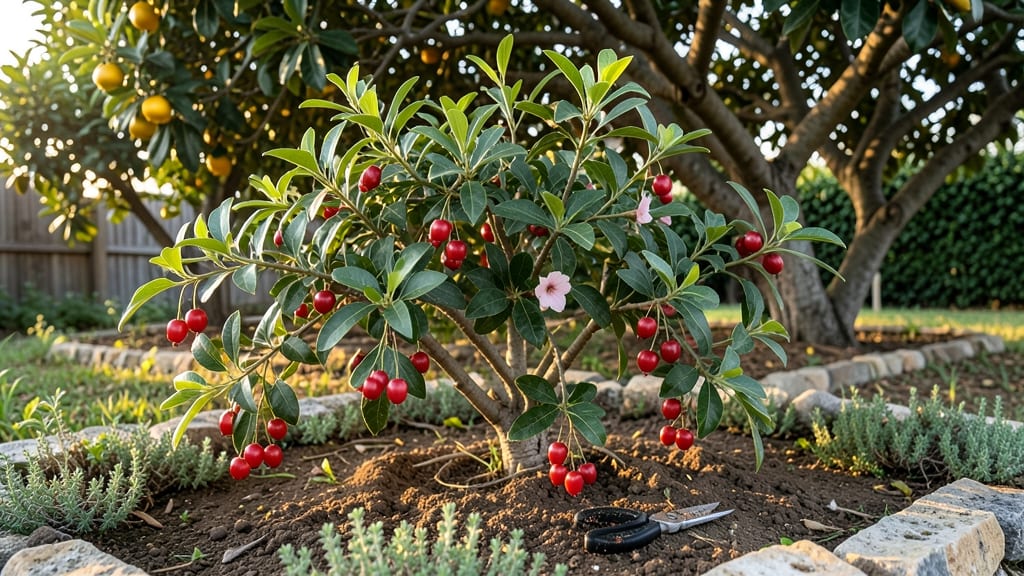
Growing a Barbados cherry tree in Arizona means you can harvest tart, vitamin C-packed fruit year-round—if you master the desert’s heat and drought. I’ve watched mine thrive in Phoenix’s 110°F summers by adapting pruning and watering to the climate’s quirks, like avoiding heavy trims when temps spike.
The key isn’t just survival; it’s turning this tropical tree into a reliable producer even when monsoons roll in.
This tree loves full sun but needs afternoon shade in Arizona’s brutal summers—think morning sun, afternoon dappled light under a patio umbrella or nearby structures.
Well-draining soil is non-negotiable; mix in sand or cactus soil to mimic the desert’s natural drainage, and water deeply 2-3 times a week during peak heat, then taper to once a week once established. The fruit?
Sweetest after light frosts (yes, even in Arizona’s low deserts), so a light frost cloth in December can extend your harvest.
Pruning isn’t just about shape—it’s about airflow and heat management. Cut back 1/3 of growth in late winter to encourage bushier, fruit-heavy branches, and thin out crowded stems in summer to prevent fungal rot from trapped humidity.
Watch for scale insects, which love the dry heat; a neem oil spray every 6 weeks keeps them at bay. With the right approach, you’ll go from “Will this even survive?” to “I’m picking fruit in January” faster than you’d expect.
Urban or rural, this tree adapts—just plant it 10+ feet from walls to avoid heat reflection in cities, and mulch heavily to retain moisture in rural areas. The trade-off? Less fruit in the first year while it establishes, but year 2 yields are shockingly productive.
Start small, and soon you’ll be sharing jars of homemade acerola jam with neighbors who can’t believe you’re growing tropical fruit in the desert.
📚 In This Guide
- What you need
- Instructions
- Tips and common mistakes
- Wrapping up and next steps
What you need
- ● Barbados cherry tree (Acerola) – 1 healthy sapling (choose a dwarf variety for smaller spaces).
- ● Well-draining potting mix – 5+ gallons (blend cactus/succulent soil with perlite for aeration).
- ● Containers or planting hole – 15+ gallon pot (if container-grown) or 3’x3’x3’ hole (for in-ground).
- ● Organic fertilizer – 10-10-10 NPK (balanced) or citrus-specific formula (follow label for dosage).
- ● Pruning tools – Bypass pruners (sharp, clean), loppers (for thicker branches), and gloves (to protect hands).
- ● Mulch – 2–3 inches of wood chips or straw (retains moisture, regulates soil temp).
- ● Drip irrigation or soaker hose – 1–2 feet of tubing (Acerolas need consistent moisture).
- ● Shade cloth (30–50%) – 10’x10’ section (protects young trees from intense Arizona sun).
- ● Soil pH test kit – Ensures ideal 5.5–6.5 pH range (Acerolas thrive in slightly acidic soil).
- ● Tree support stake – 1–2 stakes (for young trees in windy areas).
- ● Humidity tray or pebble tray – Helps maintain moisture in dry climates.
- ● Fungicide (copper-based) – For preventive care against powdery mildew.
- ○ Grafting tools – If propagating from cuttings (optional for advanced growers).
- ● Label tags – To track planting dates and varieties.
How to prune a Barbados cherry tree for Arizona’s desert climate
Here’s the method I’ve used to keep my trees thriving in 110°F+ summers while maximizing fruit production.
Understand the Right Time for Pruning
Barbados cherry trees (Acerola cherimoya) in Arizona need two pruning sessions per year—late winter (just before new growth starts) and immediately after harvest. Late winter pruning removes dead or crossing branches while summer pruning opens the canopy for airflow and sunlight penetration.
Wait until after the last frost (typically mid-February in most Arizona zones) before pruning. You’ll know it’s time when you see buds swelling along the branches. Pruning too early risks damaging tender new growth, while waiting too long means sacrificing winter’s energy reserves.
Remove Problem Branches First
Start by cutting out dead, diseased, or broken branches—these are easy to spot because they’re gray, brittle, or oozing sap. Use sterilized pruning shears (wipe blades with rubbing alcohol between cuts) to prevent spreading disease. Remove any branches growing straight upward (called “water sprouts”) since they compete with fruit-bearing branches for energy.
Next, look for crossing or rubbing branches—these create wounds where pests and infections enter. If two branches cross at an angle, remove the weaker one (usually the smaller or less productive branch). You’ll know you’ve made the right call when the tree’s structure looks open and airy rather than dense and tangled.
Shape for Sunlight and Airflow
Barbados cherry trees thrive in full sun, so your goal is to create an open vase shape that lets light reach all branches. Start at the outermost branches and work inward, cutting back one-third of the previous season’s growth to encourage bushier, fruit-heavy growth. Avoid “lion’s tailing” (cutting all the way back to a stub)—this stresses the tree and delays fruiting.
Focus on removing branches that grow inward toward the center of the tree. These shaded branches produce smaller, lower-quality fruit and are more prone to fungal issues. After pruning, step back and visualize sunlight streaming through the canopy—this is your target.
Thin Out Overcrowded Areas
If your tree is heavily laden with fruit, you’ll need to thin clusters to prevent branches from breaking under the weight. Leave one or two cherries per cluster, removing the rest by hand. This ensures the remaining fruit grows larger and sweeter, while also reducing the risk of sunscald (where exposed fruit turns white and leathery).
For young trees (under 3 years old), limit pruning to light shaping—focus on removing only the most problematic branches. Over-pruning young trees can delay fruiting. You’ll see new growth emerging within 4-6 weeks of pruning, signaling the tree is recovering well.
Post-Pruning Care for Arizona’s Heat
After pruning, water deeply (about 15 gallons per tree) to help the tree recover. Mulch the base with 2-3 inches of organic mulch (like shredded bark) to retain moisture and regulate soil temperature. Avoid piling mulch against the trunk—keep it 2-3 inches away to prevent rot.
Fertilize 4-6 weeks after pruning with a balanced, slow-release fertilizer (10-10-10 ratio) to support new growth. In Arizona’s heat, drip irrigation is ideal—it delivers water directly to the roots without wetting the foliage, which reduces the risk of powdery mildew (a common issue in humid desert summers).
Tips & tricks for desert-friendly Barbados cherry tree trimming
Mastering the art of pruning in Arizona’s brutal heat requires precision—and a few insider tricks to keep your Barbados cherry tree thriving year-round.
Timing is Everything: The two-pruning schedule—late winter (mid-February) and immediately after harvest—is non-negotiable for Arizona’s climate. I’ve learned the hard way that skipping the summer pruning leads to dense canopies that trap heat, inviting fungal issues like powdery mildew. Think of it as creating an air-conditioned microclimate for your tree’s foliage. The key is to prune when buds are swelling but haven’t yet burst—this ensures you’re not removing next season’s fruit-bearing branches.
Tool Sanitation Matters: Sterilizing your pruning shears between cuts (wipe with rubbing alcohol) isn’t just about disease prevention—it’s about protecting your tree’s energy reserves. In 110°F+ heat, every open wound is an invitation for pests and pathogens. I keep a small bottle of 70% isopropyl alcohol in my gardening toolkit specifically for this purpose. Remember, a clean cut heals faster, and faster healing means less stress on your tree during Arizona’s scorching summers.
Visualize the Light Path: When shaping your tree’s canopy, step back frequently to visualize sunlight streaming through. The goal is an open vase shape where light reaches all branches—this prevents the small, sour fruit that develops in shaded areas. I’ve found that removing one-third of last year’s growth (as instructed) works best when you start with the outermost branches. This creates natural airflow while maintaining the tree’s structural integrity. Pro tip: If you’re unsure about a cut, imagine how sunlight would hit that branch at midday.
Heat-Stress Recovery: After pruning, the 15-gallon deep watering and 2-3 inches of organic mulch aren’t just suggestions—they’re survival tactics for Arizona’s climate. The mulch acts like a thermal blanket, keeping root zone temperatures stable. I’ve seen trees recover beautifully when given this post-pruning care, but neglect this step and you’ll watch your tree struggle through the summer. Think of it as giving your tree a cooling vest after a heavy workout.
Pro Tips for Barbados Cherry Tree Arizona
- Mastering the art of pruning in Arizona’s brutal heat requires precision—and a few insider tricks to keep your Barbados cherry tree thriving year-round.
- Timing is Everything: The two-pruning schedule—late winter (mid-February) and immediately after harvest—is non-negotiable for Arizona’s climate.
- Tool Sanitation Matters: Sterilizing your pruning shears between cuts (wipe with rubbing alcohol) isn’t just about disease prevention—it’s about protecting your tree’s energy reserves.
Frequently asked questions
Got questions about growing and pruning your Barbados cherry tree in Arizona’s desert climate?
Here are the most common ones—plus straightforward answers to keep your tree thriving and fruiting year-round.
How often should I prune my Barbados cherry tree in Arizona?
Prune once a year in late winter or early spring (February–March) before new growth begins. This timing avoids stressing the tree during extreme heat. Light trimming to remove dead or crossing branches can also happen in fall after harvest to improve airflow.
Can I prune my Barbados cherry tree in the summer?
Pruning in summer (June–August) is risky in Arizona’s heat. It can stress the tree, increase disease risk, and reduce fruit production. If you must trim, do it early morning or late evening, and keep cuts small. Wait until cooler months for major pruning.
What’s the best way to sterilize pruning tools for my Barbados cherry tree?
Clean tools with 70% isopropyl alcohol or a 10% bleach solution (1 part bleach to 9 parts water) between cuts. Wipe blades with a cloth or paper towel to remove sap and debris. Sterilizing prevents bacterial or fungal infections that can harm your tree.
Should I remove all the fruit from my Barbados cherry tree the first year?
No—lightly prune but don’t harvest aggressively the first year. Let the tree focus on establishing roots. Remove only overripe or damaged fruit to encourage healthier growth. By year two, you’ll see better fruit production after proper pruning.
What do I do if my Barbados cherry tree isn’t producing fruit?
Check these first:
- Age: Young trees (under 3 years) may not fruit yet.
- Pruning: Over-pruning can reduce flowering. Aim for 20–30% annual reduction of old wood.
- Water: Drought stress = fewer flowers. Water deeply 1–2 times per week (more in summer).
- Sunlight: Ensure 6+ hours of full sun daily.
- Soil: Test for pH 6.0–7.5 and amend with compost if needed.
Wrapping up and next steps
Growing a Barbados cherry tree in Arizona is a rewarding way to enjoy year-round fruit while embracing desert-friendly landscaping. With the right pruning techniques—like thinning cuts in late winter and light shaping in summer—you’ll encourage abundant harvests and a healthier tree.
Don’t let the heat or drought hold you back; these tips make it easy!
Ready to transform your yard? Start small: pick one tree, gather your tools, and give it a trim this season. Your future self (and your taste buds!) will thank you. 🌱🍒