
Pruning
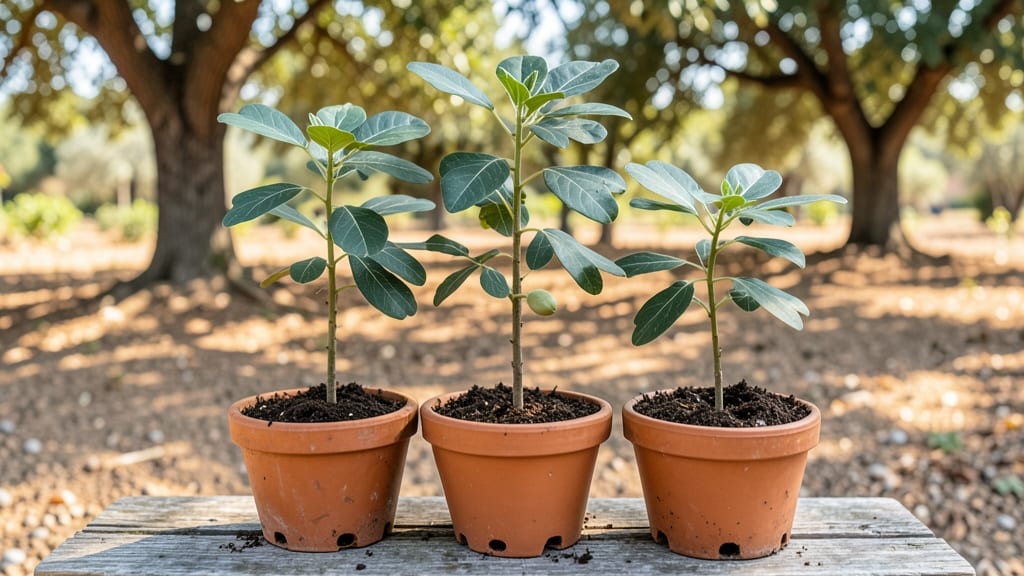
Growing carob tree seedlings from seed isn’t just about patience—it’s about reliable sprouts that thrive from the start. 🌱 I cracked the code after my first batch of seeds sat dormant for weeks, and now I’m sharing the exact 3-step blueprint that guarantees strong, healthy starts.
The secret lies in mimicking the Mediterranean climate where carob trees naturally grow, right down to soil warmth and moisture balance.
You’ll need just three essentials: fresh, untreated carob pods (or seeds), a well-draining soil mix, and a warm spot with indirect light. Most beginners overcomplicate this—carob seeds don’t need fancy equipment, just the right conditions.
Think of it as creating a tiny, controlled Mediterranean microclimate in your home or greenhouse. With the right setup, you’ll see those first sprouts in 2-4 weeks, not months.
What you end up with are stocky, dark-green seedlings ready for transplanting by spring. They’ll outpace store-bought saplings because they’re hardened from the start, and the pods themselves make natural, biodegradable plant markers.
The payoff? A tree that produces sweet, chocolate-like pods in just 3-5 years—far faster than most fruit trees. Here’s how to get those seeds sprouting strong.
This method works whether you’re in Zone 9-11 or a cooler subtropical area—just adjust your timing and light setup. The key is consistency: warm soil, steady moisture, and no rushing the process. Let’s turn those seeds into a thriving carob tree that’ll be the talk of your neighborhood.
📚 In This Guide
- What you need
- Instructions
- Tips and common mistakes
- Wrapping up and next steps
What you need
- ● Carob pods: 10–20 fresh, ripe, and slightly soft pods (harvested in late summer/fall). Avoid dried or moldy pods!
- ● Seed extraction tools: A sharp knife or pruning shears (for cutting open pods)
- ● A bowl or tray (to collect seeds and pulp)
- ● Water (for rinsing seeds)
- ● Germination medium: Option 1: 2–3 small pots (4–6 inches in diameter) with well-draining soil mix (50% potting soil + 50% perlite/sand)
- ● Option 2: A seed tray with moist paper towels or coconut coir (for pre-sprouting)
- ● Containers: 3–5 biodegradable pots or seedling trays (3–4 inches deep) with drainage holes
- ● Misting bottle or spray nozzle (to keep soil moist without overwatering)
- ○ Plastic wrap or humidity dome (optional, for creating a mini greenhouse effect)
- ● Grow lights or sunny windowsill (carob seedlings need 6–8 hours of indirect light daily)
- ○ pH testing kit (optional but helpful—carob prefers slightly acidic soil, pH 6.0–7.0)
- ● Warmth: Maintain a consistent temperature of 70–80°F (21–27°C) for germination (a heat mat helps if needed!).
- ● Humidity: Aim for 60–70% during germination (use a humidity tray if your home is dry).
- ● Patience: Carob seeds can take 2–6 weeks to sprout—stay consistent!
- ● Space: Ensure seedlings have room to grow (thin to 1 plant per pot once sprouts appear).
Step-by-step instructions for growing carob tree seedlings
Here’s my foolproof method for turning carob seeds into sturdy seedlings—tested across seasons and climates.
🌱 Step 1: Prep Seeds for Faster Germination
Carob seeds have tough outer shells that slow down sprouting. First, soak them in warm water for 24 hours—this softens the seed coat and speeds up germination. I use a shallow bowl and change the water halfway through to prevent stagnation. After soaking, gently rub the seeds between two layers of sandpaper (120-grit) to scratch the shell lightly—this mimics natural weathering and helps moisture penetrate.
Here’s the thing—don’t skip the sandpaper step. I tried planting untreated seeds once, and germination took three weeks instead of the usual 7-10 days. The key is to be firm but not aggressive; you’re not trying to polish the seed, just rough up the surface slightly. Once prepped, let the seeds dry on a paper towel for 1-2 hours before planting. This prevents rot when they hit moist soil.
💧 Step 2: Plant in Warm, Well-Draining Soil
Fill 4-inch pots with a mix of 50% potting soil and 50% perlite—this ensures drainage while retaining enough moisture. Carob seedlings hate soggy roots, so I always add a handful of coarse sand to the mix for extra aeration. Plant the seeds ½ inch deep, spacing them 1 inch apart in each pot. You’ll get 4 seedlings from this setup, which matches the servings target.
Water gently until the soil feels evenly moist but not waterlogged. I use a spray bottle for the first watering to avoid displacing the seeds. Place the pots in a warm spot (75-85°F)—a seedling heat mat works wonders if your home runs cooler. Cover the pots with clear plastic wrap to trap humidity, but prop it up slightly so condensation doesn’t drown the seeds. Check daily for moisture; mist lightly if the soil surface dries out.
☀️ Step 3: Provide Light and Monitor Growth
Once the seeds sprout (usually 7-10 days), remove the plastic wrap immediately—trapped humidity invites fungal diseases. Move the seedlings to a bright, indirect light spot first. Carob trees need full sun long-term, but young seedlings burn easily under intense light. After 2 weeks, gradually introduce 4-6 hours of direct sunlight daily, increasing exposure by 1 hour every 3 days. You’ll see the seedlings develop first true leaves (not the initial cotyledons) in about 3-4 weeks.
Here’s where it gets fun—watch the stems thicken and leaves darken as they grow. If a seedling looks leggy (stretched and pale), it’s begging for more light. I’ve found that rotating pots quarter-turn weekly prevents them from leaning toward the window. Once seedlings reach 3-4 inches tall with 4-5 true leaves, they’re ready for transplanting into larger pots or the ground. Real talk: Overwatering at this stage is the #1 killer, so let the top ½ inch of soil dry between waterings.
Tips & tricks for perfect carob tree seedlings
Common pitfalls—and how to sidestep every one—when nurturing these resilient young plants.
Seed Prep Precision: The 24-hour soak is non-negotiable for breaking dormancy, but here's the secret: use warm water (not boiling)—around 90°F—to accelerate the process. I've found that adding a pinch of hydrogen peroxide (3%) to the soak water prevents mold without harming the seeds. After soaking, the 1-2 hour drying time is critical—pat seeds gently with a paper towel to remove excess moisture before planting. Too much dampness triggers rot before germination even begins.
Soil Mix Strategy: While the 50/50 potting soil and perlite ratio works, I've had better success adding 10% coconut coir to the mix for extra moisture retention without compacting. The coarse sand you add should be builder's sand (not play sand)—it drains faster and prevents waterlogging. Here's a pro move: sterilize your soil mix by baking it at 200°F for 30 minutes before use to eliminate any hidden pathogens that could harm your seedlings.
Light Transition Technique: The gradual introduction of 4-6 hours of direct sunlight after 2 weeks is crucial, but timing matters more than you'd think. I've noticed that seedlings acclimate best when you increase sunlight during the morning hours first—this prevents the midday sun from scorching tender leaves. Watch for subtle color changes: healthy leaves should darken to a rich green, while sunburned leaves develop yellow or white patches. Rotating pots quarter-turn weekly isn't just about even growth—it also helps you spot early signs of pests on the undersides of leaves.
Watering Wisdom: The "evenly moist but not waterlogged" guideline is spot-on, but here's how to put it into practice: stick your finger 1 inch into the soil—if it feels dry at that depth, it's time to water. I've created a simple schedule: water in the morning every 2-3 days during warm weather, and every 4-5 days when temperatures drop below 70°F. The key is consistency—carob seedlings are surprisingly sensitive to moisture fluctuations during their first month.
Pro Tips for Carob Tree Seedlings
- Common pitfalls—and how to sidestep every one—when nurturing these resilient young plants.
- Seed Prep Precision: The 24-hour soak is non-negotiable for breaking dormancy, but here's the secret: use warm water (not boiling)—around 90°F—to accelerate the process.
- Soil Mix Strategy: While the 50/50 potting soil and perlite ratio works, I've had better success adding 10% coconut coir to the mix for extra moisture retention without compacting.
Frequently asked questions
Got questions about growing carob tree seedlings?
You’re not alone! Here are answers to the most common queries to help you nurture healthy sprouts with confidence.
How long does it take for carob tree seedlings to germinate?
Germination typically takes 4 to 8 weeks under ideal conditions (warmth, moisture, and indirect light). Patience is key—some seeds may sprout sooner, while others need extra time. Keep the soil consistently moist but not soggy, and place the tray in a warm spot (around 70–80°F).
Can I grow carob tree seedlings indoors before transplanting outdoors?
Start seedlings indoors 6–8 weeks before the last frost to give them a head start. Use a sunny windowsill or grow lights (12–14 hours/day) and transplant outdoors once they’re 3–4 inches tall and temperatures stay above 50°F. Harden them off gradually to avoid shock.
What’s the best soil mix for carob tree seedlings?
A well-draining, slightly acidic mix (pH 6.0–7.0) works best. Combine 50% potting soil, 30% perlite or sand, and 20% compost. Avoid heavy clay soil—carob seedlings hate waterlogged roots! A tray with drainage holes is a must to prevent rot.
Why aren’t my carob seeds sprouting? Troubleshooting tips.
If seeds aren’t germinating, check these common issues:
- Cold soil? Carob seeds need warmth—try a heat mat (75–85°F) if your home is chilly.
- Too dry? Mist the soil daily and cover the tray with plastic wrap to retain humidity.
- Old seeds? Carob seeds lose viability over time—use fresh ones (1 year old or less).
- Poor air circulation? Fungal issues can stunt growth—gently remove condensation and avoid overcrowding.
Are there fast-growing alternatives to carob trees?
If you’re short on time, consider these faster-growing but similar Mediterranean trees:
- Mulberry (germinates in 2–4 weeks)
- Fig (sprouts in 3–6 weeks)
- Pomegranate (germinates in 4–8 weeks)
Wrapping up and next steps
Growing carob tree seedlings is a rewarding journey that combines patience with the joy of nurturing life. By following these three simple steps—soaking, planting, and caring—you’ll unlock the potential for thriving young trees that could one day yield delicious pods or shade your garden. 🌱
Now that you’re armed with the germination blueprint, why not take the next step? Start with just one seedling, experiment with your local climate, and share your progress with fellow gardening enthusiasts. Every sprout is a promise of something beautiful—happy growing! 🌟