
Trees
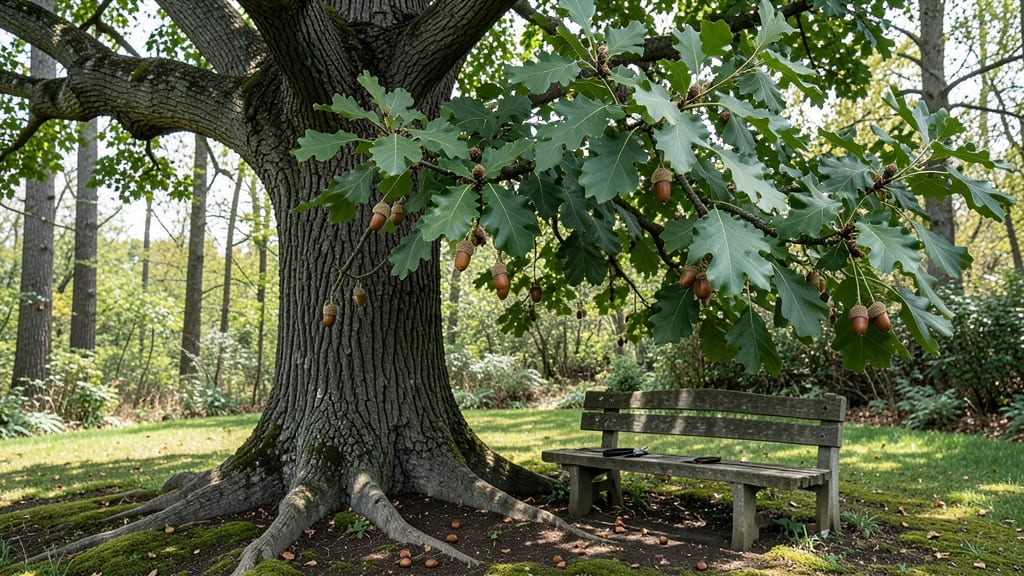
Growing an oak tree from acorns is one of the most rewarding long-term projects you can start this fall. 🌱 The process might feel slow—oaks take patience—but with the right steps, you’ll watch a tiny acorn transform into a towering shade tree over decades.
My first attempt taught me that timing and soil prep make all the difference between success and frustration.
You’ll need fresh acorns, a cold stratification setup (like a damp paper towel in the fridge for 6-8 weeks), and well-draining soil. Most people skip the stratification step, which is why their acorns never sprout—it mimics winter’s natural chilling period.
Plant them shallowly in pots or directly in the ground after stratification, and keep the soil consistently moist but never soggy.
Within 2-4 weeks, you’ll spot tiny sprouts with long taproots—this is where most beginners panic and overwater. Let the soil dry slightly between waterings, and place your young oak in full sun. By spring, you’ll have sturdy seedlings ready to transplant, though they’ll grow just 1-2 feet their first year.
Here’s the secret: oak seedlings thrive when left undisturbed for years. The first decade is about root growth, not height—so don’t rush it. With proper care, your tree could live for centuries, just like the ancient oaks in your neighborhood. Ready to start your legacy?
📚 In This Guide
- What you need
- Instructions
- Tips and common mistakes
- Wrapping up and next steps
What you need
- ● Fresh oak acorns: Collect 5–10 healthy, plump acorns (avoid shriveled or worm-eaten ones). Ensure they’re from a white oak (Quercus alba) or red oak (Quercus rubra) for best results.
- ● Well-draining potting soil: A 4–6 inch deep container filled with a mix of peat moss, perlite, and sand (or a pre-mixed seed-starting blend).
- ● Small pots or seed trays: Use 3–4 inch diameter pots or a tray with drainage holes (one per acorn).
- ● Plastic wrap or humidity dome: To maintain moisture during germination (a clear plastic bag or a store-bought propagator works).
- ● Spray bottle: For gentle watering to keep soil moist without over-saturating.
- ● Labeling tags: Small sticks or markers to label each pot with the acorn’s origin date.
- ○ Scissors or knife: For lightly nicking the acorn shell (optional, speeds up germination).
- ● Grow lights or sunny windowsill: A south-facing window or LED grow light (12–16 hours/day) for strong seedlings.
- ● Heating mat: A seedling heat mat (70–80°F) to encourage faster germination.
- ● Fertilizer (low-dose): A balanced, water-soluble fertilizer (5-5-5 NPK) once sprouts appear (dilute to half-strength).
- ● Notebook or app: To track germination dates, soil moisture, and growth milestones.
- ● Outdoor space or larger pot: For transplanting seedlings after 6–12 months (oak trees need room to grow!).
How to germinate oak tree acorns successfully
Here's the straightforward method I've used to grow sturdy oak seedlings every season.
🌱 Step 1: Collect and Stratify the Acorns
Gather fresh acorns from healthy oak trees in late fall—look for plump, intact nuts without cracks or holes. Store them in a breathable container like a paper bag at 35-40°F for 3-4 months to complete cold stratification. This mimics winter conditions and breaks their natural dormancy.
Check them monthly for mold or soft spots—discard any that feel mushy or smell off. The cold treatment is critical; skipping it results in stubborn seeds that refuse to sprout. I place mine in my refrigerator's crisper drawer where humidity stays steady and temperatures remain cool.
💧 Step 2: Prepare the Germination Setup
Fill a shallow tray with 2-3 inches of moistened vermiculite or perlite—these materials hold moisture while allowing airflow. Arrange the stratified acorns 1 inch apart on the surface, pressing them gently so they make contact with the medium. Cover the tray with plastic wrap to maintain humidity.
Place the tray in a warm spot (70-75°F) where indirect light reaches it. You'll see tiny white roots emerge within 2-4 weeks—this is your signal that germination has begun. Keep the medium consistently moist but never soggy; condensation on the plastic wrap means you've overdone it.
☀️ Step 3: Transplant to Soil When Roots Appear
Once roots reach ½ inch long, carefully transfer each acorn to its own 4-inch pot filled with a mix of 50% potting soil and 50% perlite. Plant them 1 inch deep with the root pointing downward—this ensures straight growth. Water gently until moisture drains from the bottom.
Place the pots under bright, indirect light for the first two weeks. Direct sun at this stage can scorch the delicate sprouts. You'll notice the first true leaves (not the initial seed leaves) emerge within 3-6 weeks—this confirms the seedling has established itself properly.
🌿 Step 4: Acclimate and Harden Off Seedlings
After 8-10 weeks of indoor growth, begin hardening off by moving seedlings outdoors to a shaded spot for 1-2 hours daily. Gradually increase exposure over 2 weeks, eventually letting them take full sun. This prepares them for outdoor conditions without shock.
Watch for yellowing leaves—this often signals overwatering or sudden temperature shifts. Oak seedlings are tough but need consistent care. Once they've spent a full day outside without wilting, they're ready for permanent planting in well-drained soil with plenty of space to grow.
Tips & tricks for perfect oak tree acorn germination
These practical insights will help you avoid common pitfalls and maximize your oak seedlings' success rate.
Stratification Precision: The 3-4 month cold treatment at 35-40°F is non-negotiable for breaking dormancy. I've found that using a refrigerator's crisper drawer provides the most consistent conditions—check temperatures monthly with a thermometer. If your fridge runs warmer, consider a dedicated seed fridge or move to a cool basement. The key is maintaining steady cold without temperature fluctuations, which can confuse the acorns' internal clocks.
Medium Selection: While vermiculite or perlite work well, coconut coir is an excellent alternative that holds moisture better while still allowing airflow. Whatever you choose, sterilize it first by baking at 200°F for 30 minutes to kill any pathogens. I've had better germination rates using coir because it maintains consistent moisture without becoming waterlogged, which is crucial during those first critical 2-4 weeks of root development.
Transplant Timing: Wait until roots reach exactly ½ inch before transplanting—this gives you the perfect balance of root development and seedling stability. I use a clear ruler to check root length against the pot's edge. Transplanting too early can damage delicate roots, while waiting too long risks overcrowding in the germination tray. The 4-inch pots are ideal because they provide enough room for root expansion without being so large that moisture evaporates too quickly.
Harden Off Gradually: The 2-week hardening process is where most seedlings fail. I start with just 1-2 hours in shade, then increase by 30 minutes daily. Watch for wilting—this is your signal to slow down. Oak seedlings are tough, but sudden exposure to full sun or cold can shock them. Once they've spent a full day outside without wilting, they're ready for permanent planting. This gradual approach mimics natural seasonal changes and gives seedlings time to adjust their internal processes.
Pro Tips for Oak Tree Acorns
- These practical insights will help you avoid common pitfalls and maximize your oak seedlings' success rate.
- Stratification Precision: The 3-4 month cold treatment at 35-40°F is non-negotiable for breaking dormancy.
- Medium Selection: While vermiculite or perlite work well, coconut coir is an excellent alternative that holds moisture better while still allowing airflow.
Frequently asked questions
Got questions about growing oak tree acorns? You’re not alone—these little nuts can be tricky! Here are some of the most common questions (and answers) to help you get started on the right foot.
How do I know if my acorn is viable before planting?
Not all acorns will sprout, but you can test viability with a simple float test. Fill a bowl with water and drop your acorns in—if they sink, they’re likely good to go! If they float, they’re empty or damaged. Pro tip: Freshness matters—use acorns from mature oaks (at least 50 years old) for the best results.
How long does it take for oak acorns to germinate?
Patience is key! Oak acorns can take 2–6 months to germinate, depending on species and conditions. White oaks (like bur oaks) often sprout faster (4–8 weeks), while red oaks may take longer (up to 6 months). Keep soil moist and warm (60–70°F) to speed things up. Cold stratification (chilling for 6–8 weeks) can also help break dormancy.
Can I plant acorns directly in the ground, or do I need to start them indoors?
Both work, but timing and location matter. For direct outdoor planting, sow acorns in fall (they’ll naturally stratify over winter). If planting indoors, start 6–8 weeks before last frost in pots with well-draining soil. Transplant seedlings outdoors once they’re 4–6 inches tall. Warning: Acorns are not frost-tolerant as seeds—wait until spring to move them outside!
Why aren’t my acorns sprouting? Troubleshooting tips!
If your acorns refuse to sprout, check these common issues:
- Dry soil: Oak acorns need consistent moisture—keep soil damp (not soggy).
- Poor stratification: If you skipped cold treatment, try refrigerating them for 6–8 weeks.
- Old or low-quality acorns: Use plump, fresh acorns from healthy trees.
- Fungal issues: Overwatering or poor drainage can cause rot. Use a fungicide if needed.
How do I care for young oak seedlings once they sprout?
New oak seedlings are delicate but hardy once established. Keep them in partial shade for the first year, then gradually introduce sunlight. Water deeply 1–2 times per week (avoid overhead spraying to prevent disease). Fertilizer isn’t needed—oaks thrive in poor soil. Mulch around the base (but not touching the trunk) to retain moisture and suppress weeds. Fun fact: It can take 10–20 years for an oak to produce its first acorns—so be patient!
Wrapping up and next steps
Growing oak trees from acorns is a rewarding journey that connects you to nature’s resilience! 🌱 With the right patience, preparation, and care, you can nurture strong, healthy saplings that may one day become majestic giants.
Whether you’re a gardener, educator, or simply a nature enthusiast, every acorn planted is a step toward a greener future.
Ready to take the next step? Start small—collect acorns this fall, experiment with germination, and observe your progress. Share your oak tree adventures with fellow gardeners or even document your growth milestones. The earth will thank you!