
Pruning
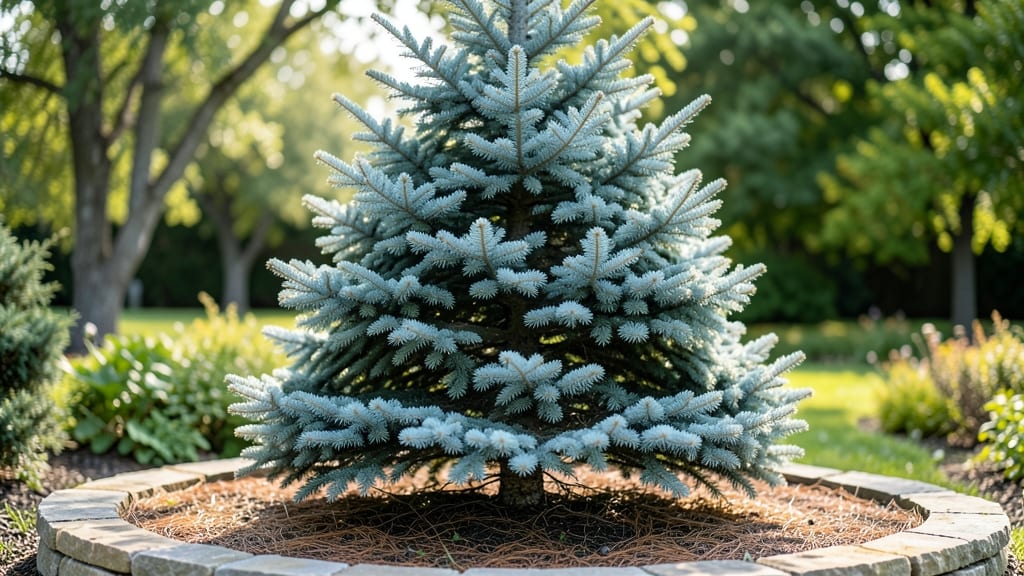
The Colorado Blue Spruce isn’t just a Christmas tree—it’s a year-round stunner with needles so vibrant they look like they’re dusted with powdered sugar. 🌲 I’ve grown these tough evergreens for over a decade, and they’ve never failed to impress, even through Colorado’s brutal winters.
Their striking blue-green foliage stays lush when other trees struggle, making them a standout in any yard.
This spruce thrives in full sun to partial shade, tolerates poor soil better than most evergreens, and handles drought once established. The key is planting in well-draining soil and giving young trees consistent water—about 1-2 inches per week in the first growing season.
Pruning is minimal, but removing dead branches keeps them looking sharp for holiday photos.
What makes them special? Their cold-hardy nature means they bounce back from snow and wind damage, and their dense branches hold ornaments beautifully. With proper care, you’ll have a tree that doubles as a living Christmas decoration for decades. Let’s get yours growing strong this season.
Whether you’re planting a sapling or nurturing a mature tree, these spruces reward patience with vibrant color and sturdy structure. They’re perfect for Colorado’s climate but adapt well to other cold regions too. Ready to make yours the envy of the neighborhood?
📚 In This Guide
- What you need
- Instructions
- Tips and common mistakes
- Wrapping up and next steps
What you need
- ● Pruning shears: Bypass pruners (for small branches, ¼"–½" cut capacity) – 1 pair
- ● Loppers: 6"–8" bypass loppers (for thicker branches, ¾"–1½" cut capacity) – 1 pair
- ● Hand saw: Pruning saw with a curved blade (for branches >1½") – 1
- ● Ladder: Sturdy, extendable ladder (10–15 ft, weight-rated for your height) – 1
- ● Disposable gloves: Heavy-duty, cut-resistant (to protect from sap and splinters) – 2–3 pairs
- ● Rubbing alcohol (70%+) or bleach solution: For sterilizing tools between cuts (1:9 bleach-to-water ratio) – small bottle
- ○ Tree wound sealant (optional): Pruning sealant for large cuts (>½") – small tube
- ● Weather check: Prune on a dry, calm day (avoid wind or rain within 24 hours)
- ● Safety glasses: Protect your eyes from debris – 1 pair
- ● Long sleeves/pants: Wear layers to shield from sap and scratches
- ○ Notebook/pencil: To sketch pruning plans or track growth (optional but helpful!)
How to cultivate a thriving Colorado blue Spruce year-round
This resilient evergreen thrives with the right site selection and seasonal care—here's how to keep it vibrant through every season.
🌱 Step 1: Choose the Perfect Planting Location for Sun and Wind
Colorado blue spruces demand full sun—at least 6-8 hours daily—to develop their signature silvery-blue needles. I always plant mine where the morning sun warms the soil but afternoon shade prevents afternoon heat stress. The key is avoiding low spots where cold air settles, which can cause winter burn.
Wind is the real test for these trees. While they're naturally wind-resistant, young saplings need shelter from dry winter winds that desiccate needles. Plant near a natural windbreak like a fence or cluster with other evergreens to create a protective microclimate. You'll notice healthier growth and fewer brown needle tips when wind exposure is minimized.
🪴 Step 2: Prepare Soil and Plant at the Right Depth
These spruces tolerate poor soil but flourish in well-draining, slightly acidic conditions (pH 5.0-7.0). I always amend native soil with 2-3 inches of organic matter like composted leaves or pine bark fines before planting. The goal is loose, aerated soil that prevents root rot—Colorado blue spruces hate soggy feet.
Dig a hole twice as wide as the root ball but only as deep. The top of the root flare should sit 1-2 inches above ground level—burying too deep suffocates roots and causes stress. Backfill with native soil mixed with your organic amendment, then water deeply to eliminate air pockets. Tap the soil gently around the base to settle everything.
☀️ Step 3: Water Deeply and Establish a Seasonal Care Routine
Newly planted spruces need 1-1.5 inches of water weekly during the first growing season. I water deeply twice weekly in summer, letting the soil dry slightly between sessions. The rule is simple: water until moisture reaches 12 inches deep—check with a screwdriver. Overwatering is the fastest way to kill these trees.
Once established, they're drought-tolerant but still need monthly deep waterings during dry spells. The best time to water is early morning—this prevents fungal issues from evening moisture. You'll know your watering is right when needles stay vibrant blue and new growth appears in spring rather than turning yellow.
✂️ Step 4: Prune Strategically to Maintain Shape and Health
Colorado blue spruces rarely need pruning, but I always remove dead, diseased, or crossing branches in late winter or early spring. Use clean, sharp pruners to make cuts just outside the branch collar. Never remove more than 25% of the canopy in one season—these trees grow slowly and won't recover from heavy pruning.
For shaping, focus on selective tip pruning to encourage fuller growth. Cut back only the topmost 6-12 inches of new growth on the outer branches. Avoid "shearing" or rounding the tree artificially—this stresses the plant and can lead to needle loss. The goal is to maintain natural shape while opening the center for airflow and sunlight penetration.
⏰ Step 5: Protect Through Winter and Monitor Year-Round
Winter care starts in late fall when you should mulch heavily with 3-4 inches of organic mulch (like shredded bark) around the base. This insulates roots from freeze-thaw cycles. I also wrap young trees in burlap during the harshest winter months to prevent windburn—unravel it in early spring before new growth begins.
Watch for spider mites in dry summers or bagworms in fall—they're the two biggest pests for Colorado blue spruces. Treat infestations immediately with neem oil or horticultural oil in early spring or late summer. Healthy trees rarely have major issues, but consistent monitoring prevents small problems from becoming overwhelming. You'll know your tree is thriving when it maintains its signature blue hue year-round and produces 12-18 inches of new growth annually.
Tips & tricks for perfect Colorado Christmas tree Spruce cultivation
These are the hard-won lessons that'll help your Colorado blue spruce thrive year after year—no guesswork required.
Location Secrets: The 6-8 hours of daily sun in Step 1 aren't just about light—they're about timing. Plant your spruce where it gets morning sun but afternoon shade, especially in hotter climates. I've seen trees in full afternoon sun develop yellow tips by summer—those are the ones that need extra afternoon shade. For wind protection, consider planting near a sturdy fence or existing evergreens, but leave at least 10 feet of space between trees to prevent root competition.
Soil Science: While these spruces tolerate poor soil, don't skimp on the 2-3 inches of organic matter in Step 2. I've found that pine bark fines work best for maintaining that slightly acidic pH range (5.0-7.0). For a quick soil test, grab a handful of moist soil—if it smells strongly of ammonia or has a grayish tint, you need more organic matter. The goal is soil that drains quickly but holds enough moisture to prevent drought stress.
Watering Wisdom: That 1-1.5 inches of weekly water in Step 3 is a guideline, not a rule. In summer, I check moisture by pushing a screwdriver into the soil—if it hits resistance at 12 inches, you're good. What I've learned is that morning watering (before 10 AM) prevents fungal issues completely. And here's a pro move: water the root zone, not the needles. Wet needles in evening light create perfect conditions for needle blight.
Pruning Precision: When you're doing that selective tip pruning in Step 4, focus on branches that are growing toward the center of the tree. I always prune in late winter when the tree is dormant—this prevents stress during active growth periods. And never remove more than 12 inches from any branch at once. The key is to shape gradually; these trees grow slowly and appreciate patience more than anything.
Pro Tips for Christmas Tree Colorado Spruce
- These are the hard-won lessons that'll help your Colorado blue spruce thrive year after year—no guesswork required.
- Location Secrets: The 6-8 hours of daily sun in Step 1 aren't just about light—they're about timing.
- Soil Science: While these spruces tolerate poor soil, don't skimp on the 2-3 inches of organic matter in Step 2.
Frequently asked questions
Got questions about growing and maintaining your Colorado Blue Spruce as a stunning year-round Christmas tree? Here are some of the most common queries—plus expert answers to keep your evergreen thriving!
When is the best time to prune a Colorado Blue Spruce for optimal growth?
Prune your Picea pungens in late winter or early spring (February–March) before new growth begins. Avoid heavy pruning in fall or winter, as it can stress the tree. Focus on removing dead branches and shaping lightly—never cut more than 25% of the foliage at once to prevent shock.
How do I keep my Colorado Blue Spruce from turning brown or losing needles?
Brown needles or needle drop often signal drought stress, pests, or disease. Mulch well, water deeply (1–1.5 inches per week), and avoid over-fertilizing. Check for spider mites or bagworms—treat with horticultural oil if needed. If the issue persists, a soil test can rule out nutrient deficiencies like iron or manganese.
Can I use a Colorado Blue Spruce as a living Christmas tree, or is it better as a permanent landscape tree?
This hardy spruce thrives as a living Christmas tree—just keep it indoors for 4–6 weeks max (longer exposure to dry heat can harm it). For permanent landscapes, plant it 10–15 feet from structures (it matures 30–40 feet tall!). If using as a holiday centerpiece, water it well before bringing it inside and mist foliage daily.
How long does it take for a Colorado Blue Spruce to reach its full size?
In ideal conditions, a Colorado Blue Spruce grows 1–2 feet per year, reaching maturity (30–40 feet tall) in 15–25 years. Dwarf varieties (like 'Glauca Globosa') stay under 10 feet and mature faster. Patience pays off—this evergreen’s blue-green hue intensifies with age, making it a stunning long-term investment!
What’s the best alternative if my Colorado Blue Spruce isn’t thriving in my climate?
If your area has hot summers or poor drainage, consider these resilient spruces:
- White Spruce (Picea glauca): Tolerates colder climates and wet soils.
- Black Hills Spruce (Picea glauca 'Densata'): Drought-resistant and compact.
- Norway Spruce (Picea abies): Faster-growing but needs consistent moisture.
Wrapping up and next steps
Your Colorado Blue Spruce is more than just a holiday centerpiece—it’s a year-round investment in beauty and resilience! 🌲 With the right pruning techniques, proper tools, and seasonal care, you’ll nurture a thriving evergreen that stands tall for decades. Start small, stay consistent, and watch your tree flourish!
Ready to take the next step? Schedule a quick health check this fall—trim those overgrown branches, assess for pests, and give your tree the TLC it deserves. Grab your pruners and get growing! 🌿