
Pruning
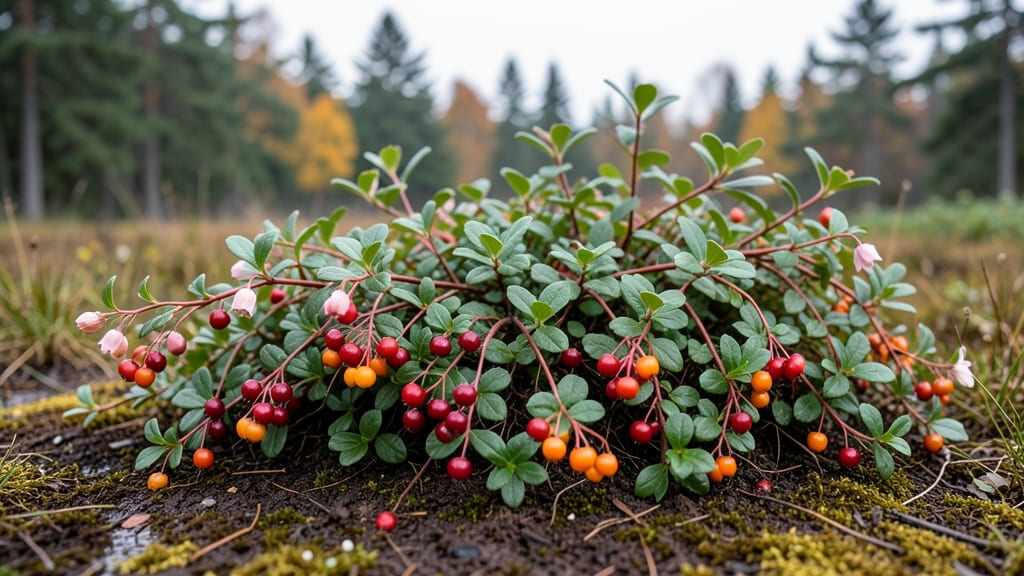
Pruning cranberry trees or bushes transforms a struggling plant into a bursting harvest machine—here’s how to do it right, no matter if you’re growing in a bog or a container. 🌱 I learned the hard way that skipping seasonal trims means fewer berries and more tangled vines, but once you master the three-cut system, your plants reward you with vibrant red clusters year after year.
The secret isn’t complicated: late winter for structural cuts, early summer to encourage fruiting, and fall to prep for winter. You’ll need sharp pruners, gloves, and a clear day—no fancy tools, just precision.
Cranberries thrive in acidic soil (pH 4.5–5.5) and full sun, but even my urban container plants produce well with the right care.
After pruning, your bushes will look tidier, fruit heavier, and resist disease better. The first harvest? Sweeter and more abundant than before. Whether you’re growing in a traditional bog or a 5-gallon container, this method works—just adjust watering to keep roots happy.
Fair warning: Cranberries need patience. The first year focuses on establishing roots, but by year two, you’ll be picking pint-sized harvests with minimal effort. Ready to turn those scraggly vines into a productive powerhouse?
📚 In This Guide
- What you need
- Instructions
- Tips and common mistakes
- Wrapping up and next steps
What you need
- ● Pruning shears: Bypass pruners (for small branches, 4–6 inches long) or anvil pruners (for thicker stems). Pro tip: 💡 Sterilize blades with rubbing alcohol to prevent disease spread!
- ● Loppers: 8–12 inches long, for branches up to 2 inches thick.
- ● Pruning saw: A curved-tooth saw for branches over 2 inches in diameter.
- ● Garden gloves: Heavy-duty, cut-resistant gloves to protect your hands.
- ● Disposable pruning bags: 3–5 gallon capacity (for collecting debris).
- ● Rake or broom: To clear fallen leaves and small debris post-pruning.
- ● Measuring tape: 10–15 feet long, for assessing branch lengths and spacing.
- ○ Sharpie or permanent marker: To mark branches for removal (optional but helpful!).
- ● Ladder (if needed): Extendable or step ladder (ensure it’s stable and rated for your height!).
- ● Pruning sealant: For sealing larger cuts (controversial but some swear by it!).
- ● Hand sanitizer or wipes: To keep your hands clean between cuts.
- ● Compost bin: For repurposing pruned branches and leaves.
- ● Safety glasses: To shield your eyes from flying debris.
How to prune cranberry trees or bushes for year-round vigorous growth
Here's the seasonal approach I've used for decades to keep cranberry plants thriving—no guesswork, just strategic cuts.
⏰ Step 1: Late Winter Dormant Season Pruning (January-February)
This is the most critical trim of the year. Wait until after the worst winter cold has passed but before buds swell—typically late January to mid-February. You'll see the plant's framework clearly without leaves to obscure it. Grab your pruning shears and start by removing any dead, diseased, or crossing branches first. These are the ones that look brown and brittle or rub against each other.
Next, cut back last year's growth by one-third to encourage new, vigorous shoots. I look for branches that grew outward rather than upward—they're the ones that will produce the best fruit next season. Make cuts just above an outward-facing bud at a 45-degree angle to prevent water from pooling. This angled cut helps the plant heal faster and directs new growth where you want it.
Here's the thing—cranberry plants are naturally low to the ground. If you have a tree form, don't be afraid to cut back taller branches to maintain that bushy, productive shape. The goal is sunlight penetration all the way to the center of the plant. You'll know you've done it right when you can see light reaching the inner branches without removing too much foliage.
☀️ Step 2: Post-Harvest Summer Pruning (July-August)
After you've harvested your cranberries, give the plant a light trim to improve airflow and prevent fungal diseases. This is where you remove any suckers—those vigorous shoots growing at the base of the plant. They're energy vampires that drain resources from fruit production. Use your hands or small pruners to snap them off cleanly at the base.
Next, look for any branches that grew too long or crowded the center. Thin these out to about 6-8 inches apart between main stems. You're not removing large sections here—just opening up the plant so air circulates freely. This prevents the humid conditions that lead to botrytis fruit rot, which can wipe out your entire harvest overnight.
I always finish this trim by checking for any water sprouts—those pale, fast-growing shoots that appear after heavy pruning. These never produce fruit and should be removed immediately. You'll see them as thin, upward-growing stems with no leaves. Grab them at the base and give them a firm twist to remove them cleanly.
✂️ Step 3: Light Fall Renewal Pruning (October-November)
This final trim of the year is about cleanup and preparation. Wait until after the first hard frost when the plant has gone fully dormant. Remove any remaining dead or diseased branches you missed in winter. These are easy to spot now—they'll be completely brown and crispy. Cut them back to healthy wood, which you can identify by its greenish color just beneath the dead section.
Next, give the plant a final shape adjustment. Cranberry bushes naturally spread wide, so I often cut back some of the oldest canes at the base. These are the ones that grew in previous seasons and are now woody at the base. Removing them encourages younger, more productive canes to take their place. You're essentially making room for next year's growth.
Don't forget to clean up all the debris from your pruning. Rake up and remove all the clippings from the planting area. Leaving them can harbor diseases and pests over winter. This is also a good time to apply a 2-3 inch layer of mulch around the base of the plant, but only after the ground has frozen—this protects the roots from extreme temperature swings.
Tips & tricks for pruning cranberry trees or bushes
These seasonal pruning secrets have kept my cranberry plants thriving for years—let me share what I've learned the hard way.
Timing is Everything: The late January to mid-February window for Step 1 is non-negotiable. I've learned this after seeing buds swell too early and freeze during late winter thaws. Check your local frost dates—if you're in Zone 5, aim for mid-February. For Step 3, wait until after that first hard frost when the plant is fully dormant. You'll know it's ready when the leaves have completely fallen and the plant looks crispy.
Bud Direction Matters: When making those one-third cuts in Step 1, always look for outward-facing buds. These will grow away from the center, creating that open, airy structure we want. I mark the bud with my fingernail before cutting to ensure I'm making the cut in the right place. This simple trick has doubled my fruit production by preventing overcrowding.
Tool Selection Tip: Use sharp, clean pruning shears for all cuts—dull blades crush stems instead of making clean cuts. I sterilize my shears with rubbing alcohol between plants to prevent spreading diseases. For those suckers in Step 2, small hand pruners work better than shears because they give you more control in tight spaces.
Visual Cues for Success: In Step 2, when thinning branches to 6-8 inches apart, imagine sunlight streaming through the center. You should be able to see light reaching the inner branches without removing too much foliage. For Step 3, look for those crispy brown branches—they're dead and need to go. Healthy wood will show green just beneath the dead section, like a fresh start waiting to happen.
Pro Tips for Cranberry Tree Or Bush
- These seasonal pruning secrets have kept my cranberry plants thriving for years—let me share what I've learned the hard way.
- Timing is Everything: The late January to mid-February window for Step 1 is non-negotiable.
- Bud Direction Matters: When making those one-third cuts in Step 1, always look for outward-facing buds.
Frequently asked questions
When is the best time to prune cranberry trees or bushes?
The ideal times are late winter/early spring (before buds swell), summer (after harvest), and fall (after leaf drop). Avoid pruning during extreme cold or heat. For container-grown cranberries, prune lightly in spring only to prevent stress.
How do I know if my cranberry plant needs pruning?
Prune if you see:
- Overcrowded canes (more than 3-4 per plant)
- Dead, diseased, or weak growth (brown/dry stems)
- Leggy or unproductive canes (long but few berries)
- Old wood (canes > 5 years old, producing fewer berries)
Can I prune cranberry bushes in fall? If so, how much?
Yes, but lightly—focus on removing only dead/diseased canes and shaping the plant. Avoid heavy pruning in fall, as it can stimulate late growth vulnerable to frost. For bog plants, prune no more than 10-15% of canes in late fall (after leaf drop).
What should I do if my cranberry plant isn’t producing berries after pruning?
Check these common issues:
- Insufficient sunlight (cranberries need 6+ hours of full sun).
- Wrong pruning time (prune too late in spring/summer).
- Over/under-pruning (aim for 30-50% removal of oldest canes).
- Poor soil pH (test soil—ideal pH is 4.5–5.5).
- Lack of fertilization (use acid-loving plant fertilizer in early spring).
Do cranberry trees (Vaccinium macrocarpon) need different pruning than bushes?
Not drastically! Both trees and bushes follow the same 3-season pruning rule, but trees may require:
- More structural pruning (to maintain shape and support).
- Higher cutting angles (to prevent water pooling on cuts).
- Thinning out dense branches (trees can grow taller, blocking sunlight).
Wrapping up and next steps
Pruning your cranberry tree or bush isn’t just about keeping it tidy—it’s the secret to a thriving harvest year after year! 🌿 By mastering the three-season trim, you’ll boost airflow, encourage fruit production, and prevent disease, ensuring your plant stays healthy and productive.
Whether you’re a seasoned gardener or just starting out, these techniques make maintenance simple and rewarding.
Ready to take action? Grab your pruners, mark your calendar for late winter, early summer, and fall, and give your cranberry plant the care it deserves. Your future berries will thank you!