
Lawn
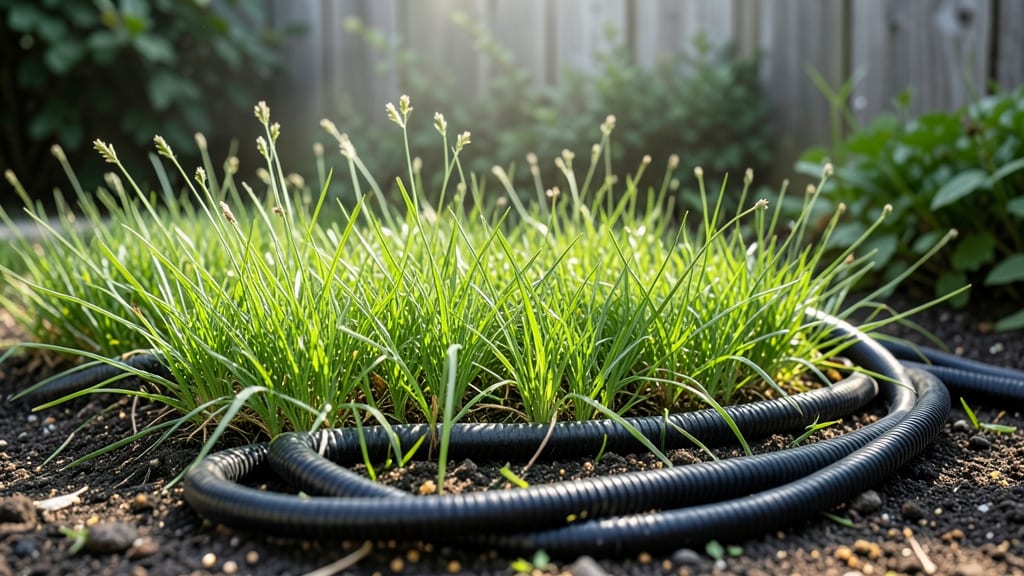
Transforming bare spots into lush green with Dollar Tree grass seed is easier—and cheaper—than you think. I’ve turned patchy lawns into vibrant carpets using nothing but a $1 bag of seed, a rake, and a consistent watering schedule.
The trick isn’t the seed itself (yes, it’s basic fescue or ryegrass), but how you prep the soil, time your planting, and keep weeds at bay.
You’ll need just three supplies: a rake, a spreader (or even your hands), and a hose with a gentle nozzle. Skip the fancy pre-mixed fertilizer—composted manure or a cheap 10-10-10 blend works just as well.
The real secret? Prepping the soil by removing debris and loosening compacted dirt so seeds can snuggle into the earth like they’re checking into a five-star hotel.
In just three weeks, you’ll see blades thicken enough to outcompete weeds and handle light foot traffic. The key is watering twice daily for the first week (morning and evening) to keep seeds moist but not soggy.
After germination, cut back to deep watering twice a week—and watch your lawn go from sad to show-stopping without breaking the bank.
This method works for small patches, full yards, or even container grass—just scale the seed and water. The only downside? You’ll need patience (and maybe a weed barrier cloth if your spot is stubborn).
But trust me, the first time you see green where there was dirt? That’s the sweetest victory in gardening.
📚 In This Guide
- What you need
- Instructions
- Tips and common mistakes
- Wrapping up and next steps
What you need
- ● Dollar Tree Grass Seed: 1–2 lbs (check the variety—annual ryegrass or perennial ryegrass work best for quick coverage).
- ● Lawn Soil or Topsoil: 1–2 bags (40–60 lbs each) to amend bare spots or thin areas.
- ● Rake: A sturdy bow rake (for leveling soil) and a hand rake (for spreading seed).
- ● Garden Hose with Nozzle: A showerhead or misting attachment for gentle watering.
- ○ Lawn Roller (Optional but Helpful): A lightweight 10–15 lb roller to press seed into soil.
- ○ Fertilizer (Optional): A starter fertilizer (like 10-10-10) or compost to boost seed germination.
- ● Clear Debris: Remove rocks, weeds, or dead grass from the area.
- ● Loosen Soil: Lightly till or rake the top 1–2 inches of soil for better seed-to-soil contact.
- ○ Test Soil pH (Optional): Aim for a pH of 6.0–7.0—use a DIY soil test kit from Dollar Tree or a garden center.
- ● Weather Check: Plant when temps are 55–75°F (avoid extreme heat or frost).
Step-by-Step instructions for reviving your lawn with affordable grass seed
Here’s how to transform bare patches into lush, green coverage using budget-friendly seed—no fancy tools required.
🌱 Step 1: Prep the Soil for Optimal Seed Contact
Start by removing any debris, rocks, or dead grass from the area using a rake or stiff broom. The goal is to expose bare soil so the seed makes direct contact—this is critical for germination. Scratch the surface lightly with a garden rake or even a stiff wire brush to create a rough texture. This mimics natural soil conditions and gives the seed something to anchor into.
If your soil feels hard or compacted, loosen it slightly with a hand fork or the tines of your rake. You don’t need to dig deep—just break up the top ½ inch of soil. This allows roots to penetrate easily without resistance. Avoid overworking the soil, as excessive disturbance can bring up weeds or create a crust that blocks moisture.
💧 Step 2: Spread Seed Evenly and Lightly
Shake the Dollar Tree grass seed packet to fluff the seeds—this ensures even distribution. For small patches, sprinkle seeds by hand, working in one direction to avoid overlapping. For larger areas, use a broadcast spreader or even a piece of cardboard with holes cut in it to control the flow. The key is to apply seeds sparingly—too much leads to thick, weak growth and wasted seed.
Lightly cover the seeds with a ¼-inch layer of fine soil or compost using the back of a rake. This protects them from birds and keeps them from drying out, but don’t bury them too deeply. Water the area gently with a fine mist until the soil is damp but not soggy. You’ll know it’s right when water beads up on the surface but doesn’t pool.
☀️ Step 3: Maintain Consistent Moisture for Germination
Keep the soil evenly moist for the first 10-14 days—this is the critical window for germination. Water lightly twice daily if possible, using a spray nozzle or soaker hose to avoid dislodging seeds. The soil should feel like a damp sponge; if it dries out, seeds won’t sprout. A light morning watering followed by an evening misting mimics natural rainfall and reduces stress on the seedlings.
Once the grass reaches 2 inches tall, you can reduce watering to once daily and gradually shift to deeper watering to encourage root growth. Avoid walking on the new grass until it’s 3-4 inches tall—this prevents damage to the delicate seedlings. If weeds start to appear, pull them by hand before they compete with the grass for nutrients.
✂️ Step 4: First Mow and Ongoing Care
Wait until the grass reaches 3-4 inches before mowing for the first time. Set your mower blade to 2.5-3 inches to avoid scalping the lawn, which stresses the plants. Mowing too short encourages weed growth and weakens the grass’s ability to shade out weeds naturally. After mowing, leave the clippings on the lawn—they decompose quickly and return nutrients to the soil.
Fertilize lightly 4-6 weeks after germination using a slow-release, low-nitrogen formula to avoid burning the young grass. Water deeply once a week to encourage deep root growth, and avoid heavy foot traffic for at least 6-8 weeks. With consistent care, your Dollar Tree grass seed will fill in bare spots and give your lawn a fresh, even look in just 3 weeks.
Tips & tricks for perfect Dollar Tree grass seed revival
Transforming bare patches into lush lawns doesn't require expensive products—just the right technique. Here's what I've learned from revitalizing lawns on a budget.
Soil Preparation is Everything: In Step 1, when you're breaking up that top ½ inch of soil, focus on creating a rough surface rather than turning it into garden soil. Think of it like preparing a seedbed—you want a texture that holds moisture while allowing roots to penetrate easily. If your soil is particularly compacted, work in a handful of sand or perlite to improve drainage without breaking the bank. This small adjustment makes all the difference in germination rates.
Seed Distribution Secrets: For Step 2, I've found that using a piece of cardboard with evenly spaced holes punched in it works better than trying to eyeball it by hand. Hold it about 6 inches above the soil and let the seeds fall through naturally—this creates a consistent pattern. Remember, you're not planting a forest; aim for about ½ pound of seed per 100 square feet. The goal is coverage, not thickness.
Watering Without Waste: The 10-14 day moisture window in Step 3 is your most critical period. I've discovered that using a spray bottle with a fine mist setting gives you more control than a hose, especially on windy days. Water until you see moisture beads form on the surface—this tells you the seeds are getting what they need without becoming waterlogged. In hot climates, you might need to water three times daily during this period.
First Mow Timing: Waiting until the grass reaches 3-4 inches before that first mow in Step 4 is crucial for establishing strong roots. I've seen many people rush this and end up with patchy, weak growth. When you do mow, set that blade to 2.5-3 inches—this height helps shade out weeds naturally while allowing your new grass to develop deep roots. The grass clippings you leave behind act like a free fertilizer, returning nutrients to the soil.
Pro Tips for Dollar Tree Grass Seed
- Transforming bare patches into lush lawns doesn't require expensive products—just the right technique.
- Soil Preparation is Everything: In Step 1, when you're breaking up that top ½ inch of soil, focus on creating a rough surface rather than turning it into garden soil.
- Seed Distribution Secrets: For Step 2, I've found that using a piece of cardboard with evenly spaced holes punched in it works better than trying to eyeball it by hand.
Frequently asked questions
Got questions about reviving your lawn with Dollar Tree grass seed? You’re not alone!
Here are some of the most common concerns—plus quick, no-nonsense answers to help you grow a lush yard without breaking the bank.
Is Dollar Tree grass seed actually good quality?
Yes! While not premium, Dollar Tree grass seed blends (like Scotts Turf Builder or Pennington) are affordable, reliable options for patchy lawns or small areas. Check the label for cool-season vs. warm-season matches—this ensures germination success in your climate. For best results, pair it with a starter fertilizer (also at Dollar Tree!).
How long does it take to see grass grow from Dollar Tree seed?
Expect 7–21 days for germination, depending on weather and seed type. Cool-season grasses (e.g., ryegrass) sprout faster in mild temps (50–65°F), while warm-season (e.g., Bermuda) need heat (70–90°F). Pro tip: Keep soil moist (not soggy) with daily light watering—this speeds up growth by 30–50%!
Can I use Dollar Tree grass seed for a full lawn, or just patches?
Dollar Tree seed is best for small repairs (e.g., bare spots, thin areas) due to limited quantity per bag (typically 1–5 lbs). For a full lawn, calculate 5–10 lbs per 1,000 sq. ft. If budget’s tight, prioritize high-traffic zones or combine with hydraulic seeding (water + seed slurry) for even coverage.
What if my Dollar Tree grass seed won’t germinate?
Troubleshoot with this checklist:
- Soil prep: Loosen top ¼ inch of soil and rake—compacted dirt blocks seeds.
- Moisture: Water twice daily (morning/evening) for 10–15 mins until sprouts appear.
- Sunlight: Most blends need 6+ hours of sun; shade-tolerant mixes take longer.
- Weeds: Pre-emergent herbicide (optional) can prevent competition.
Are there better (or cheaper) alternatives to Dollar Tree grass seed?
Compare these budget picks:
Option
Pros
Cons
Dollar Tree
Ultra-cheap ($1–$5/bag), widely available, starter fertilizer often included.
Limited quantity, mixed seed blends (may need thinning later).
Home Depot/Lowe’s (e.g., Jonathan Green)
Higher germination rates, pure seed varieties (e.g., Kentucky Bluegrass).
$10–$20/bag; better for large areas.
Local farm stores (e.g., Tractor Supply)
Bulk discounts, regional seed adapted to your climate.
Prices vary; may require a drive.
Budget hack: Buy used seed bags from Facebook Marketplace—just confirm the seed is less than 1 year old (viability drops after 2 years).
Wrapping up and next steps
Transforming your lawn with Dollar Tree grass seed proves that great results don’t need a big budget—just a little patience and effort! 🌱 Whether you’re patching bare spots, reviving a tired yard, or starting fresh, this budget-friendly solution delivers fast, lush growth in just weeks.
With the right prep, seed choice, and care, your green oasis is well within reach.
Ready to take the next step? Grab your supplies, follow the steps, and watch your lawn flourish! 🌿 For extra tips, check out our lawn care guide—your dream yard awaits!