
Trees
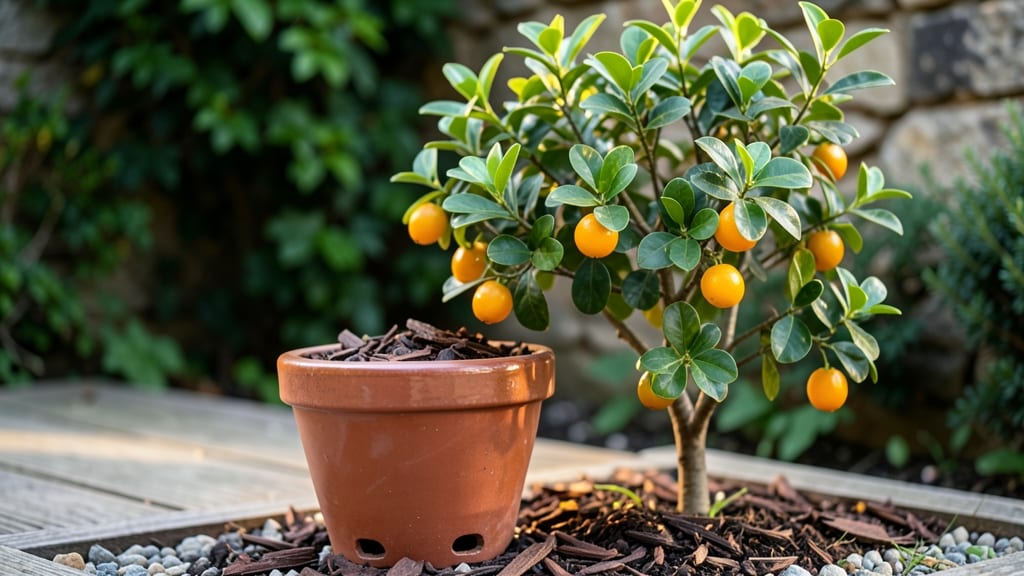
Dwarf patio fruit trees turn even the tiniest balcony into a harvest hub. 🌿 I’ve grown figs, peaches, and cherries in pots for years—now my patio produces more fruit than my backyard did with full-size trees.
The secret isn’t magic; it’s choosing the right varieties and giving them the basics they need.
These trees thrive in 5-gallon containers or larger, with well-draining soil and at least 6 hours of sunlight daily. My lemon tree, for example, needs a pot with drainage holes and a spot near the railing where it gets morning sun.
Pair them with trailing herbs like thyme or nasturtiums for a fragrant, productive display.
You’ll harvest sweet, ripe fruit all season—cherries in summer, figs in late summer, and lemons year-round. The trees stay small (often under 6 feet tall), so they fit neatly between planters or alongside seating. Plus, their compact size means easier pruning and pest control.
Works for urban balconies, rural patios, or even sunny windowsills with grow lights. Let’s pick the perfect varieties for your space and get growing—your fruit basket will thank you!
📚 In This Guide
- What you need
- Instructions
- Tips and common mistakes
- Wrapping up and next steps
What you need
- ● Dwarf fruit tree varieties: Choose 1-3 trees (e.g., Meyer lemon, peach, or blueberry bush). Opt for container-ready varieties labeled for patio use.
- ● Containers: 15–25 gallon pots (1 per tree). Ensure pots have drainage holes and are made of terracotta, plastic, or fabric.
- ● High-quality potting mix: 2–3 bags of well-draining mix (e.g., cactus/succulent blend or organic potting soil with perlite).
- ● Slow-release fertilizer: 1–2 pellets or granules (look for balanced NPK 10-10-10 or citrus-specific formula).
- ● Pruning shears: 1 pair (sterilized, with sharp, bypass blades for clean cuts).
- ● Watering can or hose with nozzle: 1 (preferably with a gentle spray setting).
- ○ Mulch (optional but helpful): 1 bag of organic mulch (e.g., straw or shredded bark) to retain moisture.
- ● Tree supports: Stakes or cages (for windy areas or top-heavy trees like peaches).
- ● Self-watering system: A wicking bed or drip irrigation kit to automate care.
- ● Epsom salt or magnesium supplement: For citrus trees (follow package instructions).
- ● Garden gloves: 1 pair (to protect hands during planting/pruning).
- ● Shade cloth: Lightweight fabric (30–50% coverage) for hot climates or young trees.
How to plant and care for dwarf patio fruit trees
Your small-space orchard starts with the right setup—here's how to get it growing.
🪴 Step 1: Choose the Right Containers and Drainage
Dwarf fruit trees need containers at least 18-24 inches deep with drainage holes—standard 5-gallon pots work for young trees, but upgrade to 15-gallon containers as they mature. I use fabric grow bags for my patio trees because they prevent root circling and allow excess water to evaporate through the sides.
Line the bottom of each container with 2-3 inches of gravel or crushed stone to create a drainage layer. This prevents soggy roots, which cause root rot and stunt growth. If your container lacks holes, drill them yourself—just make sure they're covered with landscape fabric to keep soil from washing out.
🌱 Step 2: Plant with Proper Soil and Support
Fill the container halfway with a mix of 50% high-quality potting soil and 50% compost. This gives your tree the nutrients it needs without compacting too much. I like to add a handful of slow-release fertilizer (like 10-10-10) at planting time to give the roots a head start.
Place the tree in the center of the container, ensuring the graft union (the bump where the dwarf rootstock meets the fruit tree) sits 1-2 inches above the soil line. This prevents it from being buried, which can cause the tree to produce suckers or weaken growth. Backfill with soil, pressing gently to remove air pockets, then water deeply until it drains from the bottom.
☀️ Step 3: Position for Sunlight and Wind Protection
Dwarf fruit trees need 6-8 hours of direct sunlight daily—a south- or west-facing patio works best. If your space gets afternoon shade, choose varieties like dwarf Meyer lemon or columnar apple trees, which tolerate slightly less sun. I place mine near a wall or fence to block strong winds, which can stress young trees.
Rotate the container a quarter turn weekly so the tree grows evenly. You’ll notice one side leaning toward the light? That’s your cue to adjust its position. Avoid placing containers in spots where they’ll get frost pockets—even dwarf trees can suffer damage if temperatures drop below 25°F for extended periods.
💧 Step 4: Water and Fertilize for Consistent Growth
Water deeply every 2-3 days in hot weather, checking that the top 2 inches of soil feel dry before watering again. Overwatering is the #1 killer of potted fruit trees—yellowing leaves or drooping branches mean you’re watering too much. I use a moisture meter to avoid guesswork, but sticking your finger in the soil works just as well.
Fertilize every 4-6 weeks during the growing season (spring through fall) with a balanced fruit tree fertilizer. Cut back in winter unless your tree is everbearing. I also top-dress with 2 inches of compost in early spring to replenish nutrients without overloading the roots.
✂️ Step 5: Prune and Train for Shape and Productivity
Prune in late winter or early spring before new growth begins. Remove any dead, crossing, or inward-growing branches, cutting just above a bud or outward-facing branch. This opens the canopy for better airflow and sunlight penetration. I also trim back any suckers that sprout below the graft union—they sap energy from your fruit production.
Train young trees by tying them to a small stake if needed, but avoid over-supporting. The goal is to encourage a strong, open center so sunlight reaches all branches. You’ll see the first signs of fruit in 2-3 years—patience pays off with trees that bear reliably year after year.
Tips & tricks for perfect dwarf patio fruit trees
Here's what I've learned from years of growing fruit trees in small spaces—these tricks make all the difference.
Container Size Matters: That 18-24 inch depth recommendation isn't just a suggestion—it's crucial for root development. I've seen trees struggle in shallower containers because their roots hit the bottom too quickly. If you're using fabric grow bags, make sure they're at least 15-gallon capacity for mature trees, as they dry out faster than traditional pots. The extra depth gives roots room to spread out and access nutrients more efficiently.
Graft Union Visibility: Keeping that graft union 1-2 inches above soil line is non-negotiable. I once buried a graft union by accident, and within months, my tree was covered in unwanted suckers. Make this your first visual check when planting—it should be clearly visible above the soil surface. If it gets buried, the tree will redirect energy to growing new roots from that point instead of producing fruit.
Sunlight Rotation Strategy: That quarter-turn weekly rotation in Step 3 isn't just about aesthetics—it's about preventing lopsided growth. I've seen trees grow completely toward the sun, creating awkward shapes that block sunlight from reaching the center. Set a reminder on your phone to rotate containers every Sunday morning. You'll notice the difference in just a few weeks as your tree develops a more balanced canopy.
Winter Protection Plan: While 25°F is the general threshold, I've found that young trees need extra protection when temperatures hover around that mark for extended periods. Wrap containers in bubble wrap or use frost blankets during cold snaps. The key is to protect the roots—consider moving containers to a sheltered spot or adding extra mulch around the base. This simple step can mean the difference between a thriving tree and a lost investment.
Pro Tips for Dwarf Patio Fruit Trees
- Here's what I've learned from years of growing fruit trees in small spaces—these tricks make all the difference.
- Container Size Matters: That 18-24 inch depth recommendation isn't just a suggestion—it's crucial for root development.
- Graft Union Visibility: Keeping that graft union 1-2 inches above soil line is non-negotiable.
Frequently asked questions
Got questions about growing dwarf patio fruit trees?
You’re not alone! Here are answers to the most common queries—so you can enjoy fresh, homegrown fruit without the fuss.
What’s the best time of year to plant dwarf fruit trees in containers?
Plant your dwarf trees in early spring (after the last frost) or late fall (6-8 weeks before the first frost). This gives roots time to establish before extreme temperatures. Avoid planting in summer heat or winter freezes—both stress young trees!
How often should I water dwarf fruit trees in pots?
Water deeply 2-3 times per week (more in summer heat or windy conditions). Check soil moisture—if the top inch is dry, it’s time to water. Pro tip: Use a self-watering pot or drip irrigation to keep roots consistently moist without overwatering.
Can dwarf fruit trees survive winter in containers?
Yes, but they need protection! Move pots to a sheltered spot (like a garage or against a south-facing wall) and wrap the container in bubble wrap or frost cloth. Mulch the soil with straw or leaves to insulate roots. Most dwarf varieties tolerate temps down to 10°F with care.
What should I do if my dwarf tree isn’t fruiting?
Common reasons include young age (trees often take 2-3 years to bear fruit), lack of pollination (plant two compatible varieties), or poor sunlight (6+ hours daily is ideal). Prune dead branches, fertilize lightly in spring, and ensure proper watering—patience pays off!
Are there dwarf fruit trees that don’t need cross-pollination?
Yes! Some self-pollinating varieties like ‘Patio’ pear, ‘Tumbling Tom’ tomato (technically a fruit), or ‘Columnar’ apple trees (e.g., ‘Liberty’ or ‘Enterprise’) produce fruit solo. Check the tag—it’ll specify pollination needs. Bonus: These are perfect for small spaces!
Wrapping up and next steps
Dwarf patio fruit trees are the perfect way to enjoy fresh, homegrown fruit without sacrificing space—whether you’re a seasoned gardener or just starting out! 🌱 From choosing the right varieties to nurturing them with care, these compact powerhouses make year-round harvests a breeze. Now that you’re equipped with the know-how, why not take the next step?
🌟 Plant your first dwarf tree today—pick a sunny spot, grab your tools, and start reaping the rewards of your own mini orchard! Whether it’s a sweet cherry tomato, a tangy lemon, or a juicy peach, your patio (or balcony) is about to become the talk of the neighborhood.