
Blooming
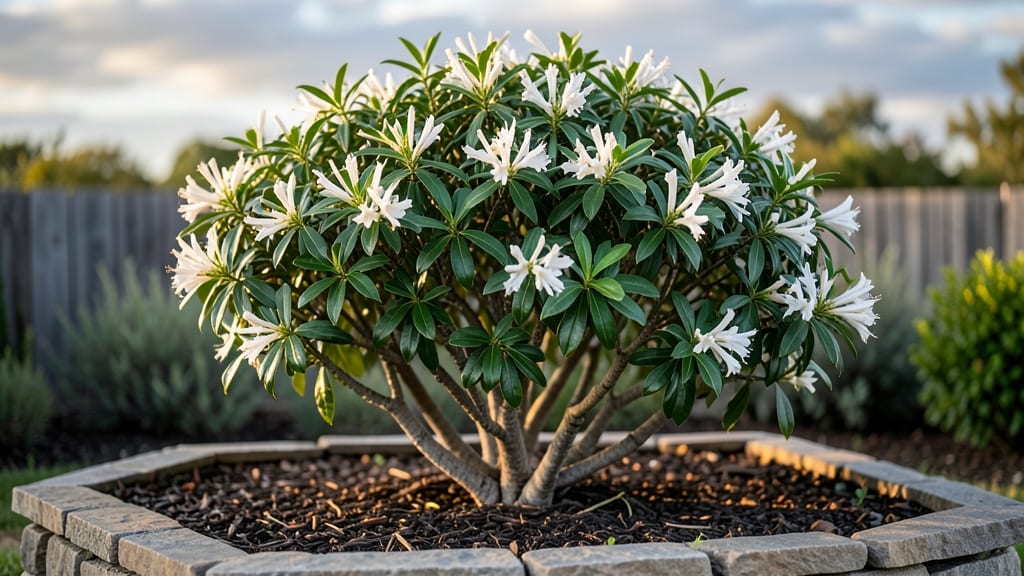
A full-grown night blooming jasmine tree (Cestrum nocturnum) transforms your garden into a moonlit perfume factory. 🌙 The moment evening arrives, its intoxicating scent—like a mix of gardenia and jasmine—fills the air, drawing in moths and delighted neighbors alike.
I’ve grown mine for five years, and the secret to its year-round fragrance isn’t complicated: it’s about sunlight, water, and knowing when to step back.
The plant thrives in full sun to partial shade, though it tolerates afternoon shade in hot climates. Water deeply once a week in summer, but let the soil dry slightly between waterings—overwatering is the #1 killer of mature plants.
Prune lightly after blooming to shape it, but avoid heavy cuts, which can reduce next year’s flowers. The soil? Just well-draining loam with a sprinkle of compost works wonders.
By late summer, you’ll be rewarded with clusters of star-shaped white blooms that perfume the night air. The fragrance peaks at dusk, but with proper care, your tree will keep blooming into fall.
Even in winter, the glossy leaves stay lush, adding year-round texture to your landscape. The trade-off? It’s not cold-hardy—protect it in zones below 10 with a frost cloth or move it indoors temporarily.
Watch for aphids or scale insects, which love the new growth. A strong spray of water usually clears them, but neem oil works for stubborn infestations. With these basics, your night blooming jasmine will become the fragrant centerpiece of your garden—no fancy tricks required.
📚 In This Guide
- What you need
- Instructions
- Tips and common mistakes
- Wrapping up and next steps
What you need
- ● Night Blooming Jasmine Plant: A healthy, mature cutting or sapling (3-5 years old, 3-6 feet tall) from a trusted nursery.
- ● Well-Draining Soil: Mix 60% garden soil, 30% compost, and 10% perlite or coarse sand (pH 6.0-7.0).
- ● Pot or Planting Hole: For containers: 15-20 gallon pot with drainage holes (if growing in a pot).
- ● For ground planting: Dig a hole twice as wide and just as deep as the root ball.
- ● Mulch: 2-3 inches of organic mulch (wood chips or shredded bark) to retain moisture.
- ● Pruning Shears: Sharp, sterilized shears for trimming (avoid dull blades!).
- ● Watering Can or Hose: With a gentle spray nozzle for hydration.
- ● Fertilizer: Slow-release, balanced fertilizer (10-10-10 NPK ratio) or organic options like compost tea.
- ○ Support Stake (Optional but Helpful): 5-6 foot bamboo stake for young trees to encourage upright growth.
- ● Trellis or Arbor: For climbing varieties (if your jasmine isn’t naturally bushy).
- ● Soil Moisture Meter: To monitor hydration levels (jasmine hates soggy roots!).
- ● Neem Oil or Insecticidal Soap: For pest control (aphids or spider mites can be pesky!).
- ● Garden Gloves: To protect your hands during planting or pruning.
Step-by-step guide to cultivating a thriving night blooming jasmine tree
Here’s how to nurture a fragrant, full-grown night blooming jasmine that fills your garden with intoxicating scent year after year.
🌱 Step 1: Choose the Right Location and Prepare the Soil
Night blooming jasmine (Cestrum nocturnum) thrives in full sun to partial shade, with at least 6 hours of direct sunlight daily. I always pick a spot near a patio or bedroom window—its fragrance peaks at night, so you’ll smell it while you sleep. The soil should drain well but retain moisture, so amend heavy clay with 2-3 inches of compost or organic matter before planting.
Dig a hole twice as wide as the root ball and just as deep. Loosen the sides of the hole with a garden fork to encourage root spread. If your soil is sandy, mix in 1 part peat moss to help retain moisture. Jasmine roots are shallow but wide-spreading, so avoid compacting the soil around them.
☀️ Step 2: Plant and Establish the Tree for Strong Growth
Place the jasmine in the hole, ensuring the top of the root ball sits level with the surrounding soil. Fill in around the roots with native soil, pressing gently to remove air pockets. Water deeply immediately after planting to settle the roots—aim for 1-2 gallons depending on the tree’s size. Mulch the base with 2-3 inches of organic mulch, keeping it 6 inches away from the trunk to prevent rot.
Here’s the thing—night blooming jasmine grows fast, but it’s sensitive to transplant shock. Water every 2-3 days for the first 2 weeks, then taper to once a week once new growth appears. You’ll know it’s settling in when dark green leaves appear and the tree starts putting out new shoots within 4-6 weeks.
💧 Step 3: Water and Fertilize for Continuous Blooms
Once established, jasmine is drought-tolerant but blooms best with consistent moisture. Water deeply once a week during dry spells, aiming for 1-1.5 inches of water per week. Let the top 2 inches of soil dry out between waterings—this prevents root rot while keeping the tree hydrated. Overwatering is the fastest way to kill it, so always check the soil before watering.
Feed your jasmine twice a year with a balanced, slow-release fertilizer (10-10-10) in early spring and mid-summer. I swear by a handful of fertilizer granules spread around the drip line, then watered in. Avoid high-nitrogen fertilizers—they promote leafy growth at the expense of flowers. You’ll see the difference in more abundant night-scented blooms within a few weeks.
✂️ Step 4: Prune for Shape and Encourage More Flowers
Prune your jasmine right after flowering (late spring) to shape the tree and remove dead or crossing branches. Use clean, sharp pruners to make cuts just above a leaf node at a 45-degree angle. Never prune more than one-third of the tree at once—this stresses the plant and reduces blooms. I like to keep mine slightly bushier than most guides suggest, as jasmine blooms on new and old wood.
Watch for leggy growth or branches growing toward the light—these need pruning to maintain a balanced shape. After pruning, give the tree a light feeding with a phosphorus-rich fertilizer (like 5-10-5) to encourage more blooms. You’ll notice new growth within 3-4 weeks, and the fragrance will intensify as the flowers mature.
🌿 Step 5: Protect and Maintain for Year-Round Fragrance
Night blooming jasmine is tender in cold climates—if you live in USDA zones 9-11, it thrives year-round. In colder areas (zones 8 and below), treat it as an annual or container plant, bringing it indoors before frost. If you must overwinter it, reduce watering and place it in a bright, cool spot (like a garage) where temps stay above 40°F.
Pests like aphids or spider mites can stress the tree, so inspect leaves weekly for sticky residue or webbing. Spray with neem oil if you spot pests—it’s gentle but effective. With proper care, your jasmine will reward you with months of intoxicating nighttime fragrance, starting as early as late spring and continuing into fall. That’s the magic of night blooming jasmine.
Tips & tricks for perfect night blooming jasmine growth
Here's what nobody tells you about nurturing a jasmine that'll fill your nights with fragrance for years.
Location is Everything: I learned this the hard way after planting mine in partial shade—it barely bloomed. Night blooming jasmine needs that 6 hours of direct sunlight daily to produce its signature nighttime scent. If your yard has limited sun, consider a large container that you can move to catch morning sun and afternoon shade. The key is positioning it where you'll enjoy the fragrance most—near patios, windows, or even under eaves where breezes carry the scent indoors.
Soil Prep Secret: The 2-3 inches of compost or organic matter you add to heavy clay isn't just about drainage—it's about creating a sponge-like environment that holds moisture while preventing root rot. For sandy soils, that 1 part peat moss mix is crucial, but don't overdo it. Too much peat can make the soil too acidic, which jasmine dislikes. Test your soil's pH before planting—aim for a neutral 6.5-7.0. I test mine every spring and adjust with lime if needed.
Watering Wisdom: Those first 2 weeks of watering every 2-3 days are critical, but don't drown the roots. The goal is to keep the soil consistently moist without waterlogging. After the initial shock period, let the top 2 inches of soil dry out between waterings—this mimics natural rainfall patterns and prevents root diseases. I use a moisture meter to check soil moisture, especially in containers where water evaporates faster.
Fertilizer Timing: The twice-yearly feeding in early spring and mid-summer isn't just about nutrients—it's about growth cycles. Early spring feeding kickstarts new growth while mid-summer feeding supports flower production. I've found that applying fertilizer granules around the drip line (not touching the trunk) gives the tree time to absorb nutrients before heavy rains wash them away. And remember, phosphorus-rich fertilizers like 5-10-5 are your friends—they encourage more blooms.
Pro Tips for Full Grown Night Blooming Jasmine Tree
- Here's what nobody tells you about nurturing a jasmine that'll fill your nights with fragrance for years.
- Location is Everything: I learned this the hard way after planting mine in partial shade—it barely bloomed.
- Soil Prep Secret: The 2-3 inches of compost or organic matter you add to heavy clay isn't just about drainage—it's about creating a sponge-like environment that holds moisture while preventing root rot.
Frequently asked questions
Got questions about nurturing a full-grown night blooming jasmine tree? You’re not alone! Here are answers to the most common queries to help you keep your fragrant giant thriving.
When does a night blooming jasmine tree typically flower?
A mature night blooming jasmine (Cestrum nocturnum) usually blooms in late spring through fall, with peak fragrance at dusk and night. However, warm climates (USDA Zones 9-11) may see year-round blooms. Prune spent flowers to encourage continuous blooming.
How fast does a night blooming jasmine tree grow?
This fast-growing tree can add 12–24 inches per year under ideal conditions (full sun, well-draining soil). In containers, growth slows but remains vigorous. Expect a 6–10 foot mature height within 3–5 years with proper care.
Is night blooming jasmine toxic to pets or humans?
Yes, all parts of the plant are toxic if ingested, causing nausea, vomiting, or diarrhea. Keep it away from pets and children. Wear gloves when pruning to avoid skin irritation from sap.
Can I grow night blooming jasmine indoors?
It’s possible but challenging. Place it near a south-facing window for 6+ hours of sunlight daily. Use a large container (15+ gallons) with drainage holes. Expect slower growth and fewer blooms than outdoors.
Why isn’t my night blooming jasmine flowering?
Common culprits include:
- Insufficient sunlight (needs 6+ hours daily)
- Over-fertilizing (use balanced fertilizer sparingly)
- Stress from transplant shock (wait 2–3 months post-planting)
- Cold drafts or poor drainage (root rot stifles blooms)
Try pruning 1/3 of the plant in early spring to stimulate new growth and flowers.
Wrapping up and next steps
A full-grown night blooming jasmine tree isn’t just a dream—it’s a fragrant reality waiting to unfold in your garden! 🌙 With the right soil, sunlight, and care, you’ll enjoy year-round beauty and intoxicating blooms that transform your evenings into magical retreats.
Whether you’re a seasoned gardener or just starting, this blueprint makes it simple to nurture a thriving jasmine haven.
Ready to take the next step? Start by selecting your favorite variety—like Jasminum sambac or Jasminum grandiflorum—and plant it this season. Watch as your hard work blossoms into a fragrant escape that delights all five senses! 🌱 Grab your gloves and get growing!