
Pruning
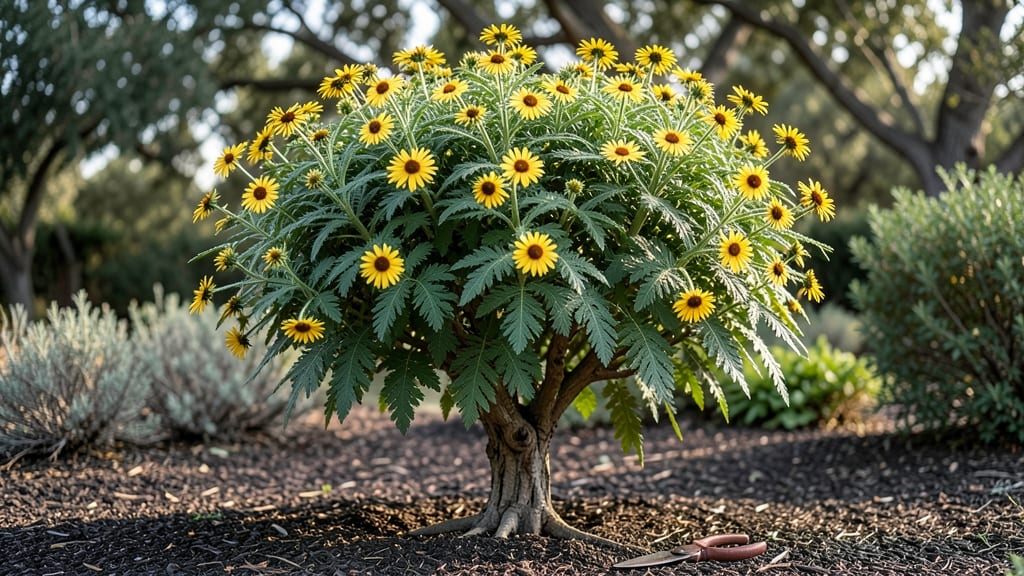
Planting a giant daisy tree means adding a sun-loving giant with bold, long-lasting blooms that turn your yard into a showstopper. 🌻 I remember the first time I saw one in full bloom—tall, sturdy stems topped with lavender puffs that lasted from summer into fall.
This isn’t just another pretty face; it’s a drought-tolerant powerhouse that thrives where other plants struggle.
The secret to growing one successfully starts with the right conditions: full sun (at least 6 hours daily), well-draining soil, and occasional watering once established. My first attempt nearly failed when I overwatered it—now I let the soil dry between drinks.
The key is patience; these trees grow 3-5 feet per year, so give them space and time to shine.
By late summer, you’ll be rewarded with clusters of tiny daisy-like flowers that attract butterflies and bees. The foliage stays lush even in heat waves, and with minimal pruning, it keeps its shape naturally. Perfect for borders, mixed shrub beds, or as a standalone statement plant.
Works best in USDA Zones 7-11, but even in cooler climates, it handles light frost if protected. Once you’ve got one thriving, it’s almost impossible to kill—just avoid soggy soil and watch it grow into a garden staple. Ready to add drama to your landscape?
📚 In This Guide
- What you need
- Instructions
- Tips and common mistakes
- Wrapping up and next steps
What you need
- ● Pruning shears: Bypass pruners (sharp, clean, and sterilized with rubbing alcohol to prevent disease spread). Size: 6–8 inches for medium branches.
- ● Loppers: For thicker branches (½–1½ inches in diameter). Look for: Long handles (30+ inches) for reach.
- ● Pruning saw: For branches too thick for loppers (1½+ inches). Type: Curved-tooth saw for clean cuts.
- ● Gloves: Heavy-duty, cut-resistant gloves (e.g., mechanics’ gloves) to protect hands from thorns and sap.
- ● Disposable pruning bags: 3–5 gallon-sized bags to collect debris and fallen blooms.
- ● Rubbing alcohol (70%+) or bleach solution: 1 part bleach to 9 parts water for sterilizing tools between cuts.
- ○ Pruning sealant (optional but helpful): For large cuts (½ inch or wider) to prevent disease entry.
- ● Ladder or step stool: If your tree is tall (6+ feet). Safety tip: Use a stable, 3-sided ladder for heights over 8 feet.
- ● Weather check: Prune on a dry, cloudy day (avoid extreme heat or rain). Ideal temps: 50–75°F (10–24°C).
- ● Tool sharpening: Hone shears/saws with a file or whetstone for clean cuts.
- ● Safety gear: Safety glasses (to shield from debris) and long sleeves/pants (to avoid scratches).
- ● Tree health assessment: Inspect the tree for diseased or dead branches (brown, brittle, or no leaves) before pruning.
- ● Handheld leaf blower: For quick cleanup of fine debris.
- ● Knee pads: If you’ll be kneeling frequently.
- ● Marking twine: To flag branches for removal before cutting.
- ● Disinfectant spray: For tools after heavy pruning sessions.
Step-by-Step guide to planting and caring for your giant daisy tree
Here's how to establish this sun-loving stunner for years of bold, cheerful blooms.
🪴 Step 1: Select and Prepare the Perfect Planting Site
Choose a location with full sun exposure (6-8 hours daily) and well-draining soil. Giant daisy trees thrive where they can spread their roots freely—avoid compacted or waterlogged areas. I always test soil drainage by digging a hole, filling it with water, and checking if it drains within an hour. If not, amend with 2-3 inches of compost mixed into the top 12 inches of soil.
Dig a hole twice as wide as the root ball but only as deep. The top of the root ball should sit 1 inch above ground level—this prevents stem rot from sitting water. Loosen the sides of the hole with a fork to encourage root expansion into surrounding soil. Here's the thing—giant daisy trees hate being transplanted later, so pick your spot carefully.
🌱 Step 2: Plant with Proper Spacing and Initial Care
Remove the plant from its container and gently tease apart any circling roots. Position the tree so the root flare (where roots meet trunk) is visible above soil level. Space multiple plants 6-8 feet apart to allow their expansive canopies room to grow. I've learned the hard way that crowding leads to weak stems and fewer blooms.
Backfill the hole with native soil, tamping down lightly every 2 inches to eliminate air pockets. Water deeply until moisture reaches 6 inches down, then add a 2-inch layer of mulch (keeping it 6 inches from the trunk). This conserves moisture while protecting roots from temperature swings. The first few weeks are critical—water every 2-3 days until new growth appears.
☀️ Step 3: Establish a Sunlight and Watering Routine
Giant daisy trees demand full sun for maximum blooms, but they're tough enough to handle brief afternoon shade in hot climates. I've seen them thrive in USDA zones 5-9, though younger plants may need winter protection in colder regions. Watch for leaves curling in extreme heat—that's your cue to provide afternoon shade temporarily.
Once established (after 2-3 months), water 1-2 times per week, giving each plant 1-2 gallons at the base. Let the top 3 inches of soil dry between waterings to prevent root rot. Fertilize lightly in spring with a balanced 10-10-10 formula, but avoid heavy feeding—these plants bloom best when slightly nutrient-light.
✂️ Step 4: Prune for Shape and Encourage More Blooms
Prune in late winter or early spring before new growth begins. Remove any dead, diseased, or crossing branches first. Then, cut back 1/3 of the oldest stems to encourage new growth and more abundant flowering. I always prune just above a leaf node at a 45-degree angle to promote faster healing.
Throughout the growing season, deadhead spent blooms by snipping stems back to the nearest healthy leaf. This redirects the plant's energy into producing more flowers instead of seed heads. Here's where it gets fun—watch how the plant responds by sending out new shoots from the base. These basal sprouts can be left to form a natural hedge or transplanted to create new plants.
Tips & tricks for perfect giant daisy tree planting
Planting your giant daisy tree right from the start makes all the difference for years of vibrant blooms. Here's what I've learned from years of growing these sun-loving beauties.
Soil Drainage Check: Before planting, perform the water test in Step 1—fill the hole with water and check if it drains within an hour. If it doesn't, mix in that 2-3 inches of compost into the top 12 inches of soil. Poor drainage is the #1 reason these plants struggle, and it's easily fixed with this simple test. The goal is to mimic their natural, well-draining habitat where they thrive.
Root Flare Visibility: When positioning your tree in Step 2, make the root flare (where roots meet trunk) clearly visible above soil level. This isn't just a suggestion—it's critical for preventing stem rot. I've seen many gardeners bury this junction, which leads to poor air circulation and moisture issues. Use a small stake to mark the flare if needed during planting.
Watering Wisdom: During those first critical 2-3 days after planting, water deeply until moisture reaches 6 inches down. Then, maintain this moisture level by watering every 2-3 days until new growth appears. The key is consistent moisture without waterlogging—think of it as giving your tree a good drink rather than a daily sip. Overwatering is just as harmful as underwatering at this stage.
Pruning Precision: When you prune in Step 4, always cut just above a leaf node at a 45-degree angle. This angle prevents water from pooling on the cut, which could lead to disease. I also recommend sterilizing your pruners with rubbing alcohol between cuts to prevent spreading any potential pathogens. The 1/3 oldest stems rule works wonders for encouraging new growth while maintaining the plant's natural shape.
Pro Tips for Giant Daisy Tree
- Planting your giant daisy tree right from the start makes all the difference for years of vibrant blooms.
- Soil Drainage Check: Before planting, perform the water test in Step 1—fill the hole with water and check if it drains within an hour.
- Root Flare Visibility: When positioning your tree in Step 2, make the root flare (where roots meet trunk) clearly visible above soil level.
Frequently asked questions
Got questions about the giant daisy tree (Olearia × haastii)? You’re not alone—this stunning plant has a few quirks! Here are answers to the most common queries to help you grow one with confidence.
How fast does a giant daisy tree grow, and how big will it get?
The giant daisy tree grows at a moderate pace—about 12–24 inches per year under ideal conditions. With proper care, it can reach 10–15 feet tall and wide, making it perfect for hedges, screens, or standalone focal points. Patience pays off, though!
When is the best time to plant or transplant a giant daisy tree?
Plant or transplant in early spring or fall when temperatures are mild. This gives roots time to establish before extreme heat or cold. Avoid summer—high temps can stress the plant. If you must plant in summer, water deeply daily for the first 2–3 weeks to support recovery.
Can giant daisy trees thrive in partial shade, or do they need full sun?
While they love full sun (6+ hours daily), giant daisy trees can tolerate partial shade (4–6 hours), especially in hot climates. However, expect fewer blooms if sunlight is limited. For vibrant flowers, prioritize sunny spots!
How and when should I prune my giant daisy tree for bushier growth?
Prune in late winter or early spring before new growth starts. Cut back 1/3 of the oldest stems to encourage fresh blooms and shape. Avoid heavy pruning in fall—it can stimulate tender new growth that won’t survive winter. Use clean, sharp shears to prevent disease.
Are giant daisy trees prone to pests or diseases? How do I troubleshoot?
They’re generally low-maintenance, but watch for aphids, spider mites, or fungal issues (like powdery mildew) in humid climates. Treat pests with neem oil or insecticidal soap. For mildew, improve airflow and avoid overhead watering. Yellowing leaves? Check for overwatering or nutrient deficiencies (fertilize lightly in spring).
Do giant daisy trees have any toxic properties for pets or humans?
Great news! This plant is non-toxic to both pets and humans, making it a safe choice for families and furry friends. You can enjoy its beauty without worry—just keep an eye out for curious pups nibbling on leaves!
Wrapping up and next steps
The giant daisy tree is a stunning, low-maintenance beauty that brings bold color and effortless charm to any garden. With its long-lasting blooms and sun-loving nature, it’s perfect for adding drama and texture to your outdoor space—whether you’re a seasoned gardener or just starting out. 🌼
Now that you’re armed with the tools, techniques, and tips to keep your giant daisy tree thriving, it’s time to roll up your sleeves and get pruning! Start with a light trim to shape it, then watch it flourish with confidence. Happy gardening! 🌿✨