
Pruning
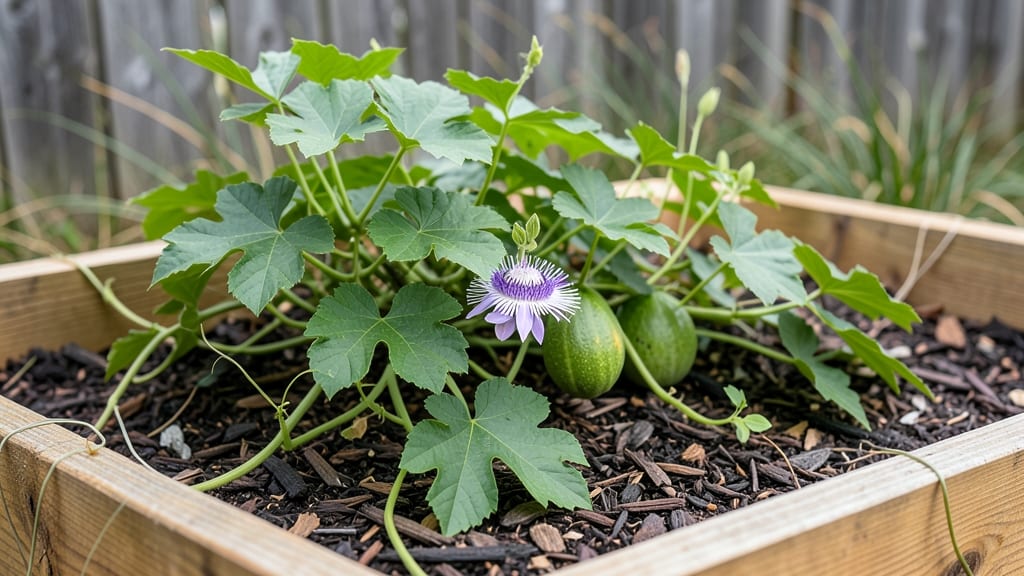
Growing a green passion fruit tree means trading winter barrenness for year-round harvests—if you master the pruning. 🌱 I’ve watched vines go from scraggly to prolific just by cutting back at the right time, and the difference in fruit production is night-and-day.
The key isn’t just trimming; it’s understanding how to coax the plant into focusing its energy where you want it.
These tropical climbers thrive in USDA zones 8-11, where they’ll climb trellises or sprawl across fences if left unchecked. Start with well-draining soil (amend heavy clay with compost) and full sun—at least 6 hours daily.
Water deeply but let the top inch dry between soakings, and feed with a balanced fertilizer every 4-6 weeks during growing season. The real magic happens when you prune: cut back leggy growth in early spring and deadhead spent flowers to redirect energy into fruit.
What you’ll end up with is a vine heavy with sweet, tangy fruit from late summer through winter—no winter dormancy required. The leaves stay lush, the branches produce more flowers, and you’ll avoid the common pitfall of overgrown, underproductive vines.
With just 30 minutes of monthly care, you’ll transform a wild tangle into a reliable producer. Here’s how to do it right the first time.
Works in containers for patios (use a 5-gallon minimum) or as a permanent landscape feature in warmer climates. The same principles apply whether you’re dealing with a young cutting or a mature vine—precision trimming is the secret to abundance. Let’s get those shears sharp and those fruits growing.
📚 In This Guide
- What you need
- Instructions
- Tips and common mistakes
- Wrapping up and next steps
What you need
- ● Pruning shears: Bypass pruners (sharp, 6-8 inch blades) for clean cuts on small branches.
- ● Loppers: 1 pair (18-24 inch) for thicker branches (½ inch or larger).
- ● Pruning saw: 1 lightweight saw for stubborn, thick branches (1+ inch diameter).
- ● Disinfectant: 70% isopropyl alcohol or a 10% bleach solution (1 part bleach to 9 parts water) to sterilize tools between cuts.
- ● Garden gloves: 1 pair of durable, cut-resistant gloves (size medium or large).
- ● Twine or zip ties: 1 roll (for supporting new growth or securing branches).
- ● Organic mulch: 2-3 bags of shredded bark or wood chips (to retain moisture and suppress weeds).
- ● Hand pruners: For precision trimming of tiny shoots or suckers.
- ● Tree climbing spikes: If your tree is tall (safety first—consider a sturdy ladder instead!).
- ○ Pruning sealant: (Optional) For larger cuts to prevent disease entry.
- ● Fertilizer: Balanced organic fertilizer (10-10-10 or similar) to boost post-pruning growth.
- ● Spray bottle: With water to rinse tools or dampen cuts.
- ● A healthy green passion fruit vine (at least 1-2 years old for established pruning).
- ● Access to a well-draining soil area (passion fruit thrives in USDA zones 7-11).
- ● Sunlight: Full sun (6+ hours daily) for optimal growth and fruiting.
- ● Water source: Hose or watering can for post-pruning hydration.
Step-by-step guide to precision trimming for year-round green passion fruit
Mastering this tropical fruit's growth cycle ensures lush vines and continuous harvests.
🌱 Step 1: Identify Growth Zones and Pruning Windows
Green passion fruit thrives on strategic cuts—focus on late winter to early spring when new growth begins. The plant has three key zones: main trunk, lateral branches, and fruiting vines. I always start by removing dead or diseased wood first with clean, sharp pruners. Look for brown, brittle stems or branches with blackened spots—these won't recover.
Next, examine the main trunk. If it's over 6 feet tall, cut back one-third of the oldest growth to encourage new shoots. You'll notice the trunk has smooth, green bark where new growth emerges—this is your cue to stop cutting. The plant will redirect energy to these fresh areas, boosting fruit production later in the season.
✂️ Step 2: Thin Lateral Branches for Airflow
Passion fruit vines grow aggressively, but crowded branches lead to fungal issues and poor fruit set. Use your pruners to remove every other lateral branch, starting from the base. Aim for 12-18 inches of spacing between remaining branches—this mimics their natural tropical habitat where sunlight penetrates the canopy.
Here's the trick: cut just above a leaf node (the bump where leaves attach). You'll see a small white ring—this is the growth node, where new shoots will sprout. Avoid leaving stubs; they invite rot. After thinning, step back and check for even light distribution—if shadows linger in the center, you've got more work to do.
☀️ Step 3: Manage Fruiting Vines for Continuous Harvests
Green passion fruit flowers and fruits on new wood, so never prune current season's growth until after harvest. Instead, focus on last year's fruiting vines: cut them back to 6-8 inches from the main trunk once fruit production slows. This forces the plant to produce longer, more vigorous vines for next season's crop.
Watch for flower clusters—these appear as small, star-shaped blooms. If you see more than 3-4 flowers per vine, thin them to one per stem. Overcrowded flowers lead to small, underdeveloped fruit. After pruning, water deeply to 2 inches soil depth—this helps the plant recover faster and prevents stress.
🌿 Step 4: Post-Pruning Care for Rapid Recovery
The first 2-3 weeks after pruning are critical. Apply a balanced 10-10-10 fertilizer (1 tablespoon per foot of vine height) to replenish nutrients lost during cutting. You'll notice new shoots emerging within 7-10 days—these are your signal that the plant is healing well.
During this time, avoid heavy watering. Instead, mist the foliage daily to maintain humidity, especially in dry climates. If leaves yellow or wilt, reduce water slightly—the roots need time to establish in the pruned structure. Once new growth reaches 6 inches, resume normal care routines.
Tips & tricks for perfect green passion fruit tree trimming
Here's what nobody tells you about keeping your green passion fruit tree thriving year-round.
Timing is Everything: The late winter to early spring window is non-negotiable for optimal growth. This timing aligns with the plant's natural dormancy period, allowing it to redirect energy to new shoots rather than struggling with damaged growth. I've seen plants that were pruned outside this window produce fewer fruits the following season—don't make that mistake. If you're in a warmer climate where winters are mild, watch for the first signs of new growth rather than relying strictly on the calendar.
The Pruning Angle Matters: When cutting back the main trunk or lateral branches, always make clean cuts at a 45-degree angle, about 1/4 inch above a leaf node. This angle prevents water from pooling on the cut, which can cause rot. I learned this the hard way after losing a few branches to fungal infections—now I make it a point to use sharp pruners and follow this angle every time. The white ring you'll see at the leaf node is where new shoots emerge, so cutting just above it ensures you're not leaving any dead wood behind.
Visual Cues for Perfect Pruning: After thinning lateral branches, step back and look at your plant from all angles. If you notice shadows in the center of the canopy, you haven't thinned enough. The goal is to create an open structure that allows sunlight to reach all parts of the plant. I use a simple trick: if I can see the sky through the center of the plant, I know I've achieved the right spacing. This open structure also improves airflow, which is crucial for preventing fungal diseases that can devastate your harvest.
Post-Pruning Fertilizer Strategy: The 10-10-10 fertilizer application is your plant's lifeline after pruning. The key is to apply it evenly, focusing on the root zone rather than sprinkling it randomly around the base. I measure out the fertilizer based on the plant's height—1 tablespoon per foot of vine height—and mix it thoroughly with the top 2 inches of soil. This ensures the roots get immediate access to the nutrients they need to recover. Within 7-10 days, you should see new shoots emerging as a sign that the plant is healing well.
Pro Tips for Green Passion Fruit Tree
- Here's what nobody tells you about keeping your green passion fruit tree thriving year-round.
- Timing is Everything: The late winter to early spring window is non-negotiable for optimal growth.
- The Pruning Angle Matters: When cutting back the main trunk or lateral branches, always make clean cuts at a 45-degree angle, about 1/4 inch above a leaf node.
Frequently asked questions
Got questions about your green passion fruit tree? You’re not alone!
Whether you're a first-time grower or a seasoned pruner, these FAQs will help you keep your tree thriving—and your fruit harvest bountiful.
How often should I prune my green passion fruit tree?
Prune your tree 2-3 times a year: once after harvest (to encourage new growth), again in late winter (to shape the tree), and lightly after storms or pests. Avoid heavy pruning in summer—this can stress the plant. Focus on removing dead wood, crossing branches, and thinning out overgrowth to improve airflow and sunlight exposure. Pro tip: Use sterilized tools to prevent disease!
When is the best time to prune for maximum fruit production?
The ideal time is late winter or early spring (just before new growth starts). This timing aligns with the tree’s natural dormancy period and gives it time to recover before flowering. Avoid pruning during flowering or fruiting seasons—this can reduce yields. For tropical climates, prune after the rainy season when the tree is less stressed. Think of it like a haircut: timing matters!
What if my passion fruit tree isn’t producing fruit? Could pruning help?
Overgrown or unbalanced trees often struggle to fruit. Prune to:
- Open the canopy for better sunlight (fruit needs light to develop).
- Encourage new shoots from the main trunk (young wood bears more fruit).
- Remove “suckers” (shoots from the base) to redirect energy to fruit-bearing branches.
Can I use the pruned branches for anything else?
Yes! Don’t toss those cuttings—they’re gold for propagation or compost:
- Root cuttings in water or soil to grow new trees (use 4-6 inch branches with nodes).
- Chop into mulch for your garden (passion fruit wood breaks down quickly).
- Use as natural stakes for climbing plants (the vines are sturdy!).
What should I do if my tree gets overgrown or out of control?
Don’t panic! Tame it gradually to avoid shocking the tree:
- Start with light pruning—remove only 1/3 of the foliage at a time.
- Focus on the center to improve airflow (this prevents fungal diseases).
- Train vines along a trellis or fence to control sprawl.
- Fertilize lightly after pruning to support recovery (use a balanced 10-10-10 or citrus-specific fertilizer).
Wrapping up and next steps
Growing a thriving green passion fruit tree is all about balance—pruning with care ensures year-round harvests while keeping your plant healthy and vibrant. 🌱 By mastering the right techniques, timing, and tools, you’ll unlock a bounty of sweet, tangy fruit without the guesswork.
Now that you’re armed with the know-how, there’s no better time to grab those pruners and get trimming!
Ready to transform your garden? Start by scheduling your first pruning session—whether it’s shaping your tree for the season or giving it a mid-year boost. Every cut brings you closer to that juicy reward!