
Container Gardens
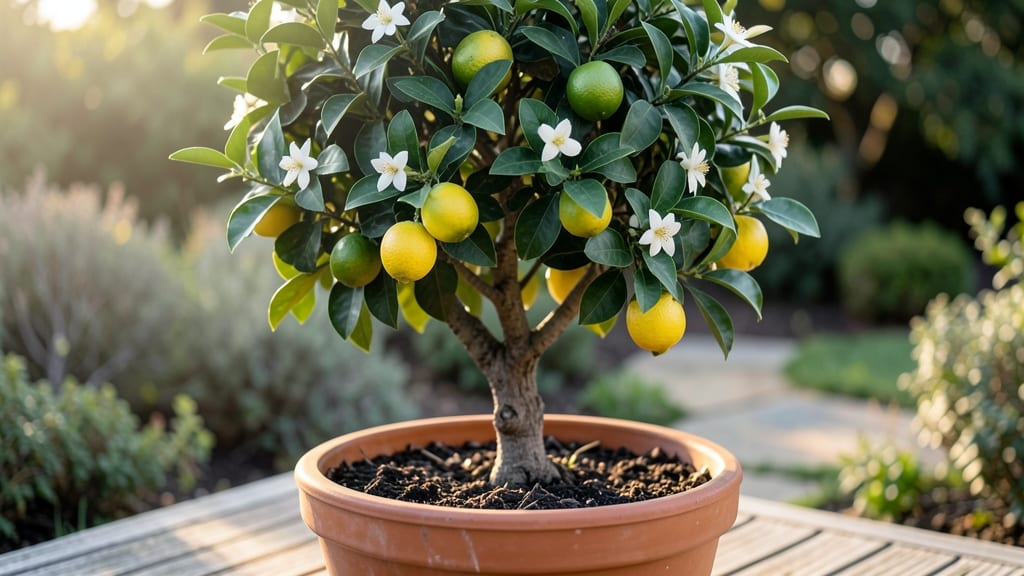
Growing a Meyer lemon tree in containers isn’t just about citrus—it’s about bringing a slice of Mediterranean sunshine to your patio or windowsill. 🌿 I’ve nurtured mine through three winters, and the secret lies in matching its tropical roots with the right balance of warmth, light, and care.
This isn’t your grandma’s houseplant; it’s a fruit-bearing powerhouse that thrives when you give it what it craves: consistent warmth, bright light, and just enough water to keep its roots happy without drowning them.
The beauty of container growing is that you can move your tree indoors when frost threatens or outdoors when temperatures rise—no permanent plot required. Start with a 5-gallon pot for young trees, upgrading to 15+ gallons as it matures, and always use well-draining soil mixed with perlite or sand.
My tree produces 20-30 lemons annually once established, and the scent of blossoms in spring is enough to make any gardener swoon.
You’ll need to fertilize monthly during growing season with citrus-specific food, prune in late winter to shape and encourage fruit production, and watch for pests like spider mites—though a simple spray of neem oil usually does the trick.
The first harvest might take 2-3 years, but the patience pays off with juicy, fragrant lemons that taste nothing like store-bought.
Whether you’re on a balcony in Phoenix or a porch in Portland, this guide covers everything from indoor winter care to outdoor summer blooms, so you can enjoy homegrown lemons year-round. Let’s get those roots growing!
📚 In This Guide
- What you need
- Instructions
- Tips and common mistakes
- Wrapping up and next steps
What you need
- ● Meyer lemon tree: Start with a 1- to 3-gallon potted plant (choose a healthy, disease-free sapling from a nursery).
- ● Container: A 15- to 25-gallon pot with drainage holes (use fabric grow bags or ceramic/terracotta pots for optimal aeration).
- ● Well-draining potting mix: A blend of 60% organic potting soil, 30% perlite or pumice, and 10% compost (avoid garden soil—it compacts!).
- ● Fertilizer: A balanced citrus fertilizer (e.g., 6-6-6 or 8-3-9 NPK ratio) or organic options like fish emulsion or seaweed extract.
- ● Mulch: 2–3 inches of wood chips or straw to retain moisture and regulate temperature.
- ● Gloves and long sleeves (Meyer lemon trees have thorns!).
- ● Trowel or small shovel for planting and repotting.
- ● Watering can or hose with a gentle spray nozzle (avoid overwatering!).
- ● pH testing kit (ideal soil pH: 6.0–7.0).
- ● Pruning shears (sterilized with rubbing alcohol).
- ○ Support stake or trellis (optional, for larger trees).
- ● Sunlight: A south- or west-facing spot with 6–8 hours of direct sunlight daily (or a grow light for indoor setups).
- ● Climate: Meyer lemons thrive in USDA Zones 9–11. In colder zones, grow indoors near a sunny window or use a greenhouse.
- ● Patience: Trees take 2–3 years to bear fruit in containers!
Step-by-step guide to cultivating a thriving Meyer lemon tree in containers
Here's how I've mastered growing these fragrant, productive citrus trees—even in small spaces.
🌱 Step 1: Select the Right Container and Soil Mix
Choose a 5-gallon or larger container with drainage holes—Meyer lemons need room for roots to spread and excess moisture to escape. I prefer unglazed ceramic pots because they wick away moisture through the walls, preventing root rot. The container must be at least 12 inches deep to accommodate the tree's taproot.
Use a well-draining citrus-specific potting mix (never garden soil—it compacts and suffocates roots). I blend 60% premium potting mix, 30% perlite, and 10% compost for optimal aeration and nutrient balance. The mix should feel light when squeezed but hold together enough to maintain structure.
☀️ Step 2: Plant and Position for Maximum Sunlight
Plant your Meyer lemon tree in early spring after the last frost date in your area. Remove the seedling from its nursery pot and loosen the roots gently if they appear root-bound. Place the tree in the container so the root flare (where roots meet the trunk) sits just above the soil line—burying it too deep can cause stem rot.
Position the container in a spot that receives full sun (6-8 hours daily). A south- or west-facing window works for smaller trees, but mature specimens need outdoor exposure during warm months. If growing indoors year-round, supplement with a grow light positioned 12-18 inches above the tree for 14 hours daily. Watch for yellowing leaves—a sign of insufficient light.
💧 Step 3: Water Deeply and Maintain Consistent Moisture
Water your Meyer lemon tree deeply when the top 2 inches of soil feel dry to the touch. Stick your finger into the soil—if it's damp at 2 inches, wait another day. Overwatering is the #1 killer of container-grown citrus. I use a self-watering pot with a moisture meter to track soil conditions accurately.
During the growing season (spring-fall), water 2-3 times per week, adjusting for temperature and humidity. In winter, reduce watering to once every 10-14 days—the tree enters dormancy and needs less moisture. Always water at the base of the plant, avoiding wetting the leaves to prevent fungal diseases like citrus scab.
✂️ Step 4: Fertilize and Prune for Healthy Growth
Feed your Meyer lemon tree monthly during the growing season with a balanced citrus fertilizer (10-10-10 or 8-3-9 ratio). I apply half-strength fertilizer every 4 weeks to avoid burning the roots. In winter, reduce fertilization to once every 6-8 weeks as growth slows. Flush the soil with water once a month to prevent salt buildup from fertilizers.
Prune in late winter or early spring before new growth begins. Remove dead, diseased, or crossing branches first, then trim back overly long branches to encourage bushier growth. Never prune more than 25% of the tree in one session—this stresses the plant. Sterilize your pruners with rubbing alcohol between cuts to prevent spreading disease.
🪴 Step 5: Protect and Overwinter for Long-Term Success
Meyer lemons are semi-tender and can't tolerate freezing temperatures below 20°F. If you live in a cold climate, move the container indoors to a bright, cool spot (50-60°F) before the first frost. Avoid drafty areas or direct heat sources like vents, which cause temperature fluctuations. Check the soil weekly and water sparingly—overwatering in winter leads to root rot.
In late winter, inspect the tree for pests like aphids or scale and treat with neem oil if needed. Also, repot the tree every 2-3 years into a larger container (up to 15-gallon max) to accommodate growth. Refresh the top 2 inches of soil with new potting mix annually to replenish nutrients. With proper care, your Meyer lemon tree can thrive for decades and produce fruit year after year.
Tips & tricks for cultivating thriving Meyer lemon trees
Here's what I've learned after years of growing these sweet, fragrant citrus trees—these details make all the difference between a struggling plant and a fruit-bearing beauty.
Container Material Matters: While I recommend unglazed ceramic pots for their moisture-wicking properties, you can also use fabric grow bags that allow roots to breathe while preventing overwatering. Avoid plastic containers—they trap moisture and promote root rot. If using plastic, add extra perlite to the mix (up to 40%) to improve drainage. The key is maintaining that balance of aeration and moisture retention that Meyer lemons crave.
Light Optimization Strategy: For indoor growers, position your tree within 12-18 inches of a south-facing window during winter months when sunlight is weaker. If using grow lights, opt for full-spectrum LED bulbs that mimic natural sunlight—these are more efficient than basic fluorescent lights. The 14-hour daily light requirement is non-negotiable for fruit production, so supplement with lights if your space gets less than 6-8 hours of natural sunlight.
Watering Technique: The 2-inch soil dryness check is your best friend, but here's a pro move: water until you see moisture running out the drainage holes, then let it drain completely. This ensures thorough hydration without waterlogging. In summer heat, you might need to water daily, but always check that 2-inch depth first. The moisture meter in my self-watering pot has saved me from overwatering disasters—it's worth the investment.
Fertilizer Application: When applying that half-strength fertilizer every 4 weeks, mix it with water first, then water the tree as usual. This prevents salt buildup around the roots. I've found that adding Epsom salt (1 tablespoon per gallon of water) once a month during fruiting season gives a magnesium boost that enhances sweetness. Just don't overdo it—too much can cause leaf scorch.
Pro Tips for Growing Meyer Lemon Tree
- Here's what I've learned after years of growing these sweet, fragrant citrus trees—these details make all the difference between a struggling plant and a fruit-bearing beauty.
- Container Material Matters: While I recommend unglazed ceramic pots for their moisture-wicking properties, you can also use fabric grow bags that allow roots to breathe while preventing overwatering.
- Light Optimization Strategy: For indoor growers, position your tree within 12-18 inches of a south-facing window during winter months when sunlight is weaker.
Frequently asked questions
Got questions about growing your own sun-kissed Meyer lemon tree? You’re not alone—here are the most common queries (and answers!) to help you thrive:
How long does it take for a Meyer lemon tree to bear fruit?
A Meyer lemon tree grown in a container typically takes 2–3 years to produce fruit, though some may bloom earlier with ideal care. Patience is key—focus on consistent watering, sunlight (6+ hours/day), and balanced fertilizer (like 10-10-10) to speed up fruiting. Pro tip: Prune sparingly in early spring to encourage growth!
Can Meyer lemon trees survive winter in containers?
Meyer lemons are semi-tender and need protection below 25°F (-4°C). Move potted trees indoors (near a sunny window or grow light) or wrap containers in frost cloth. If outdoors, use insulated pots and mulch the soil. Warning: Sudden cold snaps can stress trees—monitor forecasts and act fast!
Why aren’t my Meyer lemon tree’s leaves turning green?
Yellow or pale leaves often signal nutrient deficiencies (like nitrogen or iron) or over/under-watering. Check soil moisture—it should stay evenly damp but not soggy. Feed with a citrus-specific fertilizer every 4–6 weeks. Yellow edges? Could be fluoride sensitivity—use filtered water if tap water is treated.
What’s the best container size for a Meyer lemon tree?
Start with a 5-gallon pot for young trees, then upgrade to 15–20 gallons as they mature. Ensure containers have drainage holes and use lightweight potting mix (like 60% soil, 30% perlite, 10% compost). Rule of thumb: Add 2–3 inches of pot size per year until the tree reaches 10+ gallons.
How do I keep pests off my Meyer lemon tree?
Common pests include aphids, spider mites, and scale. Spray leaves with neem oil or insecticidal soap weekly for prevention. Introduce ladybugs for natural control. Early action: Isolate infested plants and wipe leaves with a damp cloth to remove eggs. Healthy trees (well-watered, fertilized) resist pests better!
Wrapping up and next steps
Growing a Meyer lemon tree in containers is a rewarding journey that brings vibrant greenery, fragrant blooms, and a bounty of sweet-tart lemons right to your doorstep! 🌿 With the right care—sunlight, well-draining soil, and a little patience—you’ll enjoy a thriving citrus tree that’s perfect for small spaces or urban gardens.
Whether you’re a beginner or a seasoned gardener, this sun-kissed abundance is well within reach.
Now that you’re armed with tips and tricks, it’s time to roll up your sleeves and get planting! Start with a healthy sapling, follow the care guidelines, and soon you’ll be harvesting lemons for homemade treats, zesty drinks, or simply admiring your lush, container-grown masterpiece. Happy growing! 🍋✨