
Pruning
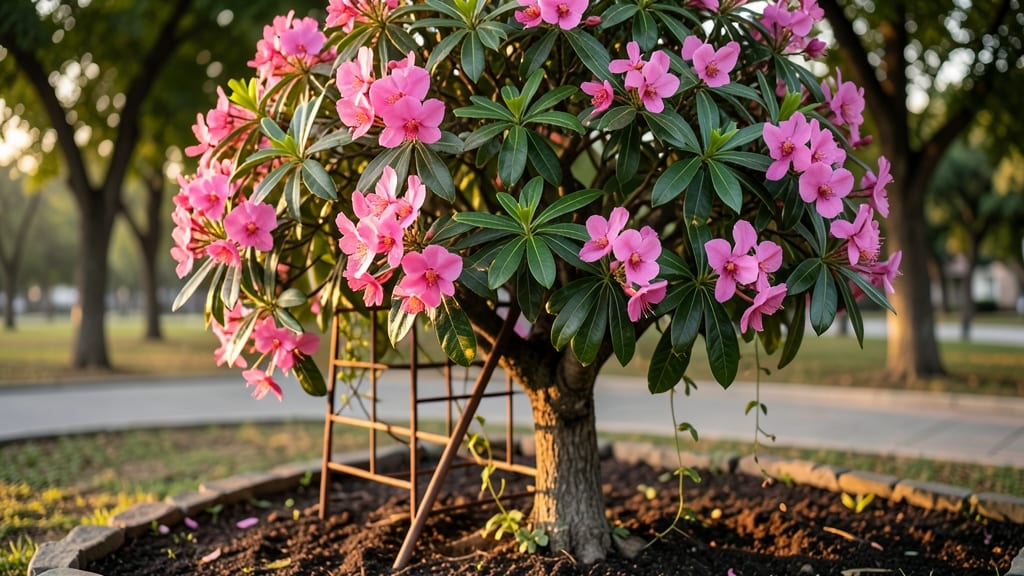
Your Hong Kong tree pruning routine can transform a struggling urban canopy into a year-round masterpiece—just four strategic cuts a year make all the difference. 🌿 The Hong Kong tree isn’t just a shade provider; it’s a cultural landmark that thrives in the city’s humid subtropical climate, from the towering Ficus microcarpa to the delicate Cassia fistula.
I’ve pruned these iconic trees for years, and the secret isn’t complex—it’s about timing, shape, and respecting the tree’s natural rhythm.
Start with late winter (February) to remove dead or crossing branches before spring growth begins. By early summer (June), focus on shaping the canopy to encourage airflow and sunlight penetration—critical for disease prevention in Hong Kong’s dense urban air.
The final cuts in autumn (October) prep the tree for winter, while a light touch in early spring (March) promotes fresh, vibrant foliage. Each cut tells a story of resilience, just like the trees themselves.
What you’ll end up with is a tree that’s not just alive but vibrantly integrated into the cityscape—its branches framing skyline views, its leaves filtering pollution, and its presence softening concrete jungles.
Locals and visitors alike will notice the difference: a tree that looks cared for and feels like part of the community. The best part? These techniques work for any urban tree, whether it’s a heritage species or a modern street planting.
This approach honors Hong Kong’s ecological and cultural heritage while making pruning feel like an act of urban stewardship. No specialized tools beyond a sharp pair of loppers and a ladder—just patience and an eye for balance. Ready to give your tree the revival it deserves?
📚 In This Guide
- What you need
- Instructions
- Tips and common mistakes
- Wrapping up and next steps
What you need
- ● Pruning saw – Bypass saw (for thick branches, 20–30 cm blade length) or pruning saw with a curved blade for hard-to-reach spots.
- ● Pruning shears – Bypass or anvil type (sharp, 20–25 cm blades) for smaller branches (under 2 cm diameter).
- ● Loppers – Bypass loppers (30–45 cm handles) for medium branches (2–7 cm diameter).
- ○ Pole saw/pruner – Extendable (3–5 m) for high branches (optional but highly recommended for urban trees!).
- ● Gloves – Heavy-duty, cut-resistant (e.g., Mechanix Wear or similar) to protect hands from thorns (like Bauhinia) and splinters.
- ● Safety goggles – ANSI-rated to shield eyes from debris.
- ● Ladder (or harness system) – Sturdy, non-slip (e.g., aluminum extension ladder, 4–6 m tall) or a professional-grade arborist harness for heights over 3 m.
- ● Disinfectant (70% isopropyl alcohol or bleach solution) – To sterilize tools between cuts and prevent disease spread.
- ● Heavy-duty trash bags – For collecting pruned branches (check local waste regulations—some areas require chipping).
- ● Tarp or drop cloth – To protect ground below (especially for mango or lychee trees with messy fruit drops).
- ● Winter (Dec–Feb) – Rake (for clearing fallen leaves/debris) and anti-freeze spray (if pruning evergreens like Podocarpus).
- ● Spring (Mar–May) – Fertilizer (balanced NPK 10-10-10) for post-pruning recovery.
- ● Summer (Jun–Aug) – Watering can (5–10 L capacity) to hydrate trees post-cutting (especially in Hong Kong’s heat!).
- ○ Autumn (Sep–Nov) – Pruning sealant (optional, for large cuts on oaks or Schima superba).
- ● Permit check – Verify if your tree is protected (e.g., heritage trees in Hong Kong). Contact Agriculture, Fisheries and Conservation Department (AFCD).
- ● First-aid kit – Include antiseptic wipes and bandages for minor cuts.
- ● Weather forecast – Avoid pruning during high winds or rain (Hong Kong’s typhoon season: May–Sept!).
Step-by-step guide to pruning Hong Kong trees for year-round health
This is how I transform neglected urban canopies into thriving, structured trees through precise seasonal cuts.
✂️ Step 1: Late Winter Cleanup (February-March) – Remove Dead and Weak Growth
Start by assessing the tree's structure in late winter when it's dormant but before new growth begins. Look for branches that are completely dead—these will be gray, brittle, and won't bend when tested. Use sharp pruning shears to make clean cuts just outside the branch collar (the swollen area where the branch meets the trunk). This ensures the tree can seal the wound properly and prevents disease entry.
I also remove weak, crossing, or rubbing branches during this cut. These are the ones that grow inward or cross over other branches, creating wounds where pathogens can enter. Make your cuts at a 45-degree angle just above an outward-facing bud. This encourages new growth in the right direction and maintains an open canopy that allows sunlight to reach the lower branches.
Real talk: If you see water sprouts—those fast-growing, vertical shoots—cut them back to a lateral branch. They steal energy from the rest of the tree and create a messy appearance. Use your pruning shears for branches under ½ inch in diameter and loppers for anything thicker. Never leave stubs; always cut back to the branch collar or bud.
☀️ Step 2: Early Spring Structural Pruning (April) – Shape and Thin the Canopy
In early spring, focus on shaping the tree and thinning the canopy to improve airflow and sunlight penetration. Start by removing any suckers—those aggressive shoots growing from the base or trunk. These compete with the main canopy for nutrients and weaken the tree's structure. Cut them off at the base, making sure to get all of the root connection if possible.
Next, look for branches that are growing too close together or creating dense clusters. Thin these out by removing every other branch, starting from the outside of the tree and working your way in. This opens up the canopy and reduces the risk of fungal diseases that thrive in shaded, humid conditions. Aim to remove no more than 25% of the tree's foliage in this cut—this prevents stress and allows the tree to recover quickly.
Here's the thing—Hong Kong trees respond well to directional pruning. If you notice branches growing in an undesirable direction (like straight up instead of outward), make your cut just above a bud that's facing the direction you want new growth to go. This technique helps create a more balanced and aesthetically pleasing shape over time.
✂️ Step 3: Mid-Summer Light Pruning (July-August) – Control Growth and Improve Form
During the summer, prune only to maintain the shape you've established and control excessive growth. Focus on trimming back any branches that are growing too vigorously or spoiling the tree's form. Use hand pruners for smaller branches and loppers for anything thicker than ¾ inch. Make your cuts just above a leaf node or bud to encourage healthy regrowth.
This is also the time to remove any branches that have been damaged by storms, pests, or disease. Look for signs like holes, sawdust-like frass (a sign of borers), or discolored leaves. Cut these branches back to healthy wood, and dispose of the infected material away from the tree. Never leave dead or dying branches on the tree—they can harbor pests and diseases that will spread to the rest of the canopy.
Watch for new shoots that have sprouted from old pruning cuts or wounds. These are called epicormic shoots, and while they might seem like a good idea, they often grow weakly and create an uneven appearance. Remove them promptly to redirect the tree's energy into stronger, more structured growth. Keep your cuts clean and precise—ragged edges invite disease and slow the tree's recovery.
🪴 Step 4: Early Fall Maintenance (October-November) – Prepare for Dormancy
In early fall, focus on preparing the tree for dormancy by removing any branches that have produced seed or fruit. These branches often weaken the tree and create a mess on the ground. Cut them back to a lateral branch or bud, and clean up any fallen debris from the base of the tree. This reduces the risk of fungal growth over the winter months.
This is also the time to address any structural issues, like weak crotches (the angle where branches meet the trunk or other branches). If you notice a branch growing at a narrow angle (less than 45 degrees), it's at risk of breaking under the weight of snow, ice, or heavy foliage. In some cases, you may need to remove the entire branch to prevent it from splitting during winter storms.
Finally, give the tree's base a good cleaning. Remove any mulch that's piled up against the trunk and rake away fallen leaves and debris. This prevents moisture from sitting against the bark, which can lead to rot and other issues. A clean base also makes it easier to spot early signs of pests or disease before they become a bigger problem.
Tips & tricks for perfect Hong Kong urban canopy pruning
Transforming neglected urban trees into healthy canopies takes precision—and these insider techniques will help you achieve professional results without stress.
Tool Selection Matters: Invest in high-quality pruning tools that stay sharp. Dull shears create jagged cuts that slow healing and invite disease. I recommend carbon steel blades for longevity and replace them when you notice even slight dulling. For branches over ¾ inch, use loppers with bypass blades—they make cleaner cuts than anvil-style pruners. Always clean your tools with rubbing alcohol between cuts to prevent cross-contamination of pathogens.
Seasonal Timing is Everything: The four-season approach in the instructions works because it aligns with the tree's natural growth cycle. In late winter, focus on removing deadwood when the tree is dormant—this prevents stress during active growth periods. During early spring's structural pruning, limit cuts to no more than 25% of foliage to avoid shocking the tree. Mid-summer pruning should be minimal and only for maintenance, while fall prep helps the tree enter dormancy stronger. Remember: Never prune when the tree is under stress from drought or extreme temperatures.
Wound Healing Technique: When making cuts, always target the branch collar—the swollen area where the branch meets the trunk. This natural barrier helps the tree seal wounds properly. For larger branches, make your cut just outside the collar at a 45-degree angle to create a smooth surface. Avoid leaving stubs, as they create entry points for pests and diseases. In Step 1, when removing water sprouts, cut back to a lateral branch rather than leaving a stub—this encourages stronger regrowth patterns.
Safety First: Hong Kong's urban environment presents unique safety challenges. Always wear protective gloves and eyewear when pruning, especially when working with larger branches. Use a sturdy ladder with non-slip feet and consider a harness for high branches. If working near power lines, maintain a safe distance and consult with utility companies first. For trees near sidewalks, clear a 3-foot radius around the base to prevent tripping hazards. Remember: The goal is to revitalize the tree while keeping your workspace safe for everyone.
Pro Tips for Hong Kong Tree
- Transforming neglected urban trees into healthy canopies takes precision—and these insider techniques will help you achieve professional results without stress.
- Tool Selection Matters: Invest in high-quality pruning tools that stay sharp.
- Seasonal Timing is Everything: The four-season approach in the instructions works because it aligns with the tree's natural growth cycle.
Frequently asked questions
Got questions about pruning Hong Kong trees? You’re not alone!
Whether you're a homeowner or a city gardener, these FAQs cover everything from timing to tools and troubleshooting. Let’s get growing!
When is the best time to prune Hong Kong trees?
The ideal time is late winter to early spring (February–March) when trees are dormant but before new growth starts. For light maintenance, summer pruning is fine, but avoid heavy cuts during peak bloom or extreme heat. Pro tip: Check local regulations—some urban areas restrict pruning during nesting seasons (March–August).
Can I prune a Hong Kong tree myself, or should I hire a pro?
Small branches (under 2 inches thick) and light shaping? DIY is doable with the right tools (bypass pruners, loppers, safety gear). But for large trees, deadwood removal, or structural work, hire a certified arborist. Why? Poor cuts can harm the tree or void insurance claims if branches fall. Warning: Never climb trees—use a stable ladder or hire help!
What if my Hong Kong tree has brown or dead branches?
Dead branches (called water sprouts or dieback) should be removed immediately to prevent disease or pests. Cut back to the collateral bud (a side bud just below the dead section) at a 45° angle. If half the canopy is dead, the tree may be beyond saving—consult an arborist for a diagnosis (fungus, root rot, or drought could be culprits).
Are there alternatives to traditional pruning for urban Hong Kong trees?
Yes! Consider crown thinning (removing selective branches to improve airflow) or pollarding (hard pruning for structural control, common in cities). For street trees, crown reduction (shortening branches) is often mandated to avoid power line conflicts. Bonus: Mulching and deep watering can reduce stress, making pruning more effective.
What should I do if my cuts bleed sap or the tree looks stressed?
Sap bleeding is normal for 2–4 weeks post-pruning, but excessive ooze or yellowing leaves signal stress. Fix it: Apply pruning sealant (optional—debated among experts) to large cuts (>2 inches). Water deeply, avoid fertilizing for 6 weeks, and monitor for pests. If the tree wilts or drops leaves, it may need professional care.
How often should I prune my Hong Kong tree?
Light pruning (removing deadwood, shaping) every 1–2 years keeps trees healthy. Heavy structural pruning should happen every 3–5 years. Young trees need annual checks to train their shape, while mature trees (20+ years) may only need corrective pruning every 5 years. Rule of thumb: Never remove more than 25% of the canopy in one session!
Wrapping up and next steps
From the lush greenery of summer to the delicate blooms of spring, Hong Kong’s urban trees thrive with seasonal care—and you’re now equipped to be part of their revival! 🌿 Whether you’re a gardening enthusiast or a city dweller eager to contribute, proper pruning ensures healthier trees, safer streets, and a greener skyline.
Start small: pick one tree this season, gather your tools, and follow the steps you’ve learned. Every trim counts!
💡 Next step: Check your local Hong Kong Agriculture, Fisheries and Conservation Department for seasonal guidelines or join a community clean-up—your effort makes a difference!