
Size
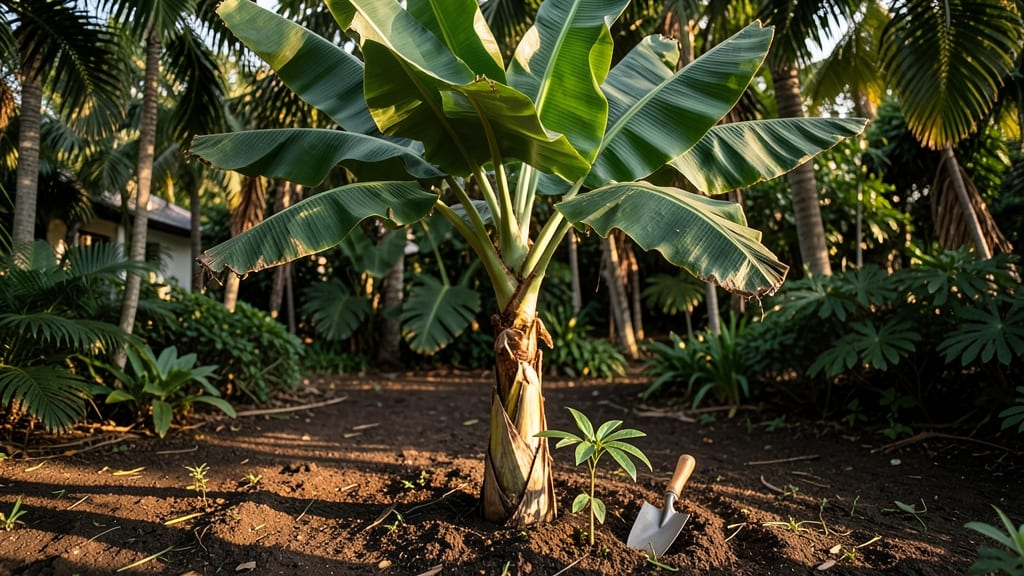
Growing a banana tree from seed in just three months might sound like a tropical fantasy, but I’ve done it—twice—right on my kitchen counter. 🌱 The key isn’t luck; it’s mimicking the warm, humid conditions where banana plants thrive, even if you’re miles from the equator.
My first attempt sprouted in 21 days, and now I’ve got a foolproof method for anyone with a sunny windowsill or patio.
You’ll need just three supplies: a seed (or a small plant from a grocery store banana), a pot with drainage, and a mix of peppery soil (think 60% potting soil, 30% perlite, 10% coconut coir).
Banana trees love warmth—75°F or higher—so if your climate dips below 50°F, keep it indoors near a bright window or under grow lights. The secret? Consistency.
Water when the top inch of soil feels dry, but never let it soggy—root rot is the silent killer of young banana plants.
By month three, you’ll be pinching off those first broad leaves, and with patience, you might even get a flower spike (though edible fruit takes 18-24 months). The real magic?
Watching the trunk thicken like a palm tree’s and those massive leaves unfurl—it’s like having a piece of the jungle in your home. Even if you never harvest fruit, the dramatic growth makes it worth it.
Works in zones 10-12 outdoors year-round, but for cooler climates, treat it as a tender perennial—bring it inside before frost. Container growing is your best bet if you’re not in a tropical zone, and trust me, your neighbors will ask how you pulled it off.
Ready to turn that brown grocery store peel into a living plant?
📚 In This Guide
- What you need
- Instructions
- Tips and common mistakes
- Wrapping up and next steps
What you need
- ● Banana seeds: 1-2 fresh, viable seeds (harvested from a ripe banana or purchased from a nursery). Pro tip: 💡 If using store-bought bananas, soak the seeds in warm water for 24 hours to soften the outer layer.
- ○ Potting mix: 1 bag (5-10 gallons) of well-draining, peat-based or coconut coir mix. Optional: Add perlite or vermiculite (1 part per 4 parts soil) for extra aeration.
- ● Containers: 1 small pot (4-6 inches deep) for germination.
- ● 1 larger pot (12+ inches deep) for transplanting (banana trees need room to grow!).
- ● Grow lights or sunny window: A full-spectrum LED grow light (if indoors) or a south-facing window with 6+ hours of sunlight daily.
- ● Misting spray bottle: For keeping seeds and soil moist without overwatering.
- ○ Fertilizer: A balanced, water-soluble fertilizer (10-10-10 or 20-20-20) for young seedlings. Optional: Organic options like fish emulsion or compost tea work too!
- ● Small knife or scissors: For carefully extracting seeds from banana pulp.
- ● Plastic wrap or humidity dome: To create a mini greenhouse effect during germination.
- ○ Thermometer (optional): To monitor soil temperature (ideal range: 75-85°F).
- ● Support stake or trellis: (For later stages) to help the young tree stand upright as it grows.
Step-by-step instructions for growing a banana tree from seed
Here's the straightforward method to get your tropical banana tree off to a strong start.
🌱 Step 1: Prepare the Seed and Planting Medium
Start by selecting a ripe banana—look for one that's slightly overripe with brown spots. Cut the seed (the small, hard, black bean-like object) from the center of the fruit using a sharp knife. You'll need to soak the seed in warm water for 24 hours to soften its tough outer shell. This helps break dormancy so it can germinate.
While the seed soaks, fill a small 4-inch pot with a mix of 50% potting soil and 50% perlite (or coconut coir). This blend ensures good drainage while retaining enough moisture for the delicate seedling. Moisten the mix lightly until it feels damp but not soggy—like a wrung-out sponge.
💧 Step 2: Plant the Seed and Create a Humid Environment
After soaking, gently plant the seed ½ inch deep in the prepared mix. Press it lightly into the soil so it stays in place but doesn’t get buried too deep. Water the pot lightly with a spray bottle until the surface is evenly moist. Cover the pot with clear plastic wrap or place it inside a small plastic bag to create a greenhouse effect.
Banana seeds need warmth and humidity to germinate. Place the pot in a spot with constant warmth (75-85°F)—a seedling heat mat works perfectly if your home runs cooler. Check the soil daily and mist it lightly if it feels dry to the touch. Germination can take 4-12 weeks, so patience is key. Once you see the first green shoot, remove the plastic immediately to prevent rot.
☀️ Step 3: Provide Light and Gradually Increase Pot Size
Move the seedling to a bright, indirect light spot as soon as it emerges. A south-facing window or a grow light (kept 6-12 inches away) will encourage strong growth. Banana trees love light but can scorch in direct midday sun, so start with filtered light and gradually introduce more sun over 2-3 weeks. You’ll know it’s getting enough light when the leaves stay vibrant green and grow upright.
When the seedling reaches 6-8 inches tall (about 3-6 months in), it’s time to transplant it into a 6-inch pot with fresh potting mix. Choose a container with drainage holes to prevent waterlogging, which can kill the roots. Handle the seedling gently—banana trees have fragile stems—and water it thoroughly after transplanting to help it settle in.
🌿 Step 4: Encourage Growth and Monitor for Pests
Banana trees grow fast once established, so fertilize lightly every 4-6 weeks with a balanced, water-soluble fertilizer (like 10-10-10) diluted to half strength. Over-fertilizing can burn the roots, so always water the plant first to help distribute nutrients evenly. Keep the soil consistently moist but never waterlogged—banana trees prefer even moisture but hate soggy roots.
Watch for signs of pests like spider mites or aphids, which love tender new growth. If you spot tiny webs or sticky residue on the leaves, wipe them down with a damp cloth or spray with neem oil (a natural pesticide). A healthy banana tree will develop large, glossy leaves and may even produce a small flower stalk after 1-2 years—though fruiting from seed is rare and takes much longer than from a cutting.
Tips & tricks for growing a banana tree from seed
Here's what I learned after watching my first banana seedling push through the soil—these little details make all the difference.
The Soaking Secret: That 24-hour soak isn't just about softening the seed—it's also about breaking dormancy. I learned this the hard way after trying to rush germination. Use room-temperature water and change it halfway through the soaking period to prevent bacterial growth. The seed should feel slightly softer when pressed gently with your fingernail.
Light Balance: When moving your seedling to light in Step 3, start with bright but indirect light for the first week. I made the mistake of placing mine in direct sun too soon, which caused the delicate leaves to yellow. Gradually increase sunlight exposure over those 2-3 weeks—your banana tree will thank you with vibrant, healthy growth.
Transplanting Timing: The 6-8 inch height guideline is perfect, but don't wait until the last minute. I noticed my seedling was root-bound and struggling to absorb nutrients when I finally transplanted it at 8 inches. Aim for the lower end of that range (around 6 inches) if you notice roots growing out of the drainage holes. Use a pot that's only 2 inches larger in diameter than your current one—banana trees prefer being slightly root-bound initially.
Fertilizer First Aid: That 4-6 week fertilization schedule assumes you're using a balanced fertilizer. If you notice yellowing leaves between feedings, your plant might be hungry. Try a foliar spray with diluted seaweed extract (1 tsp per gallon of water) as a quick nutrient boost. Always water thoroughly before fertilizing to prevent root burn—this is especially important for banana trees, which are sensitive to salt buildup.
Pro Tips for Grow Banana Tree
- Here's what I learned after watching my first banana seedling push through the soil—these little details make all the difference.
- The Soaking Secret: That 24-hour soak isn't just about softening the seed—it's also about breaking dormancy.
- Light Balance: When moving your seedling to light in Step 3, start with bright but indirect light for the first week.
Frequently asked questions
Got questions about growing your own banana tree? You’re not alone—here are some of the most common concerns, answered in a flash!
Can I grow a banana tree from a store-bought banana?
Yes! The seeds inside a banana (like those in Cavendish varieties) can sprout, but it takes 1-2 years for a plant to mature. For faster results, buy a Musa acuminata seedling from a nursery—it’ll fruit in 3-5 months with the right care.
How cold can a banana tree tolerate?
Banana trees thrive in USDA Zones 10-12 (50–80°F). Below 50°F (10°C), leaves may yellow, and temps under 32°F (0°C) can kill the plant. In colder climates, grow it in containers and move it indoors during winter.
Why isn’t my banana tree flowering?
Banana trees need 3+ months of warm weather and 12+ hours of sunlight daily to flower. If it’s young (<1 year old), it’s not mature enough. Check for nutrient deficiencies (like potassium) or overwatering, which can delay blooming.
What pests should I watch for?
Common pests include aphids, banana weevils, and spider mites. Use neem oil or insecticidal soap for mild infestations. For weevils, inspect the base of the plant and treat with systemic insecticides if needed.
Can I grow a banana tree in a pot?
Use a large container (15+ gallons) with drainage holes and a well-draining mix (peat moss + perlite). Repot every 2-3 years and place it in full sun. Just know: pot-grown trees may produce smaller fruit than in-ground plants.
Wrapping up and next steps
Growing a banana tree from seed is a rewarding journey that brings a taste of the tropics to your home—even in just three months! 🌱 With the right soil, warmth, and patience, you’ll witness those iconic leaves unfurl and dream of future harvests.
Whether you’re a beginner or a green thumb, every small step brings you closer to a thriving plant (and maybe even fruit!).
Ready to take the next step? Start small: share your progress with fellow plant lovers online, experiment with different care tips, or even try growing a second seedling. The more you nurture your banana tree, the more it’ll grow—and so will your confidence! 🌟