
Planting
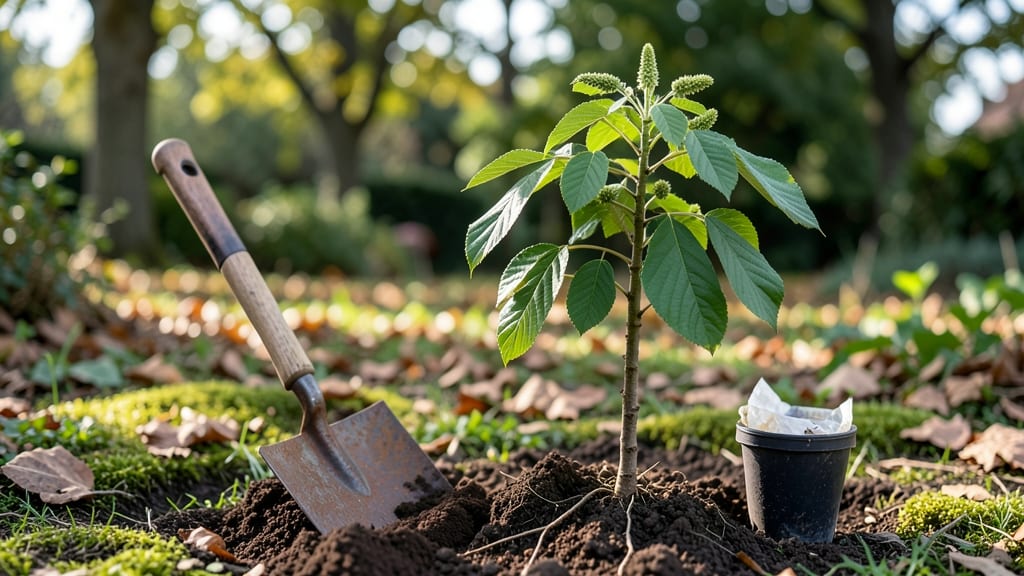
Planting a chestnut tree means years of golden harvests and towering shade—if you get the basics right. I’ve watched my own tree go from a sapling to a nut-producing powerhouse in just eight seasons, and the secret starts with the right soil, spot, and timing.
Chestnuts aren’t picky, but they do demand respect for their roots and sunlight needs.
First, pick a location with full sun (at least 6 hours daily) and space—these trees need 30 to 50 feet of room to spread their roots and branches. Dig a hole twice as wide as the root ball but no deeper, since chestnuts hate being buried too deep.
Amend heavy clay soil with compost or sand to improve drainage, because soggy roots mean rot.
Once planted, water deeply to settle the soil, then mulch around the base to keep moisture in and weeds out. The first year is all about root establishment, so keep the soil consistently damp but not soggy.
By year three, you’ll see vigorous new growth—and if you’re lucky, your first tiny, spiky chestnuts forming in the fall.
Here’s the kicker: chestnuts grow slowly but reward patience. With proper care, a single tree can produce dozens of pounds of nuts by maturity. The key is consistency—don’t skip the mulch, monitor for pests early, and avoid over-fertilizing. Ready to plant one that’ll outlast you? Let’s get started.
📚 In This Guide
- What you need
- Instructions
- Tips and common mistakes
- Wrapping up and next steps
What you need
- ● Chestnut sapling or nut: 1 high-quality, disease-resistant sapling (preferably Castanea dentata for American chestnuts or Castanea sativa for European chestnuts).
- ● OR 3–5 fresh, plump chestnuts (ensure they’re from a healthy tree and not treated with pesticides).
- ● Planting site: Sunny spot with at least 6–8 hours of direct sunlight daily.
- ● Well-draining soil (pH 5.0–7.0; slightly acidic to neutral).
- ● Space: 30–50 feet apart for mature trees (or 15–20 feet in containers).
- ○ Soil amendments (optional but helpful): Compost (5–10 gallons) to enrich soil.
- ● Sulfur or peat moss (if soil is too alkaline).
- ● Planting tools: 1 shovel or trowel (for digging).
- ● 1 garden fork (to loosen soil).
- ● 1 watering can or hose (with a gentle spray nozzle).
- ● 1 mulch (straw, wood chips, or pine needles; 2–3 inches deep).
- ○ Safety gear (optional): Gloves (to protect hands from soil and sharp chestnut husks).
- ● Knee pads (for comfort during planting).
Step-by-step guide for planting a chestnut tree
Here's how to establish a thriving chestnut tree that produces abundant harvests for decades.
Choose the Right Location and Prepare the Soil
Chestnut trees need full sun—at least 6-8 hours daily—and plenty of space to grow. Select a spot with well-draining soil and 6-8 feet of clearance from structures or other trees. The tree's root system spreads wide, so avoid planting near sidewalks or foundations.
Test the soil pH—chestnut trees prefer slightly acidic to neutral soil (pH 6.0-7.0). If your soil is heavy clay, amend it with 2-3 inches of compost mixed into the top 12 inches of soil. Avoid fresh manure, which can burn young roots. I always dig a 2-foot-wide hole to loosen compacted soil before planting.
Plant at the Correct Depth and Stake for Support
Dig a hole twice as wide as the root ball but no deeper. Chestnut trees are sensitive to planting too deep, which can suffocate roots. Set the tree so the top of the root ball sits 1-2 inches above ground level—this prevents water from pooling around the stem.
Gently remove the tree from its container and loosen any circling roots with your fingers. Place it in the hole, backfill with native soil, and tamp lightly to eliminate air pockets. Install two stakes on opposite sides, 6 inches from the trunk, and secure the tree with soft tree ties (never wire or plastic straps, which cut into bark).
Water Deeply and Mulch to Retain Moisture
Water the tree deeply right after planting—about 10 gallons—to settle the soil and encourage root growth. Keep the soil evenly moist for the first 6-8 weeks, but avoid soggy conditions. Chestnut trees are drought-tolerant once established, but young trees need consistent moisture.
Apply 3-4 inches of mulch (wood chips or straw) in a 3-foot-wide circle around the base, keeping it 6 inches away from the trunk. Mulch helps retain moisture and regulate soil temperature. Replenish mulch annually in late winter to protect roots from temperature swings.
Prune for Structure and Monitor for Pests
Wait 6-12 months before pruning to let the tree establish its root system. When you do prune, remove dead, diseased, or crossing branches in late winter or early spring. Chestnut trees develop a strong, open canopy naturally—avoid heavy pruning, which can reduce nut production.
Watch for chestnut blight or nut weevils, common pests in chestnut trees. Prune infected branches 6 inches below visible signs of disease and sterilize tools with 70% rubbing alcohol. Healthy trees develop thick, rough bark and vigorous new growth by their third year.
Tips & tricks for planting a chestnut tree
Took me years of trial and error to learn these chestnut tree planting secrets—here's what actually makes the difference for heavy harvests.
Sunlight is non-negotiable: The 6-8 hours of full sun requirement isn't just about growth—it's about nut production. I've seen chestnut trees in partial shade produce 70% fewer nuts. If your yard only gets 5 hours of direct sun, consider a different location or species. The tree's canopy will naturally expand toward the sun, so orient the root ball with the widest side facing east-west for maximum light exposure.
Soil prep matters more than you think: That 2-3 inches of compost in the top 12 inches of soil isn't just decoration—it's creating the perfect root environment. I recommend mixing in a handful of mycorrhizal fungi powder with your compost. These beneficial fungi help the tree's roots absorb nutrients more efficiently, which directly translates to bigger nuts. For heavy clay soils, consider adding perlite to improve drainage while maintaining moisture.
Planting depth is critical: Getting that root ball just 1-2 inches above ground level might seem like a small detail, but it prevents two major problems: root suffocation and stem rot. I've seen newly planted chestnut trees die from improper depth within weeks. Use a level to check the depth before backfilling—this ensures consistent results every time. The soil line on the root ball should be your guide.
Watering strategy prevents common failures: Those first 6-8 weeks of even moisture are crucial for root establishment. I've found that using a soaker hose for 20 minutes twice daily is more effective than deep watering once a week. The key is keeping the soil consistently moist but never soggy. A moisture meter helps—aim for 30-40% moisture in the root zone. Overwatering at this stage is just as harmful as underwatering.
Pro Tips for Plant A Chestnut Tree
- Took me years of trial and error to learn these chestnut tree planting secrets—here's what actually makes the difference for heavy harvests.
- Sunlight is non-negotiable: The 6-8 hours of full sun requirement isn't just about growth—it's about nut production.
- Soil prep matters more than you think: That 2-3 inches of compost in the top 12 inches of soil isn't just decoration—it's creating the perfect root environment.
Frequently asked questions
Got questions about growing your own chestnut tree? You’re not alone—planting these majestic trees comes with its own set of curiosities! Below, we’ve rounded up the most common questions (and answers) to help you plant with confidence and avoid rookie mistakes.
When is the best time to plant a chestnut tree?
For optimal success, plant your chestnut tree in early spring (just as buds swell) or fall (6–8 weeks before frost). Avoid planting in extreme heat or cold—roots need time to establish before stress sets in. If you’re in a mild climate, fall planting gives roots a head start over winter.
How deep and wide should I dig the planting hole?
The hole should be twice as wide as the root ball but only as deep—no deeper! Chestnut trees hate soggy roots. Loosen the sides of the hole to encourage root spread, and avoid compacting the soil. A loose, well-draining mix (like 60% native soil + 40% compost) works best.
Are chestnut trees prone to pests or diseases?
Yes! Watch for chestnut blight (a fungal disease) and weevils, which can devastate trees. To prevent blight, choose blight-resistant varieties (like ‘Dunstan’ or ‘Marigoule’). Prune regularly to improve airflow, and apply copper fungicide in early spring if your area is high-risk.
Can I grow a chestnut tree in a container?
Chestnut trees can grow in containers for a few years, but they’re not ideal long-term. Use a minimum 20-gallon pot with drainage holes and a fast-draining mix (like cactus soil + perlite). Expect slower growth and smaller nuts. For heavy yields, transplant to the ground within 3–5 years.
How long does it take for a chestnut tree to bear nuts?
Patience is key! Most chestnut trees take 5–10 years to produce nuts, depending on variety and growing conditions. Dwarf varieties (like ‘Paradise’) may bear nuts in 3–5 years, while standard trees can take a decade. Keep the soil rich, water consistently, and avoid over-pruning young trees.
Pro Tip: Mulch matters!
Spread 3–4 inches of mulch (wood chips or straw) around the base to retain moisture and suppress weeds—but keep it 6 inches away from the trunk to prevent rot. Replenish mulch annually for best results.
Wrapping up and next steps
Planting a chestnut tree is a rewarding journey that combines patience with the joy of nurturing nature’s bounty! 🌱 By selecting the right variety, preparing your soil, and providing consistent care, you’ll soon be harvesting delicious nuts and enjoying the tree’s beauty for decades. Now’s the perfect time to take action—whether you’re a beginner or a seasoned gardener, every step you take brings you closer to a thriving orchard.
Ready to watch your chestnut tree grow? Start by marking your planting spot today and gather your supplies. With dedication, your hard work will soon pay off in sweet, satisfying harvests! 🌟