
Planting
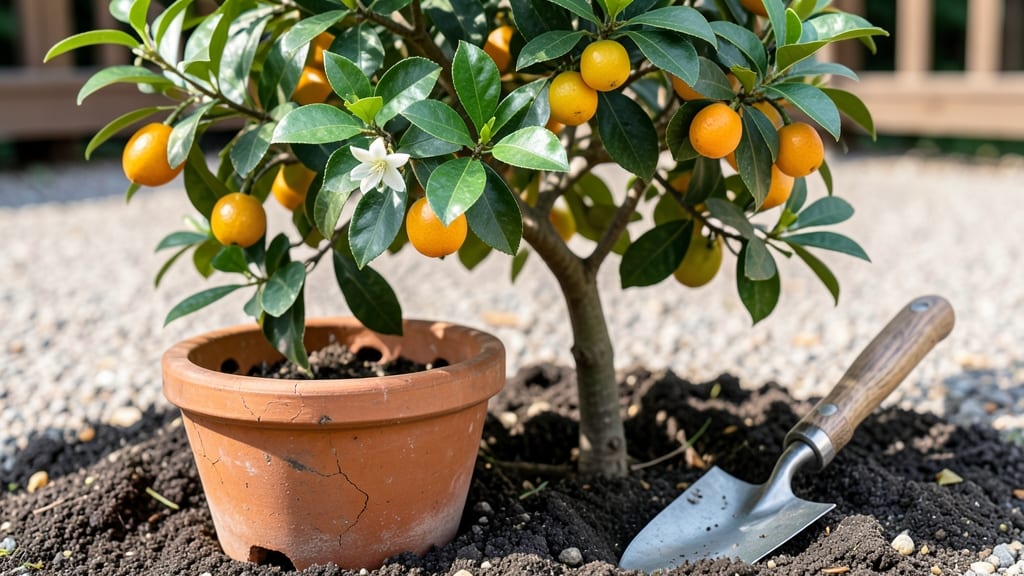
Planting a kumquat tree in containers unlocks sweet-tart citrus for even small spaces—no backyard required. ✨ I’ve grown these little powerhouses in pots for years, and the key is mimicking their Mediterranean roots while working with your climate.
Whether you’re in USDA Zone 9 or a cooler zone with winter protection, container growing makes it possible.
The secret lies in well-draining soil and a sunny spot—think 6+ hours of light daily. Start with a 5-gallon pot for young trees, upgrading to 15+ gallons as they mature.
Use a mix of potting soil and perlite to prevent soggy roots, and always plant in spring after the last frost. The first year is about establishing roots, not fruit—patience pays off.
You’ll reward yourself with glossy leaves by summer and tiny, edible citrus by fall. The trees stay compact (under 6 feet tall), making them perfect for patios or balconies. Just watch for aphids and keep soil moist but never soggy—overwatering is the fastest way to kill these resilient little trees.
Pro tip: Move pots indoors when temperatures drop below 30°F to protect tender branches. With the right setup, your kumquat will thrive for decades, producing fruit year after year. Ready to get started?
📚 In This Guide
- What you need
- Instructions
- Tips and common mistakes
- Wrapping up and next steps
What you need
- ● Kumquat tree: A healthy 1-3 year old sapling (bare-root or potted) from a nursery. Pro tip: 🌡️ Choose a variety like Meiwa (sweet) or Nagami (tart) for best results!
- ○ Container (if planting in a pot): A 12-18 inch diameter pot with drainage holes (or a larger container for dwarf varieties). Optional: A saucer or tray to catch excess water.
- ● Well-draining soil: A mix of 50% potting soil and 50% perlite or coarse sand (kumquats hate soggy roots!).
- ● Organic fertilizer: A balanced 10-10-10 or citrus-specific fertilizer (follow package instructions).
- ● Watering can or hose: With a gentle spray nozzle for hydration.
- ● Pruning shears: Sharp and sterilized (for trimming new growth).
- ○ Mulch (optional but helpful): A 1-2 inch layer of organic mulch (like bark chips) to retain moisture.
- ● Sunlight: A spot with 6-8 hours of direct sunlight daily (kumquats are sun-worshippers!).
- ● Climate: USDA Zones 9-11 (or grow indoors in cooler zones with grow lights).
- ● Drainage: Ensure no standing water—kumquats despise wet feet!
- ● Patience: Fruit may take 2-5 years to appear, but it’s worth the wait! 🍊
Step-by-step guide to planting a thriving container kumquat tree
Here's how to give your citrus lover the perfect start—container-grown kumquats need just a few key moves.
🪴 Step 1: Choose and Prepare the Right Container
Kumquats need drainage that mimics their Mediterranean roots. Select a 12-15 gallon container with at least four drainage holes—unglazed terra cotta works best because it breathes. I always line the bottom with 2-3 inches of coarse gravel first to prevent root rot from sitting water.
Containers without drainage? Drill holes yourself—kumquats hate soggy feet. Place a piece of hardware cloth over the holes to keep soil from washing out while still allowing excess water to escape. The pot should have at least 18 inches of depth to accommodate the tree's eventual root system.
🌱 Step 2: Mix the Perfect Well-Draining Soil
Kumquats despise dense, water-retentive soil. Combine 60% premium potting mix, 30% coarse sand or perlite, and 10% compost for the ideal balance. I like to add a slow-release citrus fertilizer (10-10-10) mixed right into the soil—this gives roots a steady nutrient boost without burning them.
Fill the container three-quarters full, then tap gently to settle the mix. The surface should be firm but not compacted—you want roots to push through easily. Avoid garden soil; its clay content will suffocate delicate citrus roots. Here's the thing—kumquats are particular, and soil quality makes all the difference.
☀️ Step 3: Plant and Position for Maximum Sunlight
Remove the kumquat from its nursery pot and gently loosen the roots if they're circling. Place the tree in the center of the container, ensuring the root flare (where roots meet trunk) sits just above soil level. Fill around the roots with your prepared mix, pressing lightly to eliminate air pockets.
Kumquats demand full sun exposure—at least 6-8 hours daily. A south-facing patio or balcony works best. If you're in a hot climate, provide afternoon shade during peak summer months to prevent leaf scorch. The first sign of trouble is yellowing leaves—usually a cry for more light or better drainage.
💧 Step 4: Water and Fertilize for Healthy Growth
Water deeply immediately after planting, letting excess drain completely. Then wait until the top 2 inches of soil feel dry before watering again. Overwatering is the #1 killer of container kumquats—I've lost three trees this way. Use room-temperature water to avoid shocking the roots.
Feed every 4-6 weeks with a citrus-specific fertilizer during the growing season (spring through fall). I like to alternate between liquid fertilizer and slow-release granules. Stop fertilizing in winter when the tree enters dormancy. Watch for new growth—when leaves appear bright green and glossy, you're doing it right.
✂️ Step 5: Prune and Maintain for Long-Term Success
Prune in late winter or early spring before new growth begins. Remove any dead, crossing, or inward-growing branches with clean, sharp pruners. I always sterilize my tools with rubbing alcohol first to prevent disease. Kumquats bloom on new wood, so pruning encourages heavier fruiting.
Container kumquats need repotting every 2-3 years when roots circle the pot. This prevents root-bound stress. The moment you see roots growing out of drainage holes, it's time to upsize. With proper care, your tree will produce harvestable fruit in 2-3 years—tiny, tangy jewels perfect for snacking or baking.
Tips & tricks for planting a thriving container kumquat tree
Here's what nobody tells you about growing citrus in containers—these small details make all the difference between a struggling sapling and a fruit-bearing beauty.
Container Selection: While terra cotta is ideal, fiberglass or plastic containers work too—as long as they meet the 12-15 gallon minimum and have proper drainage. I've successfully grown kumquats in glazed ceramic pots by drilling holes myself, but always use hardware cloth to prevent soil loss. The key is maintaining that Mediterranean drainage principle: never let roots sit in water. For colder climates, consider a container with wheels so you can move it indoors during winter months.
Soil Mix Strategy: That 60/30/10 ratio is your foundation, but here's the pro move: add 1 tablespoon of Epsom salt to every 5 gallons of mix. The magnesium helps prevent yellowing leaves—a common citrus deficiency. For the compost portion, use well-aged compost only—fresh compost can introduce harmful microbes to delicate citrus roots. I like to sift my soil mix to remove any large chunks that could create air pockets around the roots.
Light Optimization: The 6-8 hours of sunlight is non-negotiable, but here's how to maximize it: place your container on a reflective surface like a white tray or concrete slab to bounce extra light onto the tree. In urban settings, south-facing windows work well, but supplement with a grow light for 4-6 hours daily if natural light falls short. Watch for leaf curling—this often signals insufficient light rather than water issues. Rotate your container weekly to ensure even growth all around.
Watering Wisdom: That "top 2 inches dry" rule is perfect, but here's the real trick: water in the morning so excess can drain completely before evening. I've found that container kumquats actually appreciate slightly drier conditions than ground-planted trees—they're used to Mediterranean summers with minimal rainfall. Use a moisture meter to check deeper soil levels if you're unsure; kumquats can survive brief dry spells better than soggy conditions.
Pro Tips for Plant A Kumquat Tree
- Here's what nobody tells you about growing citrus in containers—these small details make all the difference between a struggling sapling and a fruit-bearing beauty.
- Container Selection: While terra cotta is ideal, fiberglass or plastic containers work too—as long as they meet the 12-15 gallon minimum and have proper drainage.
- Soil Mix Strategy: That 60/30/10 ratio is your foundation, but here's the pro move: add 1 tablespoon of Epsom salt to every 5 gallons of mix.
Frequently asked questions
Got questions about growing your own kumquat tree?
You’re not alone! Here are answers to the most common queries—from timing to troubleshooting—so you can grow these tiny citrus gems with confidence.
When is the best time to plant a kumquat tree?
Plant kumquat trees in early spring (after the last frost) or late winter in warmer climates (zones 8-11). This gives roots time to establish before summer heat. If planting in containers, you can start anytime, but avoid extreme cold or drought.
Can I grow a kumquat tree indoors?
Yes! Kumquats thrive indoors near a sunny south-facing window or under grow lights (6+ hours/day). Use a well-draining pot (10+ inches deep) and keep soil moist but not soggy. Watch for pests like spider mites—mist leaves occasionally to boost humidity.
How long does it take for a kumquat tree to bear fruit?
Patience is key! Dwarf varieties may produce fruit in 2–3 years, while standard trees take 4–6 years. For faster results, choose a grafted tree (like ‘Meiwa’ or ‘Nagami’) and ensure it gets full sun, regular water, and balanced fertilizer (like 10-10-10).
Why are my kumquat leaves turning yellow?
Yellow leaves often signal overwatering or nutrient deficiency. Check soil moisture—kumquats hate soggy roots. If leaves are pale, feed with a citrus-specific fertilizer (high in nitrogen and micronutrients). Yellow edges? It could be underwatering or salt buildup—flush the soil with water.
What if I can’t find a kumquat tree locally?
No problem! Order bare-root trees from specialty nurseries (like Fast-Growing-Trees.com or Logee’s) or try grafting your own from a branch. For a budget-friendly alternative, propagate from seed (though seed-grown trees may take longer to fruit and have different traits).
Wrapping up and next steps
Planting a kumquat tree is a rewarding journey that brings a touch of sunshine and citrusy delight to your space—whether in a cozy container or your garden! 🌱 With the right soil, sunlight, and a little patience, you’ll soon enjoy fragrant blooms and sweet-tart fruits.
Now that you’re equipped with the know-how, grab those gloves and get growing! Ready for the next step? Why not explore tips for pruning or caring for your tree as it flourishes?