
Pruning
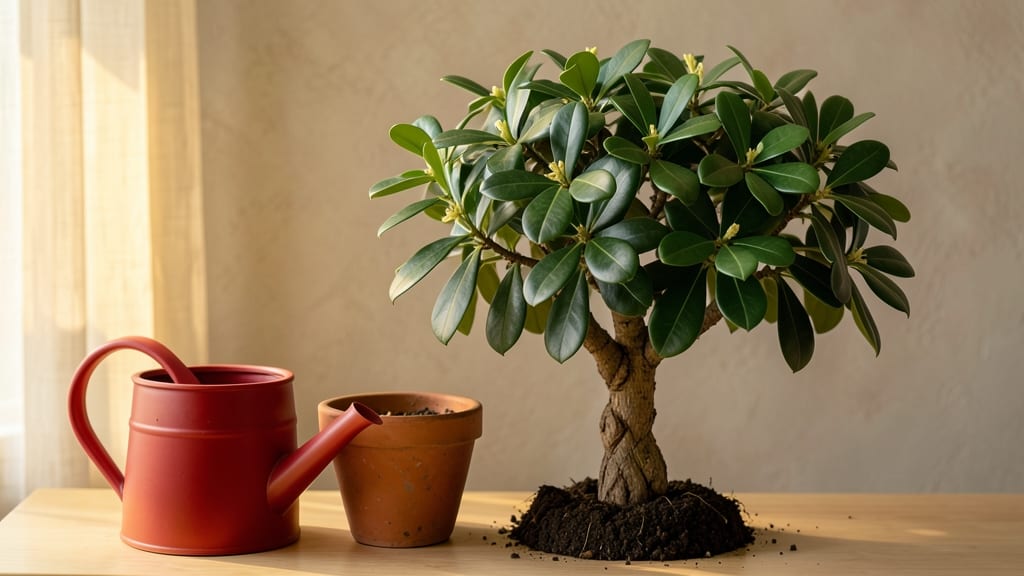
How to take care of a money tree indoors reveals the simple secrets that turn your space into a thriving jungle—until you learn it prefers dry soil and bright, neglectful love. 🌿 My first money tree nearly died from overwatering before I realized... indirect light.
The key isn’t constant attention but understanding its natural rhythm: let the top inch dry out between waterings, and it’ll reward you with glossy leaves year-round.
You’ll need just three basics: a well-draining potting mix, a pot with drainage holes, and a spot near a window (east or west-facing works best). Pruning is optional but encourages bushier growth—simply snip just above a leaf node with clean scissors.
Most mistakes stem from overwatering or low light, both easy to fix once you recognize the signs: yellowing leaves or leggy stems.
Within months, your money tree will grow taller and fuller, its dark green leaves forming that signature braided look. The best part? It’s nearly indestructible—even my black thumb can’t kill this one.
By summer, you’ll be pinching back new growth to keep it compact, and by winter, it’ll still hold its leaves without fuss.
Works in offices, living rooms, or bedrooms—just keep it away from drafts and direct afternoon sun. Here’s how to keep it thriving for years without the guesswork.
📚 In This Guide
- What you need
- Instructions
- Tips and common mistakes
- Wrapping up and next steps
What you need
- ● Money Tree Plant: A healthy Pachira aquatica (available at nurseries, garden centers, or online stores). Choose a mature plant (3+ feet tall) for a fuller look.
- ● Well-Draining Potting Mix: 1 bag (5-10 quarts) of a light, airy blend—mix equal parts cactus/succulent soil, perlite, and orchid bark (or use a pre-mixed tropical plant mix).
- ● Pot with Drainage Holes: For small plants: 6–8 inch pot
- ● For mature plants: 10–12 inch pot (or larger, depending on size)
- ● Watering Can or Spray Bottle: A gentle-spray nozzle (for misting) or a can with a narrow spout (to avoid overwatering).
- ● Humidity Tray or Pebbles: A shallow tray + pebbles (or a humidifier) to boost moisture levels (especially in dry climates).
- ● Pruning Shears: Sharp, clean shears (sterilized with rubbing alcohol) for trimming brown leaves or shaping.
- ● Fertilizer: Balanced liquid fertilizer (e.g., 10-10-10 or 20-20-20) or
- ● Slow-release granules (follow package instructions).
- ● Grow Lights (LED or Fluorescent): If your space lacks bright, indirect light (e.g., north-facing windows).
- ● Support Stakes or Trellis: For taller plants—use bamboo stakes or a spider-like support to train braided stems.
- ○ Soil Moisture Meter: To check root health without overwatering (optional but handy!).
Step-by-Step instructions for growing a healthy money tree indoors
Here's how I keep my money tree lush and thriving with just a few simple routines.
💧 Step 1: Master the Watering Routine
Water your money tree only when the top 2-3 inches of soil feel completely dry. I check this by sticking my finger in—if it comes out clean, it's time to water. Overwatering is the #1 killer of money trees, so I always use a pot with drainage holes and let excess water drain away completely.
Use room-temperature water to avoid shocking the roots. Pour slowly until water flows from the drainage hole, then empty the saucer immediately. Money trees store water in their thick stems, so they don't need frequent watering—just consistent moisture checks. In winter, you might only need to water every 3-4 weeks.
☀️ Step 2: Position for Bright, Indirect Light
Place your money tree near an east or west-facing window where it gets bright, indirect light for 4-6 hours daily. South-facing windows work too, but you'll need to shield it from harsh afternoon sun with a sheer curtain. Direct sunlight causes leaf scorch, which shows as crispy brown edges.
If your home has low light, don't worry—a money tree tolerates medium to bright indirect light just fine. You'll know it's getting enough light when new leaves emerge vibrant green and the stems stay upright. Rotate the pot a quarter turn weekly so the plant grows evenly toward all light sources.
🌿 Step 3: Dust and Prune for Fullness
Wipe the leaves with a damp cloth every 2-3 weeks to remove dust that blocks light absorption. I use a microfiber cloth and warm water—never harsh cleaners. Dusty leaves also attract pests, so this simple step prevents bigger problems down the line.
Prune leggy stems in late winter or early spring to encourage bushier growth. Cut just above a leaf node (the bump where leaves attach) using clean, sharp scissors. You can also propagate these cuttings in water if you want to grow a new plant. Never prune more than 25% of the plant at once—this ensures it doesn't go into shock.
🪴 Step 4: Fertilize Lightly During Growing Season
Feed your money tree with a balanced liquid fertilizer (10-10-10) every 4-6 weeks during spring and summer. I dilute it to half-strength to avoid burning the roots. Skip fertilizing in fall and winter when the plant's growth naturally slows down.
Yellow leaves often mean over-fertilizing. If this happens, flush the soil with water to remove excess salts. Always water before fertilizing—this helps prevent root burn. A money tree doesn't need much food, so less is always better than more.
⏰ Step 5: Monitor for Pests and Adjust Care
Check the undersides of leaves weekly for spider mites or mealybugs, which love money trees. Wipe them off with a cotton swab dipped in rubbing alcohol if you spot any. These pests thrive in dry conditions, so maintaining proper humidity helps prevent them.
If your money tree drops leaves suddenly, it's usually a sign of stress from overwatering, temperature changes, or drafts. Keep it in a spot with 60-75°F temperatures and away from heating or cooling vents. With consistent care, your money tree will reward you with glossy leaves and that satisfying indoor jungle vibe.
Tips & tricks for perfect money tree care
Between us, these small adjustments make all the difference when keeping your money tree thriving without the guesswork.
Soil Test Trick: The finger test in Step 1 works, but I've found using a chopstick instead gives you a more precise reading. Push it into the soil—if it comes out clean down to the 2-inch mark, it's definitely time to water. This method is especially helpful for beginners who might overwater. Remember, money trees store water in their stems, so they're far more forgiving of underwatering than overwatering.
Light Rotation Hack: That quarter-turn weekly rotation in Step 2 isn't just about even growth—it's also a great way to spot potential problems early. If one side consistently looks paler after rotation, it's getting less light. This helps you identify which windows might need adjustment before you notice leaf scorch. I also recommend placing your money tree near a window with sheer curtains during summer months to naturally filter any intense afternoon sun.
Pruning Secret: When you're pruning those leggy stems in Step 3, save the cuttings! Place them in a jar of water with just the bottom inch submerged. Change the water every 3-4 days, and you'll see roots developing in about 2-3 weeks. This is how I've propagated three new money trees from my original plant—completely free! Just make sure to use clean scissors and wipe the cut ends with rubbing alcohol first to prevent infection.
Fertilizer Timing: The 4-6 week feeding schedule in Step 4 works perfectly, but here's what nobody tells you: if you notice new growth slowing down before your next scheduled feeding, it might be time to fertilize. Money trees are light feeders, so they'll often show you when they need that extra boost. I also recommend mixing your fertilizer with water first, then pouring it around the edges of the pot rather than directly on the soil surface to prevent root burn.
Pro Tips for Take Care Of A Money Tree Indoors
- Between us, these small adjustments make all the difference when keeping your money tree thriving without the guesswork.
- Soil Test Trick: The finger test in Step 1 works, but I've found using a chopstick instead gives you a more precise reading.
- Light Rotation Hack: That quarter-turn weekly rotation in Step 2 isn't just about even growth—it's also a great way to spot potential problems early.
Frequently asked questions
about caring for your money tree indoors—because even the hardiest plants need a little extra love!How often should I water my money tree?
Water your money tree when the top 1-2 inches of soil feel dry—usually every 1-2 weeks, depending on humidity and temperature. Overwatering is the #1 killer, so always check moisture levels with your finger before watering. Yellow leaves? You’re likely overdoing it!
Why are the leaves turning yellow or brown?
Yellow leaves often signal overwatering, while brown edges or crispy tips mean underwatering or low humidity. Check the soil and adjust your watering schedule. A quick fix? Mist the leaves or place the pot on a pebble tray to boost moisture!
How fast does a money tree grow indoors?
With proper care, your money tree grows 6-12 inches per year, though growth slows in winter. Patience is key! Prune regularly to encourage bushier growth, and keep it in bright, indirect light for the best results. Pro tip: Rotate the pot occasionally for even growth.
What’s the best temperature for a money tree?
Money trees thrive in 65-85°F and hate drafts or extreme temps. Keep it away from AC vents, heaters, or cold windows. If your home dips below 50°F, move it to a warmer spot—it’s sensitive to chilly surprises!
Can I grow a money tree from a cutting?
Snip a healthy stem with 2-3 nodes, remove lower leaves, and place it in water or moist soil. Keep it warm and humid (like a plastic bag greenhouse) until roots form—usually in 4-6 weeks. Just be patient, and soon you’ll have a money tree baby!
Wrapping up and next steps
Caring for a money tree indoors is easier than you think—just a little light, water, and love will keep it thriving! 🌱 With the right pruning techniques and attention to its needs, your plant will reward you with vibrant growth and good luck vibes.
Now that you’re armed with the knowledge, why not grab those shears and give your money tree a little trim? Your green-thumbed confidence will grow right alongside it!
Pro tip: Snap a before-and-after photo—you’ll be amazed at the transformation!