
Watering
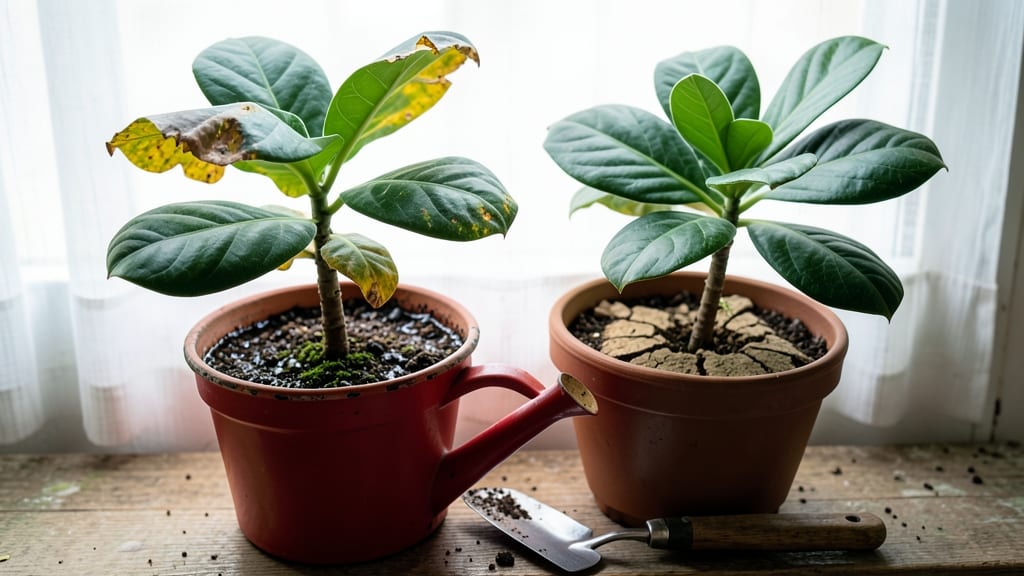
Your tree's leaves are telling you something—just look closely. 🌿 The difference between overwatered and underwatered trees often hides in subtle leaf color shifts, soil texture, and even bark condition that most gardeners miss until it's too late.
I've spent years diagnosing these issues in backyard trees, and the clues are always there if you know where to look.
Start by checking the soil: sink your finger 2-3 inches deep—damp but not soggy means balanced moisture, while dry soil or a musty smell signals underwatering or overwatering, respectively.
Leaf edges turning crispy brown? That's thirst. Yellowing leaves that stay soft? Too much water. The key is matching what you see to the root problem, not guessing.
With the right adjustments, you'll see new growth within weeks—healthier bark, brighter green leaves, and roots that breathe properly. The fix isn't complicated: better drainage, smarter watering schedules, and sometimes just letting the soil dry between drinks. We'll walk through each clue and correction step-by-step.
Works for any tree—young saplings, mature oaks, or container-grown specimens. The same principles apply whether you're dealing with a drought-stressed maple or a soggy pine. Let's get those trees back on track.
📚 In This Guide
- What you need
- Instructions
- Tips and common mistakes
- Wrapping up and next steps
What you need
- ● Garden trowel or small shovel – For digging a shallow hole (6–12 inches deep) near the tree’s base to check soil moisture. Look for one with a sturdy, angled blade for precision.
- ○ Moisture meter (digital or analog) – A soil moisture sensor (like the Xiaomi Mi Flower Care or Gardeners.com Moisture Meter) for quick, tech-assisted readings. Optional but highly recommended for beginners!
- ● Gloves (gardening or nitrile) – Protects your hands from dirt, sharp roots, or sap. Waterproof gloves are a plus if testing wet soil.
- ● Notebook & pen – To log observations like leaf color, soil texture, and moisture levels over time. Pro tip: Use a tree care journal for tracking patterns!
- ○ Magnifying glass (optional but helpful) – For inspecting leaf edges, discoloration, or tiny pests that might signal stress.
- ● Watering can or hose with adjustable nozzle – If you’re testing how to adjust watering, a gentle spray works best for small trees.
- ● pH testing kit – Over/underwatering can affect soil pH. A simple liquid test kit (like Luster Leaf) can help diagnose hidden issues.
- ● Soil probe or screwdriver – A metal soil probe (or even a long screwdriver) lets you check moisture at deeper levels without digging.
- ● Camera or phone with macro mode – Snap close-ups of leaves, bark, and roots for comparison later.
- ● Tree species guidebook or app – Different trees (e.g., oak vs. maple) have unique watering needs. Apps like PictureThis or iNaturalist can ID your tree fast!
Step-by-Step guide to diagnosing tree water stress
Here's how I break down the visual and physical signs to keep your trees thriving.
🌿 Step 1: Examine Leaf Color and Texture
Yellowing leaves are the first clue, but their pattern tells the full story. Overwatered trees often show bright yellow leaves that stay soft and pliable, while underwatered trees develop dull yellow or brown edges that feel crispy to the touch. Start at the outer branches and work inward—overwatering typically starts at the bottom, while underwatering affects leaves from the top down.
Check for mushy stems or peeling bark near the base—these are red flags for root rot from overwatering. If leaves curl upward and feel dry, that's classic underwatering stress. I always run my fingers along the leaf edges: smooth and slightly limp means too much water; rough and brittle means not enough.
💧 Step 2: Perform the Soil Moisture Test
Grab a handful of soil from 6 inches deep—this is where roots actively search for moisture. If it feels soggy and cold, your tree is overwatered. Press it gently: water should bead up slightly but not ooze. Overwatered soil often smells musty or sour, while healthy soil has a clean, earthy scent.
For underwatered trees, the soil will feel dry and powdery when rubbed between fingers. Stick your finger in—if it comes out clean, water immediately. I like to do this test in the morning when soil moisture is most stable. Remember: clay soil stays wet longer than sandy soil, so adjust your expectations based on your soil type.
☀️ Step 3: Inspect Root and Bark Conditions
Gently loosen the soil around the tree's base with a small trowel to check for black, mushy roots—a clear sign of overwatering. Healthy roots should be firm and white or tan. If you see white fungal growth, that's root rot setting in. For underwatered trees, roots will appear dry and brittle, sometimes pulling away from the soil entirely.
Look at the bark too: peeling or cracked bark near the base suggests overwatering, while thin, papery bark with deep crevices indicates chronic underwatering. I've seen trees with bark that looks like it's been sunburned—this happens when roots can't reach moisture fast enough during heatwaves.
⏰ Step 4: Check Growth Patterns and Seasonal Behavior
Overwatered trees often show stunted growth with small, sparse leaves because their roots can't breathe. You might also see new shoots growing at the base—this is the tree's desperate attempt to find better soil conditions. In contrast, underwatered trees grow slowly with long spaces between branches as they stretch for moisture.
Season matters too: trees naturally slow growth in winter, but if leaves stay dark green and glossy during cold months, that's a sign of overwatering. In summer, if leaves wilt dramatically by midday but recover at night, your tree is thirsty. I always compare the tree's current state to its growth pattern from previous years—sudden changes are your biggest warning sign.
Tips & tricks for diagnosing tree water stress
Real talk: Even experienced gardeners sometimes misread tree signals—here’s how to sharpen your diagnostic skills.
Leaf Texture is Your First Clue: In Step 1, when examining leaf color, pay special attention to the leaf edges. Overwatered leaves often feel smooth and slightly limp like a damp paper towel, while underwatered leaves develop rough, brittle edges that crumble when touched. I’ve seen this difference most clearly in maple trees—healthy leaves should have a slight springiness when gently pressed.
Soil Depth Matters: The 6-inch depth mentioned in Step 2 is critical because that’s where most tree roots actively absorb moisture. If you’re working with sandy soil, check moisture at 4 inches instead—sand drains faster. Pro tip: Use a clean screwdriver to test deeper layers if you suspect root issues from previous watering habits.
Root Inspection Tools: For Step 3, a small hand trowel is perfect, but if you’re dealing with mature trees, consider a soil probe (available at garden centers) to check root conditions without digging too deeply. Look for the transition zone between healthy and diseased roots—this often reveals where overwatering damage starts. I’ve found this especially helpful for oak trees with shallow root systems.
Seasonal Adjustments: The seasonal behavior in Step 4 changes everything. In summer heat, trees naturally wilt midday but recover by evening—that’s normal. But if leaves stay wilted past sunset, that’s a clear underwatering signal. Conversely, in winter months, glossy green leaves mean overwatering—trees in dormancy don’t need much moisture at all.
Pro Tips for Tell If A Tree Is Overwatered Or Underwatered
- Real talk: Even experienced gardeners sometimes misread tree signals—here’s how to sharpen your diagnostic skills.
- Leaf Texture is Your First Clue: In Step 1, when examining leaf color, pay special attention to the leaf edges.
- Soil Depth Matters: The 6-inch depth mentioned in Step 2 is critical because that’s where most tree roots actively absorb moisture.
Frequently asked questions
about tree watering can save you time, money, and stress—especially when you’re unsure whether your tree is getting just the right amount of hydration. Here are answers to the most common queries:How often should I water a newly planted tree?
Newly planted trees need consistent moisture to establish roots. Water deeply 2-3 times per week for the first year, ensuring the soil is soaked 12–18 inches down. Once established (after 1–2 years), reduce to every 1–2 weeks, depending on weather. Pro tip: Use mulch to retain moisture and check soil moisture with your finger—if it’s dry past 2 inches, it’s time to water!
Can I fix an overwatered tree? What are the steps?
Yes! First, stop watering immediately and let the soil dry out. Improve drainage by adding compost or organic matter to heavy clay soil. If roots are rotting, prune affected areas (with sterilized tools) and consider a fungicide. Monitor closely—recovery can take weeks or months, but early action makes a difference!
Is it better to water trees in the morning or evening?
Morning (before 10 AM) is ideal—it reduces evaporation and fungal risks. Evening watering can promote disease by keeping foliage wet overnight. Exception: In extreme heat (100°F+), split watering into early morning and late afternoon to prevent stress. Always water at the base, not the leaves!
What’s the difference between yellow leaves from overwatering vs. underwatering?
Overwatered leaves turn yellow with a mushy texture and may drop suddenly. Underwatered leaves yellow from the edges inward (brown, crispy tips) and often feel dry or papery. Check the soil: Overwatered = soggy, foul-smelling; underwatered = bone-dry. Leaf color + soil test = your diagnosis!
My tree’s leaves are curling—is it thirsty or something else?
Curling leaves can signal underwatering, but also pests (like spider mites), disease, or even too much sun. Start by watering deeply and inspect the undersides of leaves for pests. If no pests are found, adjust watering or provide afternoon shade. Act fast: Curling often worsens before improving!
Are there drought-resistant trees I can plant to avoid watering struggles?
Consider native or adapted species like Oak, Pecan, Red Maple, or Crape Myrtle. These thrive with minimal water once established. Research your USDA hardiness zone and soil type—local nurseries can recommend perfect matches. Less watering = less guesswork!
Wrapping up and next steps
Mastering the art of tree care starts with understanding the subtle signs your tree is sending! 🌱 Whether it’s yellowing leaves, wilting branches, or mushy soil, paying attention to these clues ensures your tree thrives.
Now that you’re equipped with the knowledge, take action—adjust your watering routine, test your soil, and give your tree the love it deserves.
Ready to dive deeper? Explore soil amendments or seasonal watering tips to keep your green friend happy year-round! 🌿