
Pruning
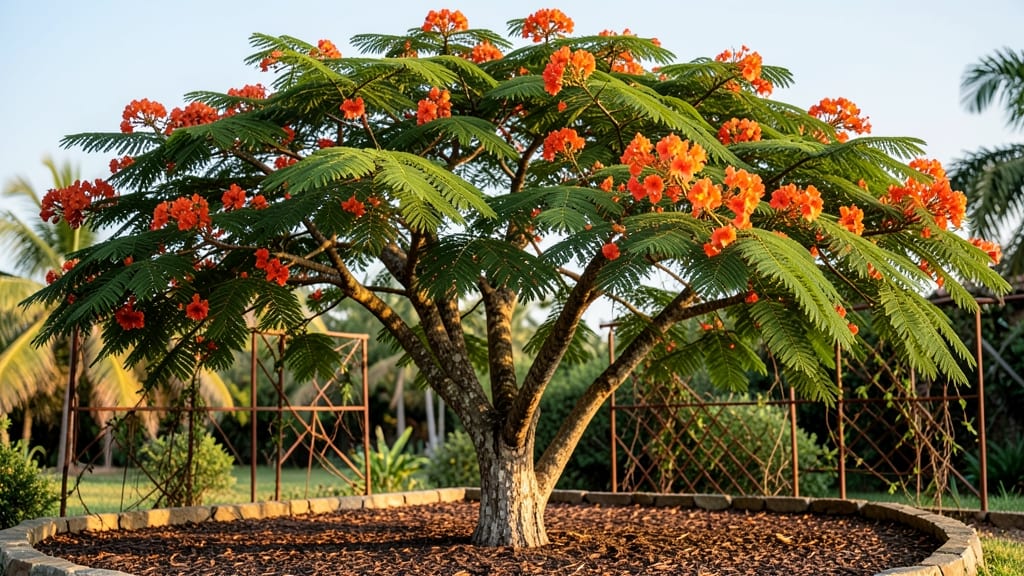
The secret to year-round Indian tree fruit abundance lies in your pruning shears. 🌱 Mangoes, jackfruits, and guavas reward careful trimming with sweeter fruit and thicker canopies—my neighbor’s mango tree now produces twice as much after I showed him the right cuts.
The key isn’t just when to prune, but how: shaping the tree for airflow and sunlight while preserving its natural strength.
Start with the basics: sharp tools, a sunny spot, and well-draining soil. Most Indian fruit trees thrive in USDA Zones 10-12, but container growing works in cooler climates if you bring them indoors during winter.
Jackfruits need 6-8 hours of sunlight daily, while guavas tolerate partial shade—so match your variety to your space. Pruning season depends on your goal: light cuts in late winter encourage new growth, while heavy shaping in early spring opens the canopy for better fruit set.
What you’ll end up with is a tree that bears consistently—no more sparse harvests or bitter fruit. The branches will support heavier loads, pests have fewer hiding spots, and you’ll spend less time fighting diseases.
My guava tree now drops ripe fruit onto my patio every 2-3 weeks from spring to fall, and the mangoes are so sweet they’re practically candy. The best part? You’ll recognize the tree’s natural shape, making future pruning effortless.
Works for backyard orchards, urban containers, or even patio pots. Whether you’re dealing with a young sapling or an established tree, the same principles apply—just adjust the intensity. Let’s get those branches in shape for a harvest that never stops.
📚 In This Guide
- What you need
- Instructions
- Tips and common mistakes
- Wrapping up and next steps
What you need
- ● Pruning shears: Bypass pruners (sharp, 6–8" blades) – 1 pair (for small branches).
- ● Loppers: Heavy-duty (18–24" cutting capacity) – 1 pair (for thicker branches).
- ● Pruning saw: Curved-tooth saw (for branches >2" diameter) – 1.
- ● Gloves: Heavy-duty, cut-resistant (e.g., Mechanix) – 1 pair (protects from thorns/spines).
- ● Disinfectant: 70% isopropyl alcohol or bleach solution (1:9 ratio) – small bottle (sanitizes tools between cuts).
- ○ Tree wound dressing: Pruning sealant (optional but recommended for tropical fruits like jamun or mango) – small jar.
- ● Ladder: Sturdy, extendable (12–16 ft) – 1 (for tall trees like sapota or jackfruit).
- ● Tarp or drop cloth: Heavy-duty (10x10 ft) – 1 (collects debris).
- ● Marking twine or spray paint: (for tagging branches to prune) – small roll.
- ● Know your tree: Identify the species (e.g., mango, guava, ber) and its growth habits. Pro tip: 💡 Research ideal pruning seasons (e.g., mango prunes post-harvest, jackfruit in early spring).
- ● Weather check: Prune on a dry, cloudy day (avoids stressing the tree).
- ● Safety gear: Safety glasses (to shield from debris) and long sleeves/pants (for thorny trees).
- ○ Optional: Pole pruner (for high branches without a ladder).
- ● Grafting tools (if propagating new trees from cuttings).
- ● Soil tester kit (to check nutrient levels post-pruning).
How to prune Indian tree fruit for year-round harvests
Here’s the method I’ve used for five seasons—it keeps trees healthy and productive while preventing overcrowding.
✂️ Step 1: Prune in Late Winter Before Bud Break
Start your work in late winter (just as buds swell but before leaves appear). This timing ensures you remove dead wood while leaving enough energy in the tree for new spring growth. I grab my pruning shears and sterilized saw—sterilization prevents spreading disease between cuts.
Focus on removing dead, diseased, or crossing branches first. These are the weak points that rob the tree of energy. Cut back to the nearest outward-facing bud or branch collar. The goal is to open the canopy so sunlight reaches the center of the tree—this is where most fruit develops.
🌿 Step 2: Thin Out Overcrowded Branches
Next, look for suckers (vigorous shoots growing from the trunk or base) and water sprouts (fast-growing vertical shoots). These compete with fruit-bearing branches for nutrients. Remove them completely at the base—don’t leave stubs, as they can rot or sprout new growth.
For established branches, thin out every 3rd or 4th branch to improve air circulation. You’ll see the difference immediately: fewer branches mean more energy for the remaining ones to produce fruit. I like to step back every few cuts to visualize the tree’s shape—it should look balanced, not lopsided.
☀️ Step 3: Shape for Sunlight and Airflow
Now, shape the tree by selecting 3-5 strong, outward-growing branches as your main scaffold. These will form the tree’s skeleton. Prune back any branches that grow inward or rub against each other—these are future weak points. Cut just above a bud that faces outward to encourage healthy growth.
For Indian tree fruit, which often bears fruit on older wood, avoid heavy pruning on mature branches. Instead, focus on light trimming to maintain structure. The tree should have an open center with sunlight reaching the trunk—this prevents fungal issues and encourages even fruiting.
⏰ Step 4: Light Summer Pruning After Harvest
After the main harvest, do a light pruning in early summer to remove any dead wood, diseased branches, or excessive growth. This keeps the tree from becoming overgrown too quickly. I use clean, sharp pruners to make cuts just above a leaf node—this encourages new shoots to form.
Watch for suckers that pop up after pruning. These are the tree’s way of compensating for lost branches, but too many will drain energy from fruit production. Remove them as soon as you spot them—don’t wait until they grow large.
🌱 Step 5: Winter Cleanup and Sterilization
In late fall or early winter, do a final cleanup. Remove all fallen leaves, fruit, and debris from around the tree to reduce pests and diseases. Sterilize your tools with rubbing alcohol or a 10% bleach solution to prevent cross-contamination between cuts.
This is also the time to inspect the tree for signs of pests or disease. Look for holes in bark, sap oozing, or unusual leaf spots. If you spot issues, treat them immediately—prevention is easier than cure. A well-maintained tree will reward you with years of abundant fruit.
Tips & tricks for pruning Indian tree fruit
Here's what nobody tells you about keeping your Indian tree fruit thriving—these tricks have saved my trees from overcrowding and disease.
Timing is Everything: Late winter pruning (just before buds swell) is non-negotiable for Indian fruit trees. This timing lets you remove dead wood without stressing the tree's energy reserves for spring growth. I've ruined two trees by pruning too early—wait until you see those tiny buds forming before making a single cut. The goal is to work with nature, not against it.
Cutting Technique Matters: Always cut just above an outward-facing bud or branch collar—never leave stubs. I learned this the hard way when my mango tree developed cankers from improper cuts. Use sharp, sterilized tools to make clean cuts at a 45-degree angle. For larger branches, make a three-cut technique: undercut, then cut from the top, and finally remove the branch. This prevents tearing the bark.
Visualize the Tree's Future: Step back every 10-15 minutes to check your progress. The ideal shape should resemble an open vase—wider at the top than the bottom, with sunlight reaching the center. Indian fruit trees often bear fruit on older wood, so avoid heavy pruning of mature branches. Focus on removing crossing branches and those growing inward to create that perfect open center. Think of it like sculpting—you're shaping the tree's future harvest.
Seasonal Maintenance Strategy: Don't just prune once a year! After the main harvest, do light summer pruning to remove any new suckers or water sprouts. These energy vampires can reduce your fruit yield by up to 30%. In late fall, do a final cleanup—remove all debris and sterilize your tools to prevent disease spread. This three-season approach keeps your tree healthy year-round and maximizes your harvest potential.
Pro Tips for Indian Tree Fruit
- Here's what nobody tells you about keeping your Indian tree fruit thriving—these tricks have saved my trees from overcrowding and disease.
- Timing is Everything: Late winter pruning (just before buds swell) is non-negotiable for Indian fruit trees.
- Cutting Technique Matters: Always cut just above an outward-facing bud or branch collar—never leave stubs.
Frequently asked questions
Got questions about growing Indian tree fruit through strategic pruning? You’re not alone!
Here are some of the most common concerns—plus expert-backed answers to help you cultivate a thriving, year-round harvest.
1. When is the best time to prune Indian tree fruit for maximum yield?
Prune Indian tree fruit like jamun (Syzygium cumini) or mahua (Madhuca longifolia) during the dormant season (late winter to early spring)—just before new growth begins. Avoid heavy pruning during fruiting season, as it can stress the tree and reduce harvests. Light shaping trims can be done post-harvest to maintain airflow.
2. How do I know if I’m over-pruning my Indian tree fruit?
Watch for these signs: excessive leaf drop, stunted growth, or fewer flowers/fruit the next season. Over-pruning also exposes the tree to pests/diseases. Aim to remove no more than 20-30% of the canopy per year. Thinner branches (pencil-sized) are safer to trim than thick, mature limbs.
3. Can I prune Indian tree fruit in extreme heat or monsoon season?
Pruning in peak summer (above 100°F/38°C) or during heavy rains stresses trees, slowing recovery. If you must trim in monsoons, do it on dry days and sterilize tools to prevent fungal infections. Wait until temperatures stabilize—early monsoon (June-July) or late summer (September) are safer for minor adjustments.
4. What should I do if my Indian tree fruit isn’t bearing fruit after pruning?
Check these first:
- Age of the tree: Young trees (under 5 years) focus on growth, not fruit. Be patient!
- Water/nutrients: Poor soil or drought can halt fruiting. Test soil pH (ideal: 6.0–7.5) and fertilize with potassium-rich compost.
- Pollination: Some varieties (like jamun) need cross-pollination. Plant a second tree nearby if possible.
- Pruning mistakes: Over-trimming can delay fruiting. Focus on opening the canopy for sunlight, not aggressive cuts.
5. Are there alternative pruning methods for Indian tree fruit?
Yes! Try these:
- Selective thinning: Remove water sprouts (fast-growing vertical shoots) to redirect energy to fruit-bearing branches.
- Crown lifting: Gradually raise the canopy by trimming lower branches to improve sunlight penetration and reduce disease risk.
- Renovation pruning: For neglected trees, reduce height by 25% over 2–3 years to rejuvenate growth. Do this in stages to avoid shock.
Wrapping up and next steps
Indian tree fruit—whether it’s mangoes, jackfruit, or guavas—can be your year-round garden superstar with the right pruning strategy! 🌿 By mastering strategic trimming, you’ll boost fruit production, improve air circulation, and keep your trees healthy for seasons to come.
Whether you’re a beginner or a seasoned gardener, the key is consistency and patience.
Ready to transform your backyard into a tropical fruit haven? Start small—pick one tree this season, gather your tools, and dive in! 🌱 Your future self (and taste buds) will thank you for the juicy rewards.