
Pruning
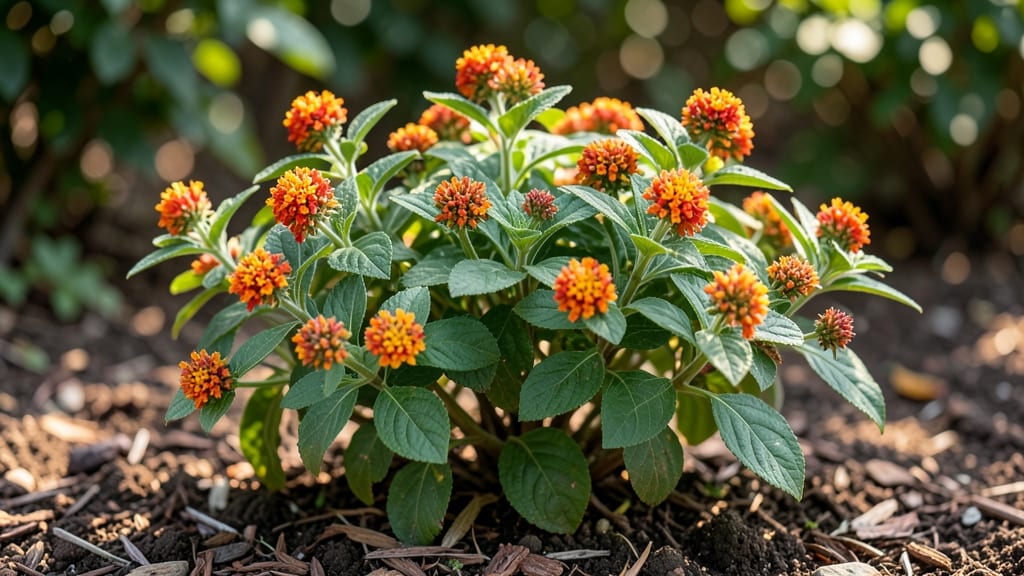
Shaping lantana into a tree form starts with understanding its natural shrubby growth—those woody stems and dense clusters of flowers can be trained upward with the right pruning approach. I’ve turned wild, sprawling lantana into a 5-foot-tall focal point in my courtyard, and it’s all about strategic cuts and patience.
The key lies in guiding its growth vertically while keeping those vibrant blooms coming year-round.
You’ll need sharp pruning shears, a sturdy stake for support, and a clear plan for when to trim—spring and fall are your best windows. Most gardeners stop at letting lantana bush out, but with targeted pruning, you encourage a single trunk and layered branches.
Think of it like sculpting: you’re removing what doesn’t fit your vision while preserving the plant’s natural vigor.
Once you’ve established that central trunk, the real magic happens in the details—watering just enough to keep roots happy without drowning them, feeding with balanced fertilizer twice a year, and watching as new growth fills out your tree’s silhouette.
The result? A lush, flowering statement piece that thrives in full sun and handles drought like a pro.
This method works for both container-grown lantana and in-ground plants, though container versions give you more control over shaping. Whether you’re pruning back after winter or shaping up in summer, the goal is the same: bushy growth with a tree-like elegance. Let’s get those shears ready!
📚 In This Guide
- What you need
- Instructions
- Tips and common mistakes
- Wrapping up and next steps
What you need
- ● Pruning shears: Bypass pruners (sharp, clean, 6-8" blades) for small stems.
- ● Loppers: 8-10" bypass loppers for thicker branches (up to 1.5" diameter).
- ● Pruning saw: Curved-tooth saw for stubborn, woody stems (10-12" blade).
- ● Disinfectant: 70% isopropyl alcohol or 10% bleach solution (1 part bleach to 9 parts water) to sterilize tools.
- ● Gloves: Heavy-duty gardening gloves (cut-resistant for thorny varieties like Lantana camara).
- ○ Pruning sealant: Optional but helpful for large cuts (e.g., Tanglefoot Tree Wound Pruning Seal).
- ● Garden twine or stakes: For supporting branches during shaping (if needed).
- ● Watering can or hose: For post-pruning hydration (1-2 gallons per tree).
- ● Trash bags: Heavy-duty bags (10-15 gallon) for debris disposal.
- ● Hand pruners: Compact shears for precision trimming (great for detailed shaping).
- ● Ladder: Sturdy, extendable ladder (for tall lantana varieties like Lantana montevidensis).
- ● Plant food: Balanced fertilizer (10-10-10 or 20-20-20) for post-pruning recovery.
- ● Mulch: Organic mulch (2-3" layer) to retain moisture and suppress weeds.
- ● Camera or sketchbook: To document your lantana tree form before/after pruning!
How to cultivate a lush lantana tree form year-round
Mastering lantana’s natural bushiness takes patience and precision—here’s how to coax that perfect tree-like structure.
Prune for Structural Balance in Early Spring
Begin by removing dead or crossing branches at the base, cutting just above a leaf node to encourage outward growth. Lantana responds best to 10-15% annual pruning—never remove more than a third of the plant at once, or you risk stunted regrowth. Use clean, sharp pruners to avoid tearing the bark, which can invite disease.
Focus on shaping the lower canopy first. Aim for a pyramidal base that widens as it rises, mimicking a natural tree form. If your lantana has leggy growth, trim the longest stems back by half their length—this forces bushier branching. Watch for new shoots emerging within 2-3 weeks; these will form your future structure.
Pinch Back New Growth for Density
Throughout the growing season, pinch back the tips of new shoots when they reach 4-6 inches long. This technique, called "tip pruning," redirects energy into lateral buds, producing a fuller, more compact shape. Avoid over-pinching—3-4 times per season is ideal for lantana.
Use your fingers or small pruners to snip just above a set of leaves. You’ll notice secondary branches forming within 10-14 days, creating that signature bushy density. If you skip this step, your lantana will grow tall and sparse, losing its tree-like silhouette.
Maintain Year-Round with Strategic Trims
Lantana stays green year-round in warm climates, so light pruning every 8-10 weeks keeps it shaped. In cooler months, reduce pruning to once every 3 months—over-trimming in winter can weaken the plant. Always prune after flowering to promote new blooms while maintaining form.
For a tree-like trunk, select the strongest central stem early and remove competing branches at the base. Wrap the trunk with tree tape if it’s thin to prevent sun scorch. Mulch around the base with 2-3 inches of organic mulch to protect roots and retain moisture—this supports steady growth without stress.
Fertilize for Strong Structural Growth
Apply a balanced, slow-release fertilizer (10-10-10 ratio) twice a year—once in early spring and again in mid-summer. Over-fertilizing leads to rapid, weak growth that flops under its own weight. Instead, aim for steady, moderate growth—this builds a sturdy framework for your tree form.
Water deeply once a week during dry spells, ensuring the soil stays evenly moist but not soggy. Lantana roots need oxygen, so avoid waterlogging—this causes root rot and weakens the plant’s ability to support its own weight. A mature lantana with proper care can reach 6-10 feet tall while maintaining its bushy, tree-like structure.
Tips & tricks for perfect lantana tree form
Here's what nobody tells you about shaping lantana into that stunning tree form—these are the details that make all the difference.
Pruning Precision: When you're removing those dead or crossing branches in Step 1, don't just cut randomly. Look for branches growing at sharp angles—they'll create awkward gaps in your canopy. Instead, target branches that grow at 45-degree angles or less from the main stem. This creates that natural, layered look while maintaining structural integrity. I learned this the hard way after pruning too aggressively and ending up with a sparse, lopsided plant.
Timing is Everything: The 2-3 week window for new shoots to emerge after your initial spring pruning is your golden opportunity. Mark your calendar and check your plant every 5-7 days during this period. New growth appears as small, tender shoots at the leaf nodes—these are your future branches. If you miss this window, you'll have to wait another full growing season for new growth to appear.
Seasonal Adjustments: During those 8-10 week maintenance trims in Step 3, pay special attention to how your lantana responds to seasonal changes. In hotter months, you might need to trim more frequently—every 6-8 weeks—to control rapid growth. Conversely, in cooler months, reduce to every 10-12 weeks. The key is to maintain that balanced shape while working with your plant's natural growth cycles rather than against them.
Fertilizer Technique: When applying that balanced 10-10-10 fertilizer twice a year, focus on the soil around the drip line—not just at the base. This encourages root growth outward, which supports that sturdy tree form. I also recommend mixing a handful of compost into the soil at each application—this improves soil structure and helps retain moisture without waterlogging.
Pro Tips for Lantana Tree Form
- Here's what nobody tells you about shaping lantana into that stunning tree form—these are the details that make all the difference.
- Pruning Precision: When you're removing those dead or crossing branches in Step 1, don't just cut randomly.
- Timing is Everything: The 2-3 week window for new shoots to emerge after your initial spring pruning is your golden opportunity.
Frequently asked questions
Got questions about shaping your lantana tree into a stunning year-round form? You’re not alone! Here are some of the most common queries—plus quick, actionable answers to keep your lantana thriving and looking its best.
How often should I prune my lantana to maintain its shape?
Prune your lantana lightly every 4–6 weeks during the growing season (spring to fall) to encourage bushy growth. For dramatic shaping, do a hard prune in early spring (cut back 1/3 of the plant) and a light trim in late summer to prep for winter. Avoid heavy pruning in fall—it can stress the plant before dormancy.
Can I prune lantana into a specific shape, like a hedge or topiary?
Lantana’s flexible branches respond well to shaping. Use hand pruners or hedge shears to trim into hedges, spirals, or even small topiary forms. For clean lines, prune just above a leaf node (growth point) and avoid cutting into woody stems. Water well after pruning to reduce shock.
Why does my lantana look leggy or sparse after pruning?
Leggy growth usually means over-pruning or poor timing. If you cut too aggressively in late winter/early spring, new growth may take longer to fill out. Solution: Prune in stages—start with light trims in early spring, then gradually shape. Also, ensure your lantana gets 6+ hours of sunlight daily and well-draining soil to encourage dense foliage.
Are there any alternatives to pruning for bushier lantana?
If pruning feels tedious, try these tricks: Pinch back new growth tips when stems are 4–6 inches long to encourage branching. For established plants, fertilize lightly with a balanced 10-10-10 formula in spring to boost vigor. Pro tip: Deadhead spent blooms regularly—this redirects energy to leafy growth instead of seed production!
Should I prune lantana before winter in cold climates?
In USDA Zones 8–10, a light prune in late fall (after frost) can tidy up the plant. But in colder zones (7 or below), wait until spring—pruning too early can expose tender new growth to frost damage. If your lantana is woody and dormant, a minimal trim is fine; otherwise, hold off until temperatures rise above 50°F.
What’s the best time of day to prune lantana?
Prune in the early morning when plants are hydrated and temperatures are cool. This reduces stress and helps wounds heal faster. Avoid pruning in midday heat—it can shock the plant and invite pests. If you must prune later, do so in the late afternoon and water thoroughly afterward.
Wrapping up and next steps
Mastering the lantana tree form is all about consistency, patience, and a little creativity!
With the right tools, timing, and techniques—like strategic pruning and shaping—you can transform your lantana into a lush, year-round beauty that thrives in any garden. 🌿 Whether you’re trimming for shape, promoting bushiness, or controlling growth, these secrets will keep your lantana looking its best.
Ready to take the next step? Grab your pruners and schedule your first trim session—your lantana’s full potential is just a cut away! 🌟